

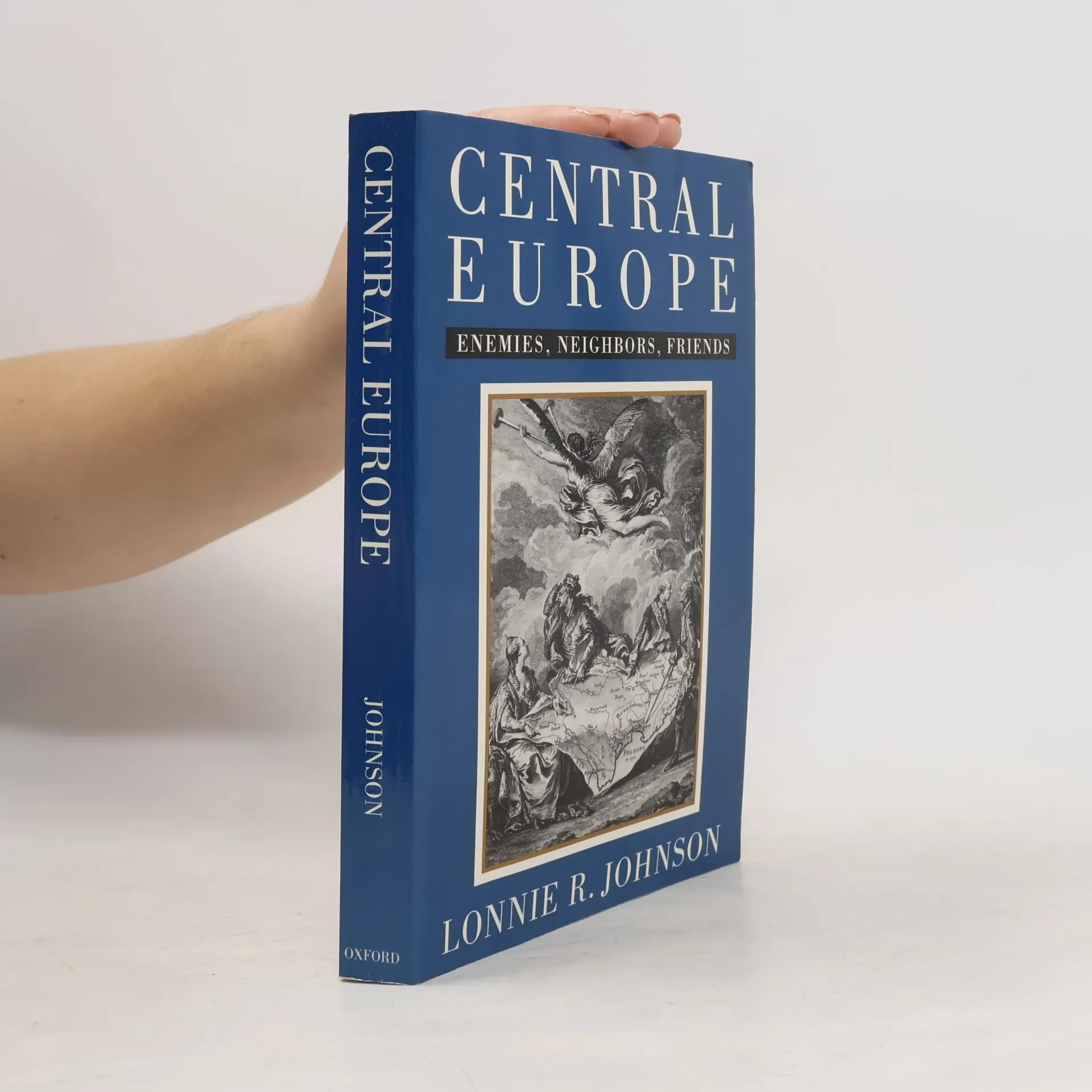



Central Europe
Enemies & Neighbors & Friends
Autorzy
Więcej o książce
This work offers a comprehensive overview and comparative analysis of significant historical events in Central Europe, covering modern-day Germany, Poland, the Czech Republic, Slovakia, Austria, Hungary, Slovenia, and Croatia. It begins with the conversion of the region's "pagan" peoples to Christianity around 1000 A.D. and concludes with the revolutions of 1989 and the challenges faced by post-Communist states today. The author highlights the region's diverse heritage, the interplay of its cultures, and the roots of ethnic and national conflicts. Central Europe's history is depicted as both epic and tragic, marked by the struggles of small nations against powerful empires such as Ottoman Turkey, Habsburg Austria, imperial Germany, czarist Russia, Nazi Germany, and the Soviet Union, often with little success. The narrative is present-minded, linking historical events to their contemporary significance and the national assumptions that shape current European politics. Since the fall of the Iron Curtain, the region has faced unexpected challenges in transitioning to democracies and market economies, alongside the wars in the former Yugoslavia and issues related to European integration. This account weaves together a vivid narrative, nuanced analysis of social, economic, and political developments, and an exploration of the enduring myths and memories that impact Europe today.
Wydanie

Zakup książki
Central Europe, Lonnie Johnson
- Język

- Rok wydania
- 1996
- Oprawa
- (miękka)
Metody płatności
Nikt jeszcze nie ocenił.
- Tytuł
- Central Europe
- Podtytuł
- Enemies & Neighbors & Friends
- Język
- angielski
- Autorzy
- Lonnie Johnson
- Wydawca
- Oxford University Press
- Rok wydania
- 1996
- Oprawa
- miękka
- Liczba stron
- 339
- ISBN10
- 0195100727
- ISBN13
- 9780195100723
- Seria
- Tagi
- Tematy historyczne, Niemcy, Szkoła, Europa, Historia Europy, Teorie polityczne, Polska, Historia społeczna, Węgry, Europa Wschodnia, Geopolityka, Geografia historyczna
- Opis
- This work offers a comprehensive overview and comparative analysis of significant historical events in Central Europe, covering modern-day Germany, Poland, the Czech Republic, Slovakia, Austria, Hungary, Slovenia, and Croatia. It begins with the conversion of the region's "pagan" peoples to Christianity around 1000 A.D. and concludes with the revolutions of 1989 and the challenges faced by post-Communist states today. The author highlights the region's diverse heritage, the interplay of its cultures, and the roots of ethnic and national conflicts. Central Europe's history is depicted as both epic and tragic, marked by the struggles of small nations against powerful empires such as Ottoman Turkey, Habsburg Austria, imperial Germany, czarist Russia, Nazi Germany, and the Soviet Union, often with little success. The narrative is present-minded, linking historical events to their contemporary significance and the national assumptions that shape current European politics. Since the fall of the Iron Curtain, the region has faced unexpected challenges in transitioning to democracies and market economies, alongside the wars in the former Yugoslavia and issues related to European integration. This account weaves together a vivid narrative, nuanced analysis of social, economic, and political developments, and an exploration of the enduring myths and memories that impact Europe today.