


Więcej o książce
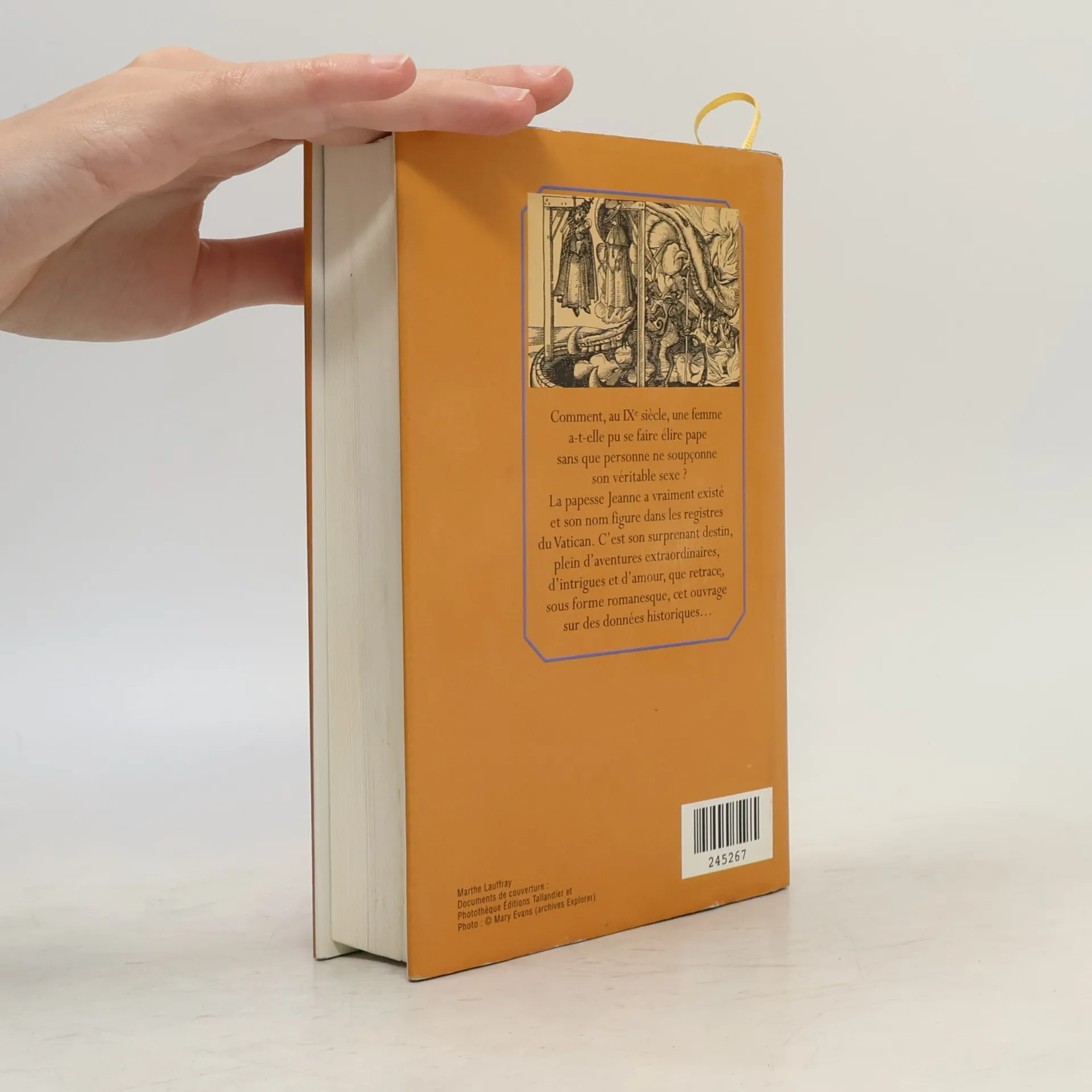
One of history's most controversial figures comes to life in a tale of a girl who defied her origins to ascend the Roman throne as Pope John Anglicus. Set in 814 in Ingelheim, a Frankland village, Joan is born during an unforgiving winter to an English father and Saxon mother. Her father, a cruel canon, embodies piety but extends little compassion to his family, especially the women. Joan's mother, Gudrun, teaches her about the Saxon gods, suffering severe punishment for it. Growing up, Joan inherits a blend of warlike mythology and Church teachings. When her brother John is sent away to school, Joan, who was meant to go, runs away to join him in Dorstadt, where she falls in love with Gerold. Viewed by others as a "lusus naturae," Joan struggles with her identity in a society that devalues women. After John's death in a Viking raid, she seizes the chance to escape her fate by cutting her hair and disguising herself as a boy. Following the attack, she finds refuge in a Benedictine monastery, eventually making her way to Rome. The author presents this story as fiction due to the lack of documentation surrounding Joan's papacy, highlighting the Church's efforts to deny this historical embarrassment. Regardless of belief in Joan's role as Pope, the narrative explores the brutal realities of the Dark Ages, Vatican intrigue, and the status of women.


Zakup książki
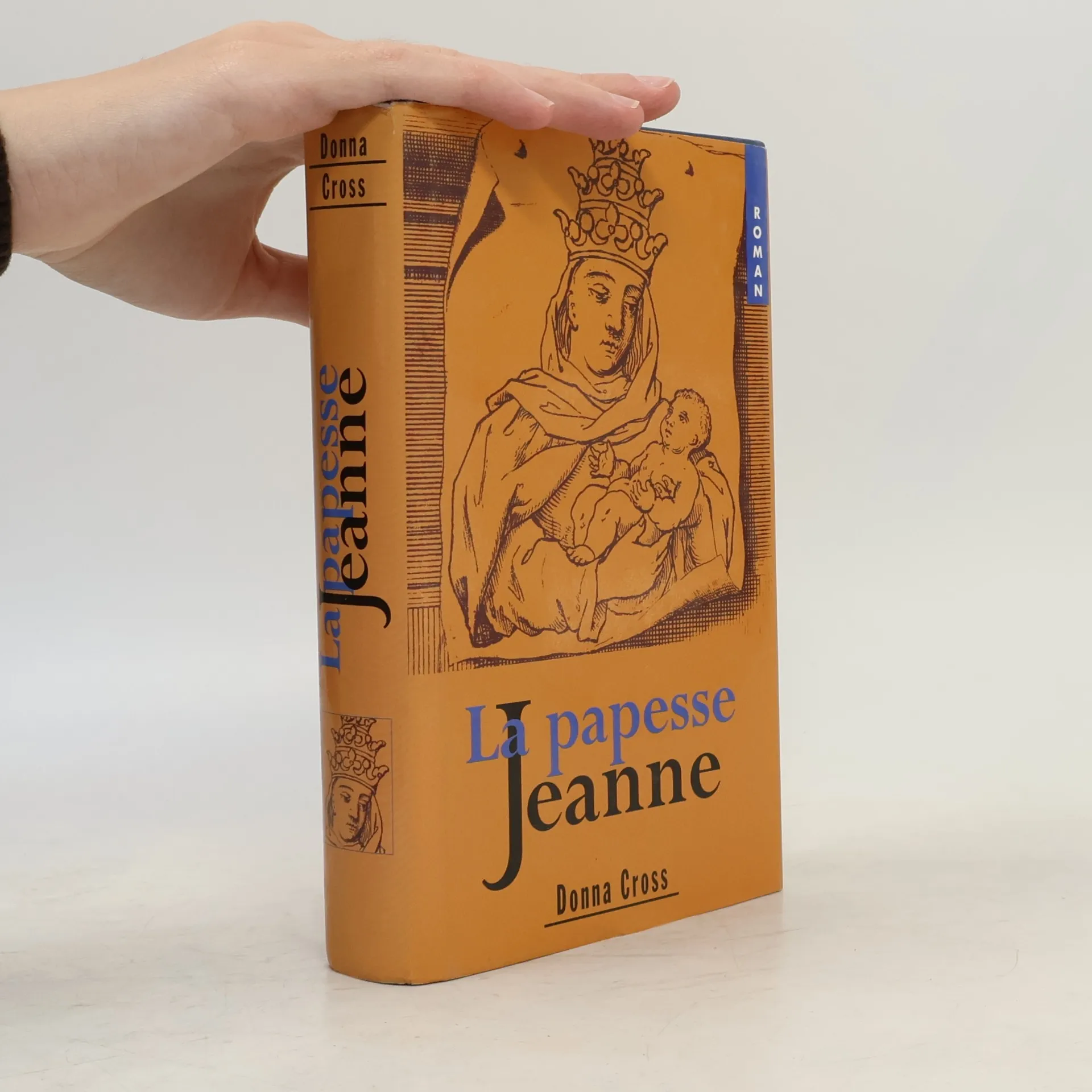
La papesse Jeanne, Donna Woolfolk Cross, Hubert Tézenas
- Język

- Rok wydania
- 1997
- Oprawa
- (twarda),
- Stan książki
- Uszkodzony
- Cena
- 13,19 zł
Metody płatności
Brakuje nam tutaj Twojej recenzji.
- Tytuł
- La papesse Jeanne
- Język
- francuski
- Autorzy
- Donna Woolfolk Cross, Hubert Tézenas
- Wydawca
- France loisirs
- Rok wydania
- 1997
- Oprawa
- twarda
- Liczba stron
- 578
- ISBN10
- 2744105511
- ISBN13
- 9782744105517
- Seria
- Kategorie
- Tagi
- Tematy religijne, Miłość, Kobiety, Południowa Europa, Włochy, Średniowiecze, Rzym, Kościół, Romowie, Emancypacja, Papieże, Watykan
- Oryginalna nazwa
- Pope Joan
- Ocena
- 4,1 z 5
- Opis
- One of history's most controversial figures comes to life in a tale of a girl who defied her origins to ascend the Roman throne as Pope John Anglicus. Set in 814 in Ingelheim, a Frankland village, Joan is born during an unforgiving winter to an English father and Saxon mother. Her father, a cruel canon, embodies piety but extends little compassion to his family, especially the women. Joan's mother, Gudrun, teaches her about the Saxon gods, suffering severe punishment for it. Growing up, Joan inherits a blend of warlike mythology and Church teachings. When her brother John is sent away to school, Joan, who was meant to go, runs away to join him in Dorstadt, where she falls in love with Gerold. Viewed by others as a "lusus naturae," Joan struggles with her identity in a society that devalues women. After John's death in a Viking raid, she seizes the chance to escape her fate by cutting her hair and disguising herself as a boy. Following the attack, she finds refuge in a Benedictine monastery, eventually making her way to Rome. The author presents this story as fiction due to the lack of documentation surrounding Joan's papacy, highlighting the Church's efforts to deny this historical embarrassment. Regardless of belief in Joan's role as Pope, the narrative explores the brutal realities of the Dark Ages, Vatican intrigue, and the status of women.