

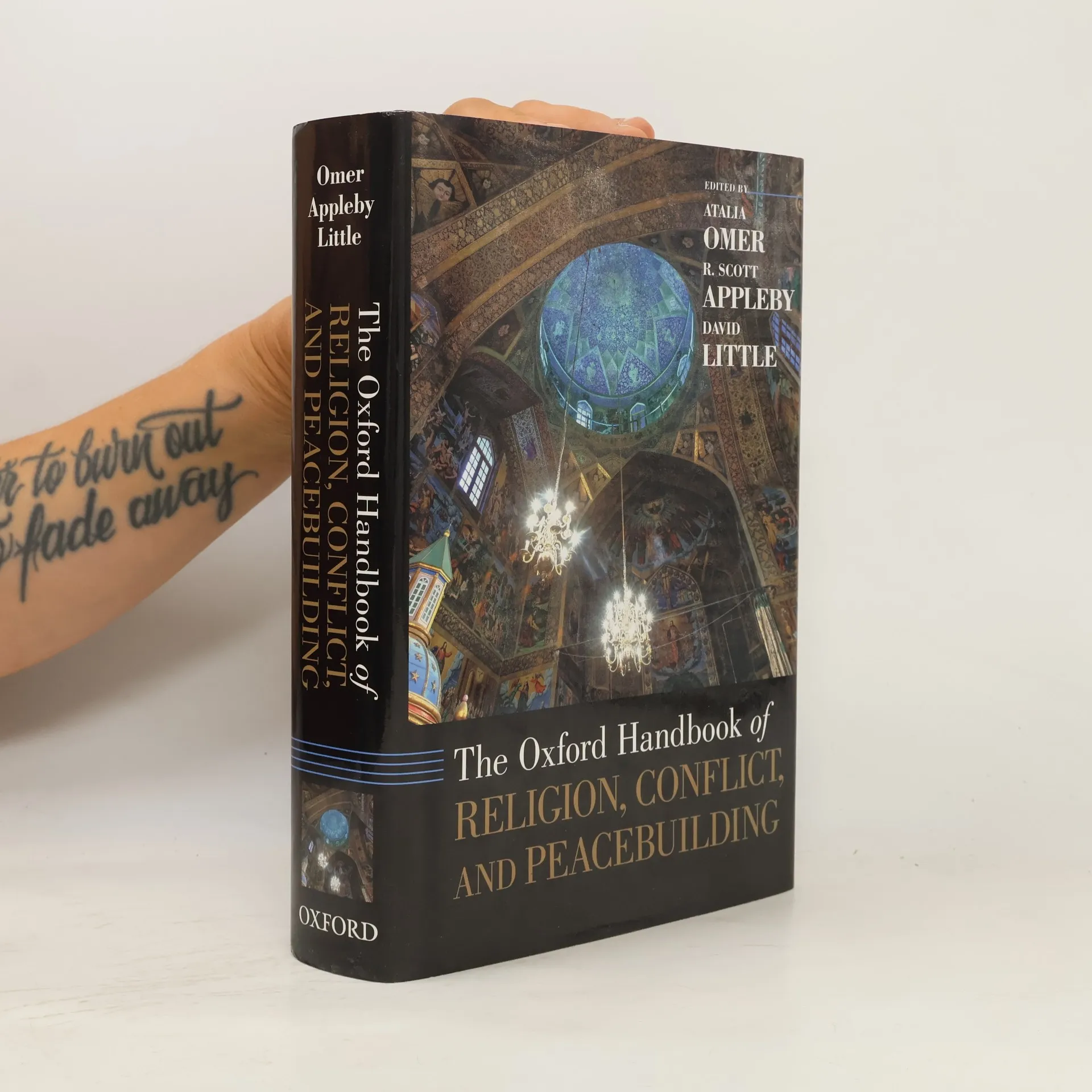
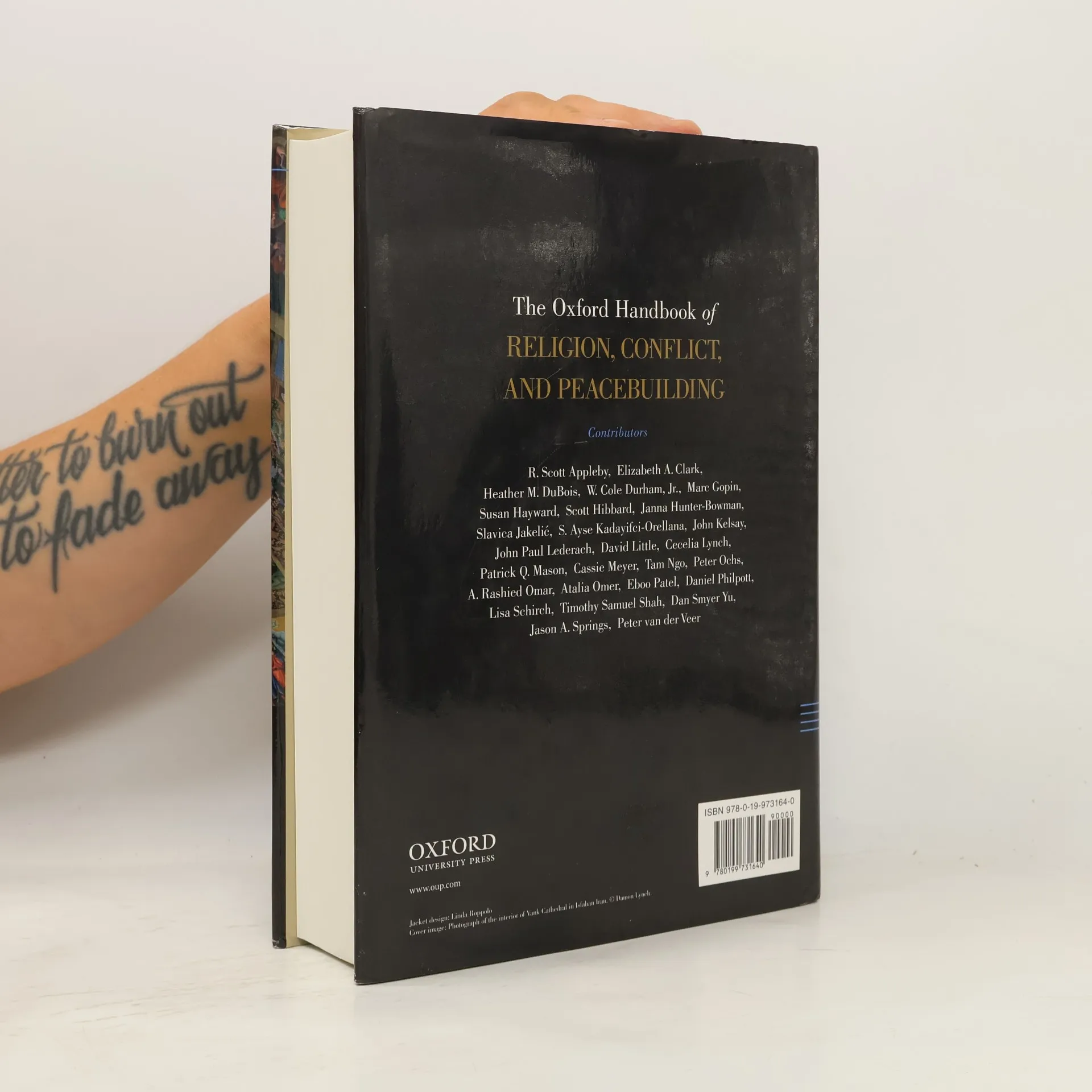

Parametry
- 736 stron
- 26 godzin czytania
Więcej o książce
This volume offers a comprehensive interdisciplinary exploration of religion, conflict, and peacebuilding. Contributors examine the legacies of colonialism, missionary activism, secularism, orientalism, and liberalism in relation to religion, violence, and nonviolent transformation. Organized thematically into five parts, it begins with a contemporary mapping of scholarship on religion and violence, as well as religion and peace. The second part addresses the challenges of secularist theories on peace and nationalism, expanding the discussion of violence to include cultural and structural analyses. The third section delves into controversial issues like religion and development, religious militancy, and the significance of religious freedom in peacebuilding. The fourth part highlights peacebuilding within spiritual practices, focusing on constructive resources from various traditions, the transformative role of rituals, youth and interfaith activism on American campuses, and the history of missionary peacebuilding. The volume concludes by contemplating the future of peacebuilding scholarship and opportunities for growth. By bringing together diverse scholars, this innovative handbook navigates the tension between theory and practice, cultural theory, and the liberal peace paradigm, providing context-specific insights for strategic peacebuilding processes.
Zakup książki
Oxford Handbooks: The Oxford Handbook of Religion, Conflict, and Peacebuilding, Atalia Omer, R. Scott Appleby, David Little
- Język

- Rok wydania
- 2015
- Oprawa
- (twarda)
Metody płatności
Nikt jeszcze nie ocenił.
- Tytuł
- Oxford Handbooks: The Oxford Handbook of Religion, Conflict, and Peacebuilding
- Język
- angielski
- Autorzy
- Atalia Omer, R. Scott Appleby, David Little
- Wydawca
- Oxford University Press
- Rok wydania
- 2015
- Oprawa
- twarda
- Liczba stron
- 736
- ISBN10
- 0199731640
- ISBN13
- 9780199731640
- Seria
- Opis
- This volume offers a comprehensive interdisciplinary exploration of religion, conflict, and peacebuilding. Contributors examine the legacies of colonialism, missionary activism, secularism, orientalism, and liberalism in relation to religion, violence, and nonviolent transformation. Organized thematically into five parts, it begins with a contemporary mapping of scholarship on religion and violence, as well as religion and peace. The second part addresses the challenges of secularist theories on peace and nationalism, expanding the discussion of violence to include cultural and structural analyses. The third section delves into controversial issues like religion and development, religious militancy, and the significance of religious freedom in peacebuilding. The fourth part highlights peacebuilding within spiritual practices, focusing on constructive resources from various traditions, the transformative role of rituals, youth and interfaith activism on American campuses, and the history of missionary peacebuilding. The volume concludes by contemplating the future of peacebuilding scholarship and opportunities for growth. By bringing together diverse scholars, this innovative handbook navigates the tension between theory and practice, cultural theory, and the liberal peace paradigm, providing context-specific insights for strategic peacebuilding processes.