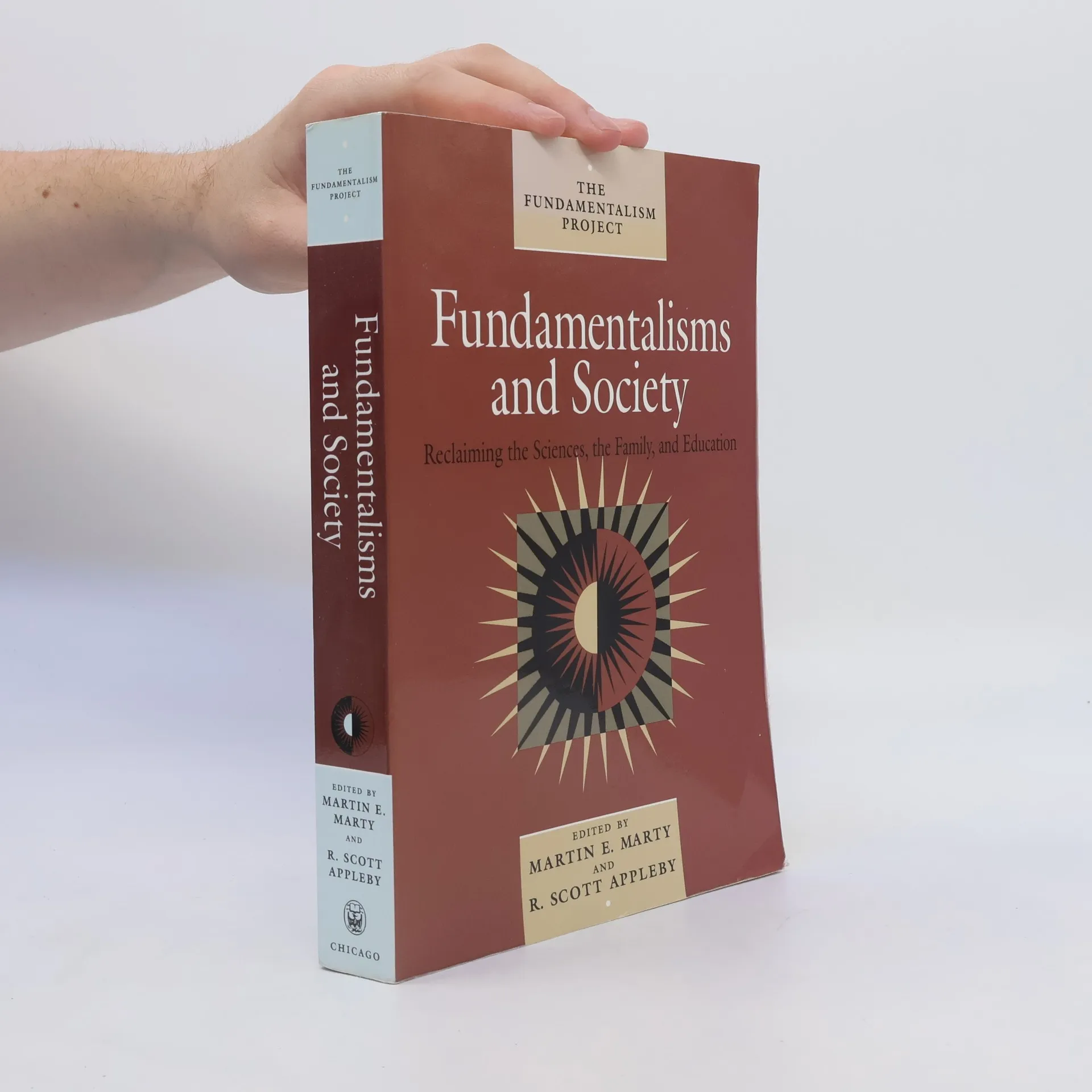
Fundamentalisms and Society
Reclaiming the Sciences, the Family, and Education
- 606 stron
- 22 godziny czytania


Reclaiming the Sciences, the Family, and Education
Remaking Polities, Economies, and Militance (Volume 3)
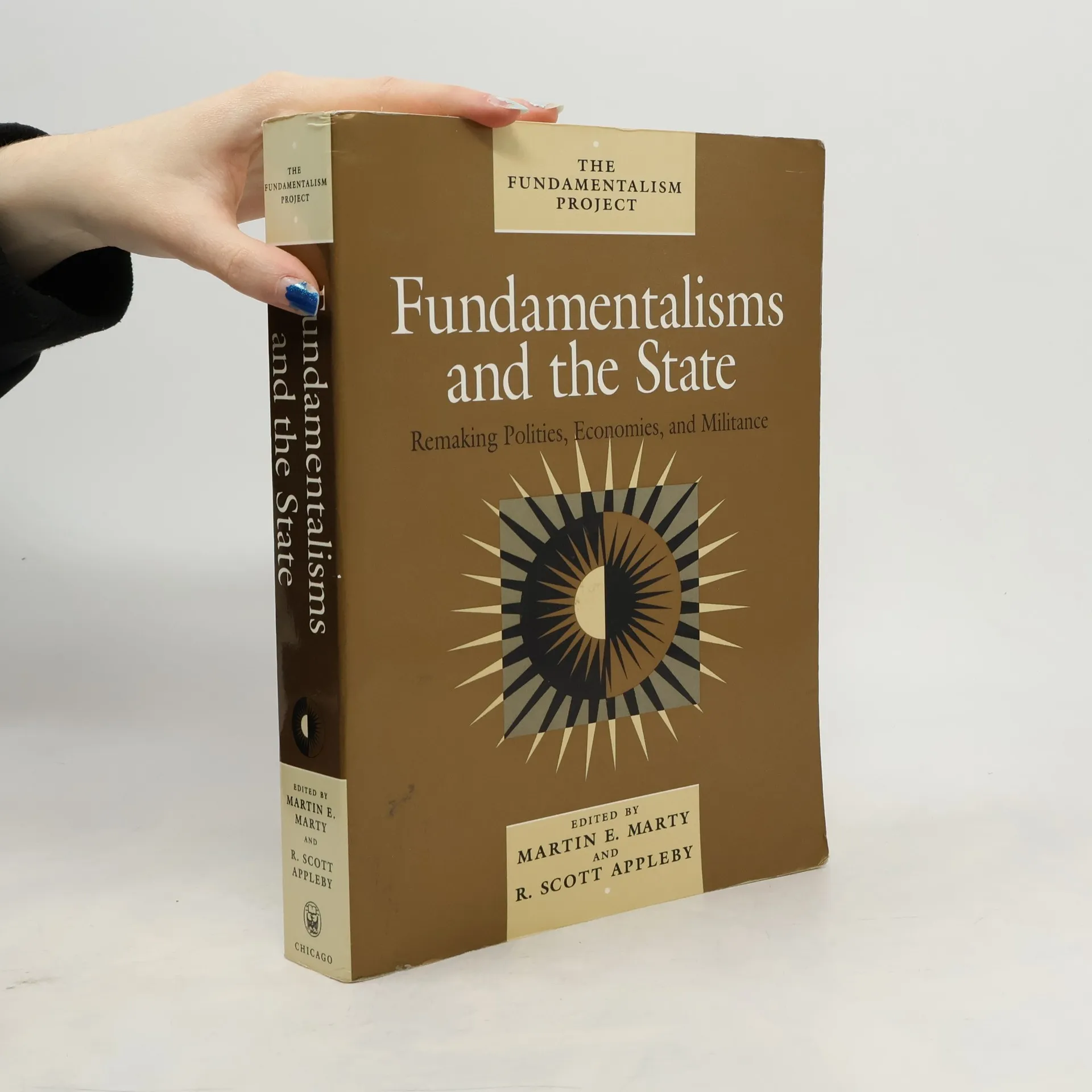
Do fundamentalisms tend toward political activism, and how successful have they been in remaking political structures? To answer this question, the contributors to this volume—political scientists, historians of religion, anthropologists, and sociologists—discuss the anti-abortion movement, Operation Rescue in the United States, the Islamic war of resistance in Afghanistan, Shi'ite jurisprudence in Iran, and other issues. The volume considers the effect that antisecular religious movements have had over the past twenty-five years on national economies, political parties, constitutional issues, and international relations on five continents and within the traditions of Islam, Christianity, Judaism, Buddhism, Hinduism, and Sikhism. Marty and Appleby conclude with a synthetic statement on the fundamentalist impact on polities, economies, and state security. The Fundamentalism Project, Volume 3 Martin E. Marty and R. Scott Appleby direct the Fundamentalism Project. Marty, the Fairfax M. Cone Distinguished Service Professor of the History of Modern Christianity at the University of Chicago, is the senior editor of the Christian Century and the author of numerous books, including the multivolume Modern American Religion, also published by the University of Chicago Press. Appleby, a research associate at the University of Chicago, is the author of “Church and Age Unite!” The Modernist Impulse in American Catholicism.
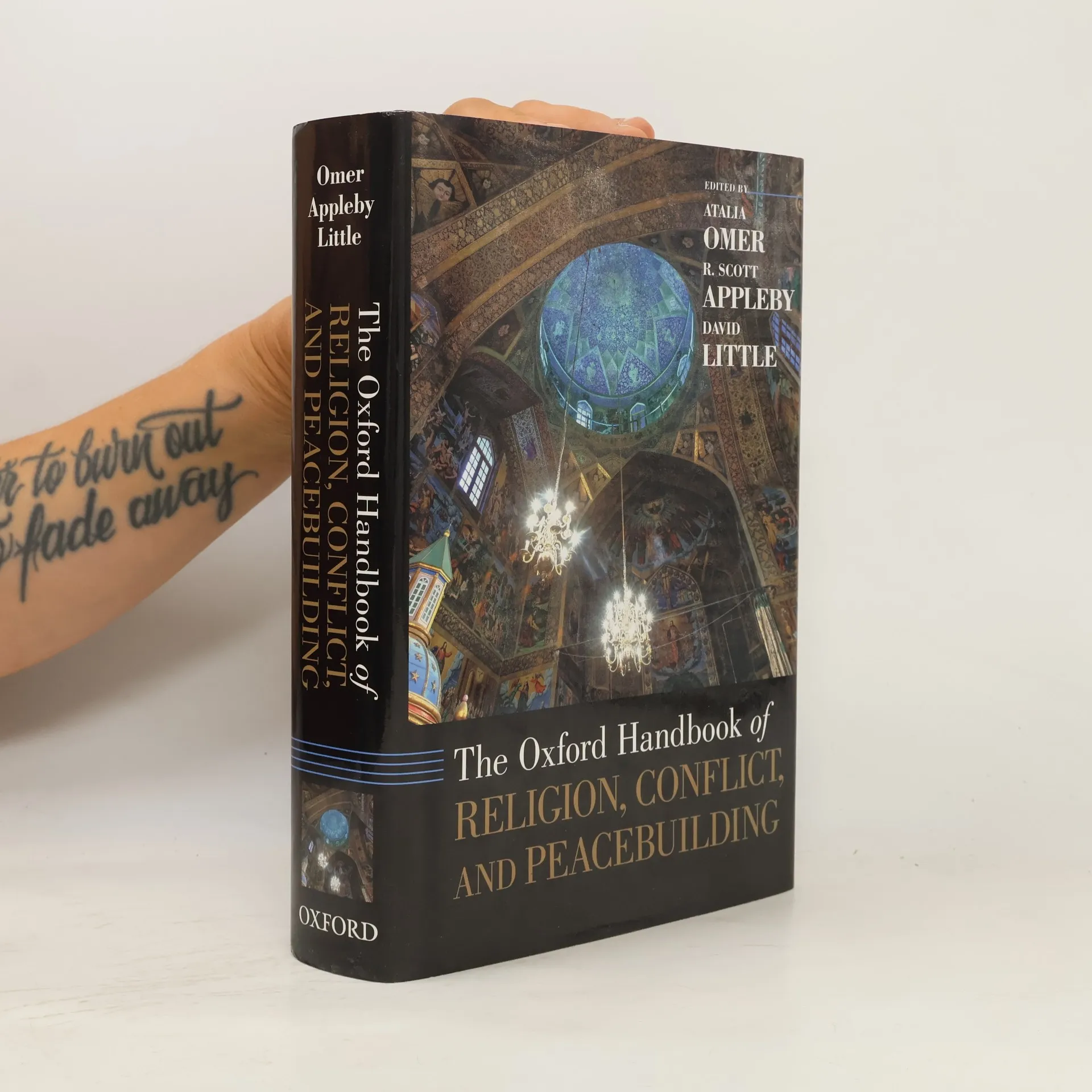
This volume offers a comprehensive interdisciplinary exploration of religion, conflict, and peacebuilding. Contributors examine the legacies of colonialism, missionary activism, secularism, orientalism, and liberalism in relation to religion, violence, and nonviolent transformation. Organized thematically into five parts, it begins with a contemporary mapping of scholarship on religion and violence, as well as religion and peace. The second part addresses the challenges of secularist theories on peace and nationalism, expanding the discussion of violence to include cultural and structural analyses. The third section delves into controversial issues like religion and development, religious militancy, and the significance of religious freedom in peacebuilding. The fourth part highlights peacebuilding within spiritual practices, focusing on constructive resources from various traditions, the transformative role of rituals, youth and interfaith activism on American campuses, and the history of missionary peacebuilding. The volume concludes by contemplating the future of peacebuilding scholarship and opportunities for growth. By bringing together diverse scholars, this innovative handbook navigates the tension between theory and practice, cultural theory, and the liberal peace paradigm, providing context-specific insights for strategic peacebuilding processes.