



Parametry
- 318 stron
- 12 godzin czytania
Więcej o książce
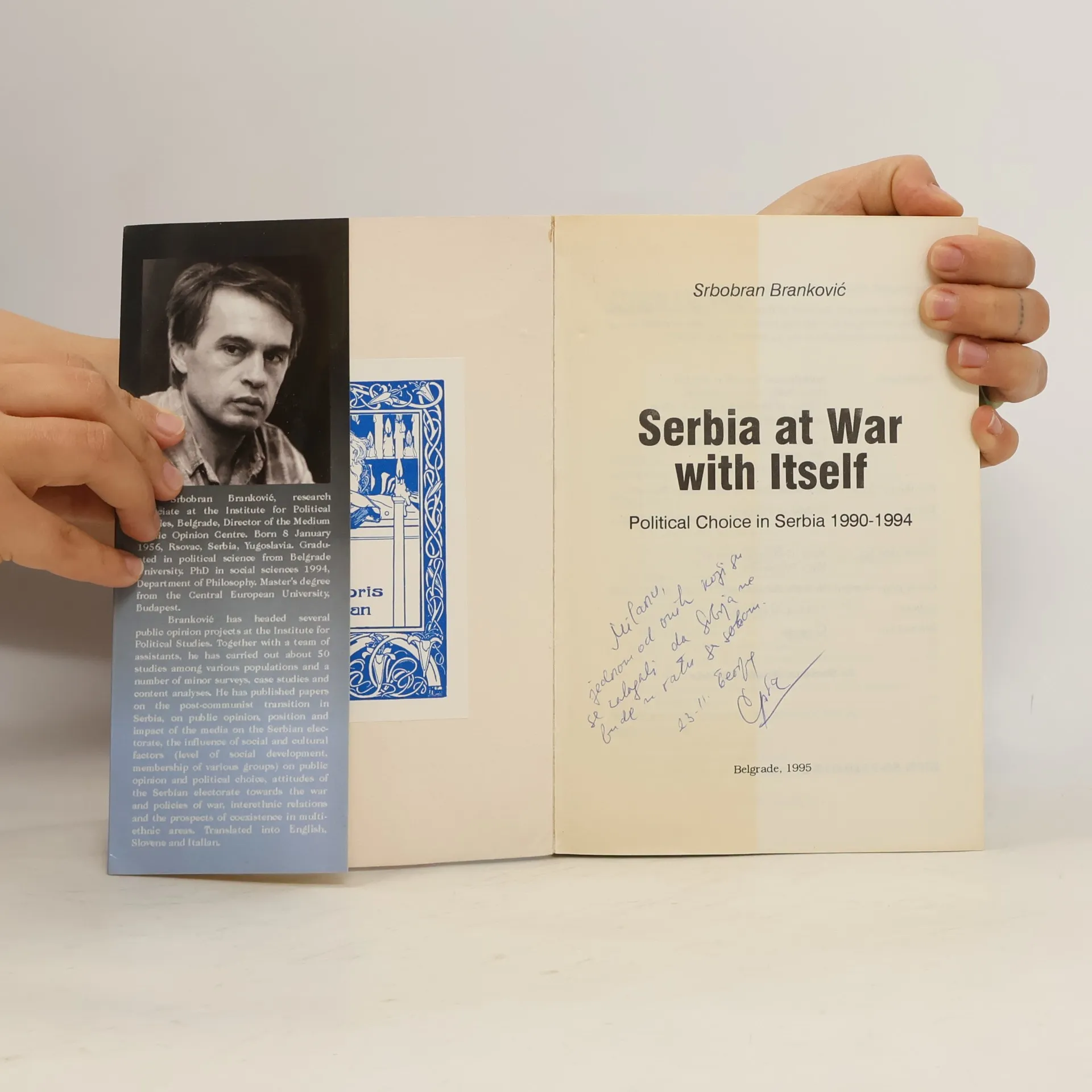
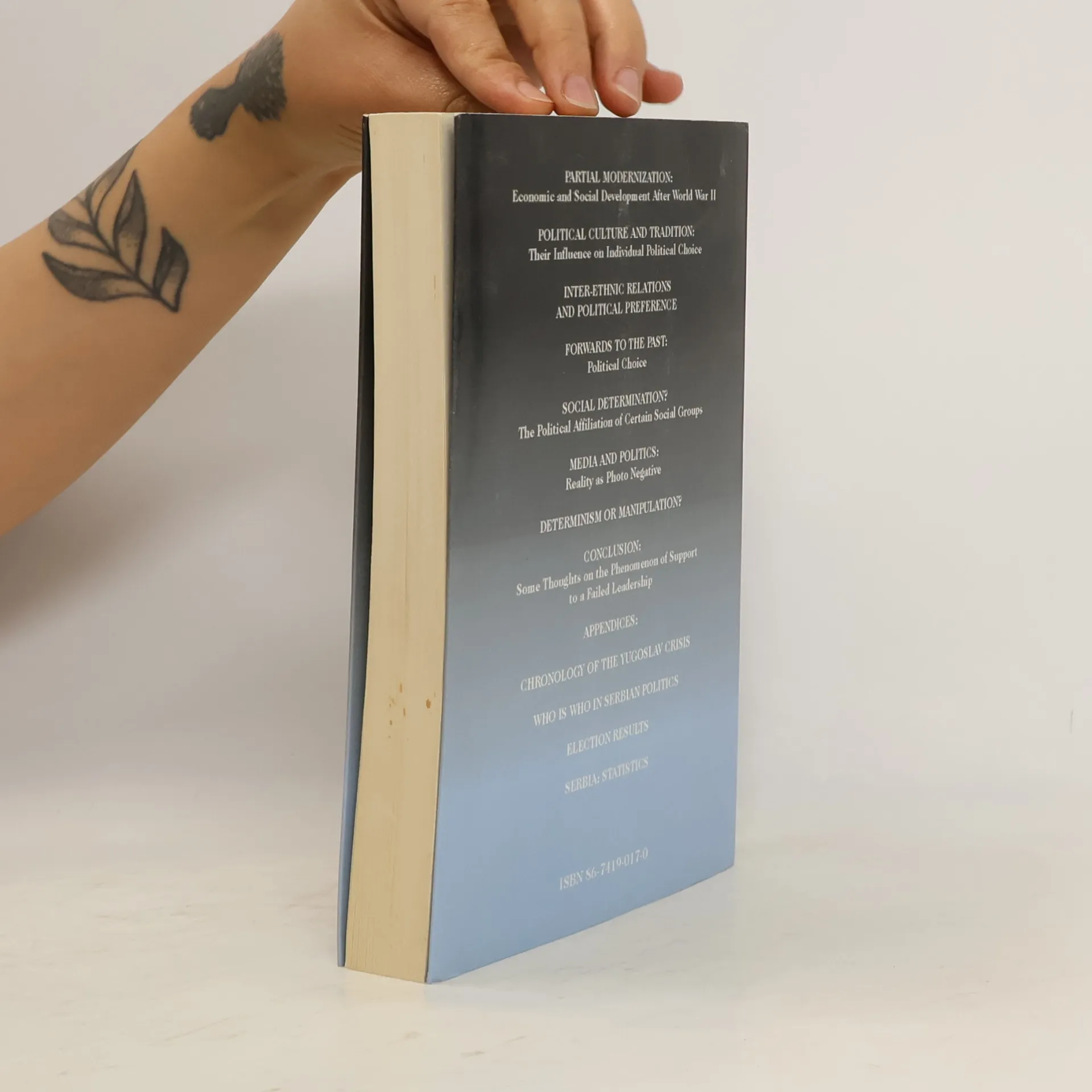
The text provides a comprehensive overview of the socio-political landscape following World War II, examining economic and social development, class awareness, and changes in social structure. It explores the influence of political culture and tradition on individual political choices, highlighting the homogeneity in the face of external threats and the revival of historical myths. Inter-ethnic relations and political preferences are analyzed, focusing on the trauma of the past and the role of nationalist elites in shaping political affiliations. The discussion progresses to political choice and the social determination of political affiliations among various groups, alongside the impact of media on politics, portraying reality in a distorted manner. It questions whether political outcomes are a result of determinism or manipulation. The conclusion reflects on the phenomenon of support for failed leadership, considering macro-social changes and their effects on social structure, as well as strategies that obscure relationships within the political field. It also examines the micro-social aspects that create a sense of no viable options for the populace. The appendices provide valuable context, including a chronology of the Yugoslav crisis, profiles of political parties and key figures in Serbian politics, and election results for both the Assembly of Serbia and the presidency, alongside relevant statistics.
Zakup książki
Serbia at war with itself, Srbobran Branković
- Język

- Rok wydania
- 1995
- Oprawa
- (miękka),
- Stan książki
- Uszkodzony
- Cena
- 94,75 zł
Metody płatności
Nikt jeszcze nie ocenił.
- Tytuł
- Serbia at war with itself
- Podtytuł
- political choice in Serbia 1990-1994
- Język
- angielski
- Autorzy
- Srbobran Branković
- Rok wydania
- 1995
- Oprawa
- miękka
- Liczba stron
- 318
- ISBN10
- 8674190170
- ISBN13
- 9788674190173
- Seria
- Tagi
- Opis
- The text provides a comprehensive overview of the socio-political landscape following World War II, examining economic and social development, class awareness, and changes in social structure. It explores the influence of political culture and tradition on individual political choices, highlighting the homogeneity in the face of external threats and the revival of historical myths. Inter-ethnic relations and political preferences are analyzed, focusing on the trauma of the past and the role of nationalist elites in shaping political affiliations. The discussion progresses to political choice and the social determination of political affiliations among various groups, alongside the impact of media on politics, portraying reality in a distorted manner. It questions whether political outcomes are a result of determinism or manipulation. The conclusion reflects on the phenomenon of support for failed leadership, considering macro-social changes and their effects on social structure, as well as strategies that obscure relationships within the political field. It also examines the micro-social aspects that create a sense of no viable options for the populace. The appendices provide valuable context, including a chronology of the Yugoslav crisis, profiles of political parties and key figures in Serbian politics, and election results for both the Assembly of Serbia and the presidency, alongside relevant statistics.