



Parametry
- 360 stron
- 13 godzin czytania
Więcej o książce
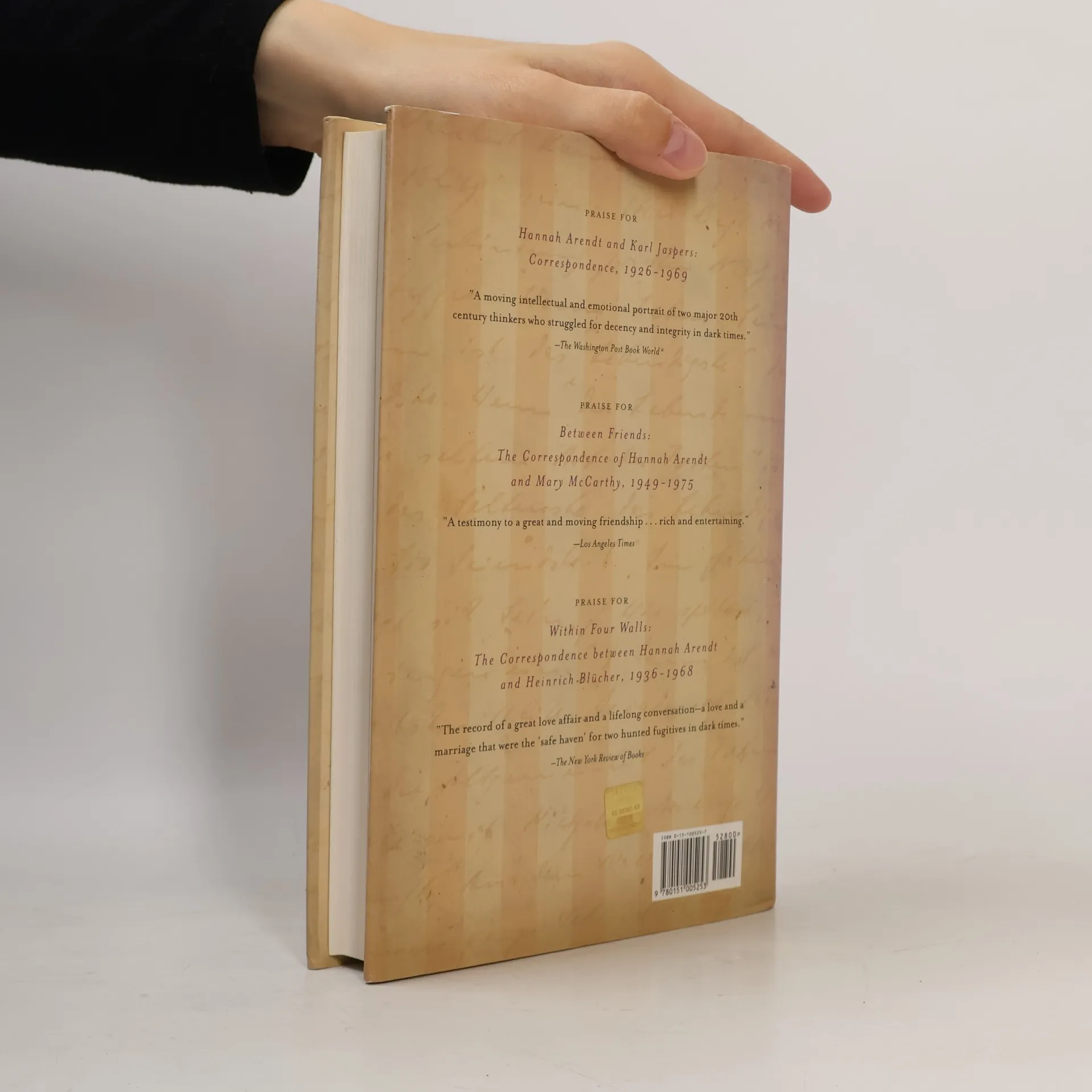
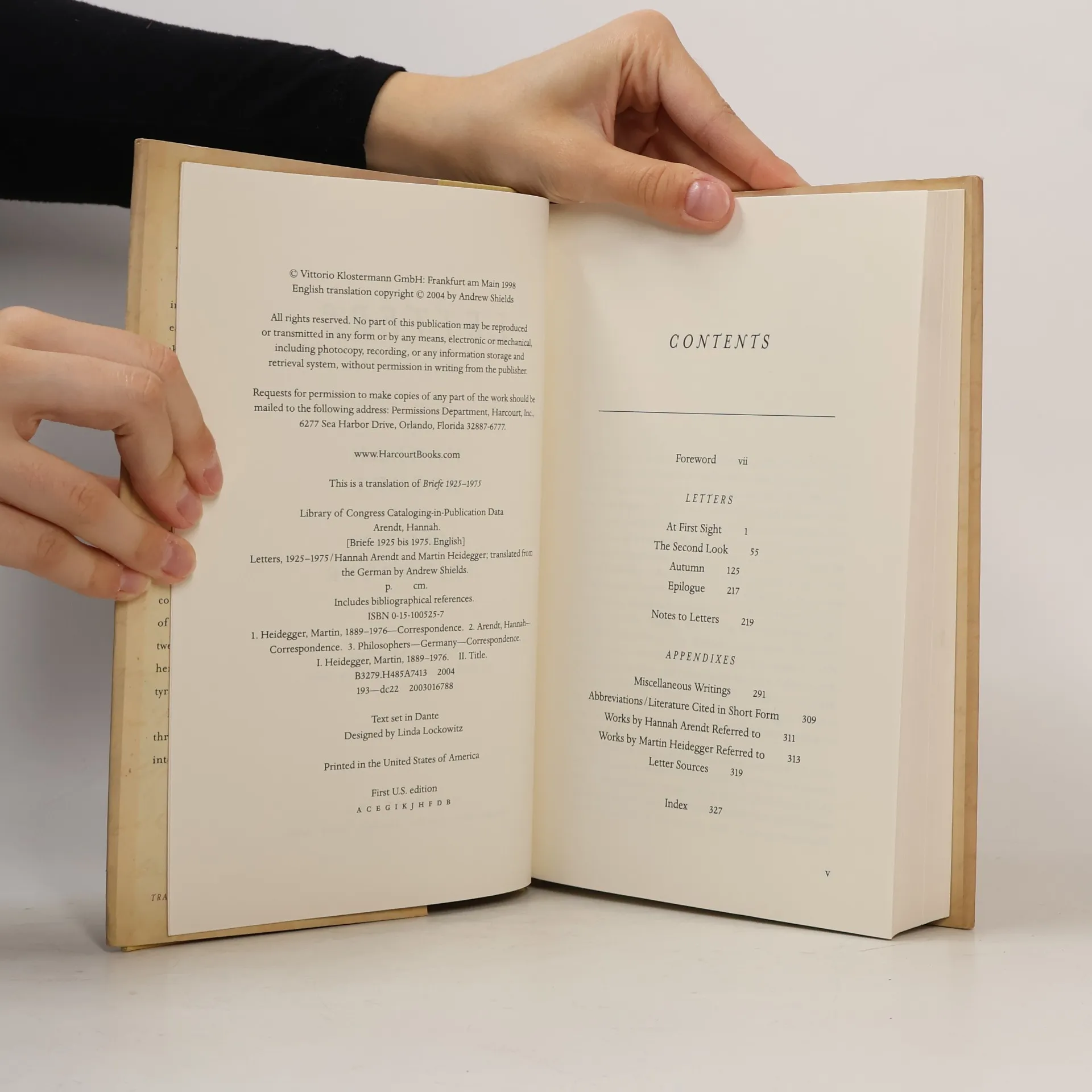
When they first met in 1925, Martin Heidegger was a star of German intellectual life and Hannah Arendt was his earnest young student. What happened between them then will never be known, but both would cherish their brief intimacy for the rest of their lives. The ravages of history would soon take them in quite different directions. After Hitler took power in Germany in 1933, Heidegger became rector of the university in Freiburg, delivering a notorious pro-Nazi address that has been the subject of considerable controversy. Arendt, a Jew, fled Germany the same year, heading first to Paris and then to New York. In the decades to come, Heidegger would be recognized as perhaps the most significant philosopher of the twentieth century, while Arendtwould establish herself as a voice of conscience in a century of tyranny and war. Illuminating, revealing, and tender throughout, this correspondence offers a glimpse into the inner lives of two major philosophers.
Zakup książki
Letters, Hannah Arendt, Martin Heidegger, Ursula Ludz
- Język

- Rok wydania
- 2004
- Oprawa
- (twarda),
- Stan książki
- Dobry
- Cena
- 430,70 zł
Metody płatności
Nikt jeszcze nie ocenił.
- Tytuł
- Letters
- Podtytuł
- 1925-1975
- Język
- angielski
- Autorzy
- Hannah Arendt, Martin Heidegger, Ursula Ludz
- Wydawca
- Harcourt
- Rok wydania
- 2004
- Oprawa
- twarda
- Liczba stron
- 360
- ISBN10
- 0151005257
- ISBN13
- 9780151005253
- Seria
- Kategorie
- Tagi
- Tematy historyczne, Tematyka psychologiczna, Tematyka filozoficzna, Polityka, Niemcy, USA, Krytyka literacka, Korespondencja, Filozofowie
- Opis
- When they first met in 1925, Martin Heidegger was a star of German intellectual life and Hannah Arendt was his earnest young student. What happened between them then will never be known, but both would cherish their brief intimacy for the rest of their lives. The ravages of history would soon take them in quite different directions. After Hitler took power in Germany in 1933, Heidegger became rector of the university in Freiburg, delivering a notorious pro-Nazi address that has been the subject of considerable controversy. Arendt, a Jew, fled Germany the same year, heading first to Paris and then to New York. In the decades to come, Heidegger would be recognized as perhaps the most significant philosopher of the twentieth century, while Arendtwould establish herself as a voice of conscience in a century of tyranny and war. Illuminating, revealing, and tender throughout, this correspondence offers a glimpse into the inner lives of two major philosophers.