


Więcej o książce
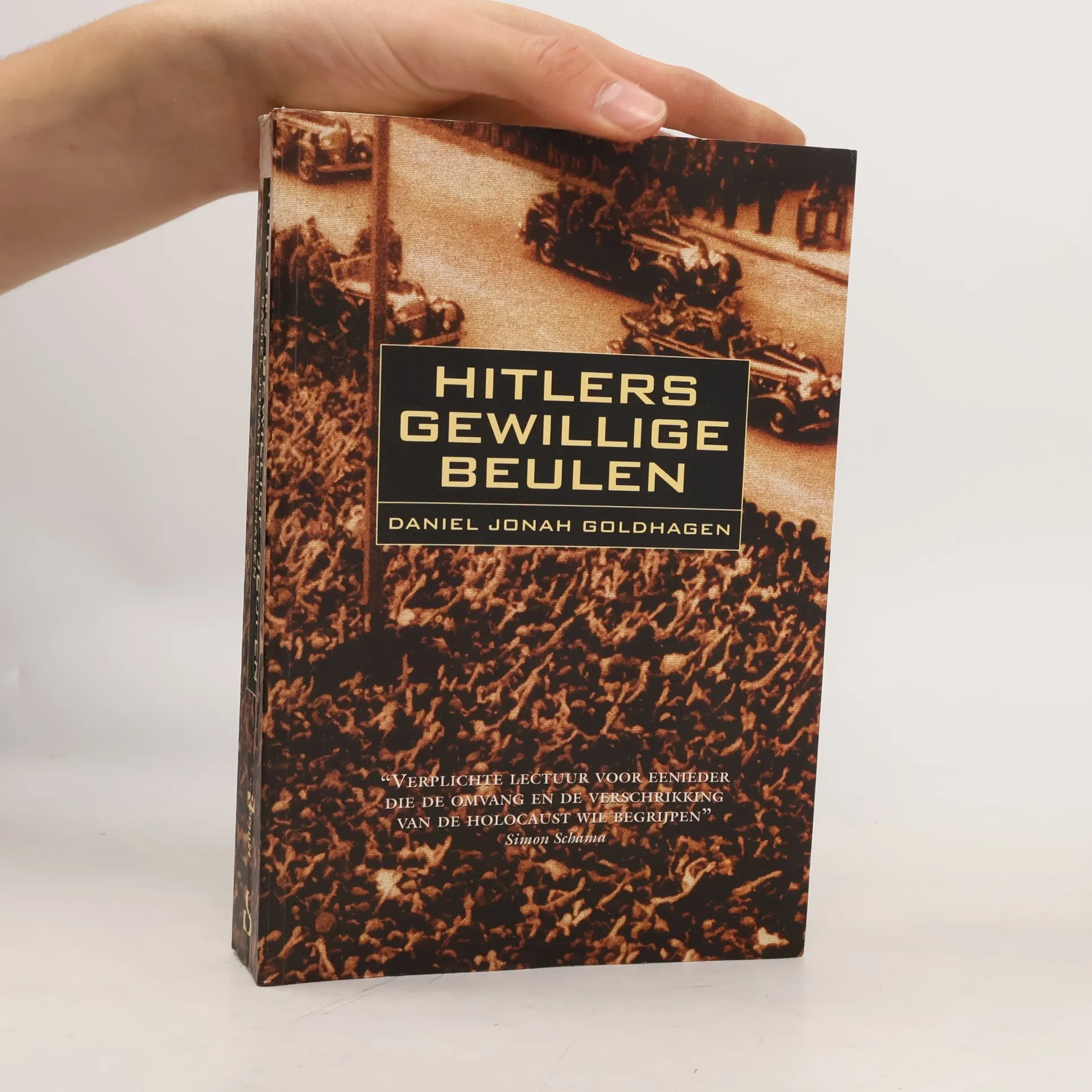
This groundbreaking international bestseller dispels myths about the Holocaust, challenging the notion that Germans were unaware of the mass extermination of Jews or that the perpetrators were solely SS men acting reluctantly. It presents compelling evidence that the extermination of European Jewry was fueled by the active participation and enthusiasm of tens of thousands of ordinary Germans. The author reconstructs the climate of "eliminationist anti-Semitism" that facilitated Hitler's genocidal ambitions and made the radical persecution of Jews in the 1930s widely accepted. Utilizing a wealth of previously unused archival materials, particularly the testimonies of the killers, the narrative delves into the killing fields where Germans hunted Jews, tortured them, and even posed for photographs with their victims. From mobile killing units to concentration camps and death marches, the work illustrates how ordinary Germans, steeped in a society that viewed Jews as irredeemable threats, followed their beliefs to horrific ends. Critics have hailed this work as a significant contribution to Holocaust literature, praising its eloquence, meticulous documentation, and moral integrity.


Zakup książki
Hitlers gewillige beulen, Daniel Jonah Goldhagen
- Język

- Rok wydania
- 1996
- Oprawa
- (miękka),
- Stan książki
- Dobry
- Cena
- 34,09 zł
Metody płatności
Brakuje nam tutaj Twojej recenzji.
- Tytuł
- Hitlers gewillige beulen
- Język
- holenderski
- Autorzy
- Daniel Jonah Goldhagen
- Wydawca
- van Reemst
- Rok wydania
- 1996
- Oprawa
- miękka
- Liczba stron
- 593
- ISBN10
- 9041090142
- ISBN13
- 9789041090140
- Seria
- Tagi
- Polityka, Prawdziwe historie, Niemcy, II Wojna Światowa, Wojny, Społeczeństwo, Żydzi, Krytyka społeczna, Nazizm, Holokaust, Historia XX wieku, Trzeci Rzesza (1933-1945), Adolf Hitler, Naziści, Zbrodnie wojenne
- Pierwsze wydanie
- 1991
- Oryginalna nazwa
- Hitler’s willing executioners
- Ocena
- 3,7 z 5
- Opis
- This groundbreaking international bestseller dispels myths about the Holocaust, challenging the notion that Germans were unaware of the mass extermination of Jews or that the perpetrators were solely SS men acting reluctantly. It presents compelling evidence that the extermination of European Jewry was fueled by the active participation and enthusiasm of tens of thousands of ordinary Germans. The author reconstructs the climate of "eliminationist anti-Semitism" that facilitated Hitler's genocidal ambitions and made the radical persecution of Jews in the 1930s widely accepted. Utilizing a wealth of previously unused archival materials, particularly the testimonies of the killers, the narrative delves into the killing fields where Germans hunted Jews, tortured them, and even posed for photographs with their victims. From mobile killing units to concentration camps and death marches, the work illustrates how ordinary Germans, steeped in a society that viewed Jews as irredeemable threats, followed their beliefs to horrific ends. Critics have hailed this work as a significant contribution to Holocaust literature, praising its eloquence, meticulous documentation, and moral integrity.