



Więcej o książce
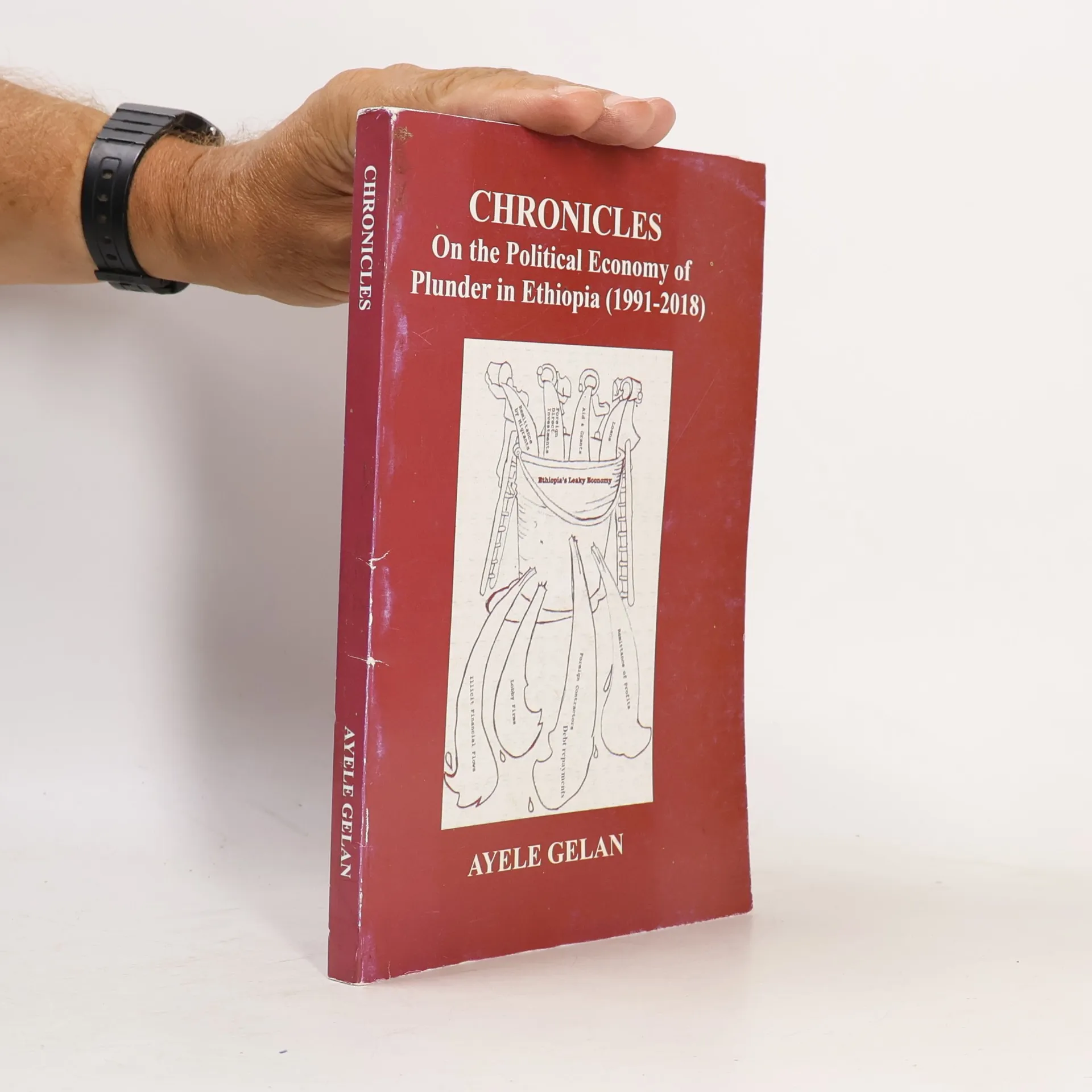
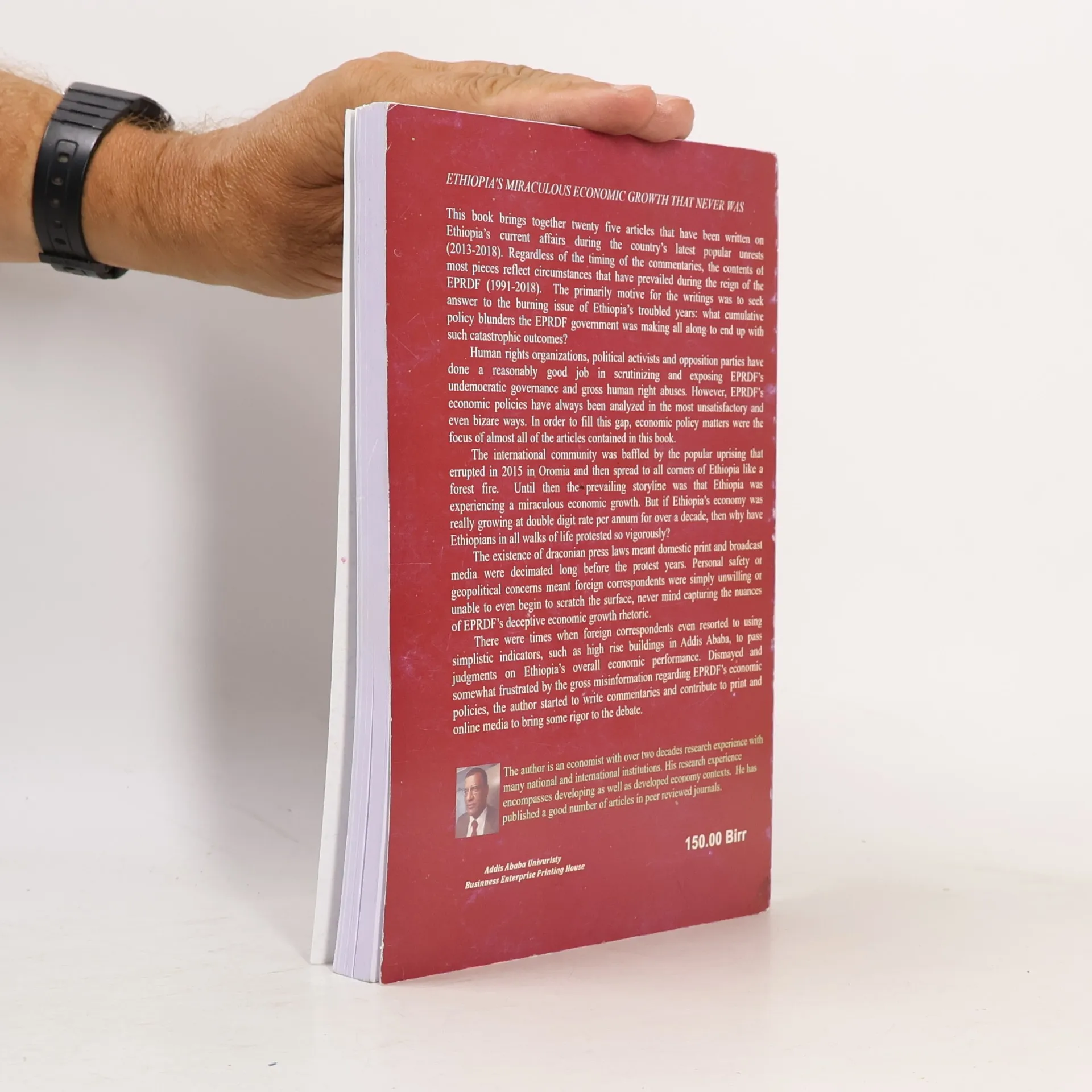
This collection features twenty-five articles addressing Ethiopia's current affairs during the popular unrest from 2013 to 2018, reflecting the circumstances under the EPRDF's rule (1991-2018). The writings aim to uncover the policy blunders that led to the country's turmoil. While human rights organizations and political activists have effectively critiqued the EPRDF's undemocratic governance and human rights abuses, the analysis of its economic policies has often been inadequate and perplexing. This book focuses on economic policy issues to fill that gap. The international community was taken aback by the 2015 uprising in Oromia, which quickly spread throughout Ethiopia, challenging the narrative of miraculous economic growth that had been touted. If the economy was indeed growing at double-digit rates for over a decade, why were so many Ethiopians protesting? The oppressive press laws had decimated domestic media, and foreign correspondents often hesitated to delve deeply into the situation, sometimes relying on superficial indicators like high-rise buildings to assess economic performance. Frustrated by the misinformation surrounding the EPRDF's economic policies, the author began contributing articles to print and online media, striving to bring more rigor to the discussion.
Zakup książki
Chronicles on the Political Economy of Plunder in Ethiopia (1991-2018), Ayele Gelan
- Język

- Rok wydania
- 2018
- Oprawa
- (miękka),
- Stan książki
- Uszkodzony
- Cena
- 35,06 zł
Metody płatności
Nikt jeszcze nie ocenił.
- Tytuł
- Chronicles on the Political Economy of Plunder in Ethiopia (1991-2018)
- Język
- angielski
- Autorzy
- Ayele Gelan
- Rok wydania
- 2018
- Oprawa
- miękka
- Liczba stron
- 250
- ISBN10
- 1727395034
- ISBN13
- 9781727395037
- Seria
- Opis
- This collection features twenty-five articles addressing Ethiopia's current affairs during the popular unrest from 2013 to 2018, reflecting the circumstances under the EPRDF's rule (1991-2018). The writings aim to uncover the policy blunders that led to the country's turmoil. While human rights organizations and political activists have effectively critiqued the EPRDF's undemocratic governance and human rights abuses, the analysis of its economic policies has often been inadequate and perplexing. This book focuses on economic policy issues to fill that gap. The international community was taken aback by the 2015 uprising in Oromia, which quickly spread throughout Ethiopia, challenging the narrative of miraculous economic growth that had been touted. If the economy was indeed growing at double-digit rates for over a decade, why were so many Ethiopians protesting? The oppressive press laws had decimated domestic media, and foreign correspondents often hesitated to delve deeply into the situation, sometimes relying on superficial indicators like high-rise buildings to assess economic performance. Frustrated by the misinformation surrounding the EPRDF's economic policies, the author began contributing articles to print and online media, striving to bring more rigor to the discussion.