


Parametry
- 878 stron
- 31 godzin czytania
Więcej o książce
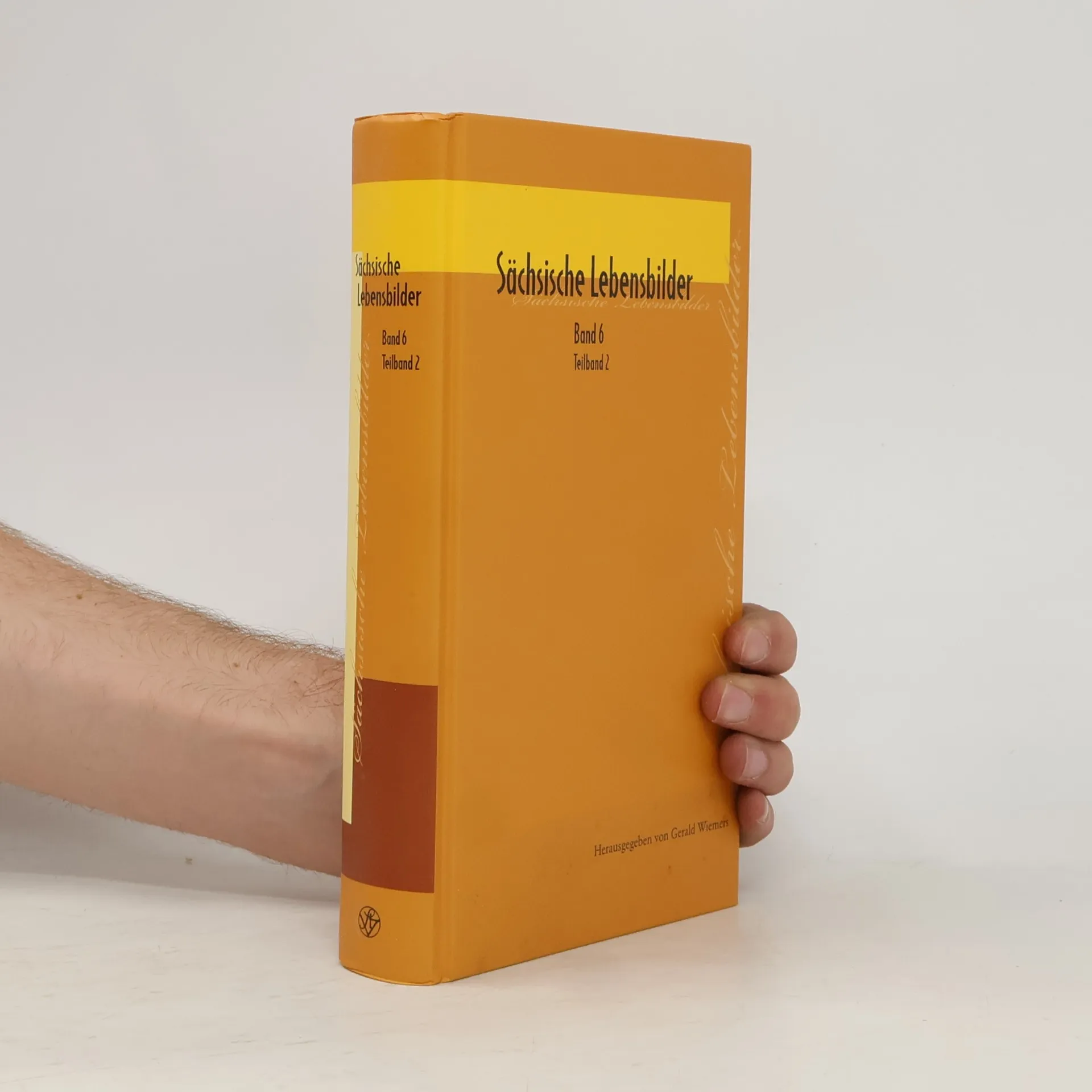
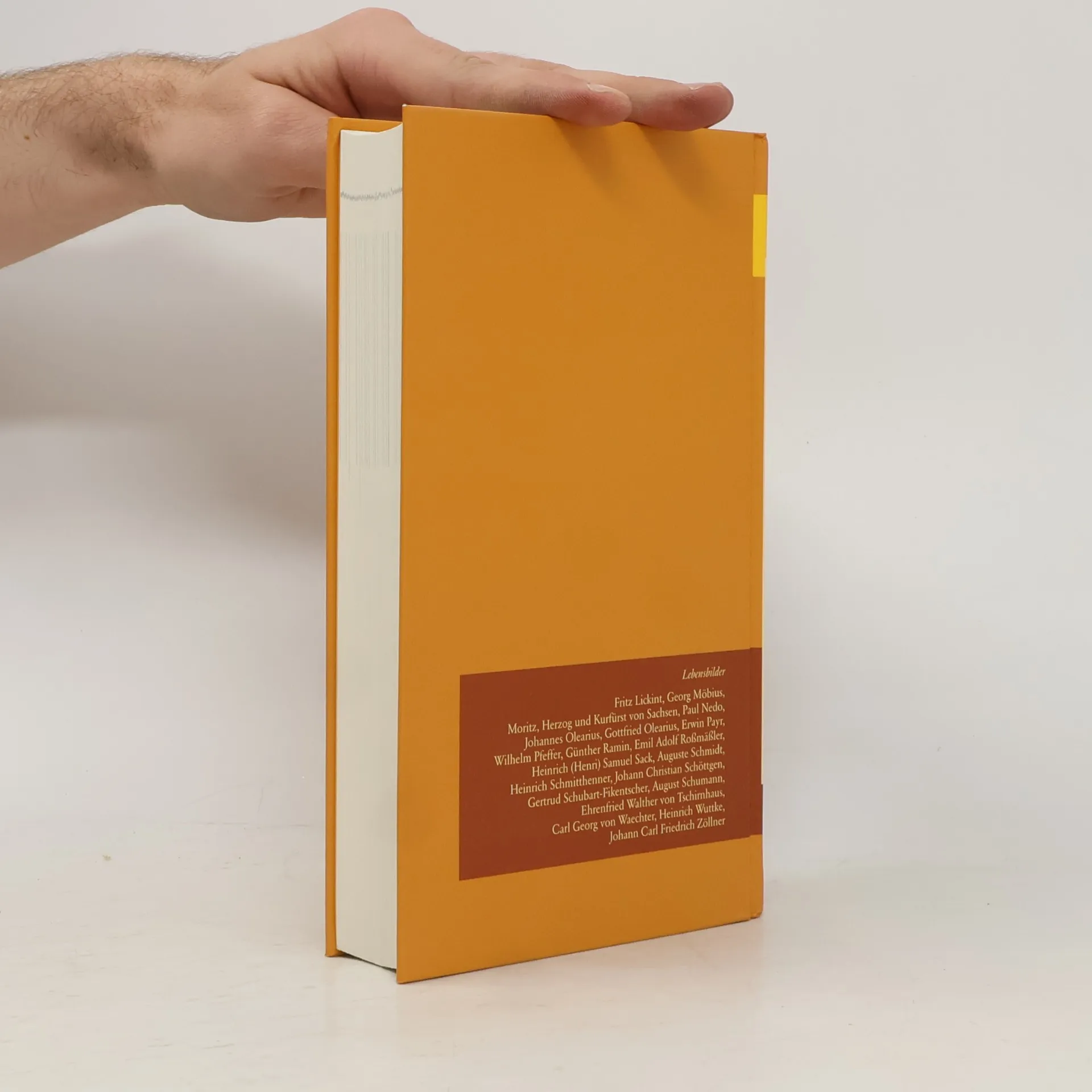
This volume commemorates the 600th anniversary of the University of Leipzig by portraying 39 influential figures associated with the institution and the surrounding regions. The individuals featured include scientists, physicians, scholars, theologians, lawyers, writers, and architects, with a primary focus on the 19th and 20th centuries, while also acknowledging the 16th, 17th, and 18th centuries. Among the notable biographies are those of Maurice of Saxony and Walther von Tschirnhaus, as well as Max Brahn, a psychologist and student of Wilhelm Wundt, whose life tragically ended in Auschwitz. The volume also recounts the story of young historian Margarete Bothe, who was shot by the Gestapo in Leipzig-Lindenthal during the war's final days in 1945. These biographies not only highlight the careers and accomplishments of these individuals but also document their significant impact on the university and the broader Saxony region.
Zakup książki
Sächsische Lebensbilder, Gerald Wiemers
- Język

- Rok wydania
- 2009
- Oprawa
- (twarda),
- Stan książki
- Uszkodzony
- Cena
- 92,99 zł
Metody płatności
Nikt jeszcze nie ocenił.
- Tytuł
- Sächsische Lebensbilder
- Język
- niemiecki
- Autorzy
- Gerald Wiemers
- Rok wydania
- 2009
- Oprawa
- twarda
- Liczba stron
- 878
- ISBN10
- 3515093834
- ISBN13
- 9783515093835
- Seria
- Tagi
- Tematy historyczne, Nauka
- Opis
- This volume commemorates the 600th anniversary of the University of Leipzig by portraying 39 influential figures associated with the institution and the surrounding regions. The individuals featured include scientists, physicians, scholars, theologians, lawyers, writers, and architects, with a primary focus on the 19th and 20th centuries, while also acknowledging the 16th, 17th, and 18th centuries. Among the notable biographies are those of Maurice of Saxony and Walther von Tschirnhaus, as well as Max Brahn, a psychologist and student of Wilhelm Wundt, whose life tragically ended in Auschwitz. The volume also recounts the story of young historian Margarete Bothe, who was shot by the Gestapo in Leipzig-Lindenthal during the war's final days in 1945. These biographies not only highlight the careers and accomplishments of these individuals but also document their significant impact on the university and the broader Saxony region.