




Parametry
- 352 strony
- 13 godzin czytania
Więcej o książce
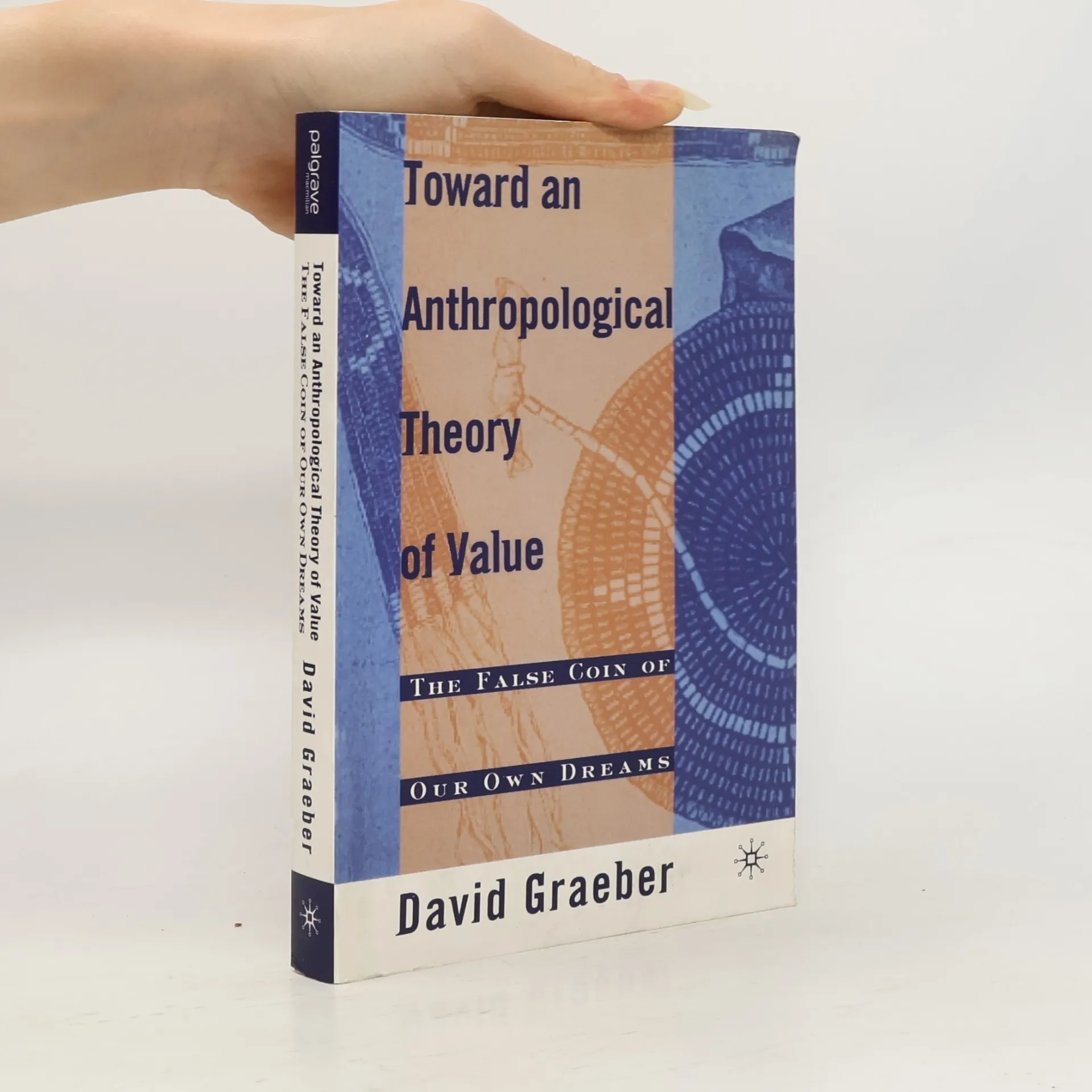
Now a widely cited classic, this innovative book is the first comprehensive synthesis of economic, political, and cultural theories of value. David Graeber reexamines a century of anthropological thought about value and exchange, in large measure to find a way out of ongoing quandaries in current social theory, which have become critical at the present moment of ideological collapse in the face of Neoliberalism. Rooted in an engaged, dynamic realism, Graeber argues that projects of cultural comparison are in a sense necessarily revolutionary He attempts to synthesize the best insights of Karl Marx and Marcel Mauss, arguing that these figures represent two extreme, but ultimately complementary, possibilities in the shape such a project might take. Graeber breathes new life into the classic anthropological texts on exchange, value, and economy. He rethinks the cases of Iroquois wampum, Pacific kula exchanges, and the Kwakiutl potlatch within the flow of world historical processes, and recasts value as a model of human meaning-making, which far exceeds rationalist/reductive economist paradigms.

Zakup książki
Toward an Anthropological Theory of Value, David Graeber
- Język

- Rok wydania
- 2001
- Oprawa
- (miękka)
Metody płatności
Brakuje nam tutaj Twojej recenzji.
- Tytuł
- Toward an Anthropological Theory of Value
- Podtytuł
- The False Coin of Our Own Dreams
- Język
- angielski
- Autorzy
- David Graeber
- Wydawca
- Palgrave Macmillan
- Rok wydania
- 2001
- Oprawa
- miękka
- Liczba stron
- 352
- ISBN10
- 0312240457
- ISBN13
- 9780312240455
- Seria
- Kategorie
- Ocena
- 5 z 5
- Opis
- Now a widely cited classic, this innovative book is the first comprehensive synthesis of economic, political, and cultural theories of value. David Graeber reexamines a century of anthropological thought about value and exchange, in large measure to find a way out of ongoing quandaries in current social theory, which have become critical at the present moment of ideological collapse in the face of Neoliberalism. Rooted in an engaged, dynamic realism, Graeber argues that projects of cultural comparison are in a sense necessarily revolutionary He attempts to synthesize the best insights of Karl Marx and Marcel Mauss, arguing that these figures represent two extreme, but ultimately complementary, possibilities in the shape such a project might take. Graeber breathes new life into the classic anthropological texts on exchange, value, and economy. He rethinks the cases of Iroquois wampum, Pacific kula exchanges, and the Kwakiutl potlatch within the flow of world historical processes, and recasts value as a model of human meaning-making, which far exceeds rationalist/reductive economist paradigms.