

Wyprzedane, ale poszukiwane!
Czy masz to w bibliotece?Zarób między 2,49 zł a 4,60 zł sprzedając tę książkę.
Sprzedać książkiFrom the Closed World to the Infinite Universe (Hideyo Noguchi Lecture)
Autorzy
Ocena książki
Więcej o książce
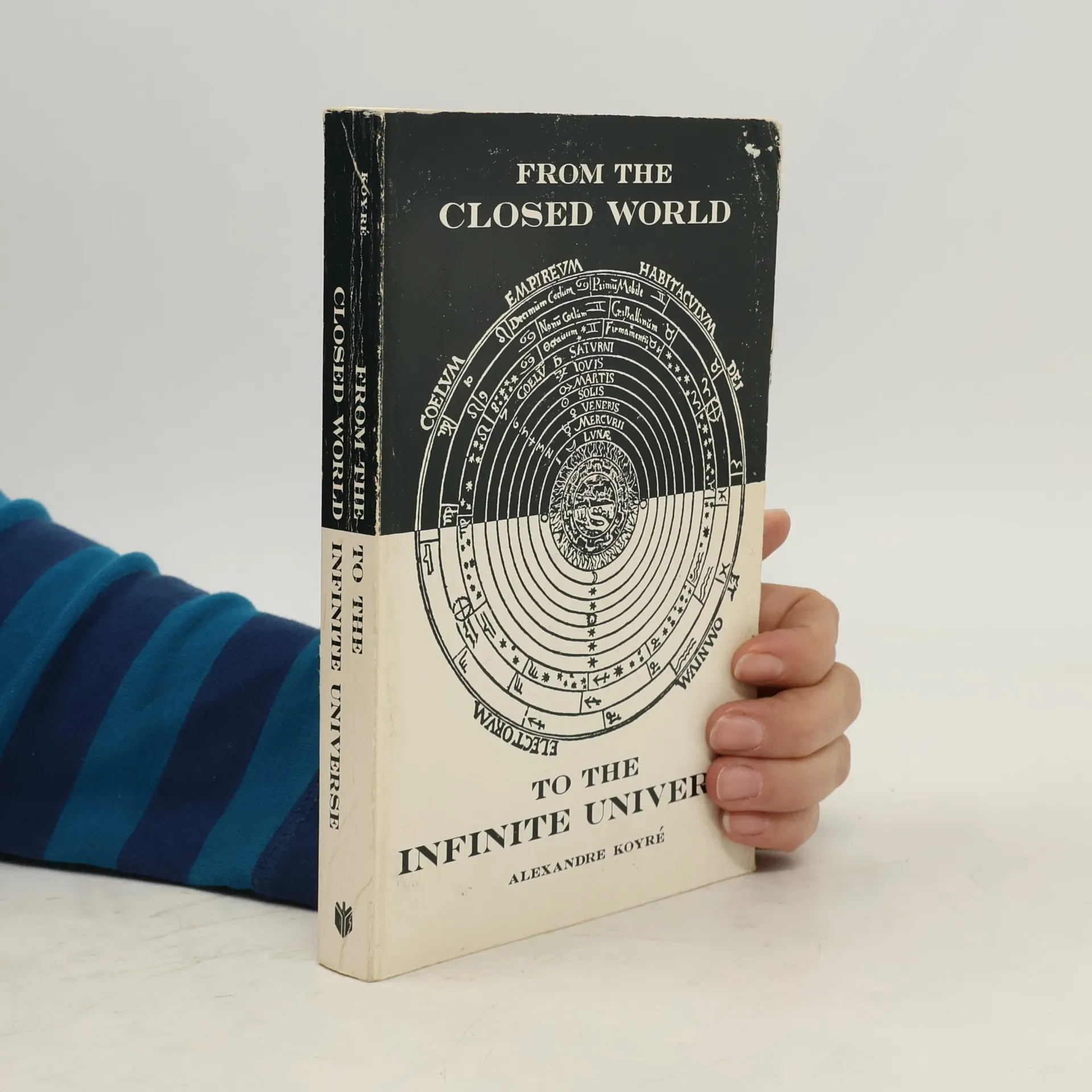
During the sixteenth and seventeenth centuries a radical change occurred in the patterns and the framework of European thought. In the wake of discoveries through the telescope and Copernican theory, the notion of an ordered cosmos of "fixed stars" gave way to that of a universe infinite in both time and space—with significant and far-reaching consequences for human thought. Alexandre Koyré interprets this revolution in terms of the change that occurred in our conception of the universe and our place in it and shows the primacy of this change in the development of the modern world.


Zakup książki
From the Closed World to the Infinite Universe (Hideyo Noguchi Lecture), Alexandre Koyré
- Język

- Rok wydania
- 1987
- Oprawa
- (miękka)
Jak tylko się pojawi, wyślemy Ci wiadomość e-mail.
Metody płatności
3,7
Bardzo dobra
6 Ocena
Brakuje nam tutaj Twojej recenzji.
- Tytuł
- From the Closed World to the Infinite Universe (Hideyo Noguchi Lecture)
- Język
- angielski
- Autorzy
- Alexandre Koyré
- Rok wydania
- 1987
- Oprawa
- miękka
- Liczba stron
- 328
- ISBN10
- 0801803470
- ISBN13
- 9780801803475
- Seria
- Kategorie
- Tagi
- Tematy historyczne, Nauki przyrodnicze, Tematyka filozoficzna, Nauka, Teorie naukowe, Historia nauki
- Pierwsze wydanie
- 1957
- Oryginalna nazwa
- From the Closed World to the Infinite Universe
- Ocena
- 3,65 z 5
- Opis
- During the sixteenth and seventeenth centuries a radical change occurred in the patterns and the framework of European thought. In the wake of discoveries through the telescope and Copernican theory, the notion of an ordered cosmos of "fixed stars" gave way to that of a universe infinite in both time and space—with significant and far-reaching consequences for human thought. Alexandre Koyré interprets this revolution in terms of the change that occurred in our conception of the universe and our place in it and shows the primacy of this change in the development of the modern world.