

Więcej o książce
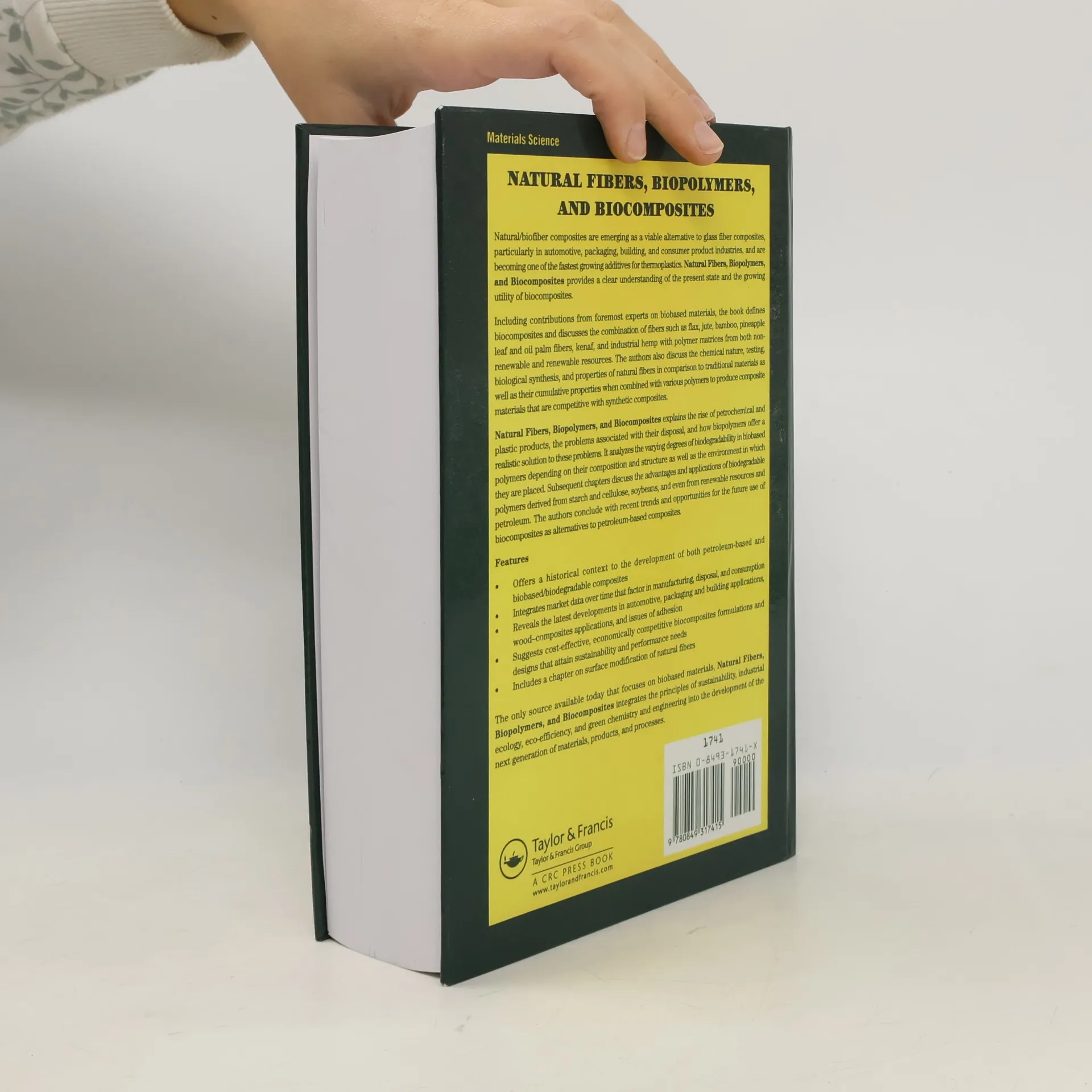
Natural/Biofiber composites are becoming a significant alternative to glass fiber composites in industries such as automotive, packaging, building, and consumer products. This book offers a comprehensive overview of biocomposites, featuring contributions from experts in biobased materials. It defines biocomposites and explores the integration of various natural fibers—including flax, jute, bamboo, and hemp—with polymer matrices from renewable and non-renewable sources. The text delves into the chemical properties, testing, biological synthesis, and characteristics of natural fibers compared to traditional materials, highlighting their combined properties when used with different polymers to create competitive composites. The book addresses the rise of petrochemical products and their disposal challenges, presenting biopolymers as a viable solution. It examines the biodegradability of biobased polymers based on their composition and environmental conditions. Subsequent chapters cover the benefits and applications of biodegradable polymers derived from starch, cellulose, and renewable resources. The authors conclude with insights on recent trends and future opportunities for biocomposites as alternatives to petroleum-based options. This unique resource integrates sustainability, industrial ecology, eco-efficiency, and green chemistry principles into the development of next-generation materials and processes.
Zakup książki
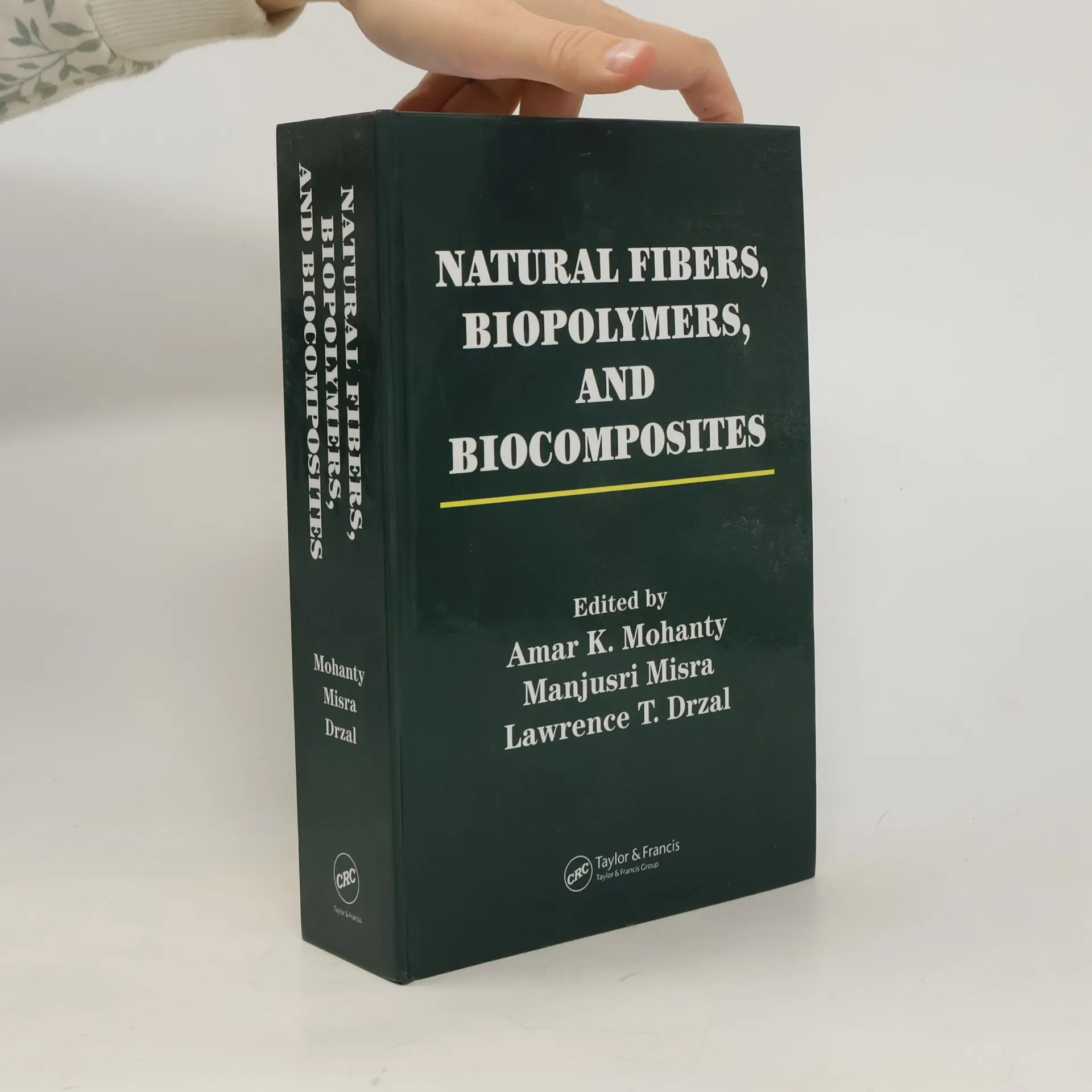
Natural Fibers, Biopolymers, and Biocomposites, Amar K. Mohanty, Manjusri Misra, Lawrence T. Drzal
- Język

- Rok wydania
- 2005
- Oprawa
- (twarda),
- Stan książki
- Bardzo dobry
- Cena
- 891,79 zł
Metody płatności
Nikt jeszcze nie ocenił.
- Tytuł
- Natural Fibers, Biopolymers, and Biocomposites
- Język
- angielski
- Wydawca
- CRC Press
- Rok wydania
- 2005
- Oprawa
- twarda
- Liczba stron
- 875
- ISBN10
- 084931741X
- ISBN13
- 9780849317415
- Seria
- Tagi
- Nauka, Technologia, Prace zebrane
- Opis
- Natural/Biofiber composites are becoming a significant alternative to glass fiber composites in industries such as automotive, packaging, building, and consumer products. This book offers a comprehensive overview of biocomposites, featuring contributions from experts in biobased materials. It defines biocomposites and explores the integration of various natural fibers—including flax, jute, bamboo, and hemp—with polymer matrices from renewable and non-renewable sources. The text delves into the chemical properties, testing, biological synthesis, and characteristics of natural fibers compared to traditional materials, highlighting their combined properties when used with different polymers to create competitive composites. The book addresses the rise of petrochemical products and their disposal challenges, presenting biopolymers as a viable solution. It examines the biodegradability of biobased polymers based on their composition and environmental conditions. Subsequent chapters cover the benefits and applications of biodegradable polymers derived from starch, cellulose, and renewable resources. The authors conclude with insights on recent trends and future opportunities for biocomposites as alternatives to petroleum-based options. This unique resource integrates sustainability, industrial ecology, eco-efficiency, and green chemistry principles into the development of next-generation materials and processes.