


Parametry
- 368 stron
- 13 godzin czytania
Więcej o książce
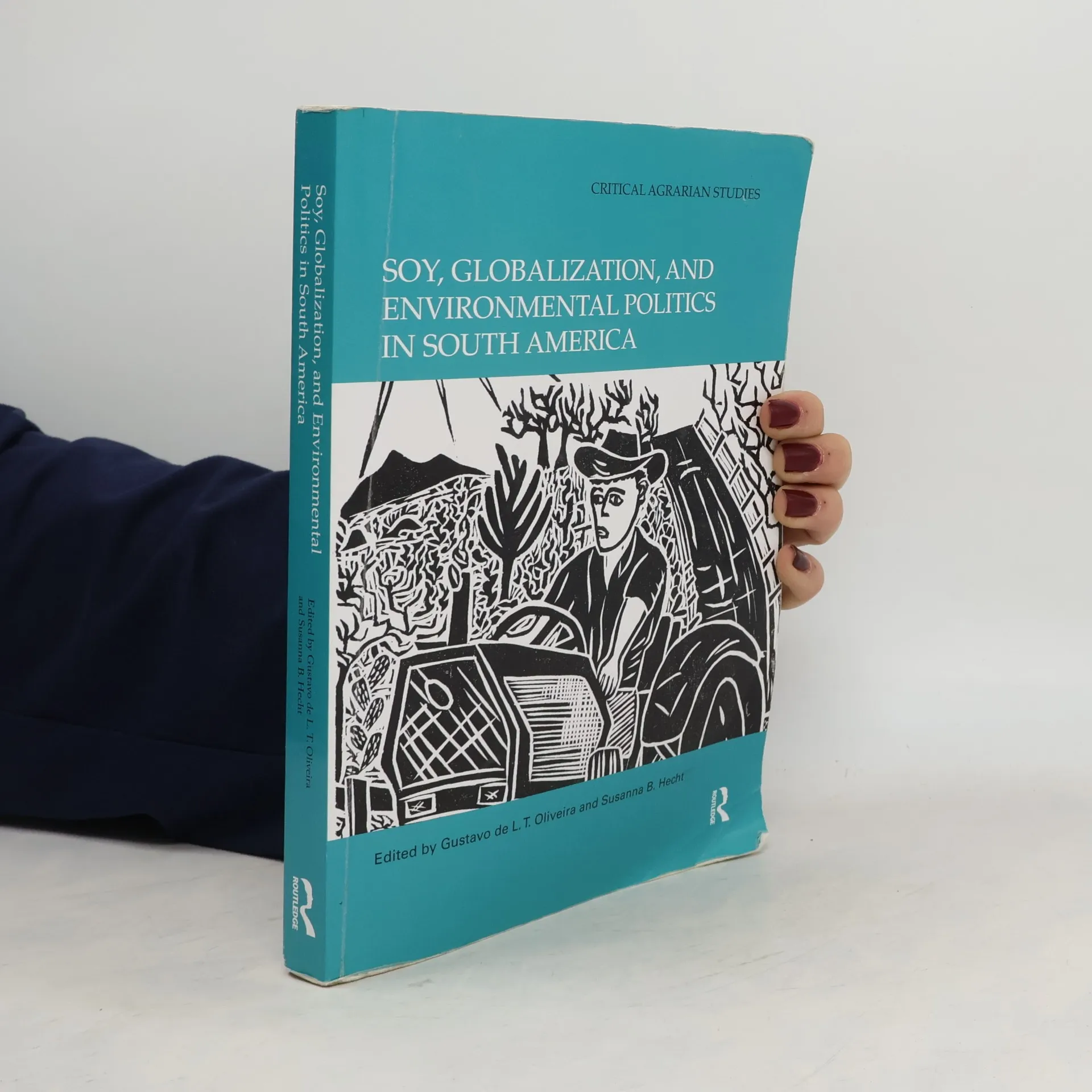
Soy in South America constitutes one of the most spectacular booms of agro-industrial commodity production in the world. It is the pinnacle of modernist agro-industrial practices, serving as a key nexus in food-feed-fuel production that underpins the agribusiness-conservationist discourse of "land sparing" through intensification. Yet soy production is implicated in multiple problems beyond deforestation, ranging from pesticide drift and contamination to social exclusion and conflicts in frontier zones, to concentration of wealth and income among the largest landowners and corporations. This book explores in depth the complex dynamics of soy production from its diverse social settings to its transnational connections, examining the politics of commodity and knowledge production, the role of the state, and the reach of corporate power in everyday life across soy landscapes in South America. Ultimately, the collection encourages us to search and struggle for agroecological alternatives through which we may overcome the pitfalls of this massive transnational capitalist agro-industry. This book was originally published as a special issue of <i>The Journal of Peasant Studies.</i>
Zakup książki
Soy, Globalization, and Environmental Politics in South America, Gustavo de L.T. Oliveira, Susanna B. Hecht
- Język

- Rok wydania
- 2019
- Oprawa
- (miękka)
Metody płatności
Nikt jeszcze nie ocenił.
- Tytuł
- Soy, Globalization, and Environmental Politics in South America
- Język
- angielski
- Wydawca
- Routledge
- Rok wydania
- 2019
- Oprawa
- miękka
- Liczba stron
- 368
- ISBN10
- 0367891298
- ISBN13
- 9780367891299
- Seria
- Tagi
- Opis
- Soy in South America constitutes one of the most spectacular booms of agro-industrial commodity production in the world. It is the pinnacle of modernist agro-industrial practices, serving as a key nexus in food-feed-fuel production that underpins the agribusiness-conservationist discourse of "land sparing" through intensification. Yet soy production is implicated in multiple problems beyond deforestation, ranging from pesticide drift and contamination to social exclusion and conflicts in frontier zones, to concentration of wealth and income among the largest landowners and corporations. This book explores in depth the complex dynamics of soy production from its diverse social settings to its transnational connections, examining the politics of commodity and knowledge production, the role of the state, and the reach of corporate power in everyday life across soy landscapes in South America. Ultimately, the collection encourages us to search and struggle for agroecological alternatives through which we may overcome the pitfalls of this massive transnational capitalist agro-industry. This book was originally published as a special issue of <i>The Journal of Peasant Studies.</i>