
Bookbot

Adolf Hitler

Seria biograficzna poświęcona Adolfowi Hitlerowi odkrywa życie jednego z najbardziej kontrowersyjnych przywódców w historii. Autor bada nie tylko jego polityczny wzrost i metody, które doprowadziły go do dyktatury, ale także skomplikowaną psychologię, która kryje się za publiczną fasadą. Zgłębia tajemnice jego prywatnego życia oraz charyzmę, która przyciągała tłumy, ukazując złożoność tej postaci.

Hitler: Volume II
Hitler

Polecana kolejność czytania

  1. Hitler

    • 1024 strony
    • 36 godzin czytania

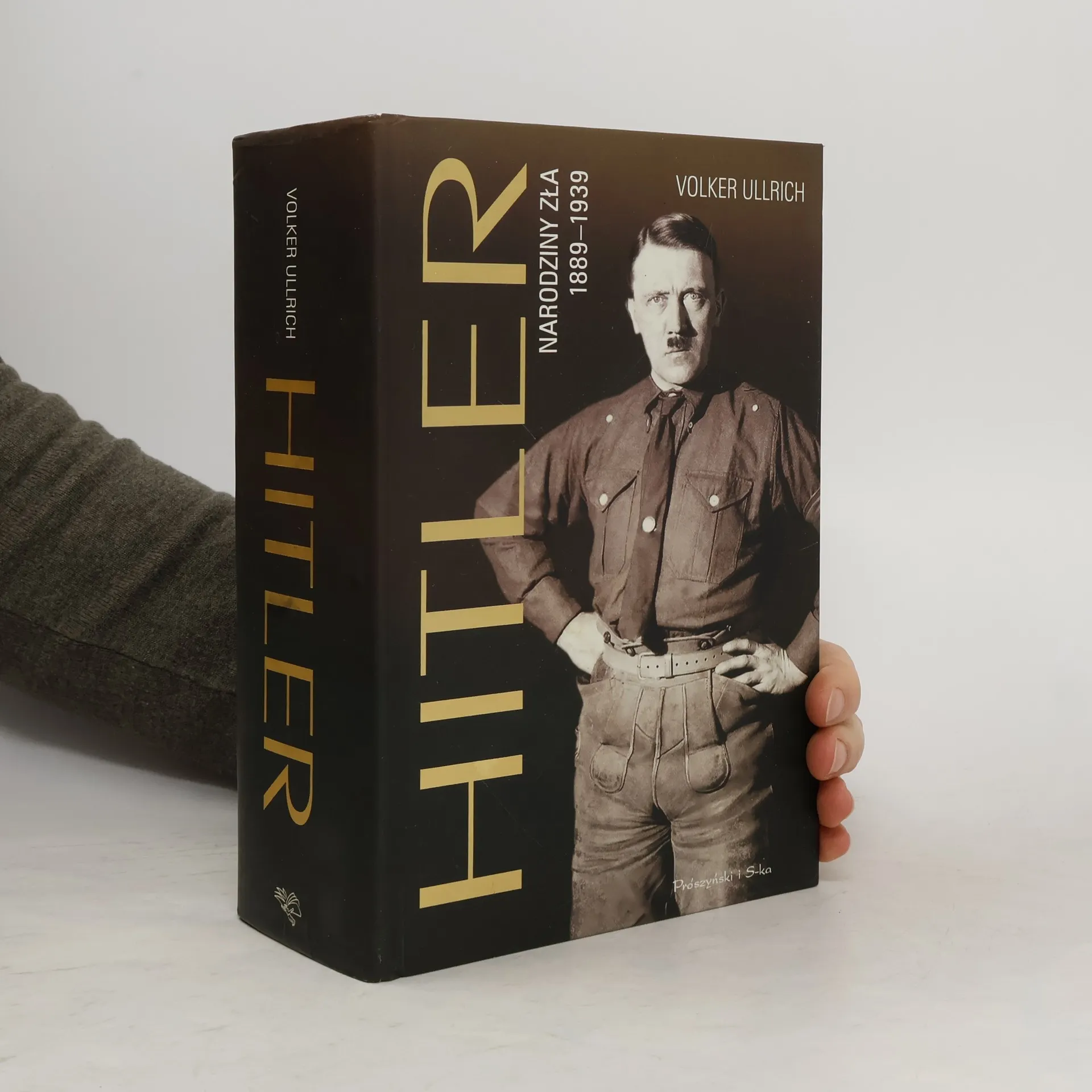
    Czwarta – po dziełach Alana Bullocka (1952), Joachima Festa (1973) i Iana Kershawa (1998) – wielka biografia Hitlera. Uznana w Niemczech za najważniejszą biografię Hitlera dla następnych pokoleń, książka Volkera Ullricha to pierwsze monumentalne studium osobowości, która leżała u podstaw aspiracji politycznych i zbrodniczych działań przywódcy III Rzeszy. To właśnie Ullrich, jako pierwszy spośród historyków mierzących się z biografiami Führera, postawił tezę, że nigdy nie uda nam się zrozumieć fenomenu Hitlera, jeśli odmówimy mu ludzkich cech, skupiając się jedynie na wizerunku potwora. Obalając mity i unikając pułapek, w które niejednokrotnie wpadali poprzednicy, Volker Ullrich tworzy zupełnie nowy, odkrywczy portret Adolfa Hitlera.

    Hitler1
    4,5
  2. Hitler: Volume II

    • 912 stron
    • 32 godziny czytania

    In the summer of 1939, Hitler was at the height of his power, having consolidated Nazi authority and restored Germany as a major Continental force. He aimed to provide the German people with living space and resources while exterminating those he viewed as obstacles, particularly the Bolsheviks and Jews. Despite early victories, such as the swift defeat of Poland and successful Blitzkrieg tactics in the west, the war ultimately led to Hitler's downfall. The invasion of the Soviet Union in June 1941 and the U.S. entry into the war marked a turning point, revealing that victory was unattainable. Volker Ullrich delves into Hitler's complex personality, crucial for understanding the war's trajectory and the Holocaust's development. As Germany's military commander, Hitler was deeply involved in strategy, revealing key traits: he was a reckless gambler, insecure and quick to blame others for his failures. When defeat became inevitable, he sought to punish the German people for not delivering victory. In September 1939, he vowed to wear a simple military tunic until the war's end, but on April 30, 1945, as Soviet forces approached his bunker, he committed suicide; Germany surrendered a week later. Hitler's destructive ambitions not only devastated Germany but also resulted in the deaths of millions across Europe.

    Hitler: Volume II2
    4,6