

Bookbot

Klasyka w Antroposofii

Zanurz się w głębię filozofii antroposoficznej, odkrywając duchowy wymiar ludzkiego istnienia i kosmosu. W każdym tomie znajdują się starannie dobrane teksty, które oświetlają kluczowe koncepcje wprowadzone przez Rudolfa Steinera i jego zwolenników. Oczekuj wnikliwych esejów oraz eksploracji sztuki, nauki, edukacji i duchowej ewolucji, które stanowią niezbędne źródło wiedzy dla poszukujących zrozumienia antroposoficznych zasad.

The spiritual guidance of the individual and humanity
Anthroposophy
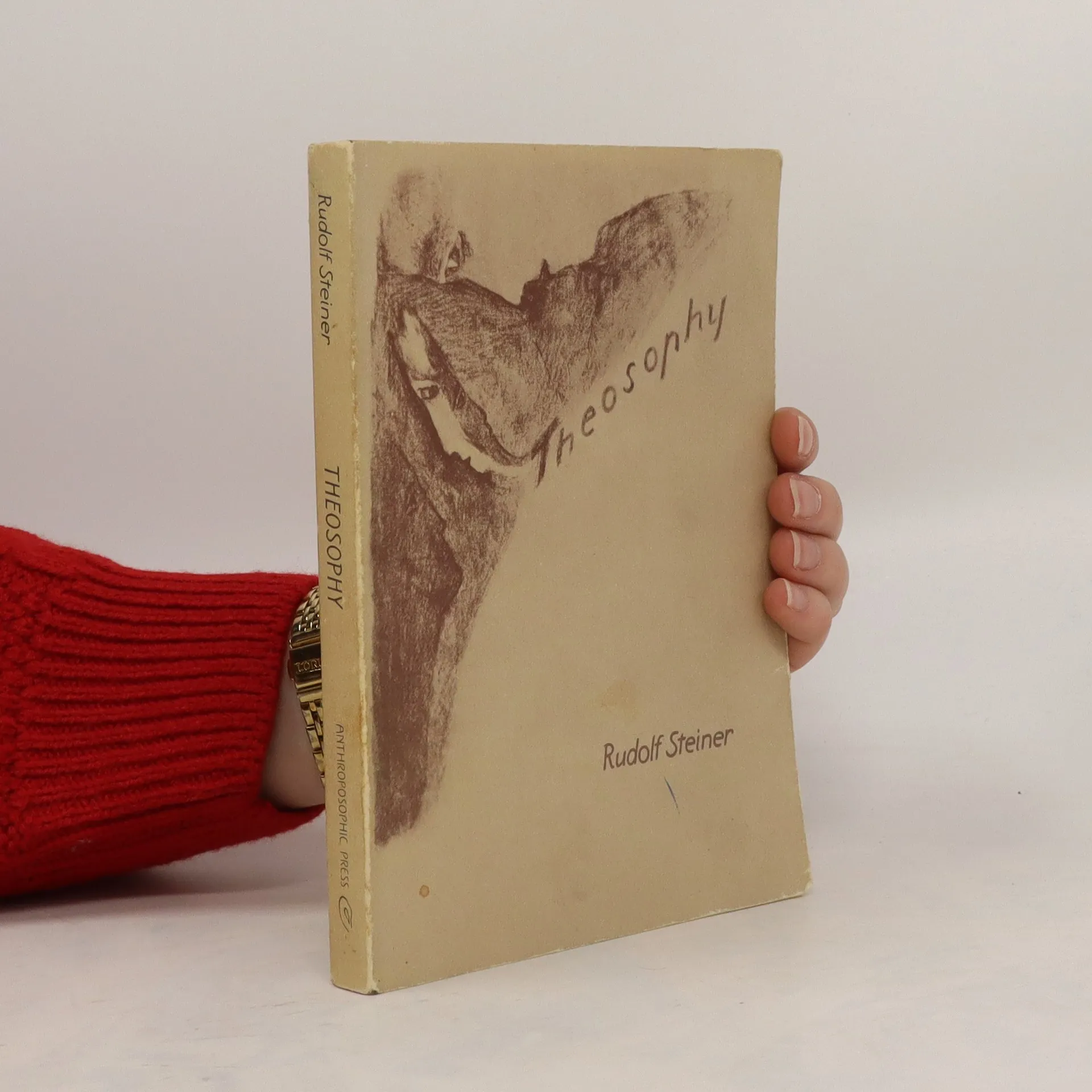
Theosophy
Intuitive thinking as a spiritual path
Jak uzyskać poznanie wyższych światów?
  • Rudolf Steiner (1865-1925) - austriacki filozof, krytyk literacki, teozof, twórca antropozofii. Wedle Steinera człowiek staje się w pełni sobą jedynie dzięki wtajemniczeniu, dzięki poznaniu tego co z pozoru niepoznawalne, dzięki poznaniu wyższych światów. Przy czym, jak możemy przeczytać w przedmowie do niniejszej książki Rudolf Steiner nie tylko posiadał maximum świadomości ludzkiej, ale zdobył także stałą nadświadomość, tj. taki stan jaźni, przed którą od jego lat chłopięcych otwierał się konkretny świat duchowy, nie w pojęciach czy wyobrażeniach, jak to ma miejsce w umyśle człowieka choćby nawet genialnego czasów naszych, ale w bezpośrednich postrzeżeniach wyższego rzędu, nadzmysłowych, duchowo-psychicznych, które stanowią kryterium niezawodne rzeczywistości ogarniającego nas duchowego pierwiastka wszechświata. Pod tym względem stanowi on nowy wyższy typ człowieka przyszłości. W Jak uzyskać poznanie wyższych światów? Rudolf Steiner wskazuje jak każdy zwykły (z pozoru, bo przecież każdy jest w jakiś sposób unikatowy) człowiek może poprzez pracę nad sobą i przykładne życie osiągnąć właśnie ten ideał poznania. Ważna jest otwartość na wiedzę tajemną, a nie zamykanie się w scjentystycznej bańce. Dzięki tej otwartości łatwo można wejść na drogę oświecenia - pisze Steiner.

    Jak uzyskać poznanie wyższych światów?
    4,3
  • Many consider this to be an unanswerable question, a futile exercise in speculation for philosophers. Yet all human beings must concern themselves to some degree with this question-if only to have a reason to go on living. In this book Rudolf Steiner not only reports from his unique research real, factual answers for life's "ultimate questions," but leads the reader far beyond such initial reflections. Steiner investigates the supersensible or spiritual regions of the world with a rigorously scientific approach. Instructions in the beginning steps of this approach are given here, as well as clear depictions of the supersensible nature of the human being; the workings of destiny (karma), reincarnation, and life after death; and the several divisions in the spiritual world. Through this, the basic concept and terms of Steiner's anthroposophy are introduced Unlike usual books, this one requires the reader's active inner participation to be complete. "This book cannot be-read in the customary manner of the present day. In certain respects every page, and even many sentences, will have to be worked out by the reader... its truths must be experienced, lived." Book jacket.

    Theosophy
    4,1
  • This fragmentary work, discovered among Rudolf Steiner's unpublished writings, is a significant exploration of "Anthroposophy." It marks the initial steps toward a genuine psychology of spirit, employing a phenomenological approach to human senses, life processes, I-experience, human form, and connections to higher spiritual realms. Steiner faced challenges articulating these concepts in 1910, as many relevant terms in neurology, psychology, and cognitive studies were not yet established. Since then, advancements in understanding human senses and cognition have enriched this translation. Anthroposophy occupies a unique space between anthropology and theosophy. Anthropology examines humans through physical senses and empirical methods, while theosophy acknowledges the spiritual essence of humanity through inner experience. Anthroposophy seeks a balance, studying humans as observable entities while exploring the spiritual underpinnings of phenomena through "phenomenological intensification." This approach yields crucial insights, laying the groundwork for a cognitive psychology. The text includes an introduction by neurologist Dr. James Dyson, a foreword by Robert Sardello, and a translator's preface by Detlef Hardorp. Although challenging, this work is vital for comprehending Steiner's perspective on the human body, particularly its formation and function in relation to the spirit.

    Anthroposophy
    3,8