

Bookbot

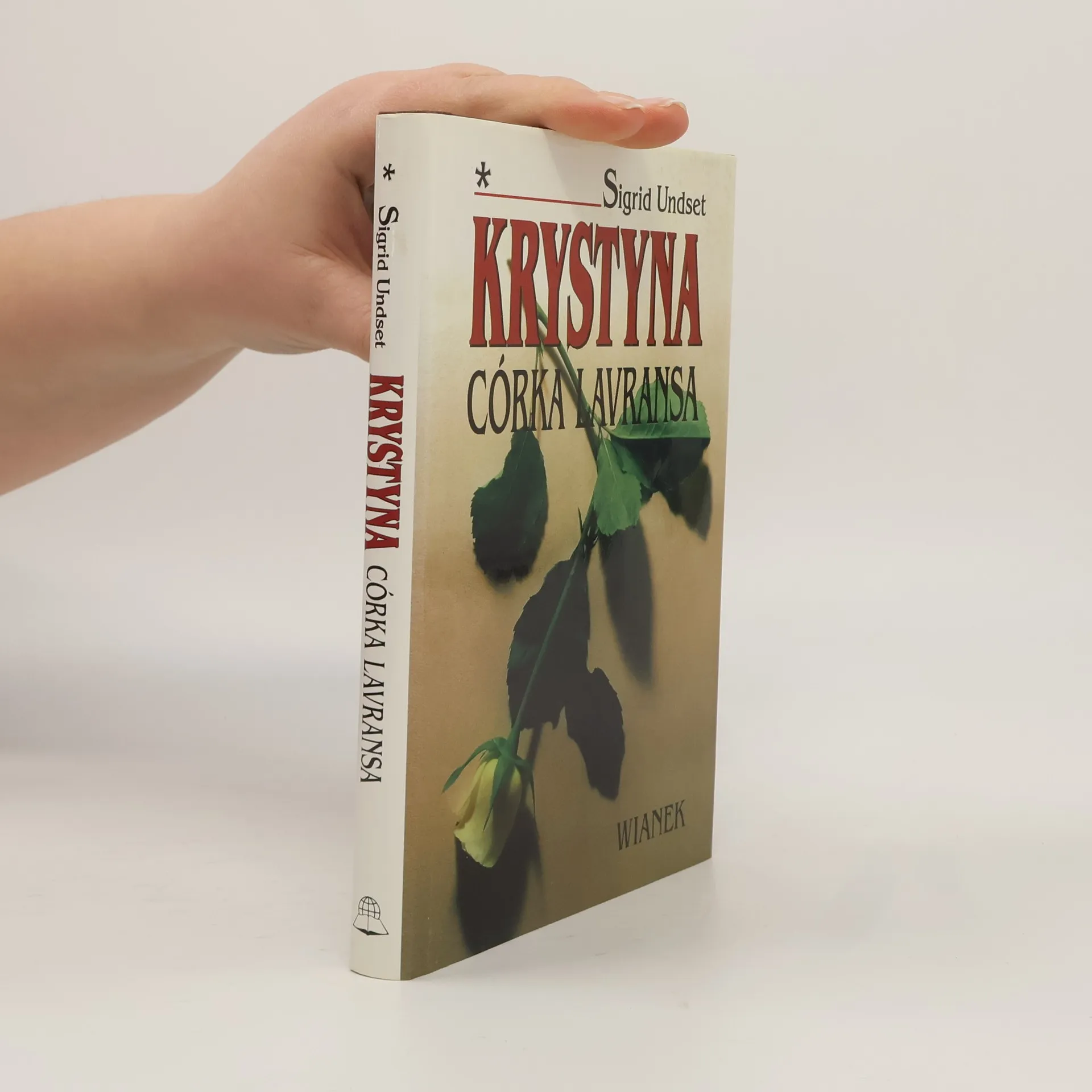
Krystyna z Lavransów

Krystyna, córka Lavransa, staje w obliczu miłości, wierności i duchowych zmagań w średniowiecznej Norwegii. Jej życie to pasjonująca opowieść o wyborach, które kształtują losy rodziny i społeczności. W tle rozgrywają się burzliwe wydarzenia historyczne, a autorka z mistrzostwem ukazuje złożoność relacji międzyludzkich oraz wieczne dylematy dotyczące miłości i wiary.

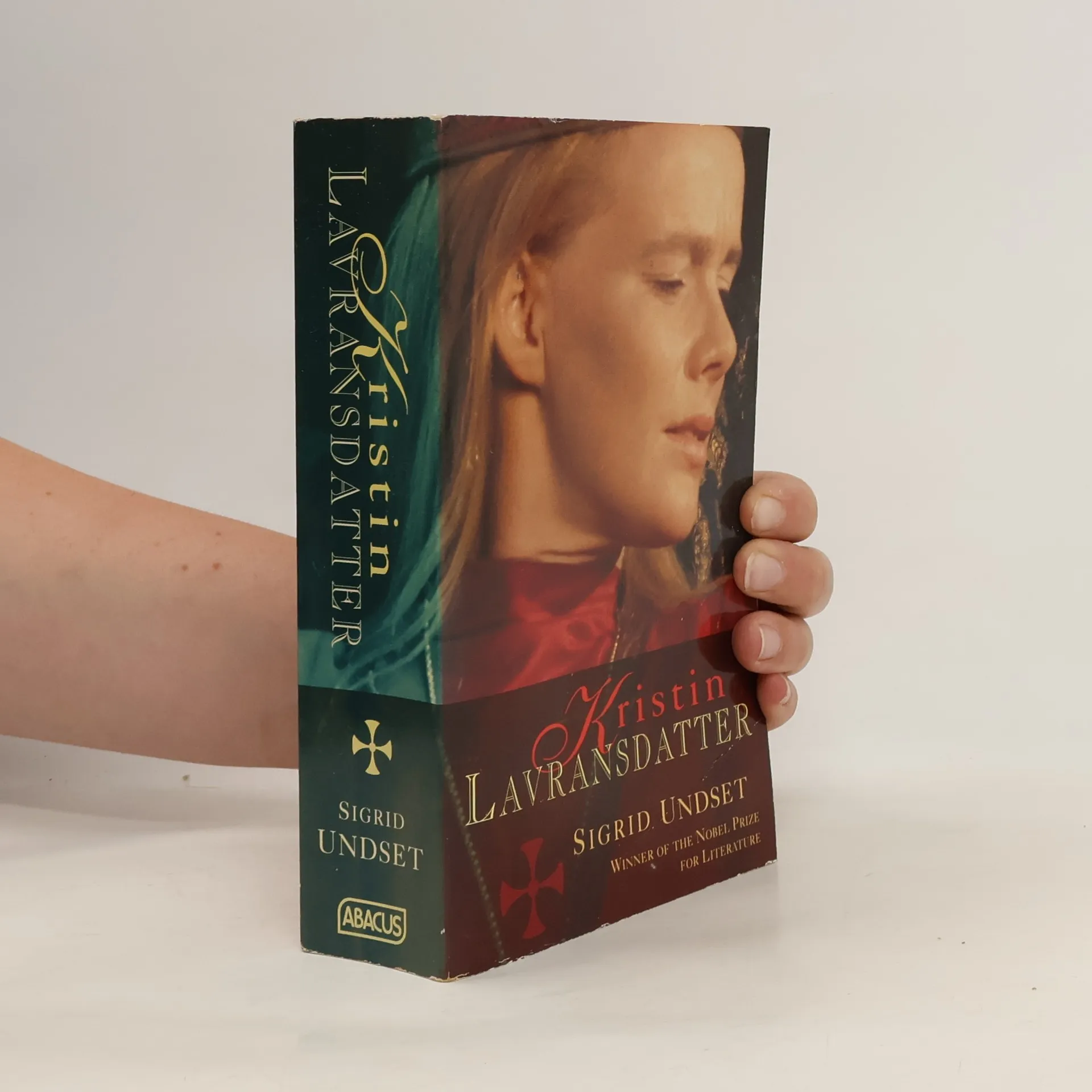
Kristin Labransdatter
The Cross
The Mistress of Husaby
Wianek

Polecana kolejność czytania

  1. Wianek

    • 255 stron
    • 9 godzin czytania

    Na tle surowego, sugestywnie odmalowanego pejzaży XIV-wiecznej Norwegii rozgrywa się namiętny romans siedemnastoletniej złotowłosej Krystyny, córki właściciela dworu Jorund w dolinie Gudbrand, i lekkomyślnego Erlenda, którego wbrew woli ojca dziewczyna ostatecznie poślubia.

    Wianek1
    4,3
  2. The Mistress of Husaby

    • 379 stron
    • 14 godzin czytania

    "The Mistress of Husaby, tells of Kristin's troubled and eventful married life on the great estate of Husaby, to which her husband has taken her."-- provided by publisher

    The Mistress of Husaby2
    4,2
  3. The Cross

    • 334 strony
    • 12 godzin czytania

    Set in 14th century Norway, the final book of the "Kristin Lavransdatter" trilogy follows Kristin as she returns to her childhood farm after losing her husband's inheritance. Struggling to earn the respect of her community, she faces various family and personal conflicts that lead to a tragic conclusion. The trilogy is acclaimed for its realistic depiction of Norwegian life, showcasing Kristin's journey from a rebellious youth to a woman grappling with adult responsibilities and societal expectations.

    The Cross3
    4,4

Powiązane tytuły

  • Kristin Labransdatter

    • 1069 stron
    • 38 godzin czytania

    A Scandinavian classic by the recipient of the 1928 Nobel Prize for Literature. The trilogy provides a dynastic account of life in a medieval community. Kristin is a daughter of the Dark Ages and the time when faith in the old gods has receded in the wake of the new religion, Christianity.

    Kristin Labransdatter
    4,1