


Bookbot

Książki sygnowane przez Kenta Becka

W serii Książki sygnowane przez Kenta Becka, autor zgłębia zasady zwinnego inżynierii oprogramowania i projektowania. Skupiając się na praktycznych koncepcjach i wzorcach, Beck inspiruje programistów do tworzenia solidnego i łatwego w utrzymaniu oprogramowania. Czytelnicy docenią nacisk na skuteczne praktyki oraz ewolucyjne podejście do rozwoju, które zmienia sposób myślenia o tworzeniu aplikacji.

Implementing Lean Software Development
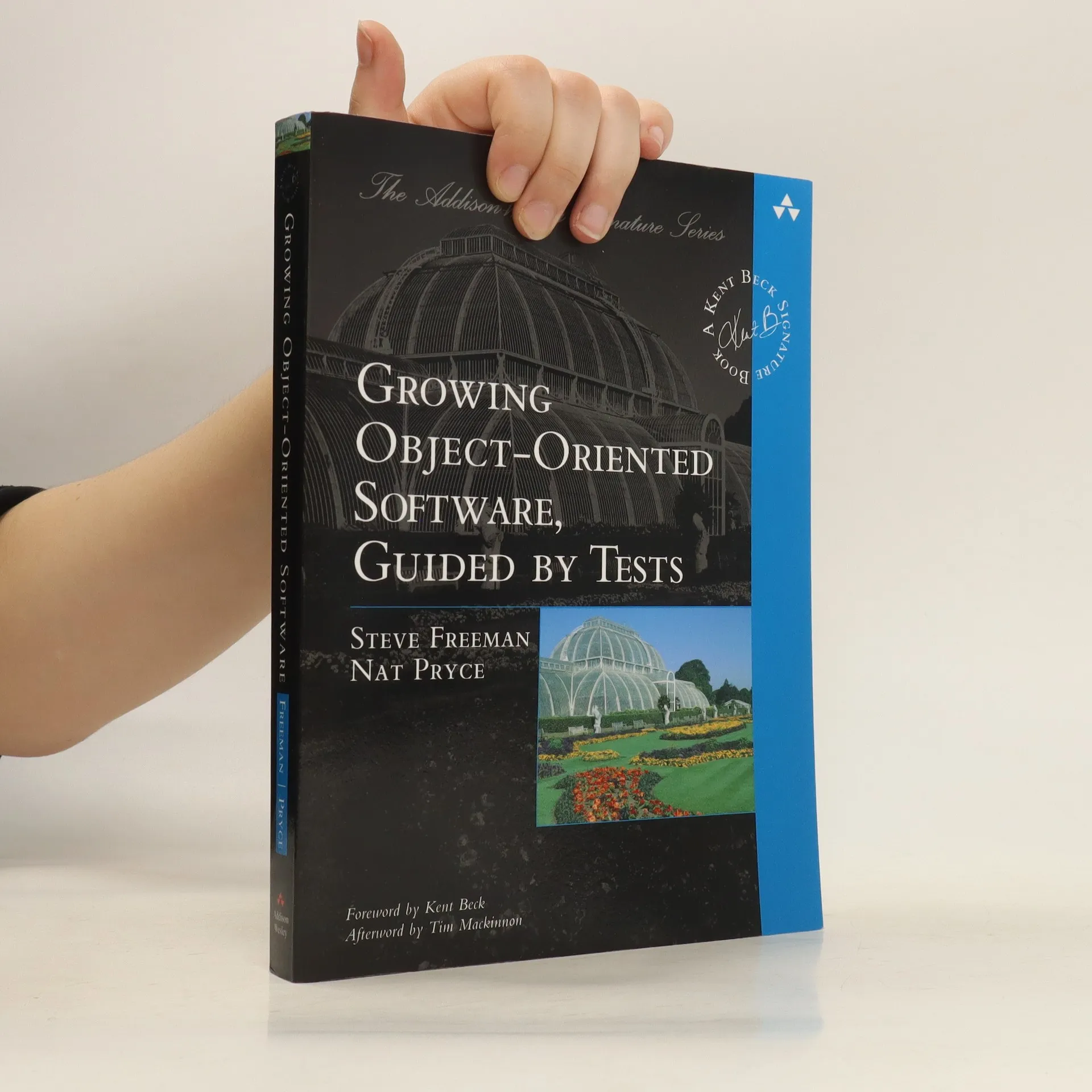
Growing Object-Oriented Software, Guided by Tests
ATDD by example
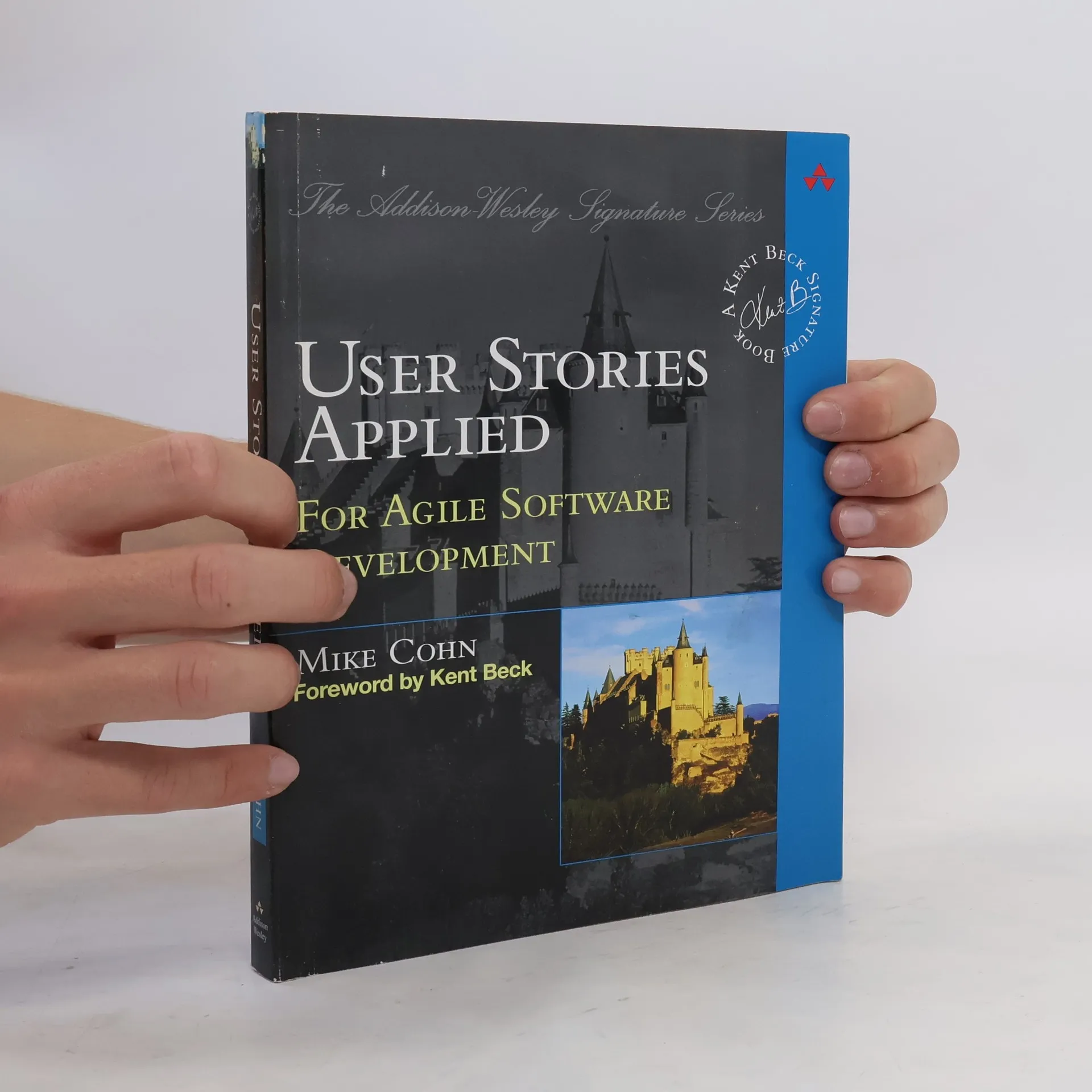
User Stories Applied: For Agile Software Development
Implementation Patterns
TDD Sztuka tworzenia dobrego kodu
  • Twórz niezawodny kod! Idealny kod, pokryty w pełni testami, to marzenie każdego dewelopera. Niestety, marzenia zazwyczaj rozmijają się z rzeczywistością. Codzienność większości programistów to nieczytelny kod i brak testów. Są to doskonałe warunki do powstawania błędów, często bardzo trudnych do wykrycia. Czy jest sposób, żeby wybrnąć z tego ślepego zaułka? Czy są techniki pozwalające tworzyć przejrzysty kod, którego zmiana nie będzie sprawiała trudności? Oczywiście, że tak - wykorzystaj TDD (ang. Test Driven Development). Programowanie sterowane testami można sprowadzić do prostej zasady: w pierwszej kolejności napisz test, a następnie kod, który ma być testowany. Kent Beck w swojej książce zaprezentuje Ci w praktyce podejście TDD i pokaże, jak wdrożyć jego zasady w codziennej pracy. Zapoznaj się z licznymi przykładami zastosowania tej metody, przydatnymi poradami i najlepszymi wzorcami. To doskonały początek, żeby wdrożyć TDD w Twoim projekcie. Dowiedz się, jak tworzyć idealny kod!

    TDD Sztuka tworzenia dobrego kodu
    4,1
  • Implementation Patterns

    • 200 stron
    • 7 godzin czytania

    Softwareexperte Kent Beck präsentiert 77 Patterns, die für die tägliche Programmierung und zur Verbesserung der Codeverständlichkeit unverzichtbar sind. Diese Sammlung behandelt Aspekte wie Klassen, Zustand, Verhalten, Methoden, Collections und Frameworks. Mit Diagrammen, Geschichten, Beispielen und Essays werden die Patterns anschaulich dargestellt und bieten bewährte Lösungen, von der Benennung von Variablen bis hin zu checked Exceptions. Großartiger Code drückt klar und einheitlich die Absichten des Programmierers aus, sodass andere ihn verstehen, sich darauf verlassen und ihn modifizieren können. Solcher Code entsteht nicht zufällig, sondern ist das Ergebnis vieler kleiner, wichtiger Entscheidungen, die Programmierer täglich treffen. Beck, bekannt für seine Arbeiten zu Extremprogrammierung und Softwarepatterns, fokussiert sich auf diese kritischen Entscheidungen und beschreibt leistungsfähige „Implementation Patterns“, um Programme einfacher, klarer und kostengünstiger zu gestalten. Dieses Buch richtet sich an Programmierer aller Erfahrungsstufen, insbesondere an diejenigen, die bereits von Softwarepatterns oder agilen Methoden profitiert haben. Es ist eine wertvolle Ressource für Entwicklerteams, die effizienter zusammenarbeiten und wartbare Software erstellen möchten. Es behandelt die Kommunikation durch Code, die Philosophie hinter Patterns, die Erstellung von Klassen, die Speicherung von Zustandsinformationen, die Real

    Implementation Patterns
    4,0
  • "Offers a requirements process that saves time, eliminates rework, and leads directly to better software. A great way to build software that meets users' needs is to begin with 'user stories': simple, clear, brief descriptions of functionality that will be valuable to real users. ... [the author] provides you with a front-to-back blueprint for writing these user stories and weaving them into your development lifecycle. You'll learn what makes a great user story, and what makes a bad one. You'll discover practical ways to gather user stories, even when you can't speak with your users. Then, once you've compiled your user stories, [the author] shows how to organize them, prioritize them, and use them for planning, management, and testing"--Back cover.

    User Stories Applied: For Agile Software Development
    3,9
  • Acceptance Test-Driven Development (ATDD) is an agile method that effectively supports collaboration among software developers, testers, and stakeholders from the start of a project. With ATDD, participants can jointly formulate requirements that are testable and automatable, leading to faster projects and better software. Pioneer Markus Gärtner describes step by step how to correctly implement and apply ATDD. He explains how to identify and document requirements and how to translate them into automated tests. Through two illustrative practical projects, readers will learn about ATDD using various languages and frameworks (Cucumber, Selenium, FitNesse). Each project is detailed with all relevant artifacts, including test automation classes, step definitions, and complete implementation examples. This hands-on approach provides a clear understanding of ATDD and offers valuable insights into establishing corresponding processes. Following the example projects, the fundamental principles are systematically summarized and explained in detail, demonstrating how ATDD integrates into the broader development context.

    ATDD by example
    3,4
  • This remarkable book combines practical advice, ready-to-use techniques, and a deep understanding of effective software development. It has transformed software teams, showcasing the potential of its ideas. Lean practitioners have found immense value in the authors' previous work, and this sequel surpasses it, offering a comprehensive exploration of lean principles in software development. The authors blend history, theory, and practical applications seamlessly. Readers will appreciate the depth of knowledge, particularly regarding lean techniques in product development and manufacturing, which are rarely translated effectively to software. The book provides a thorough introduction to lean principles and practices tailored for software managers and engineers, supported by success stories that illustrate the application of these concepts. Each chapter includes exercises to reinforce key points, making it an invaluable resource for those looking to understand how lean ideas can enhance software development. In their sequel, the authors delve deeper into themes introduced in their first book, focusing on value, waste, and people within the context of software. Drawing on their extensive experience, they guide readers through the optimization of the software value stream, presenting proven techniques and case studies from leading organizations. This hands-on approach equips readers with the right questions to ask and the key is

    Implementing Lean Software Development
    4,2