

Bookbot

Punkty zwrotne w historii starożytnej

W serii „Punkty zwrotne w historii starożytnej” odkrywamy kluczowe wydarzenia i przełomowe momenty w starożytnym świecie. Autorzy, wśród których znajdują się wiodący uczeni, oferują nowe interpretacje znanych tematów oraz mniej znanych zagadnień, które zasługują na większą uwagę. Każdy tom łączy dowody literackie i archeologiczne, ożywiając przeszłość dla współczesnych czytelników.

Rome Is Burning
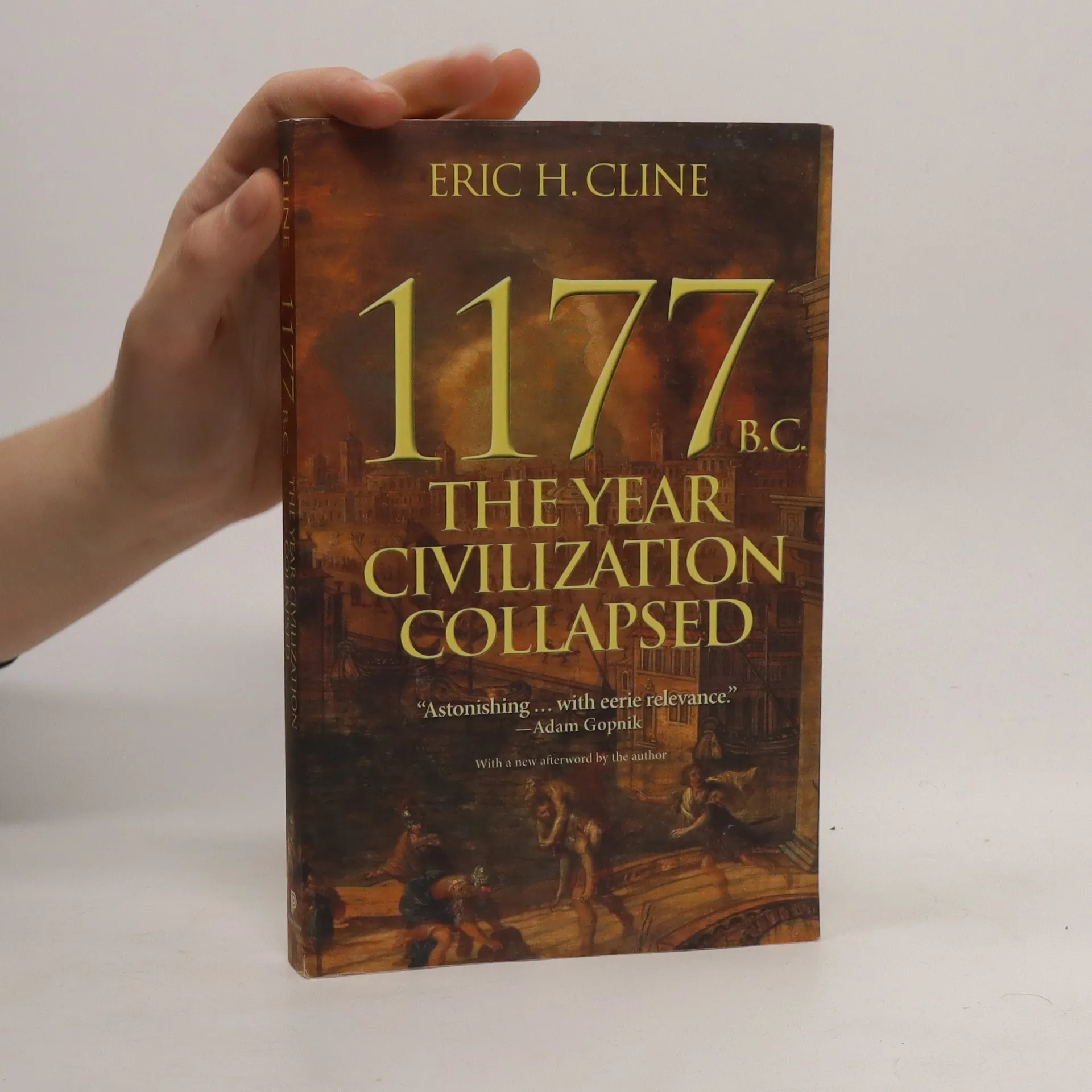
1177 B.C. : The Year Civilization Collapsed
1177 przed Chr. Rok, w którym upadła cywilizacja
  • W roku 1177 p.n.e. grupy maruderów znanych pod nazwą Ludy Morza najechały Egipt. Armia faraona oraz jego flota zdołały ich pokonać, ale owo zwycięstwo do tego stopnia osłabiło Egipt, że pogrążył się on w kryzysie wewnętrznym. Podobnie wyglądała też sytuacja w innych otaczających go państwach. Po wiekach rozkwitu cywilizacja brązu nagle dobiegła swego kresu i zakończyła się prawdziwym kataklizmem. W ciągu zaledwie kilku dziesięcioleci kolejne królestwa upadały jak kostki domina. Zniknęli Minojczycy i Mykeńczycy. Podobnie stało się z mieszkańcami Troi, Hetytami i Babilończykami. Doskonale prosperujące ekonomia i kultura okresu późnego II tys. p.n.e., które łączyły regiony od Grecji na zachodzie po Egipt i Mezopotamię na wschodzie, nagle zniknęły, podobnie jak umiejętność pisania, technologia i monumentalna architektura. Jednak czy tylko Ludy Morza odpowiadają za tak powszechny upadek? Jak w ogóle do niego doszło?

    1177 przed Chr. Rok, w którym upadła cywilizacja
    3,9
  • In 1177 B.C., the invasion of Egypt by marauding groups known as the "Sea Peoples" marked the beginning of a significant decline for Egypt and surrounding civilizations. Although the pharaoh's forces managed to repel the invaders, the victory left Egypt weakened, leading to a rapid collapse of the Bronze Age world. Within a few decades, prominent kingdoms like the Minoans, Mycenaeans, Trojans, Hittites, and Babylonians vanished, along with their vibrant economies, cultures, writing systems, and monumental architecture. The Sea Peoples were not solely responsible for this widespread breakdown; it was the result of multiple interconnected failures, including invasions, revolts, natural disasters like earthquakes and droughts, and the disruption of international trade routes. This account brings to life the rich multicultural tapestry of the Late Bronze Age, illustrating how the very interdependence of these civilizations contributed to their downfall. By weaving together narrative and contemporary scholarship, the text reveals the complex relationships that fostered both the flourishing and the eventual destruction of these great civilizations, setting the stage for the emergence of classical Greece and a dark age that lasted for centuries.

    1177 B.C. : The Year Civilization Collapsed
    3,9
  • Rome Is Burning

    • 368 stron
    • 13 godzin czytania

    Drawing on new archaeological evidence, this authoritative history examines the Great Fire of Rome and its lasting impact on the Roman Empire. According to legend, Emperor Nero set fire to the city on July 19, 64 AD, but much of this narrative is likely untrue. The distinguished historian Anthony Barrett provides a comprehensive account of the fire, its immediate aftermath, and its long-term consequences. By analyzing remarkable archaeological discoveries and literary evidence, Barrett reveals what truly happened and argues that this disaster marked a pivotal moment in Roman history, leading to Nero's downfall and the end of the Julio-Claudian dynasty. The fire devastated much of Rome, causing panic among the populace and destroying Nero's golden statue. It also triggered a financial crisis and currency devaluation that had a lasting effect on the Roman economy. The book showcases recent archaeological findings, including photographs that illustrate the fire's destruction. Additionally, it explores the fire's enduring legacy in literature, opera, ballet, and film. This richly detailed and factual narrative seeks to dispel myths surrounding the event, positioning itself as the definitive account of the Great Fire of Rome for contemporary readers.

    Rome Is Burning
    3,6