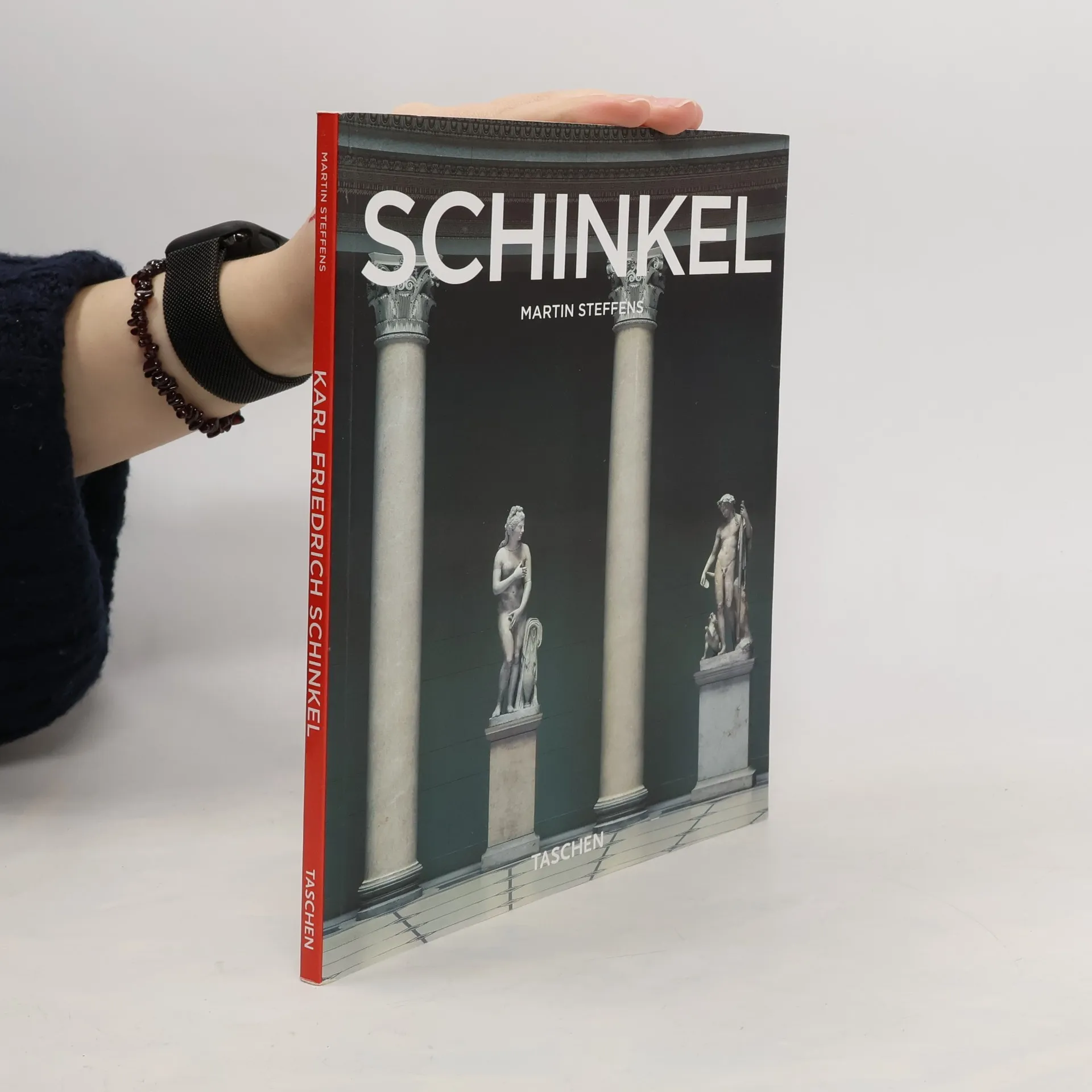
Seria 'Taschen Podstawy Architektury' zaprasza do odkrywania fascynującego świata architektury poprzez monografie wybitnych postaci. Każdy tom skupia się na życiu i twórczości architekta, prezentując jego najważniejsze dzieła w porządku chronologicznym. Zawiera szczegółowe ilustracje, w tym fotografie i szkice, ukazując wyzwania oraz sukcesy związane z realizacją projektów.
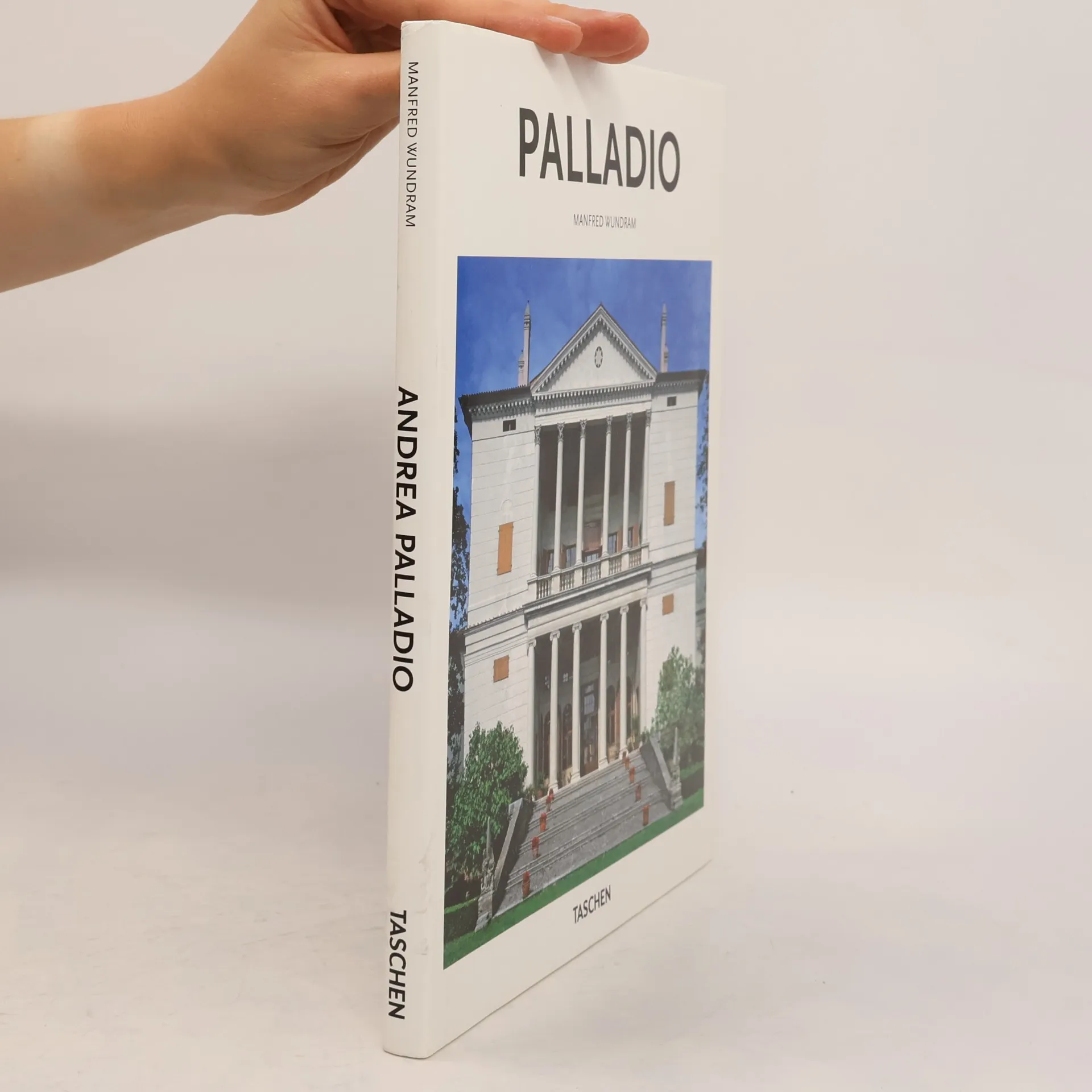
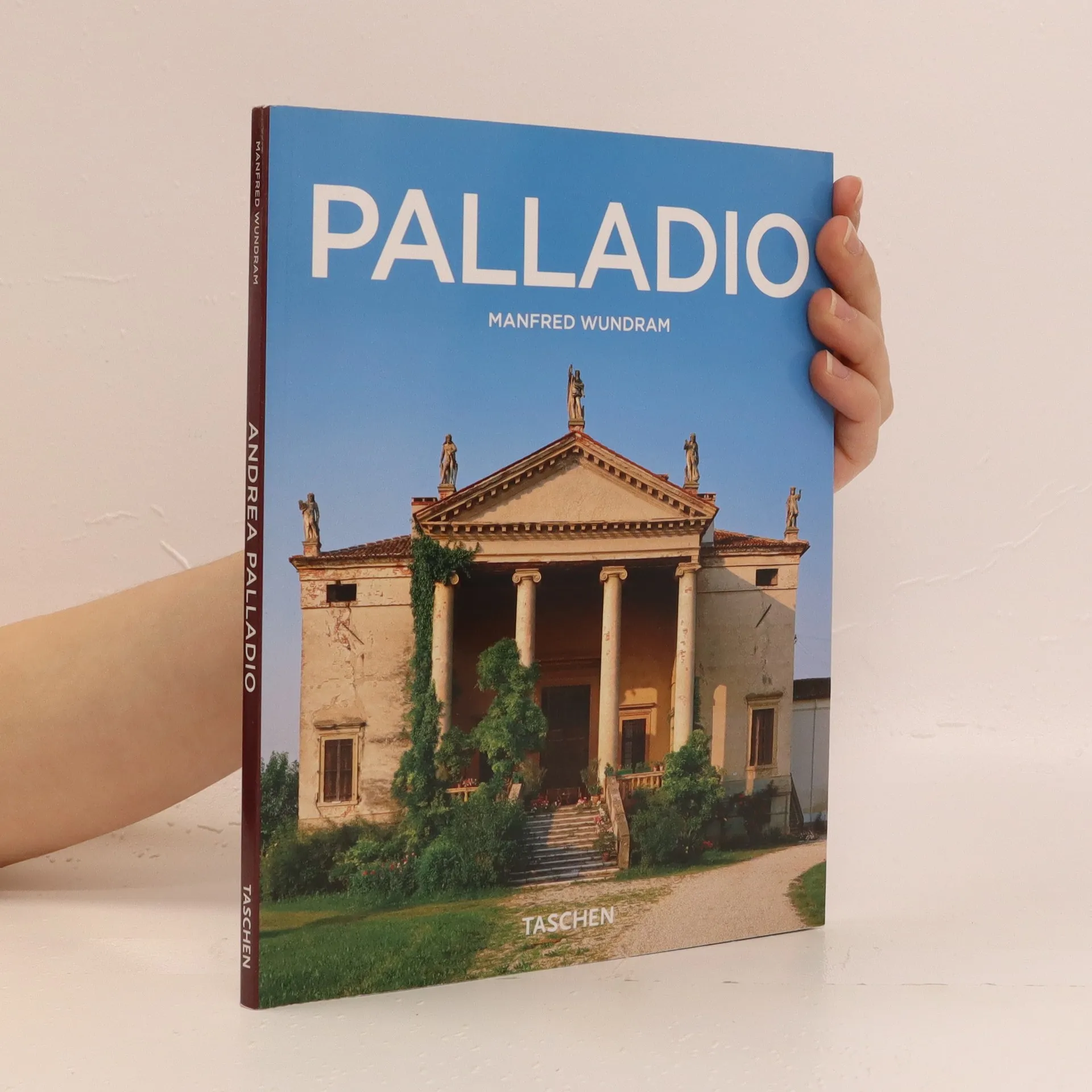
Get to know Andrea Palladio, the father of Renaissance building and one of the
most influential architects of all time. This book documents Palladio's key
buildings to explore how he revived the design principles of Classical
Antiquity and formed foundations of architecture for generations to come.
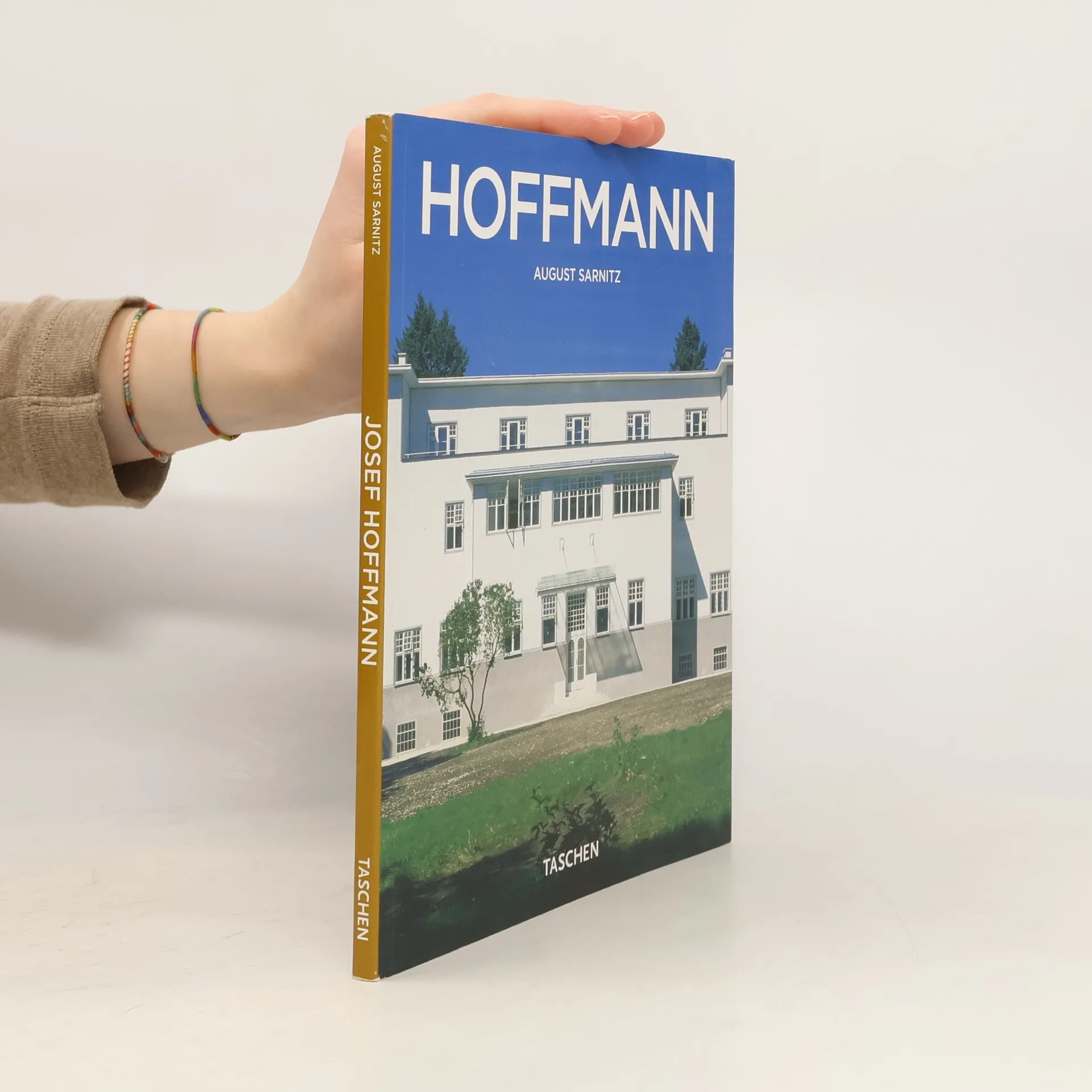
The avant-gardist The influence of the Austrian architect and designer Josef Hoffmann (1870-1956) is for a period of over 60 years he kept up an aesthetic dialog with Modernism, the International Style, and Art Deco. Before being rediscovered in the 1980s by the Post-Modernists, his work was nearly forgotten; now his importance is unquestioned. As a designer he was one of the leading proponents of the Wiener Werkstätte, with its close connection to the Arts and Crafts movement. As an architect, he built the first modern buildings in Europe, such as the Purkersdorf Sanatorium (1904) and the Palais Stoclet (1905-1911). Traversing several styles and schools during his lifetime, his work shows a consistent Formalism. He abandoned Functionalism long before it became obsolete. In a historic sense, Hoffmann was doubly in both the rise and fall of Modernism. About the Each book in TASCHEN’s Basic Architecture Series
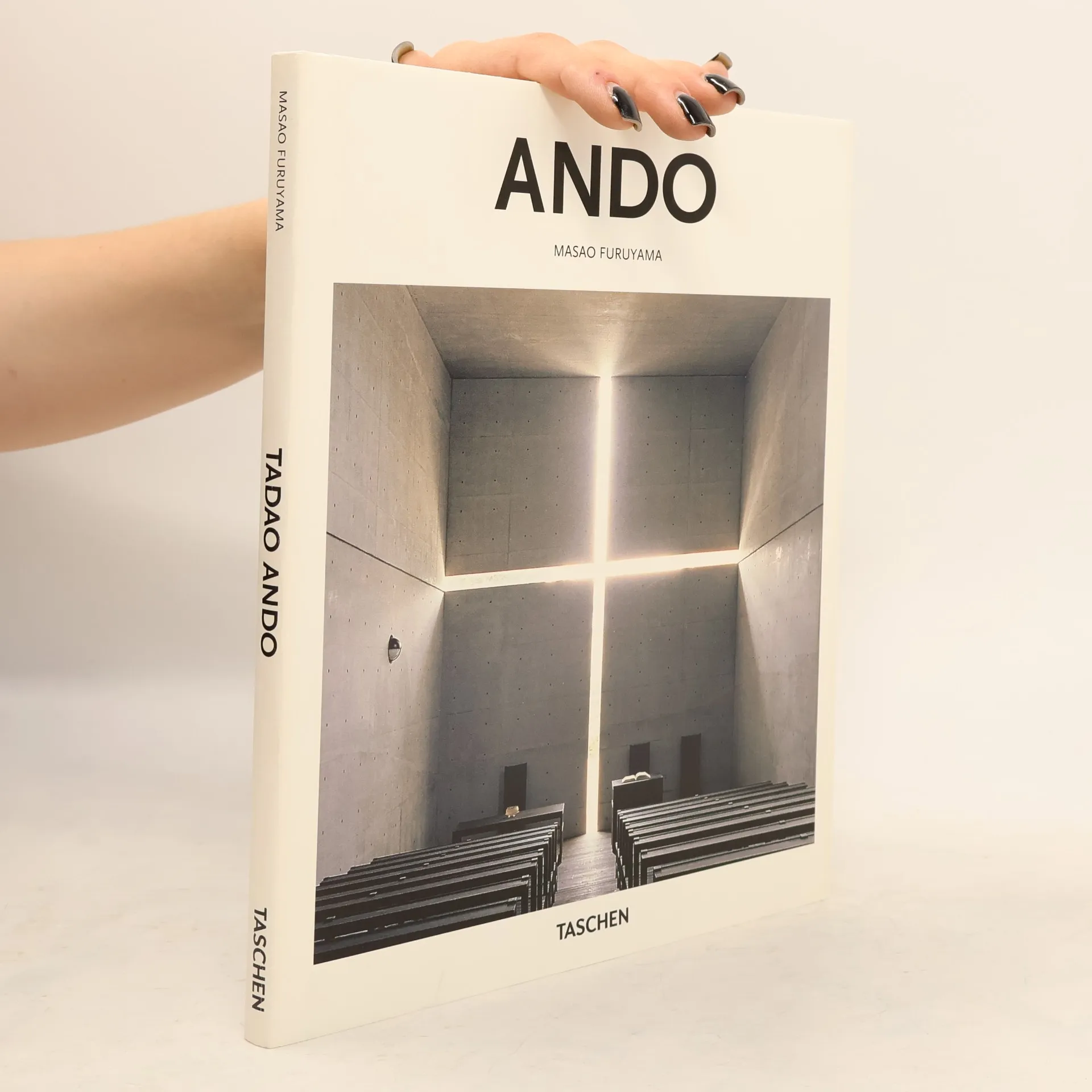
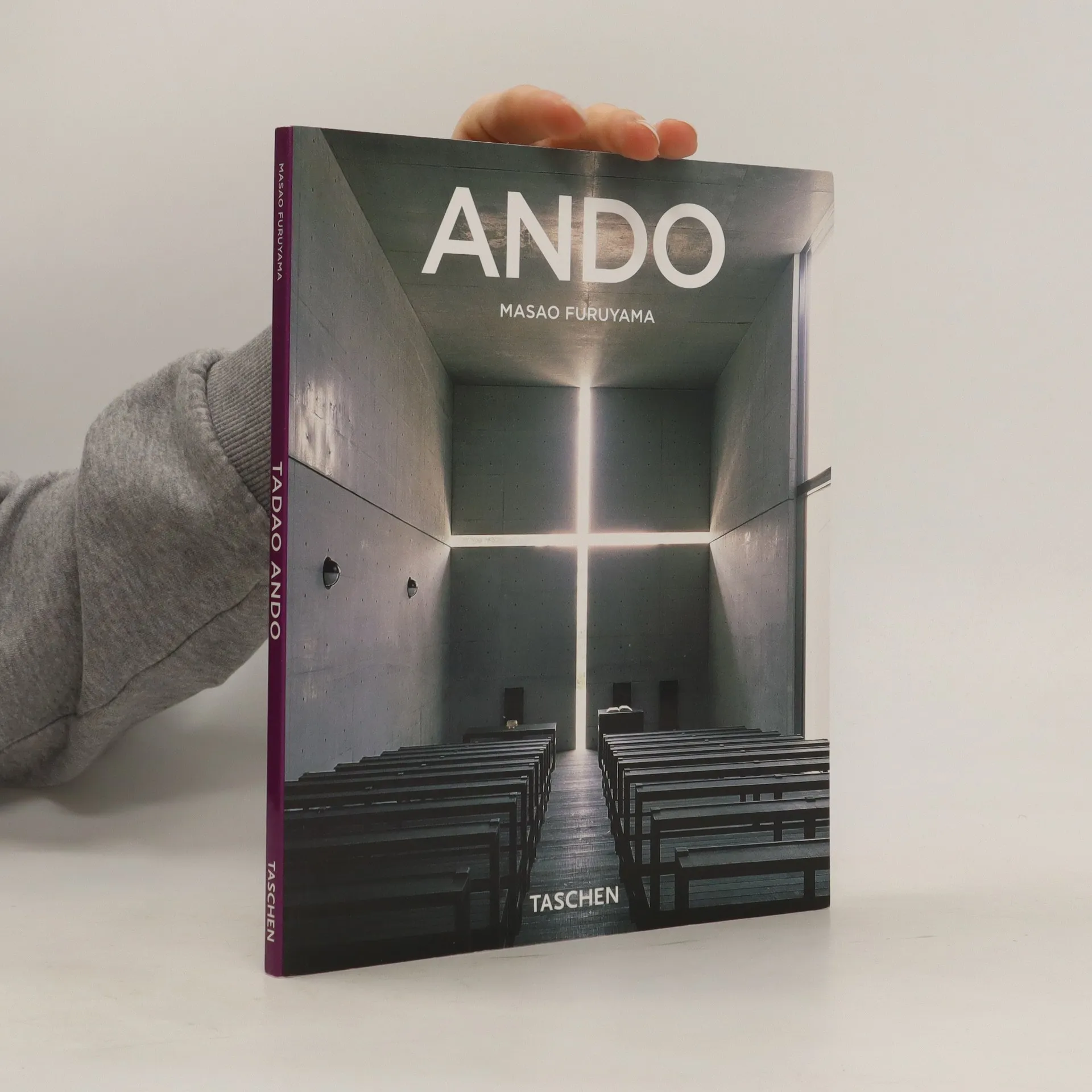
Get to know Tadao Ando, the only architect to have won the discipline's four most prestigious prizes: the Pritzker, Carlsberg, Praemium Imperiale, and Kyoto Prize. This succinct introduction explores Ando's unique blend of calm Japanese tradition and compelling modernism across private homes, churches, fashion stores, museums, and more.
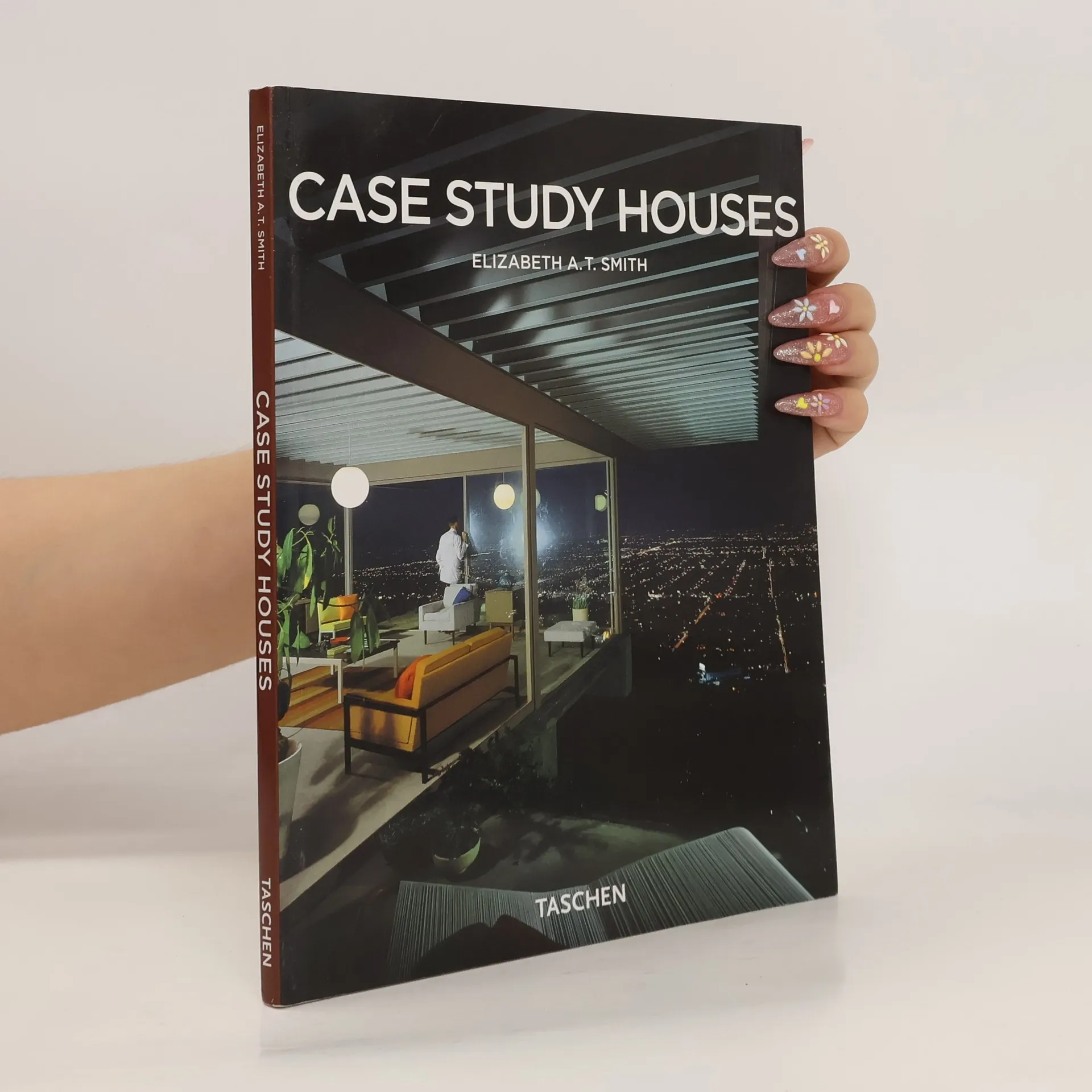
The pioneering project that sought to bring modernism to the masses The Case Study House program (1945–1966) was an exceptional, innovative event in the history of American architecture and remains to this day unique. The program, which concentrated on the Los Angeles area and oversaw the design of 36 prototype homes, sought to make available plans for modern residences that could be easily and cheaply constructed during the postwar building boom. Highly experimental, the program generated houses that were designed to redefine the modern home, and thus had a pronounced influence on architecture—American and international—both during the program`s existence and even to this day. This compact guide includes all projects featured in our XL version, with over 150 photos and plans and a map of where all houses are (or were) located. About the Each book in TASCHEN’s Basic Architecture Series
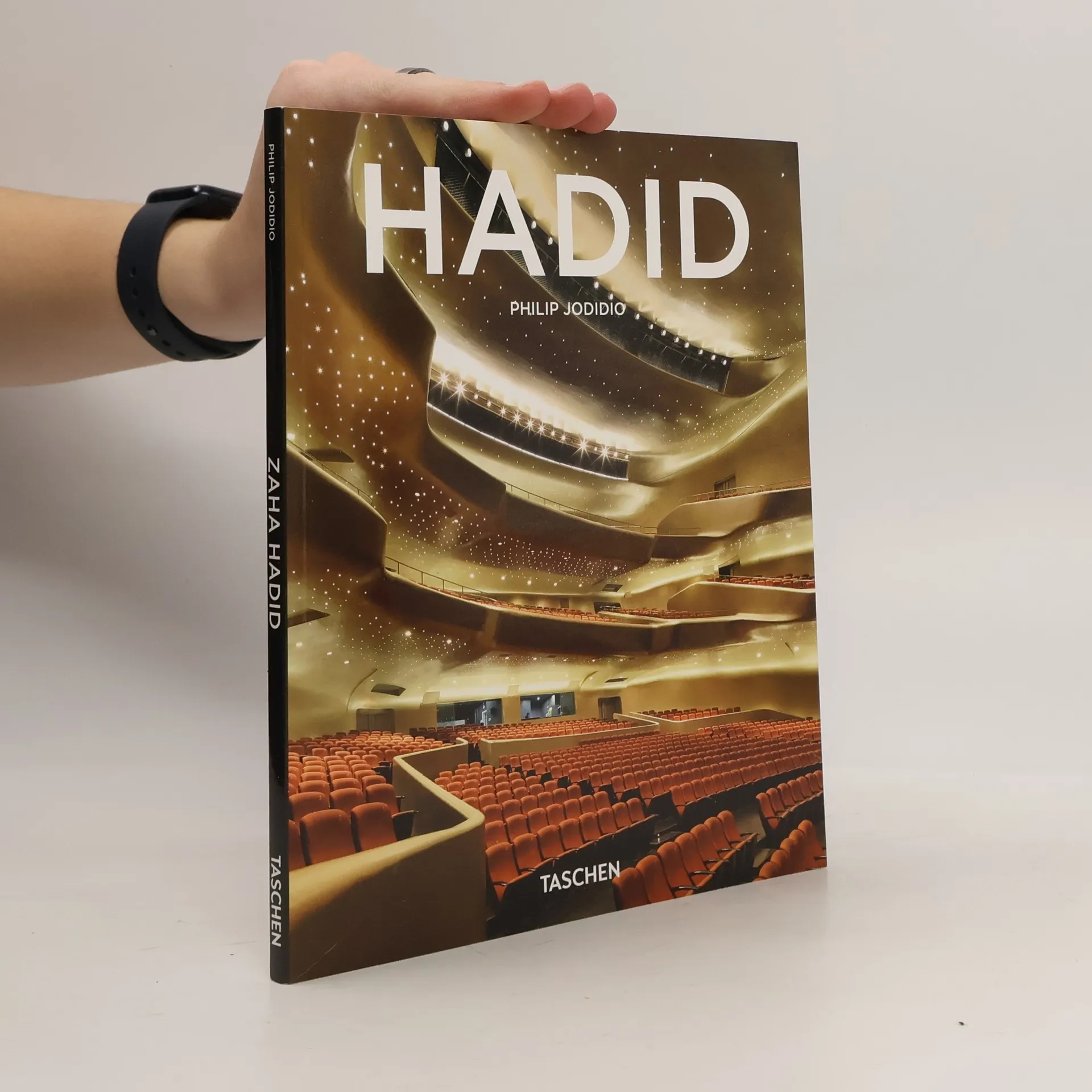
Covering her complete works to date, and all her new work from Dubai to Guangzhou, this text clearly demonstrates the progression of Hadid's career - not only buildings but also furniture and interior designs - and including in-depth texts, photos and her own drawings.
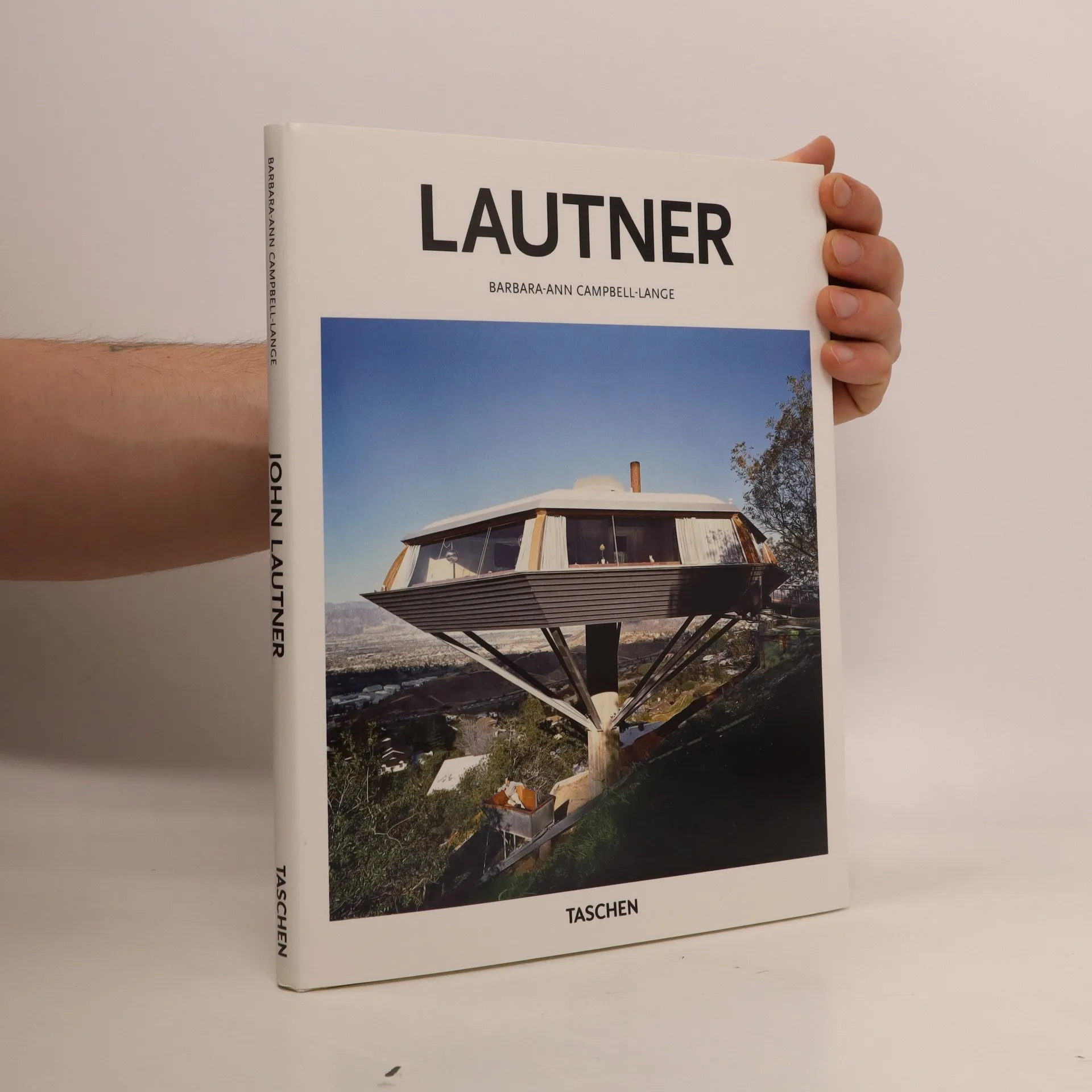
In John Lautners Villen lässt es sich filmreif leben. Als futuristische Eyecatcher in dramatischen Lagen prägen sie die Landschaft um L. A. und unsere Träume. Auch wer Lautner (1911–1994) nicht kennt, hat wahrscheinlich eine seiner Villen in Hollywoodproduktionen gesehen, von den 1970ern bis heute, darunter Bond-Filme und Werke der Coen-Brüder. Lautner hatte ein Faible für futuristische Entwürfe und abenteuerliche Lagen mit grandiosen Ausblicken, was ihm einige der originellsten Bauten des vergangenen Jahrhunderts ermöglichte. Seine außergewöhnlichen Villen spiegeln den Zeitgeist der 1950er- und 1960er-Jahre wider, eine Ära des wirtschaftlichen Wachstums und des Wohlstands. Heute stehen viele seiner Werke als „historisch-kulturelle Denkmäler von Los Angeles“ unter Denkmalschutz. Lautners Bauwerke stehen in direktem Dialog mit der umgebenden Landschaft. Wie Wright wählte er für seine glamourösen Wohnhäuser dramatische Lagen außerhalb der Stadt, die heute als hip gelten. Jedes seiner Gebäude ist einzigartig, mit individuellen architektonischen Lösungen und innovativen Konstruktionen. Diese Einführung in Lautners Werk beleuchtet neben seinen berühmten Villen auch weniger bekannte Bauten und nicht realisierte Projekte.
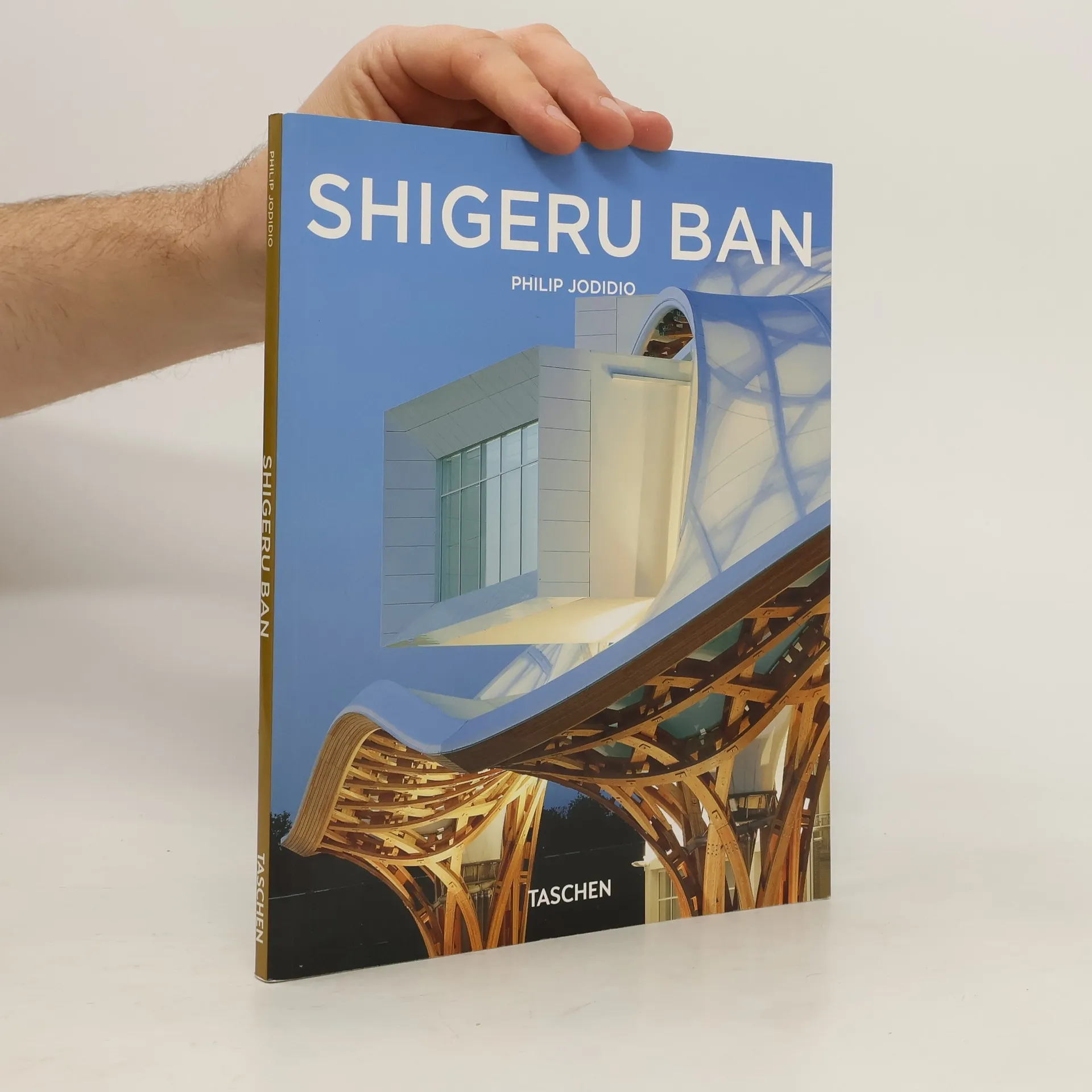
Známý japonský architekt Shigeru Ban se zúčastnili SCI-Arc v Kalifornii a
získal titul na Vysoké škole Cooper Union School of Architecture v New Yorku.
S kancelářemi v Tokiu a Paříži, Ban důsledně zpochybňuje přijaté představy o
architektuře. Navrhuje domy bez zdí nebo výstavní prostory vyrobené z
papírových trubek a přepravních kontejnerů. Tato kniha sleduje celou jeho
kariéru a jasně dokazuje, proč je jedním z nejmodernějších a nejvýznamnějších
architektů na světě.
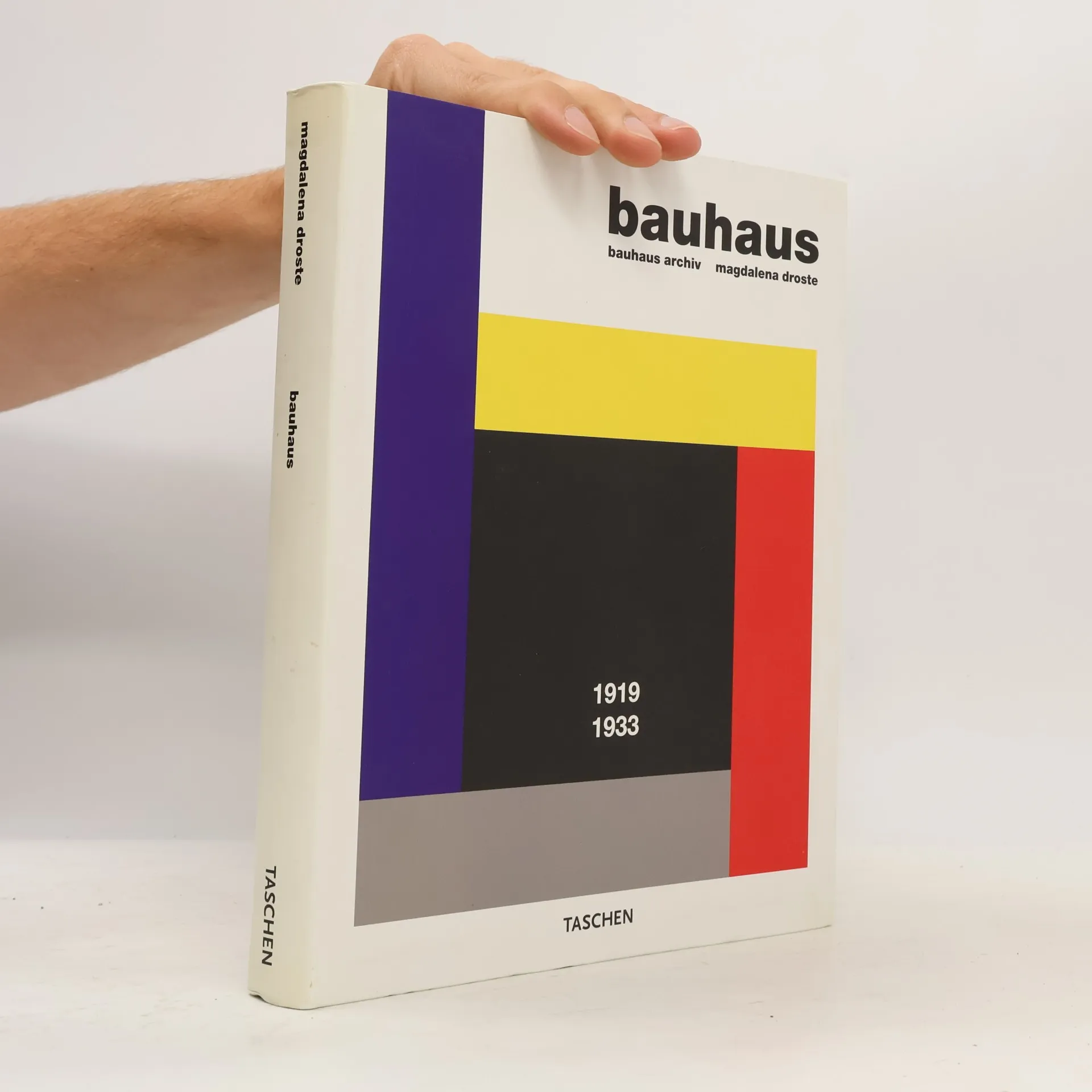
Seventy years after its foundation in Weimar, the Bauhaus has become a concept, indeed a catchprase all over the world. The respect which it commands is associated above all with the design it pioneered, one which we know describe as 'Bauhaus style'. This volume traces the history of Bauhaus
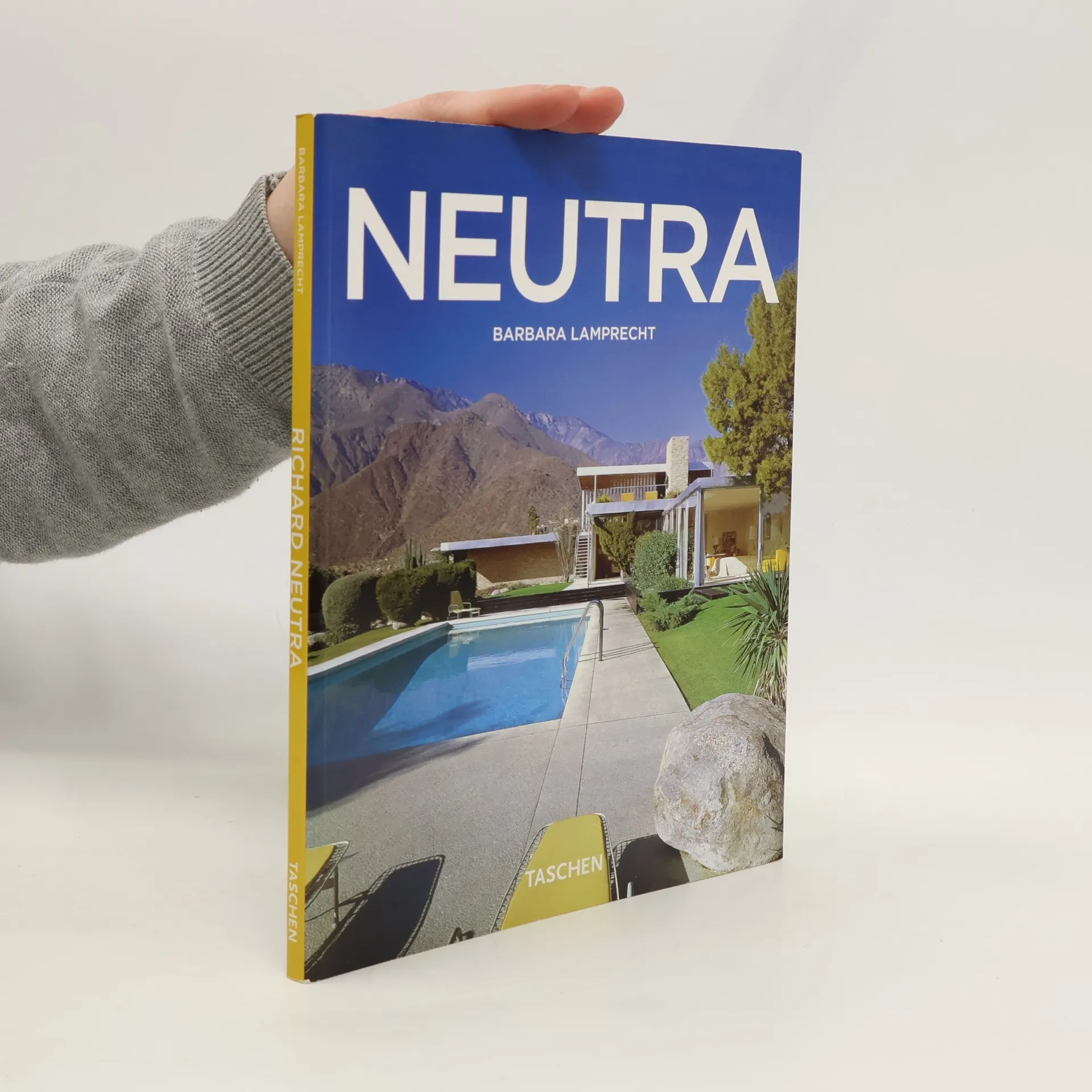
The quintessential California Modernist "The continual refinement of human knowledge of the body and soul came to be one and the same thing for me, and the architecture of human living space its most necessary application and valuation." - Richard Neutra Born and raised in Vienna, Richard Neutra (1872-1970) came to America early in his career, settling in California. His influence on post-war architecture is undisputed, the sunny climate and rich landscape being particularly suited to his cool, sleek modern style. Neutra had a keen appreciation for the relationship between people and nature; his trademark plate glass walls and ceilings which turn into deep overhangs have the effect of connecting the indoors with the outdoors. Neutra's ability to incorporate technology, aesthetics, science, and nature into his designs him recognition as one of Modernist architecture's greatest talents.
Selon le principe de la collection, un survol rapide de la vie et de l'oeuvre qui donne à voir et à connaître l'essentiel du sujet. L'auteur situe bien l'artiste dans son époque et met en valeur son originalité. Une chronologie complète le volume. Les reproductions d'oeuvres sont nombreuses et bien choisies. [SDM]
Born and educated in Germany, Walter Gropius (1883-1969) belongs to the select group of architects that massively influenced the international development of modern architecture. As the founding director of the Bauhaus, Gropius made inestimable contributions to his field, to the point that knowing his work is crucial to understanding Modernism. His early buildings, such Fagus Boot-Last Factory and the Bauhaus Building in Dessau, with their use of glass and industrial features, are still indispensable points of reference. After his emigration to the United States, he influenced the education of architects there and became, along with Mies van der Rohe, a leading proponent of the International Style.
At once a realist and a visionary, an architect and a builder, Otto Wagner
innovated a new era in building-making. Born in Vienna, the visionary
architect made his presence felt-he pioneered the use of materials like glass,
steel, and aluminum, in a ceaseless experimentation with form that would come
to redefine Viennese structural identity...
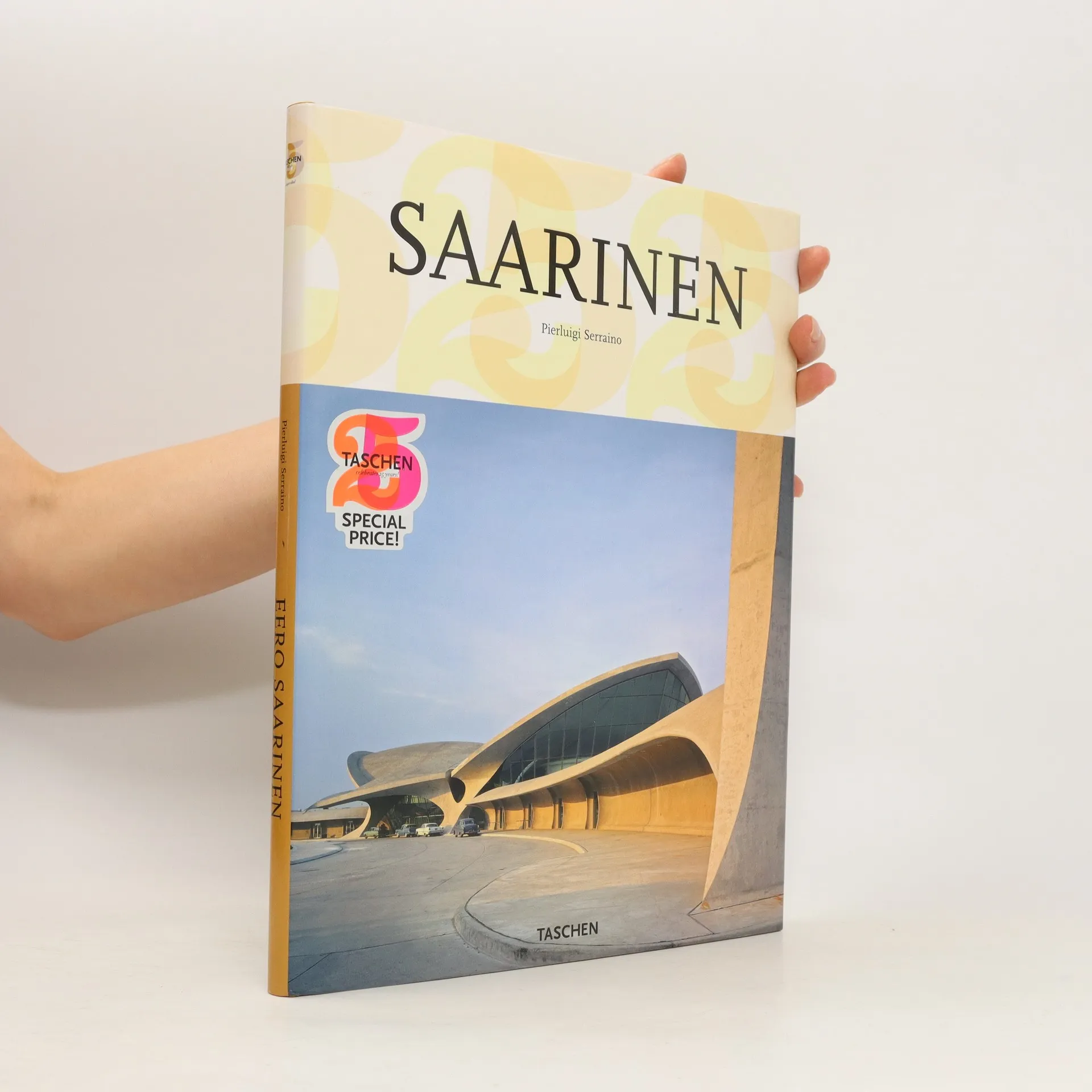
Eero Saarinen was one of the 20th century's great visionaries, both in the fields of furniture design and in architecture. Marrying curves and dynamic forms with a Modernist aesthetic, he brought a whole new dimension to architecture.
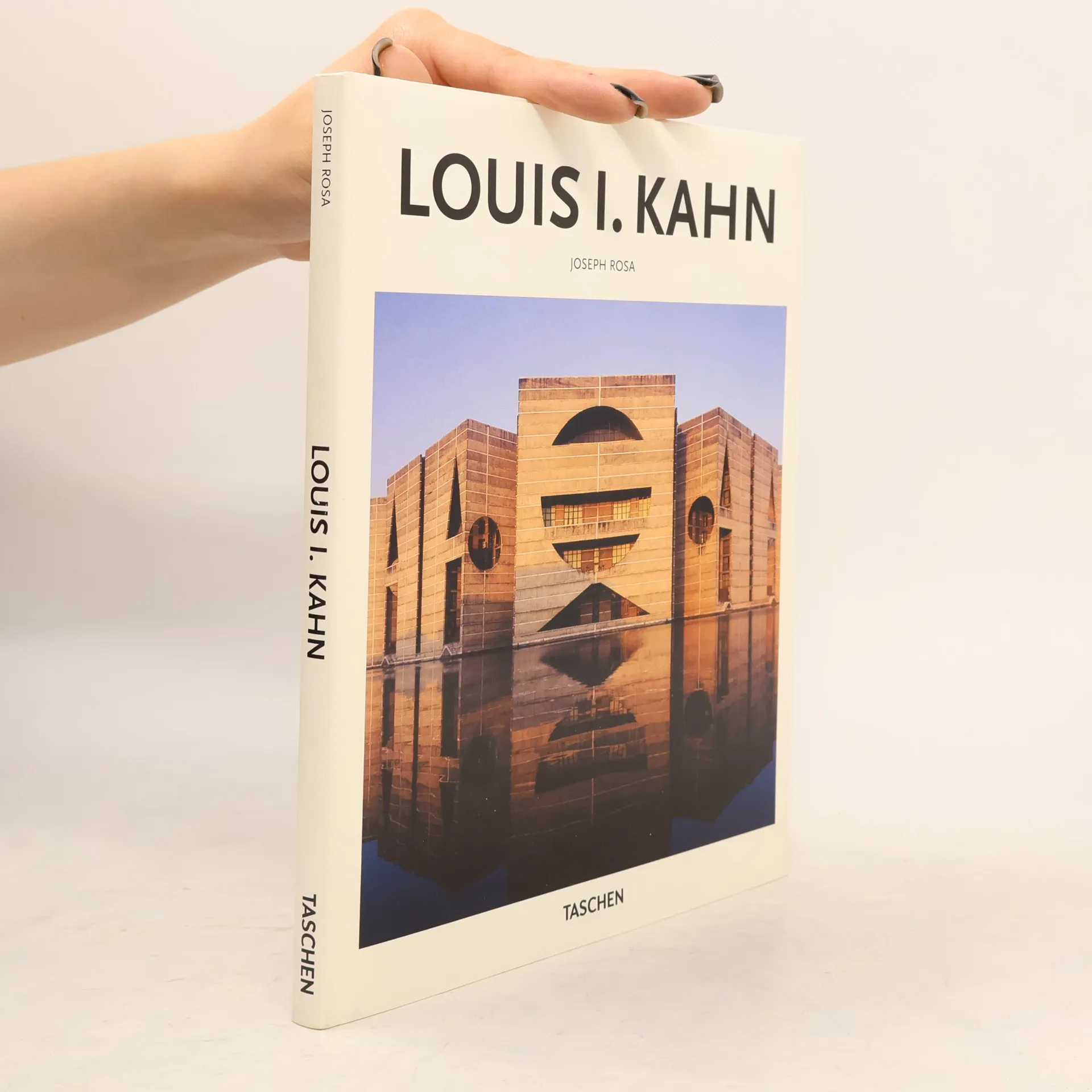
Meet the man who treated each building like a temple. From Dhaka, Bangladesh,
to La Jolla, California, this book traces the extraordinary architectural
language of Louis Isadore Kahn, the pioneering modernist who inflected the
International Style with a back to basics classical grammar and pierced its
sleek masses with geometrical shapes and...
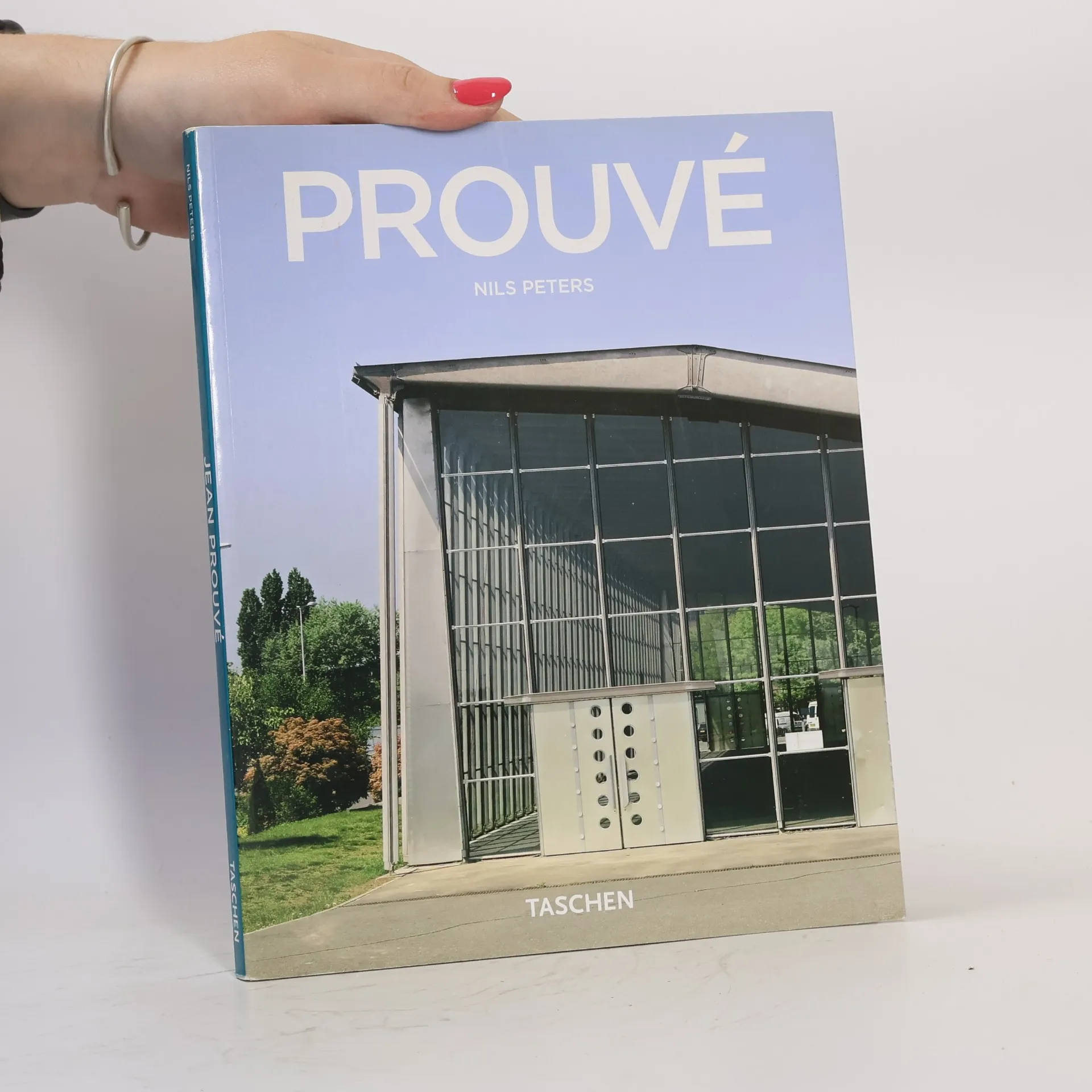
French architect and designer, Jean Prouve was one of the important constructors of the 20th century. Prouve's design innovations included cleverly-shaped metal parts for building prefabricated structures. An introduction to Prouve's work, this title gives an insight into the variety of his oeuvre and the progressiveness of his vision.
Philippe Starck describes him as a "mystic in a country which is no longer mystic." Drew Philip calls his buildings "land art" that "struggle to emerge from the earth." He is the only architect to have won the discipline's four most prestigious prizes: the Pritzker, Carlsberg, Praemium Imperiale, and Kyoto Prize. His name is Tadao Ando, and he is one of the world's greatest living architects. Combining influences from Japanese tradition with the best of Modernism, Ando has developed a completely unique building aesthetic that makes use of concrete, wood, water, light, space, and nature in a way that has never been witnessed elsewhere in architecture. This book provides the perfect introduction to Ando's work, including private homes, churches, museums, apartment complexes, and cultural spaces throughout Japan, and in France, Italy, Spain, and the USA.
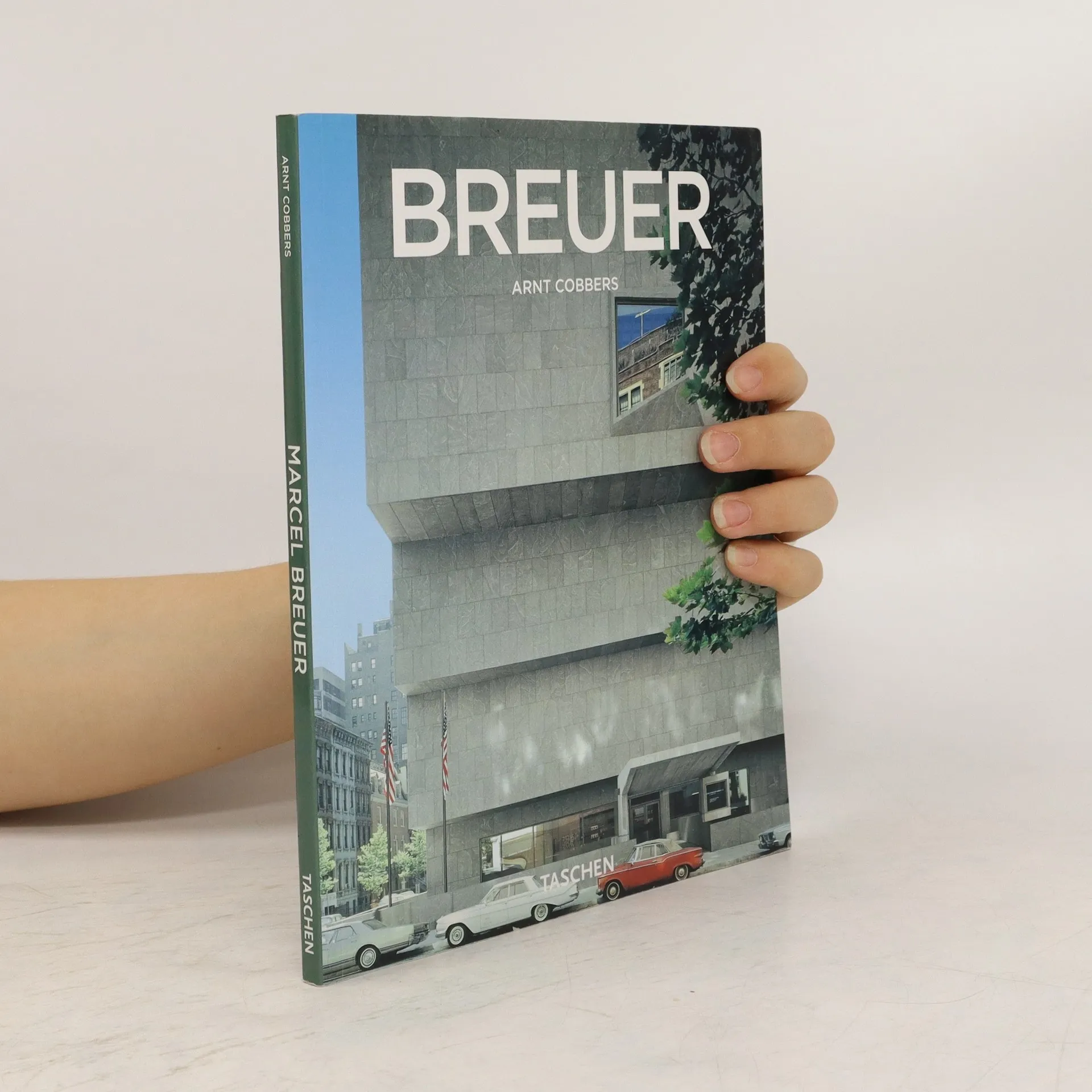
With his invention of steel-tube furniture, Marcel Breuer has made his mark in the history of design at the tender age of 23. Part of the "Basic Architecture" series, this book features essays exploring his life and work; the works presented in chronological order; and, an appendix including a list of works, biography, bibliography and a map.
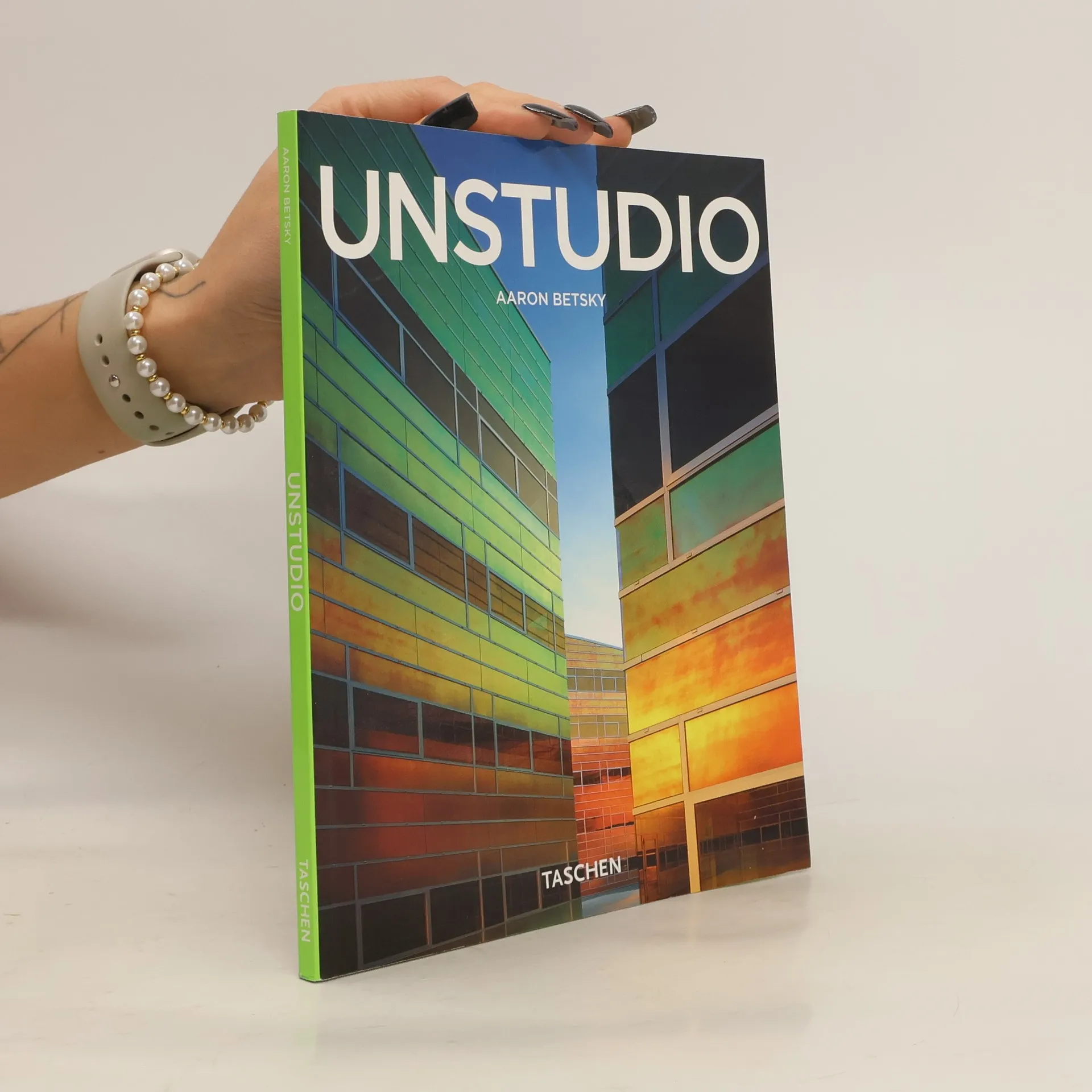
UNStudio schafft Räume, die überraschend innovativ sind. Ihre Arbeit greift nicht auf den Modernismus zurück, sondern umarmt das digitale Zeitalter durch die Erfindung neuer, zeitbasierter Techniken, die die Vorstellungskraft erweitern, die Hierarchie des Designprozesses sprengen und den Input verschiedener Disziplinen fördern.
Architect, magazine editor, artist, academic: Gio Ponti's multifaceted oeuvre
blurred boundaries across creative disciplines and lead the evolution of
modern design in Italy. Filled with archival images, a timeline, and map of
his Milanese buildings, this dedicated introduction traces Ponti's most
celebrated works and provides an extensive...
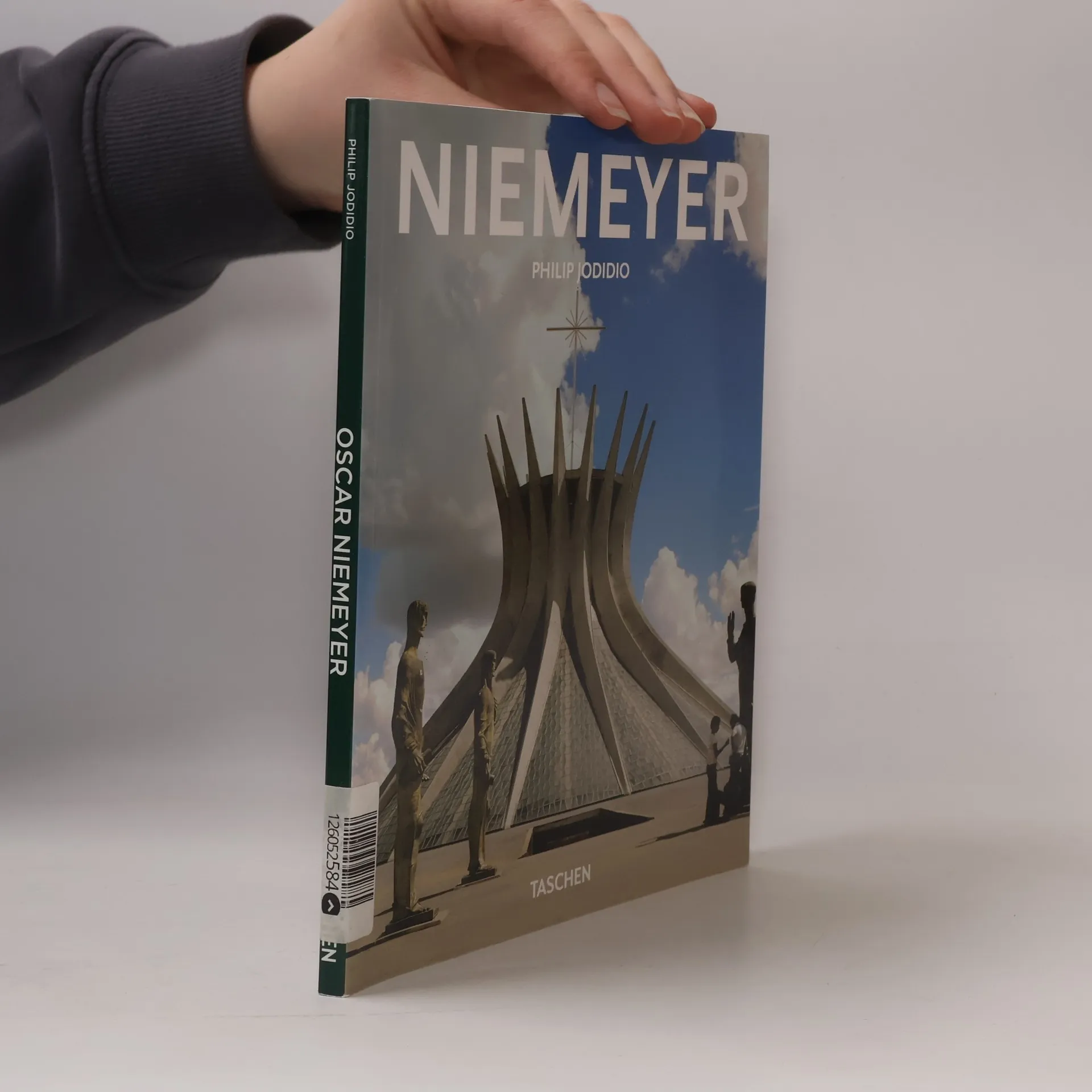
Der Mann, der die Zukunft baute Arbeiten aus 70 Jahren: Oscar Niemeyer sprengt alle Grenzen Zum 100. Geburtstag des brasilianischen Architekten Oscar Niemeyer schrieb die New York Times: \"r hat sich in den 1940ern, 1950ern und 1960ern als einer der wichtigsten Vertreter des Modernismus etabliert. Indem er wuchtige Abstraktionen mit tropischem Hedonismus tränkte, veränderte er Brasiliens Selbstverständnis und faszinierte Architekten in aller Welt.\" Niemeyer übte seinen Beruf über insgesamt mehr als sieben Jahrzehnte aus, von seinem ersten großen Projekt von 1936 gemeinsam mit Lucio Costa und Le Corbusier bis zu seinem Tod im Dezember 2012. An die 700 realisierte und unrealisierte Bauten hat er entworfen, wobei er bautechnisch wie formal immer wieder neue, riskante Wege beschritt. Sein unbestrittenes Meisterwerk blieb dennoch Brasilia – die futuristische Hauptstadt seines Heimatlandes, die als verwirklichte Utopie zu den Kulturschätzen des 20. Jahrhunderts zählt.
Elegance and economy define the work of French architect and designer Jean
Prouve, whose oeuvre includes highly coveted furniture as well as parts for
building prefabricated structures. Photographs, sketches, drafts, and plans
illustrate this introduction to one of the most interdisciplinary designers; a
jack of all trades experimenting with...
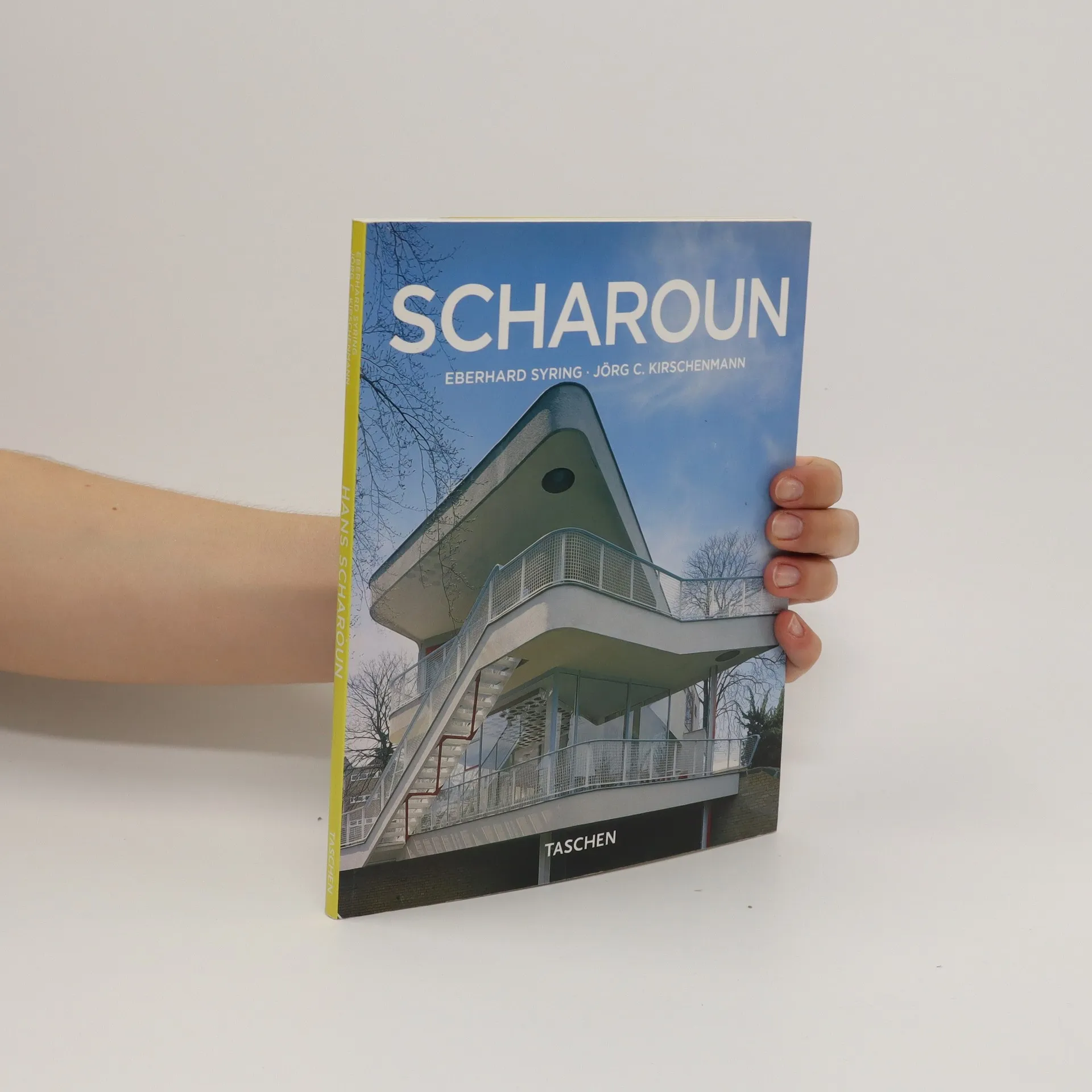
The Modernist outsider "The essence of the artistic design in building – like all art – indeed provides meaning for man’s existence and in itself it confirmes its result that became form." - Hans Scharoun German architect Hans Scharoun (1893-1972) studied and practiced architecture his entire adult life but did not build a major building until 1963 when his impressive Berlin Philharmonie finally came to life. The fact that he stayed in Germany during the Second World War prevented him from realizing grandiose projects and caused him to concentrate more on interiors than exteriors for many years. Nevertheless, Scharoun`s sculptural designs, influenced by the expressionist-utopian circle "Gläserne Kette" of which he was a member, did not go unnoticed and were among the best of his generation. About the Each book in TASCHEN’s Basic Architecture Series
Andrea Palladio's 'Villa Rotonda' in Vicenza became the most famous building of its kind; it influenced many later designs and remains an important source of inspiration for architects. Part of the "Basic Architecture" series, this title gives an introduction to the work of Andrea Palladio (1508-1580).
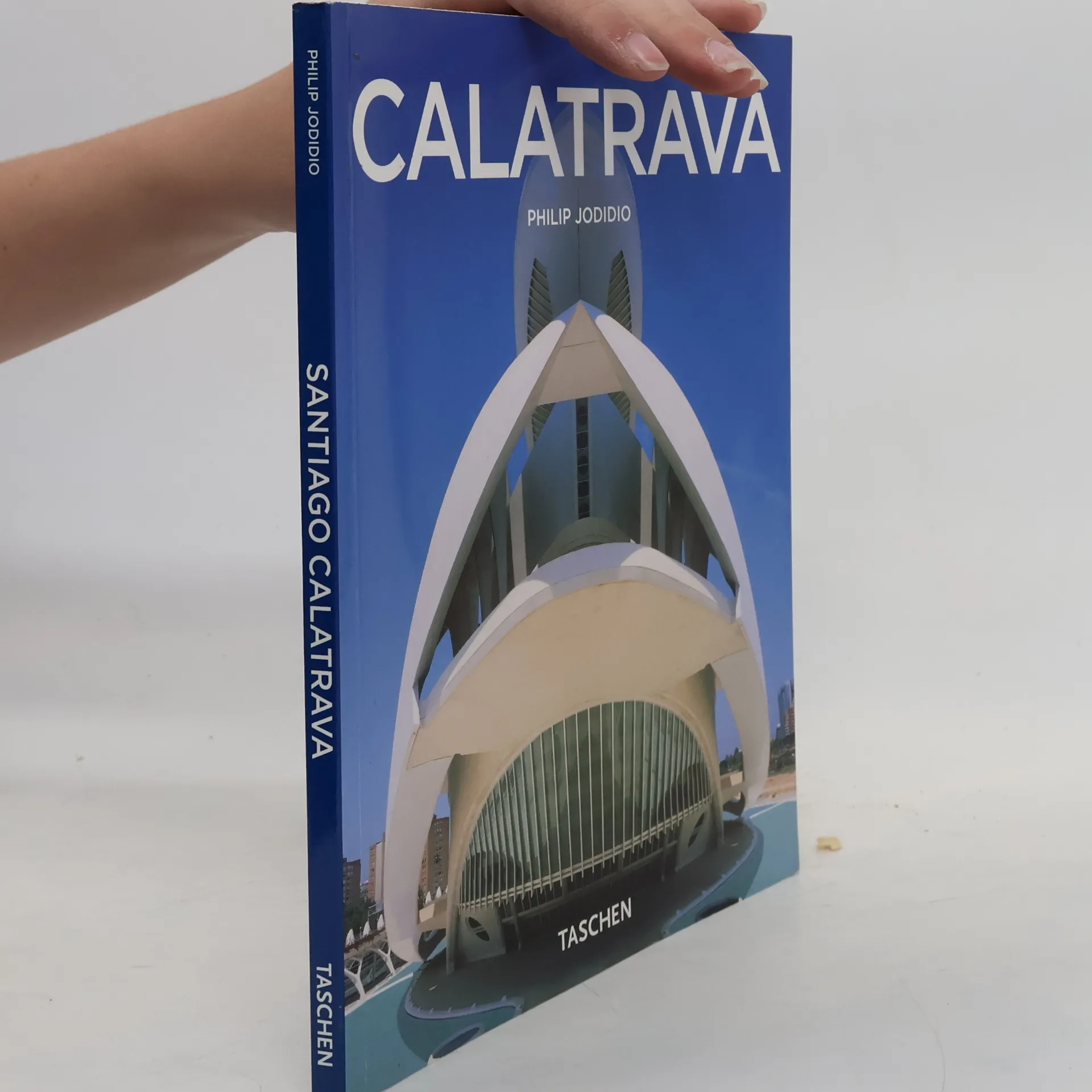
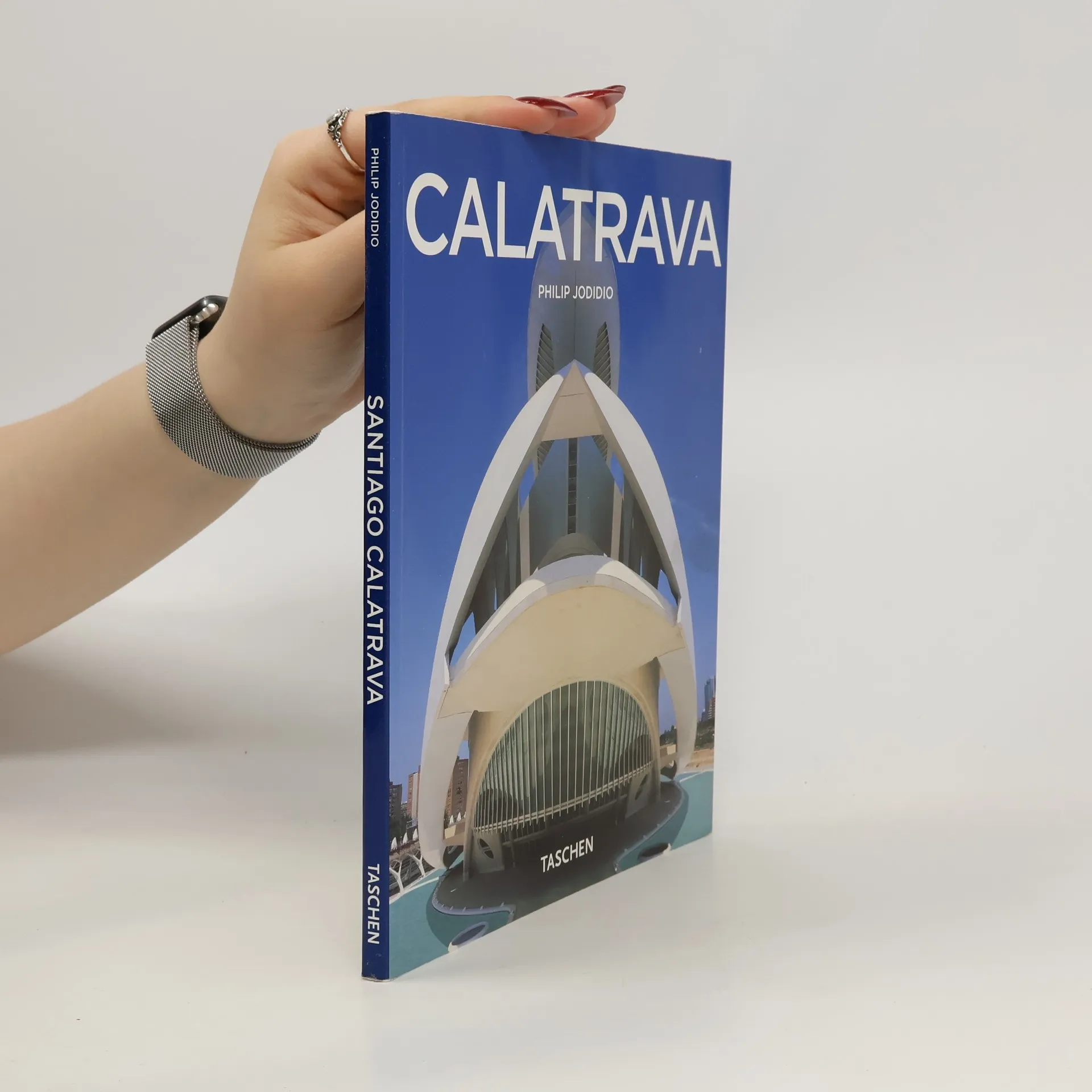
Santiago Calatrava je nejen jeden z nejvýznamnějších světových architektů, ale také konstruktér, sochař a malíř. Pověst nepřekonatelného architekta a stavitele stvrdil četnými projekty mostů po celém světě. Projekty z poslední doby - olympijský stadion v Athénách nebo nová železniční stanice v belgickém Lutychu, si vybudoval jméno v Evropě. Jeho práce na poli architektury úzce souvisí s kresbami lidského těla a se skulpturami geometrických tvarů, kterým se také věnuje a jež jsou inspirovány dynamikou, pohybem a napětím. Calatrava, nositel zlaté medaile American Institute of Architects z roku 2005 a jediný architekt, který kdy vystavoval v Museum of Modern Art a Metropolitan Museum of Art v New Yorku, je jedním z největších a nejavantgardnějších architektů dneška.
A classic, prize-winning novel about an epic migration and a lone woman haunted by the past in frontier Waipu. In the 1850s, a group of settlers established a community at Waipu in the northern part of New Zealand. They were led there by a stern preacher, Norman McLeod. The community had followed him from Scotland in 1817 to found a settlement in Nova Scotia, then subsequently to New Zealand via Australia. Their incredible journeys actually happened, and in this winner of the New Zealand Book Awards, Fiona Kidman breathes life and contemporary relevance into the facts by creating a remarkable fictional story of three women entangled in the migrations - Isabella, her daughter Annie and granddaughter Maria. McLeod's harsh leadership meant that anyone who ran counter to him had to live a life of secrets. The 'secrets' encapsulated the spirit of these women in their varied reactions to McLeod's strict edicts and connect the past to the present and future.
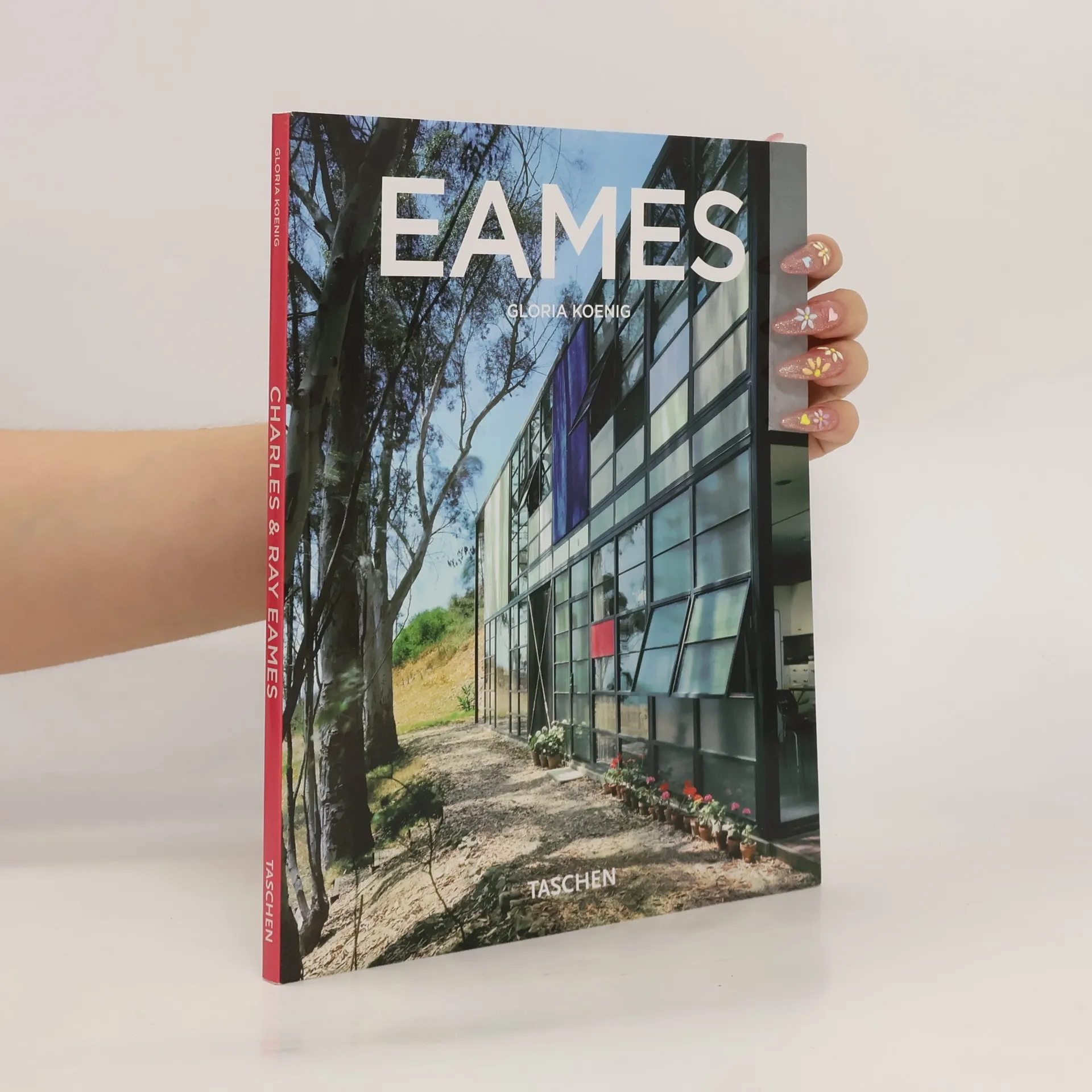
Eventually everything connects - people, ideas, objects, etc.,... the quality of the connections is the key to quality per se.- Charles Eames... everything hangs on something else.- Ray EamesNothing says modernist perfection like an Eames design. Though they are best known to the general public for their furniture, the husband and wife duo of Charles and Ray Eames (1907-78 and 1912-88, respectively) were also forerunners in the fields of architecture, industrial design, photography, and film. This book covers all the aspects of their illustrious career, from the earliest furniture experiments and molded plywood designs to the Case Study Houses to their work for Herman Miller and films such as the seminal short, Powers of Ten.
Erst legte er sich mit den Freunden des Historismus und der Wiener Ringstraßen-Architektur an, dann mit den Secessionisten, mit denen er gerade noch paktiert hatte. Nike Wagner zitiert in „Geist und Geschlecht“ einen Zeitgenossen von Adolf Loos (1870–1933), der ihn als den „Mann, der Nein sagt“ charakterisierte. Kaum jemand sagte mit mehr avantgardistischem Furor Nein als Loos: Nein zum Ornament, zum dekorativen Beiwerk, zu überflüssigen Details und zum irrationalen Wuchern. Als Architekt der Tabula rasa propagierte er eine Architektur der Einfachheit, in der die Form der Funktion folgt, aber luxuriösen Überfluss und das Spiel mit klassizistischen Elementen zulässt. Programmatisch ist sein Vortrag Ornament und Verbrechen (1913), in dem er gegen den antiquierten Unverstand seiner Zeitgenossen wettert. Bereits zu Beginn des 20. Jahrhunderts hatte er die Gelegenheit, seine Ideen baulich umzusetzen. Die schlicht-funktionalen Innenraumgestaltungen, die er für das Café Museum (1899), die American Bar (1908) oder das Modehaus Knize (1913) entwarf, brüskierten die Wiener. Sein berühmtestes Bauwerk, das Looshaus (1912), wurde als Provokation empfunden und soll sogar Kaiser Franz Joseph I. derart in Rage versetzt haben, dass er sich weigerte, den Michaelerplatz zu betreten. Das Looshaus und einige seiner Villen gelten als Schlüsselwerke der Moderne und machen mit den architektonischen Ideen von Loos vertraut.
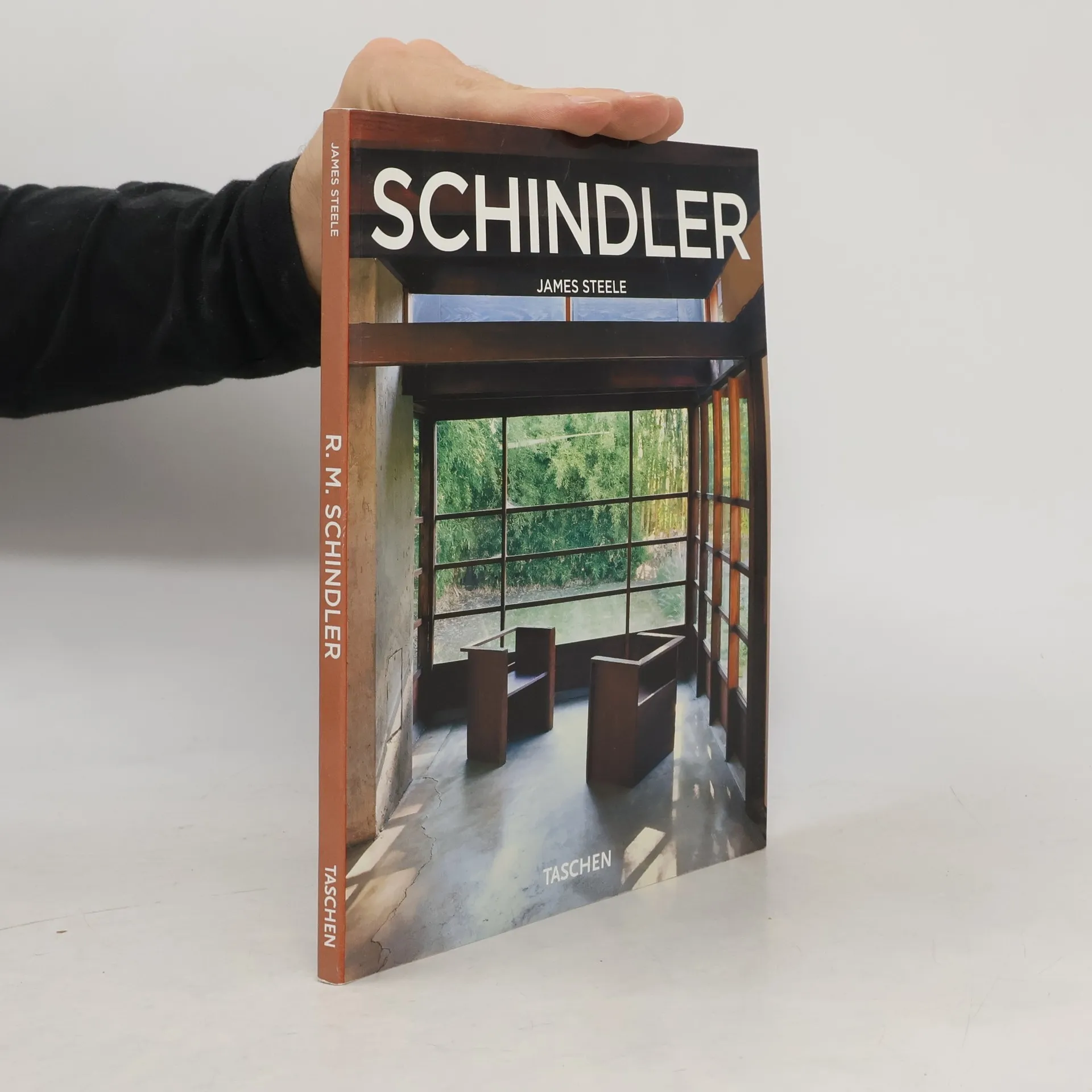
Maverick of mid-century American architecture "Each of my buildings deal with a different architectural problem, the existence of which has been forgotten in this period of Rational Mechanization. The question of whether a house is really a house is more important to me, than the fact that it is made of steel, glass, putty or hot air." - R. M. Schindler Hailing from Vienna, Rudolph Michael Schindler (1887-1953), like his colleague Richard Neutra, emigrated to the US and applied his International Style techniques to the movement that would come to be known as California Modernism. Influenced by the work of Frank Lloyd Wright and taking cues from spatial notions found in cubism, he developed a singular style characterized by geometrical shapes, bold lines, and association of materials such as wood and concrete, as seen in his own Hollywood home (built in 1921-22) and the house he designed for P.M. Lovell in Newport Beach (1923-24). About the Each book in TASCHEN’s Basic Architecture Series
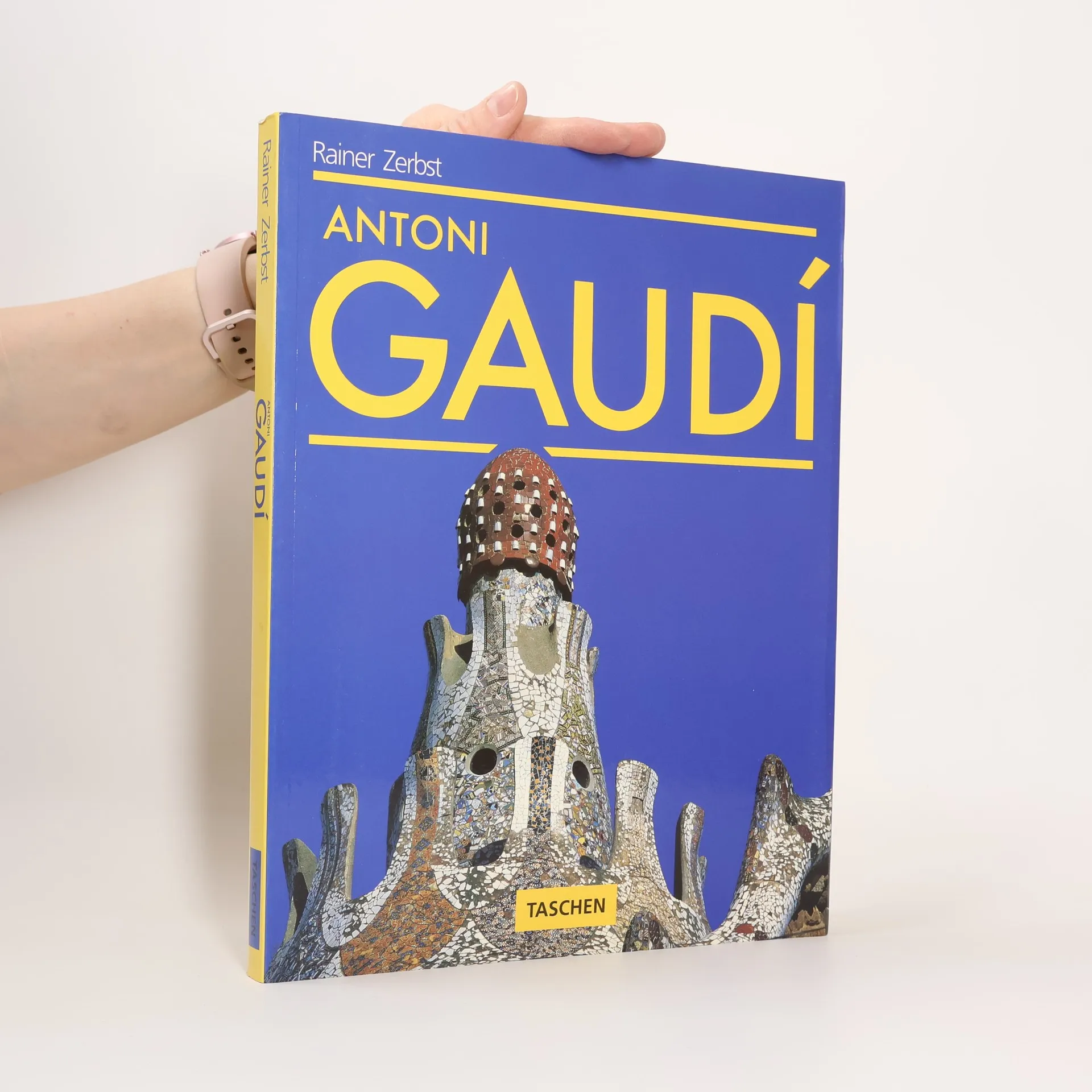
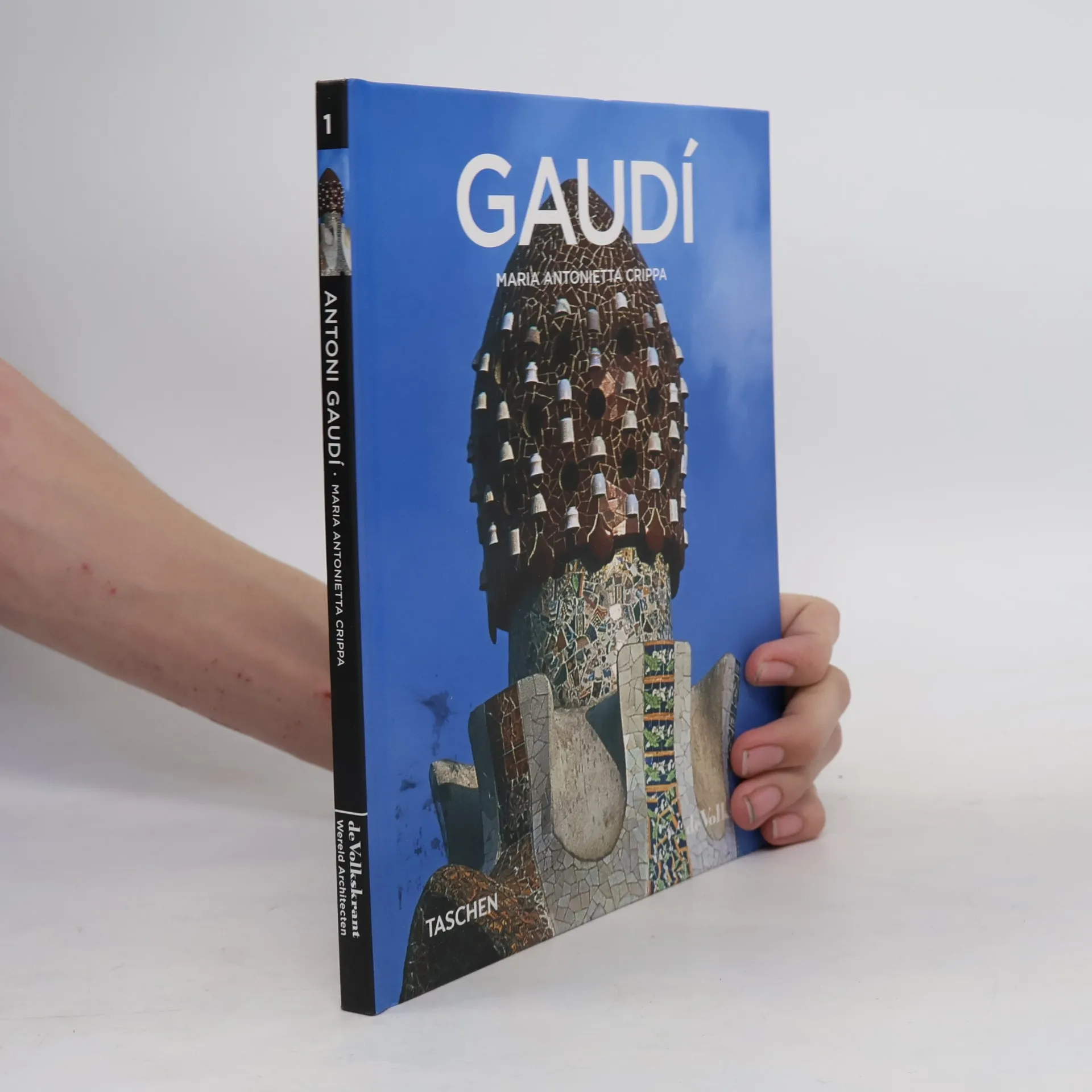
Inspiring, visionary buildings by the great Gaudí.Raised during the Industrial Revolution, Spanish architect Antoni Gaudí (1852-1926) strove to distinguish and reaffirm the identity of his native Catalonia as Spain and the rest of Europe modernized. Early neo-Gothic designs were the stepping-stone to the mature, original style that came to be synonymous with his name. Incorporating bold colors and odd bits of material into his designs, Gaudí created inspiring, visionary buildings and helped establish Barcelona (most notably with the still-unfinished Sagrada Família cathedral) as a city of the world.
German architect Hans Scharoun (1893-1972) studied and practiced architecture his entire adult life but did not build a major building until 1963 when his impressive Berlin Philharmonie finally came to life. Scharoun's sculptural designs were influenced by the Expressionist and Kubst und Werk circles in which he mingled, but his dramatic designs were highly singular and among the best of his generation.
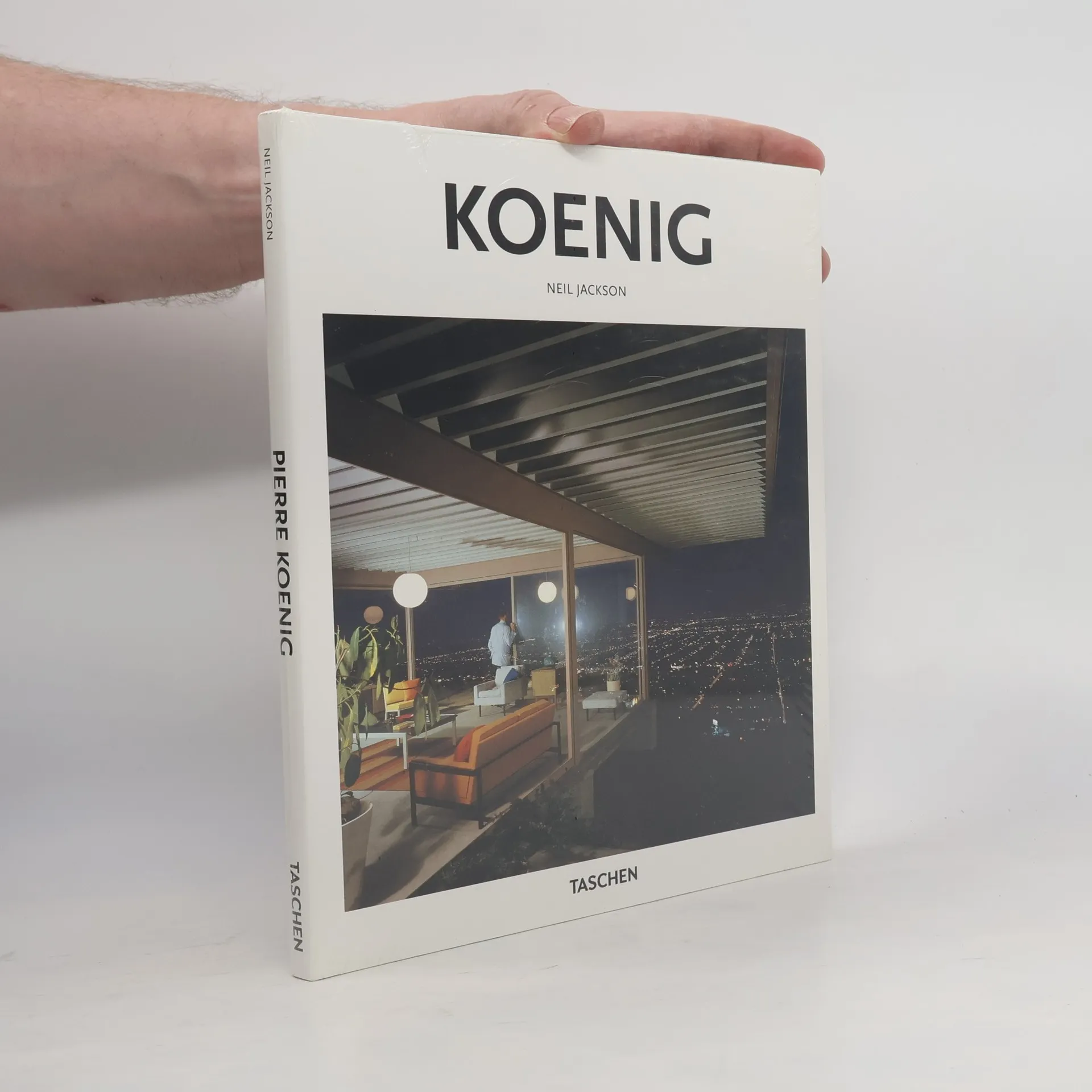
Immortalized in Julius Shulman's photograph of Case Study House #22, Pierre
Koenig is one of the leading figures of the Modern movement. With his two
contributions to the Case Study Houses program and many other pioneering
projects, he championed the streamlined elegance of industrial materials and
epitomized postwar experimentalism and optimism.
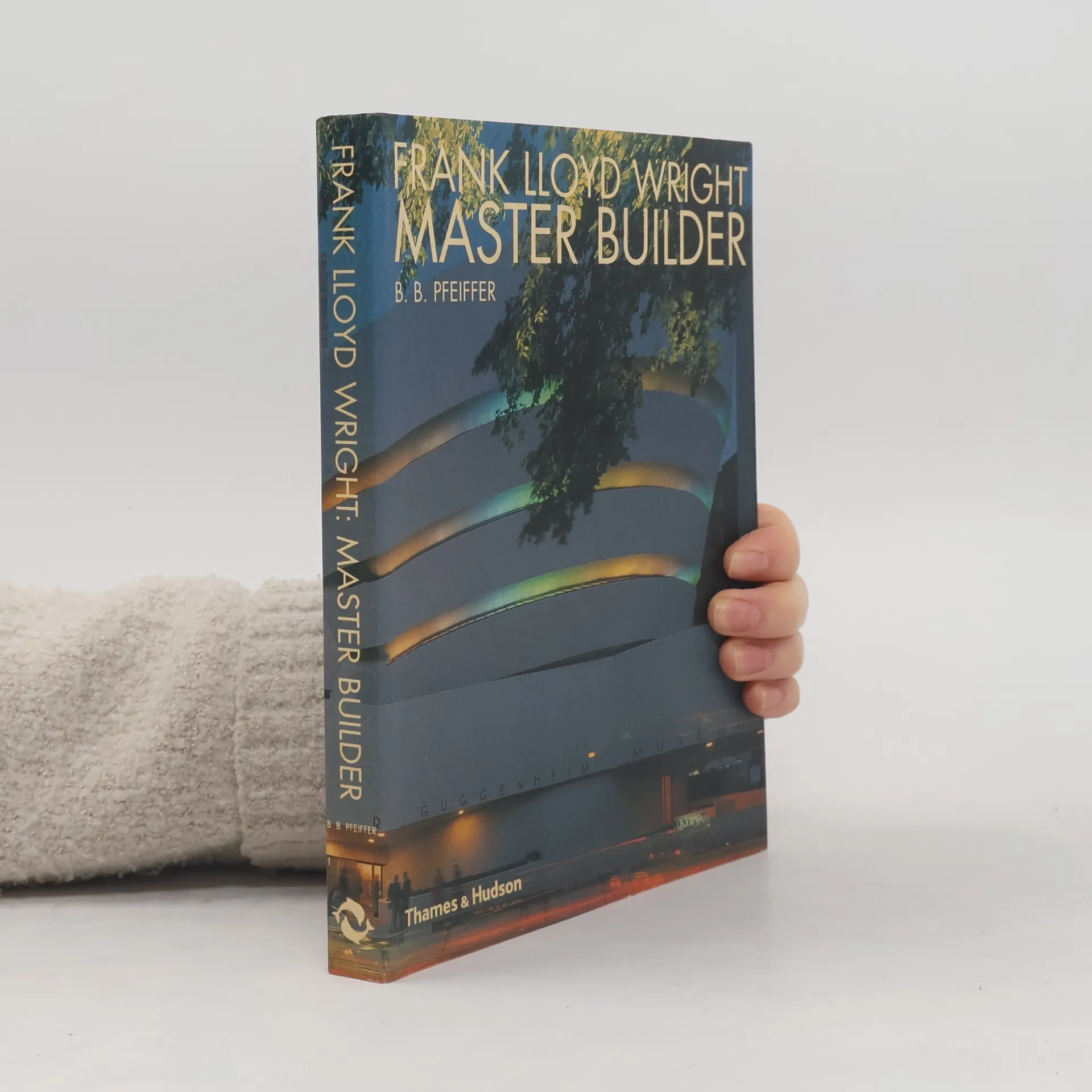
This is an insight into the career of 20th-century architect Frank Lloyd Wright. It features photographs, drawings and floorplans for more than 20 of his buildings, including his home and studio in Illinois and the Guggenheim Museum in New York. Each house is introduced with quotes from Wright.
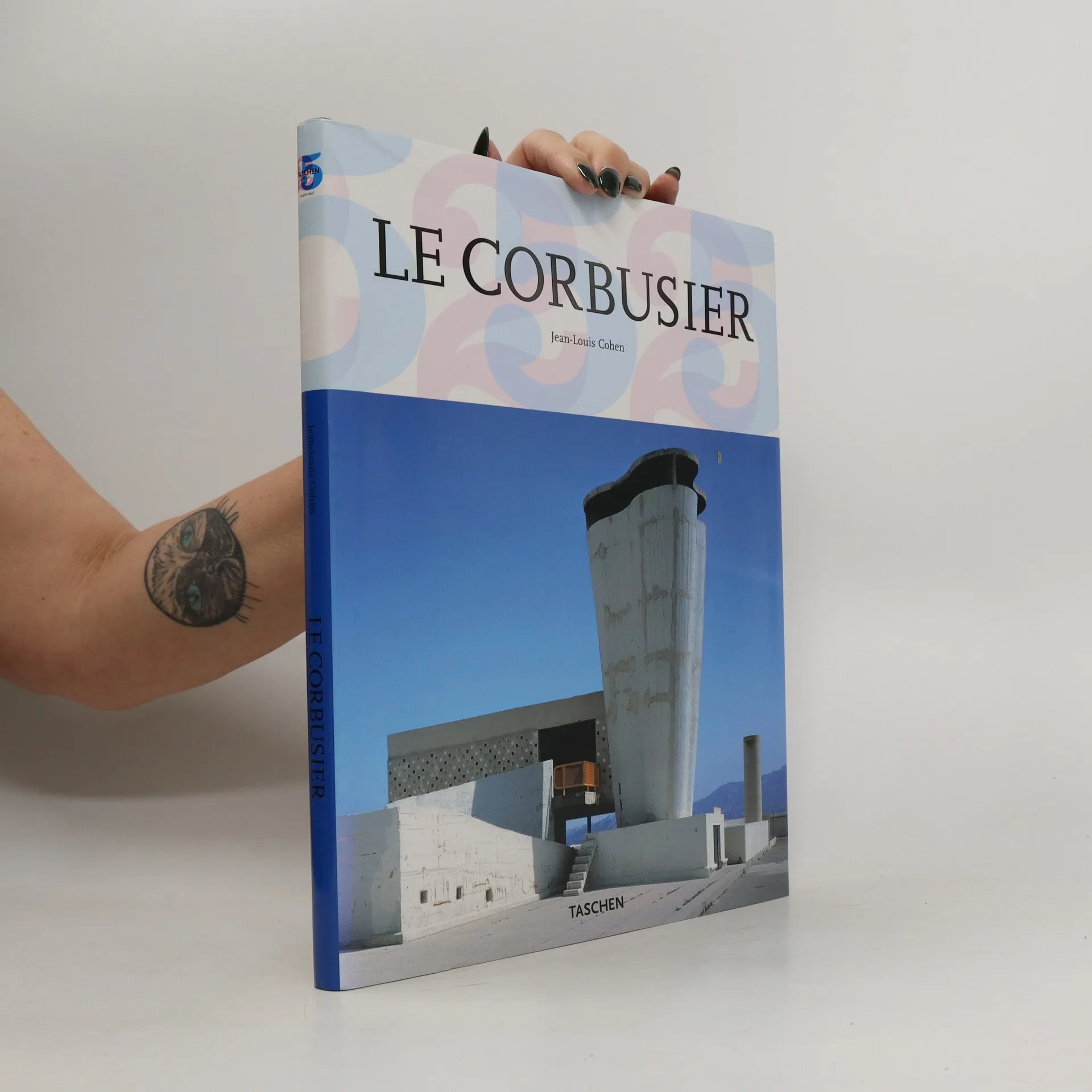
The few buildings Le Corbusier was able to design during the 1920s, when he also spent much of his time painting and writing, brought him to the forefront of modern architecture, but it wasn't until after World War II that his master works were constructed.
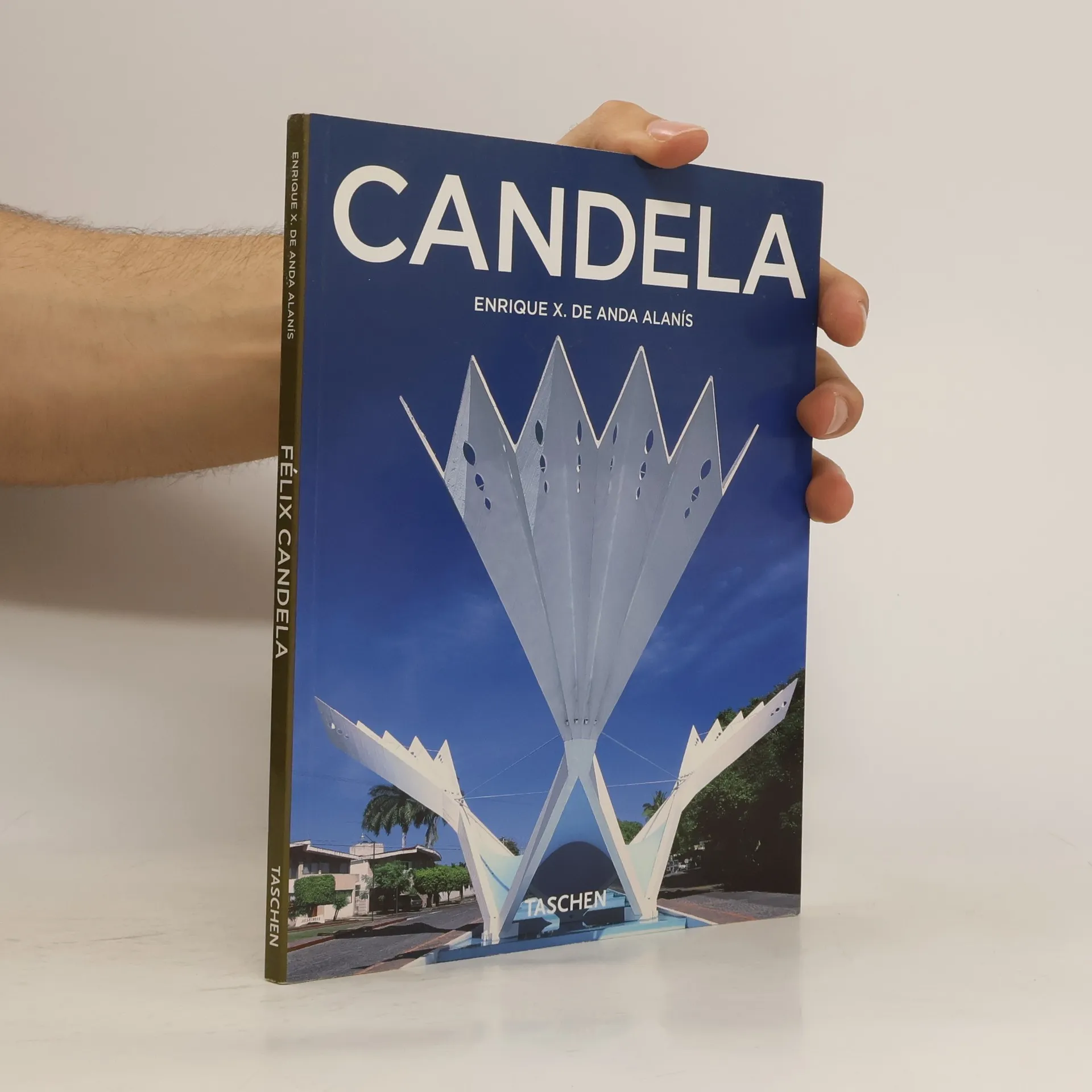
The focus of this monograph on Spanish-born Félix Candela (1919–1997) is on modern Mexican architecture and its international influence. Conducting daring structural experiments with materials such as reinforced concrete and experimenting with shell vaulting to find new methods to save costs and material in building, Candela not only succeeded in putting his engineering knowledge into high quality constructions but also into high quality architecture. Geometry marks his impressive sculptural work, not only in the industrial buildings but also in churches, restaurants, university buildings, and sport facilities. With this book, readers are invited to discover how construction problems result in poetic and bizarre forms, and how advances in engineering can lead to expressionist architecture.
ANTONI GAUDÍ (1852-1926), DE SPANJESE ARCHITECT DIE OPGEVOED IS TIJDENS DE INDUSTRIËLE REVOLUTIE, STREEFDE ERNAAR DE IDENTITEIT VAN ZIJN GEBOORTEGROND CATALONIË TE ONDERSCHEIDEN EN TE BEVESTIGEN TEGENOVER DE MODERNISERING VAN SPANJE EN DE REST VAN EUROPA. VROEGE NEO-GOTISCHE ONTWERPEN VORMDEN DE BASIS VOOR DE VOLWASSEN, ORIGINELE STIJL DIE SYNONIEM IS GEWORDEN VOOR ZIJN NAAM. DOOR DARE KLEUREN EN BIJZONDERE MATERIALEN IN ZIJN ONTWERPEN OP TE NEMEN, CREËERDE GAUDÍ INSPIRERENDE, VISIONAIRE GEBOUWEN EN DROEG HIJ BIJ AAN DE OPSTAND VAN BARCELONA (VOORNAMELIJK MET DE NOG NIET VOLTOOIDE SAGRADA FAMILIA KATHEDRAAL) ALS EEN WERELDSTAD.