

W najnowszej książce Güntera Grassa autentyczność góruje nad fikcją, a pamięć nad wyobraźnią. Autor, wspominając swoje dwadzieścia młodych lat, stawia siebie w roli głównej, przeplatając ciepłe, nostalgiczne i gorzkie wspomnienia. Akcja rozpoczyna się 1 września 1939 roku, kiedy to wybuch drugiej wojny światowej oznacza kres dzieciństwa dla 12-letniego gdańszczanina. Zakończenie książki to rok 1959, kiedy to odbywa się premiera Blaszanego bębenka, co staje się początkiem jego literackiej kariery. Między tymi datami autor opisuje burzliwe czasy, dramatyczne losy, młodzieńcze zaślepienia i zaniechania, które po latach są surowo oceniane. Główne motywy to bolesny rozrachunek z przeszłością, miłość do matki, kobiet i rodzinnego Gdańska, a także walka o przetrwanie w trudnych warunkach wojennych i powojennych. Książka zyskała ogromne zainteresowanie na całym świecie, zwłaszcza po ujawnieniu przez autora tajemnicy, że w wieku 17 lat służył jako czołgista w Waffen-SS. Dla wielu fanów było to zaskoczenie, a dla krytyków pretekst do ataków. Ten wojenny epizod wydaje się jednak jedynie skazą na życiorysie wielkiego pisarza, gdańskiego patrioty i orędownika niemiecko-polskiego pojednania.
Trylogia autobiograficzna Seria
W tej trylogii autor, Jerzy Kosiński, odkrywa głębiny pamięci, ukazując kształtowanie się tożsamości od wczesnego dzieciństwa aż po młodość. Przez pryzmat kluczowych momentów życia, w tym doświadczeń wojennych i artystycznych początków, Kosiński dzieli się intymnymi refleksjami na temat poszukiwania siebie, miłości i sztuki, które poruszają czytelników swoją szczerością i humorem.

Polecana kolejność czytania
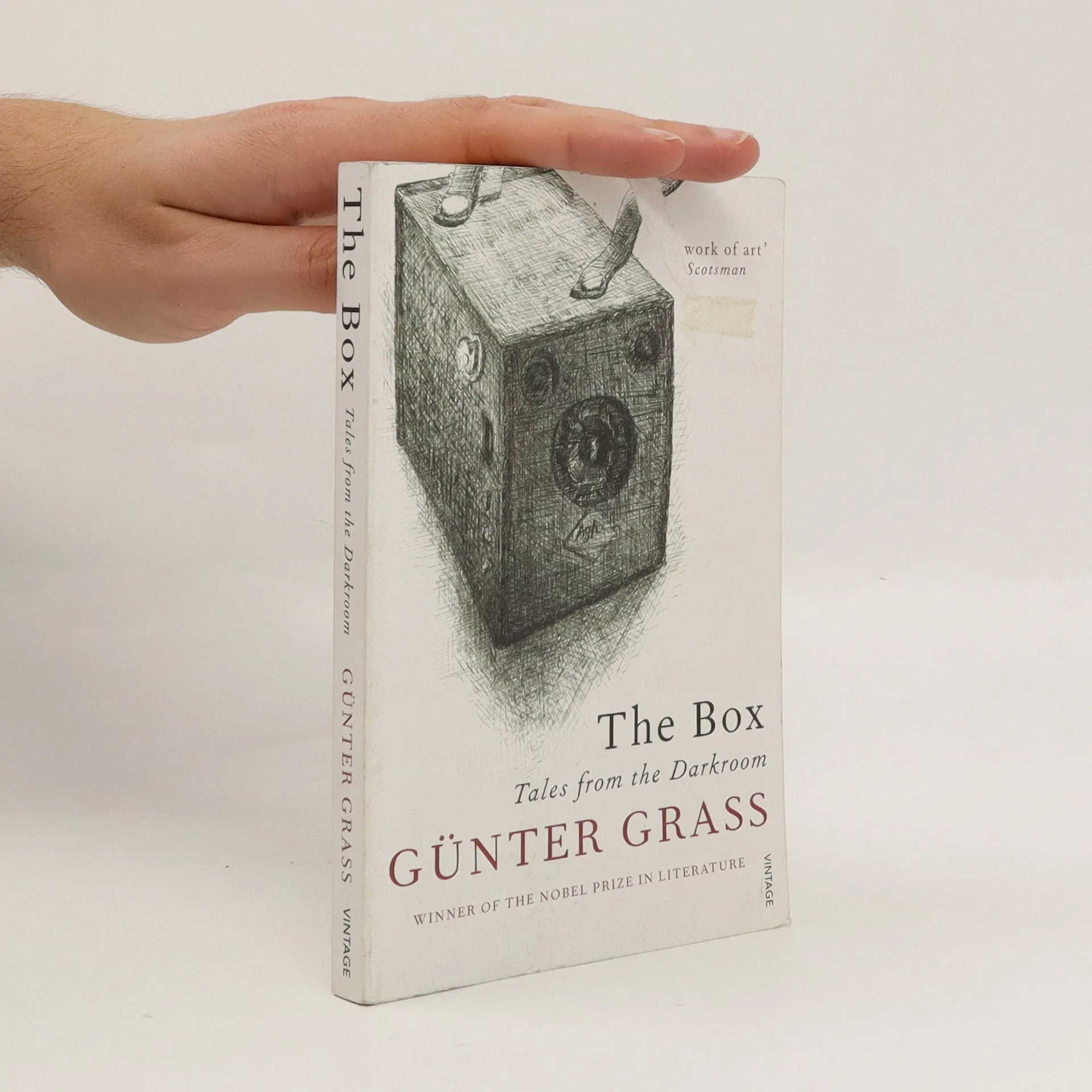
In this delightful sequel to Peeling the Onion, G�nter Grass writes in the voices of his eight children as they record memories of their childhoods, of growing up, of their father, who was always at work on a new book, always at the margins of their lives. Memories contradictory, critical, loving, accusatory - they piece together an intimate picture of this most public of men. To say nothing of Marie, Grass's assistant, a family friend of many years, perhaps even a lover, whose snapshots taken with an old-fashioned Agfa box camera provide the author with ideas for his work. But her images offer much more. They reveals a truth beyond the ordinary details of life, depict the future, tell what might have been, grant the wishes in visual form of those photographed. The children speculate on the nature of this magic: was the enchanted camera a source of inspiration for their father? Did it represent the power of art itself? Was it the eye of God? 'With his magical story of Marie's all-seeing camera, he transforms the facts of his headlong but loving life into something far more potent than reportage' Sunday Herald 'A short, often charming book...richly comic' The Times 'Beautifully-written sequel to Peeling the Onion' Daily Telegraph
As the Berlin Wall crumbled and the two Germanys became one, Grass was one of a few who spoke out against reunification. In this collection of speeches and debates on the factors destined to reshape Europe, he is caustic, indignant, reflective, and compelling. Translated by Krishna Winston with A. S. Wensinger. A Helen and Kurt Wolff Book
Powiązane tytuły
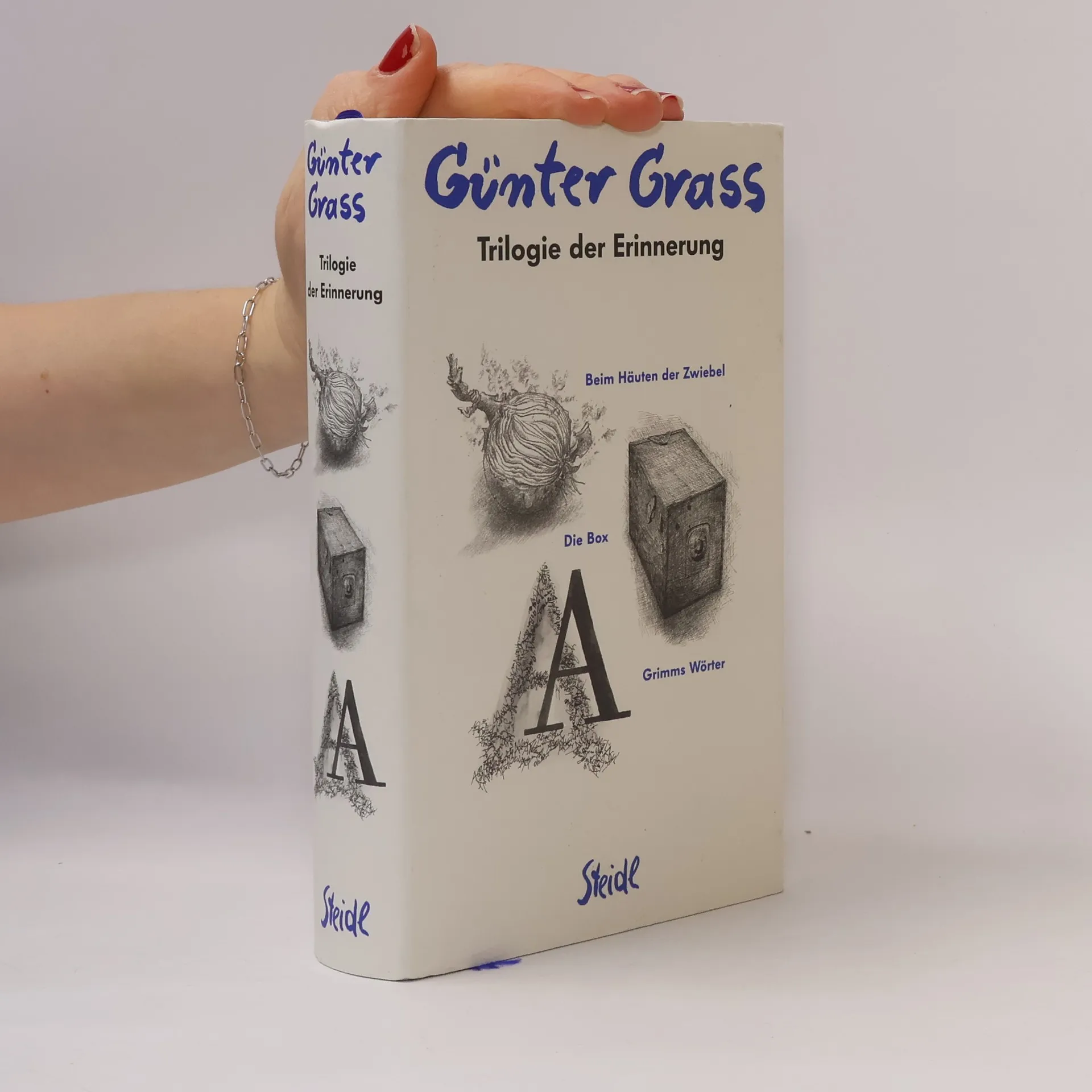
'Mit der Veröffentlichung von ›Grimms Wörter‹ endete ein siebeneinhalb Jahre andauernder Prozeß, der aus dreimal wechselnder Sicht mich zum Gegenstand hatte: als Jugendlicher, als Vater und als politisch engagierter Bürger. Während einer vergleichbar langen Schreibperiode war vor fünfzig Jahren die ›Danziger Trilogie‹ entstanden, und wie ›Die Blechtrommel‹, ›Katz und Maus‹ und ›Hundejahre‹ den Beginn meiner Existenz als Schriftsteller markierten, so fügten sich ›Beim Häuten der Zwiebel‹, ›Die Box‹ und ›Grimms Wörter‹ zur abschließenden Trilogie, die, wäre es nicht vermessen, unter dem traditionsreichen Titel ›Aus meinem Leben‹ stehen könnte.' Günter Grass, Sechs Jahrzehnte