

Bookbot

Trylogia Ukochana

Sethe, była niewolnica, wraca do Cincinnati, gdzie zmaga się z traumą przeszłości i duchami, które ją prześladują. W jej domu, pełnym bólu i wspomnień, walczy o wolność i spokój dla siebie oraz swoich bliskich. W tej poruszającej opowieści o miłości i stracie, przeszłość nieustannie wpływa na teraźniejszość, a każdy krok ku odkupieniu staje się wyzwaniem.

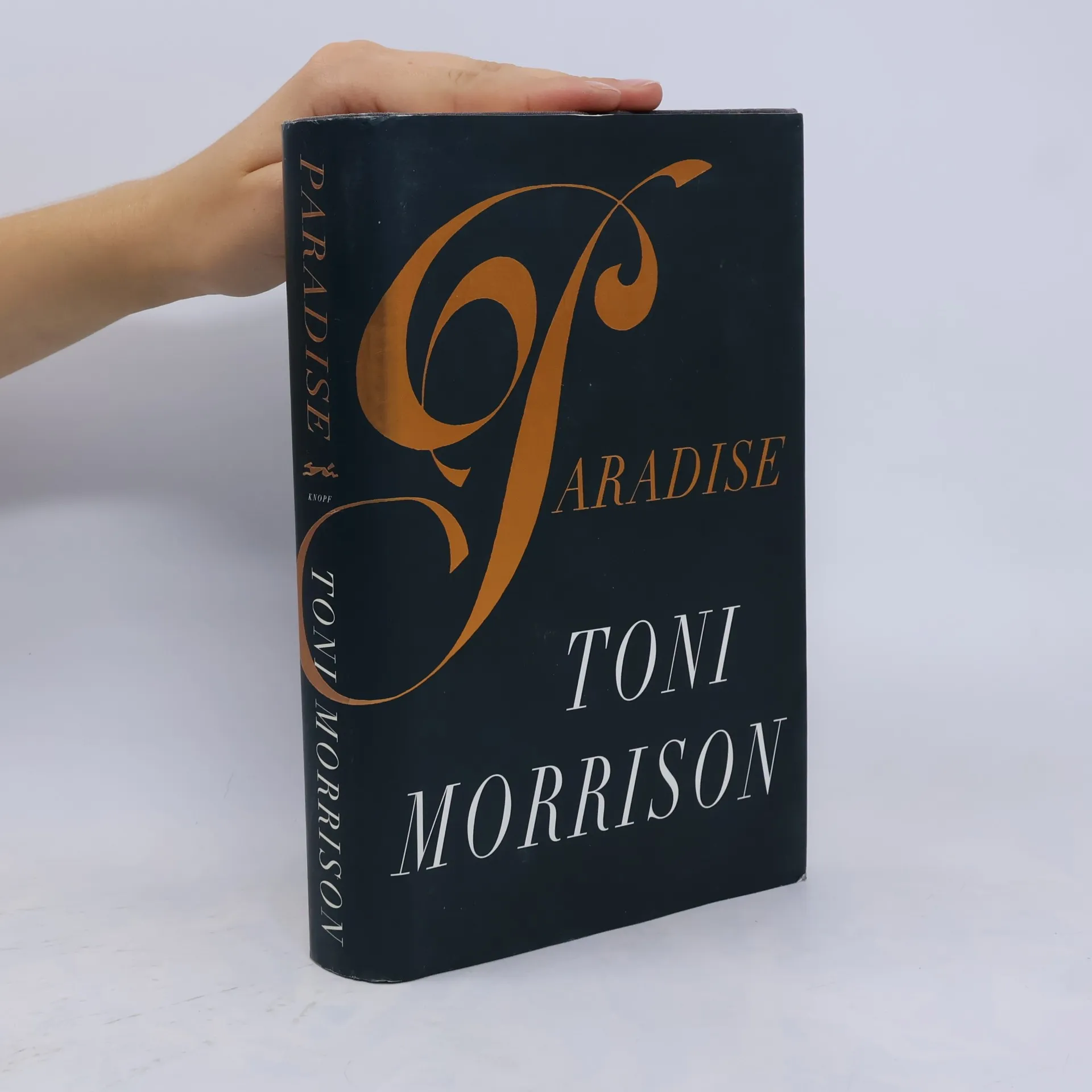
Paradise
Jazz
Umiłowana

Polecana kolejność czytania

  1. Umiłowana

    • 392 strony
    • 14 godzin czytania

    Najsłynniejsze dzieło noblistki Toni Morrison w nowym tłumaczeniu Kai Gucio. Nagrodzona Pulitzerem powieść arcydzieło, która zmieniła amerykańską literaturę. Osiemnaście lat temu Sethe udało się uciec i od tego czasu nie jest już niewolnicą. Mieszka w Ohio wraz z córką Denver oraz teściową. Nie czuje się jednak wolna. Wciąż dręczą ją wspomnienia z poprzedniego życia, a jej dom nawiedza duch utraconego dziecka. To bezimienna córka Sethe, na której grobie wyryto tylko jedno słowo: Umiłowana. Toni Morrison w mistrzowski sposób utrwaliła w literaturze niewyobrażalne doświadczenie niewolnictwa, które odebrało życie milionom istnień. A jednocześnie z czułością oraz nadzieją pokazuje, że zrozumienie i wybaczenie to jedyne sposoby, aby historia się nie powtórzyła.

    Umiłowana1
    4,0
  2. Morrison's eagerly awaited new novel, "Jazz," is spellbinding for the haunting passion of its profound love story, and for the bittersweet lyricism and refined sensuality of its powerful and elegant style.

    Jazz2
    3,9
  3. "They shoot the white girl first. With the rest they can take their time.” This chilling opening sets the stage for a narrative steeped in violence and its roots within an all-black small town in rural Oklahoma. In her first novel after receiving the Nobel Prize for Literature, Toni Morrison delivers a powerful exploration of a community's tumultuous history. The story unfolds in 1976, as nine men from Ruby, a town of 360 residents, attack the nearby Convent and its women, defending their "one all-black town worth the pain." Tracing Ruby's origins from 1890 to the day of the assault, the narrative delves into the complexities of a people acutely aware of their past and the looming threat of external evil. Founded by descendants of freed slaves, Ruby embodies a patriarchal society steeped in righteousness and fear. Meanwhile, a group of women seeking refuge from despair has formed just seventeen miles away. The assault on the Convent becomes an outlet for the men's pain and rage. Through lyrical prose that resonates with the grandeur of an epic poem, Morrison challenges entrenched beliefs, intertwining folklore, history, and myth in a profound meditation on race, religion, gender, and the enduring impact of a distant past.

    Paradise3
    3,6