Ancient Greek
- 270 stron
- 10 godzin czytania
Ruck's innovative approach makes Ancient Greek: A New Approach useful not only in the classroom but for general self-instruction as well.
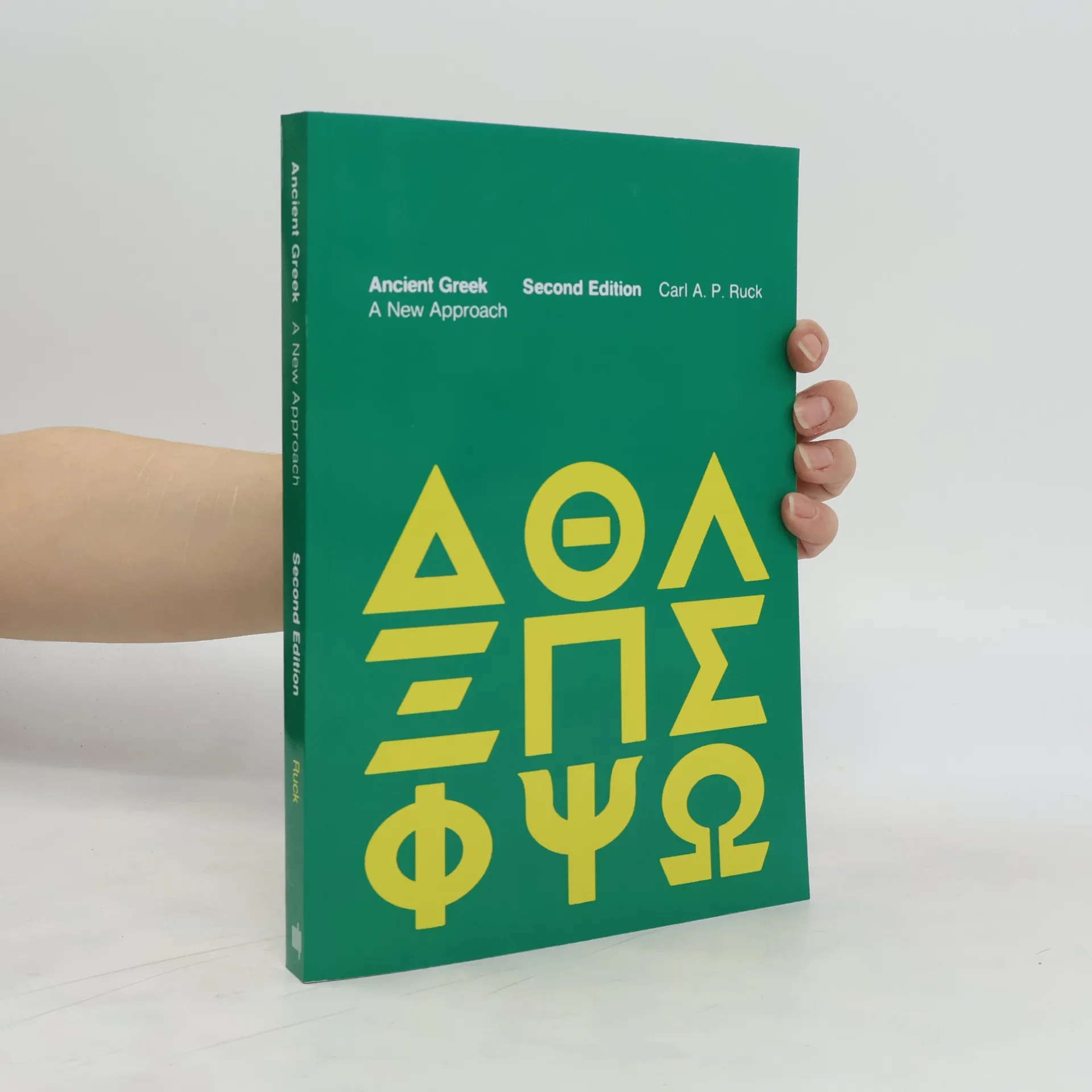



Ruck's innovative approach makes Ancient Greek: A New Approach useful not only in the classroom but for general self-instruction as well.
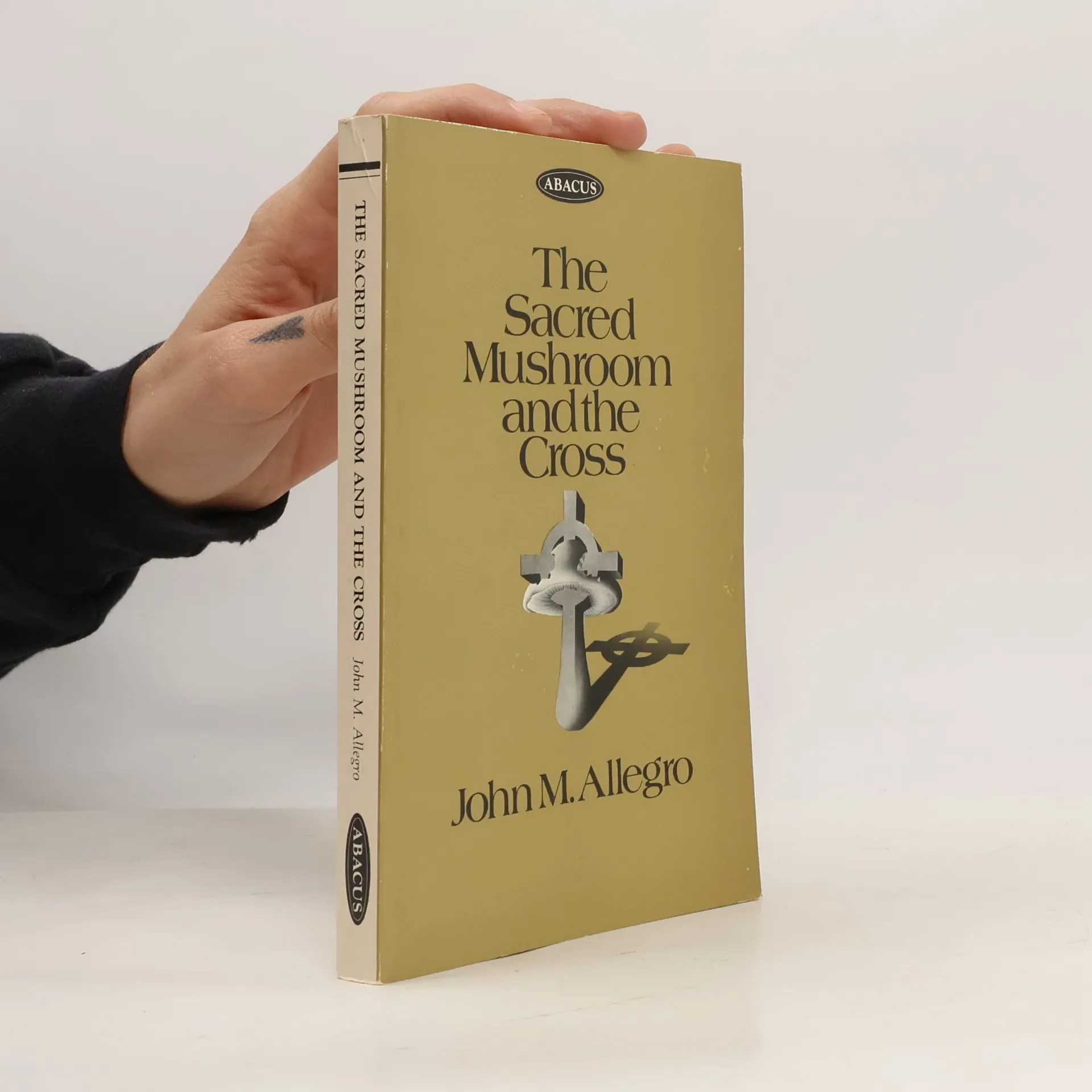
a study of the nature and origins of Christianity within the fertility cults of the ancient Near East
The Sacred Mushroom & the Cross explores a philosophy rooted in ancient sacred texts, suggesting a common linguistic thread among Sumerian, Indo-European, and Semitic cultures. Allegro deciphers names in hymns and epics, proposing that a fertility cult using amanita muscaria as a means to divine understanding underpins many religions, including Christianity. The mushroom symbolizes the divine on earth, and its secretive lore is believed to be encoded in folktales, forming the basis of New Testament narratives as a means to propagate mushroom worship. Allegro's examination of Sumerian cuneiform texts attempts to trace biblical terms back to their original meanings, though his claims faced criticism for lacking substantiation. Despite this, the controversy sparked interest in understanding the fertility concept's role in religion and the intertwined evolution of language and belief systems. In 2006, Jan Irvin and Andrew Rutajit published a work dedicated to Allegro, which substantiates many of his ideas through iconographic and symbolic analysis, demonstrating a resurgence of interest in his Grand Unifying Theory of Religion. Allegro's theories, initially dismissed, are now being revisited, highlighting the significance of ancient fertility worship in shaping religious narratives.
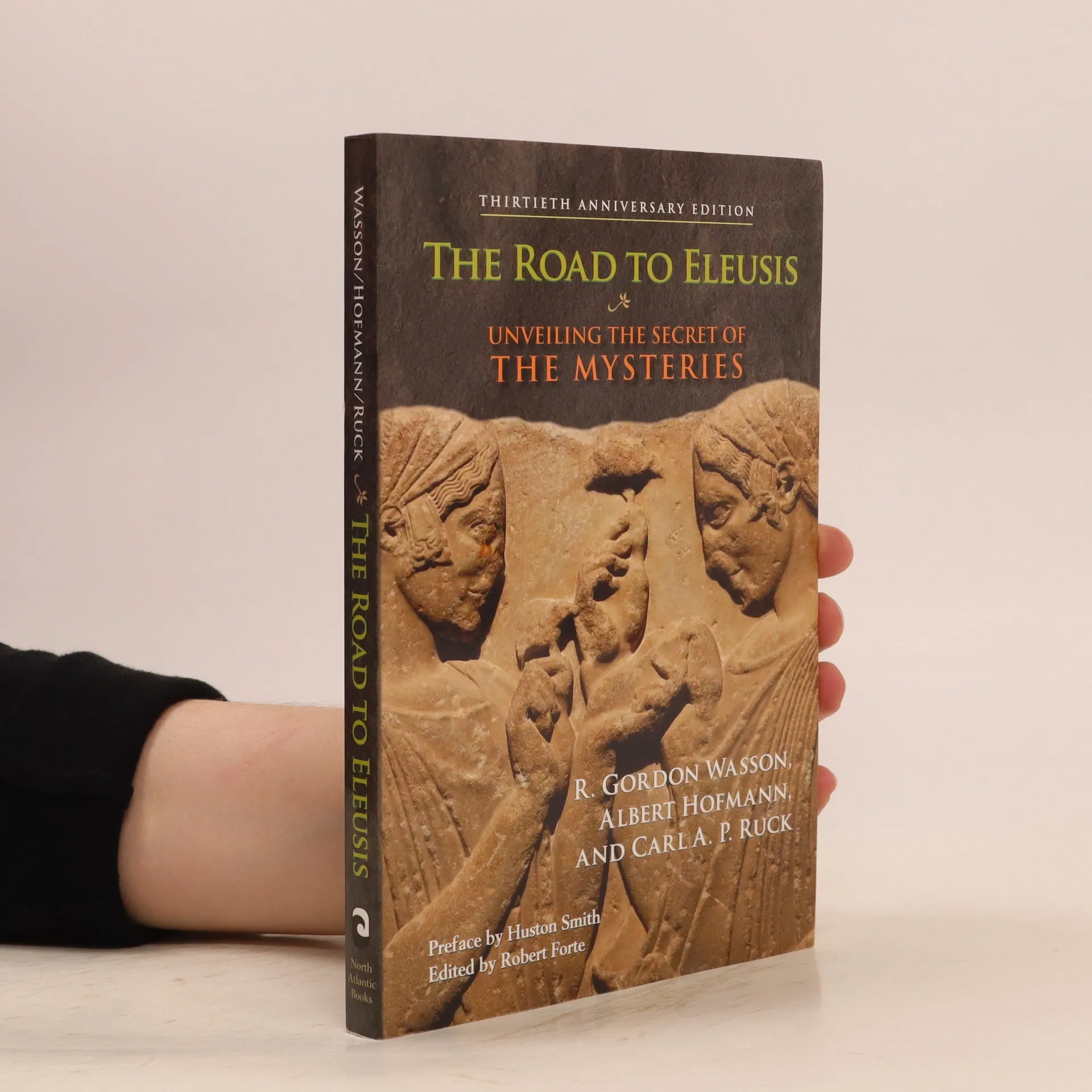
The secretive Mysteries conducted at Eleusis in Greece for nearly two millennia have long puzzled scholars with strange accounts of initiates experiencing otherworldly journeys. In this groundbreaking work, three experts—a mycologist, a chemist and a historian—argue persuasively that the sacred potion given to participants in the course of the ritual contained a psychoactive entheogen. The authors then expand the discussion to show that natural psychedelic agents have been used in spiritual rituals across history and cultures. Although controversial when first published in 1978, the book’s hypothesis has become more widely accepted in recent years, as knowledge of ethnobotany has deepened. The authors have played critical roles in the modern rediscovery of entheogens, and The Road to Eleusis presents an authoritative exposition of their views. The book’s themes of the universality of experiential religion, the suppression of that knowledge by exploitative forces, and the use of psychedelics to reconcile the human and natural worlds make it a fascinating and timely read. This 30th anniversary edition includes an appreciative preface by religious scholar Huston Smith and an updated exploration of the chemical evidence by Peter Webster.
A fascinating tour of the mushroom-centered mystery religions which have profoundly influenced Western civilization.