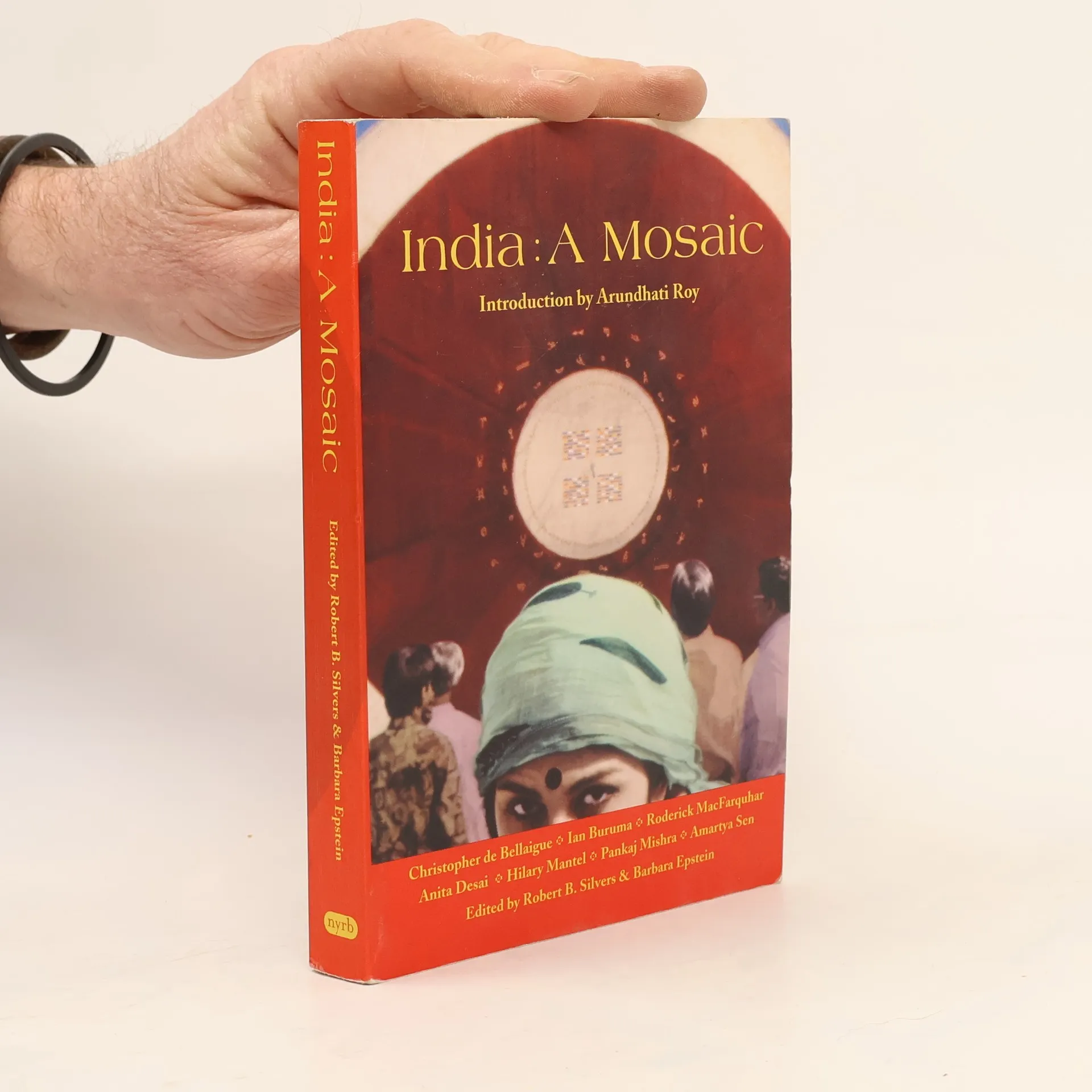
How can we understand India today, fifty years after Independence and only months after its nuclear tests outraged the world? The novelist Arundhati Roy has written, specially for this collection, a fierce denunciation of the Indian nuclear program, which serves as an introduction to nine essays on India, all originally published in The New York Review of Books . In this volume, seven distinguished writers offer penetrating insights into the complexities of the subcontinent. Roderick MacFarquhar reflects on the legacy of Empire and Partition, Ian Buruma considers secularism and Indian democracy, Pankaj Mishra remembers life in Benares, and Christopher de Bellaigue writes on a violent Bombay. But the volatile intersections of history, politics, and culture on which they focus haunt Indian literature too, as shown in essays by Nobel Prize-winner Amartya Sen on Rabindranath Tagore, Hilary Mantel on Rohinton Mistry, and Anita Desai on Indian women's writing.
Barbara Epstein Kolejność książek (chronologicznie)


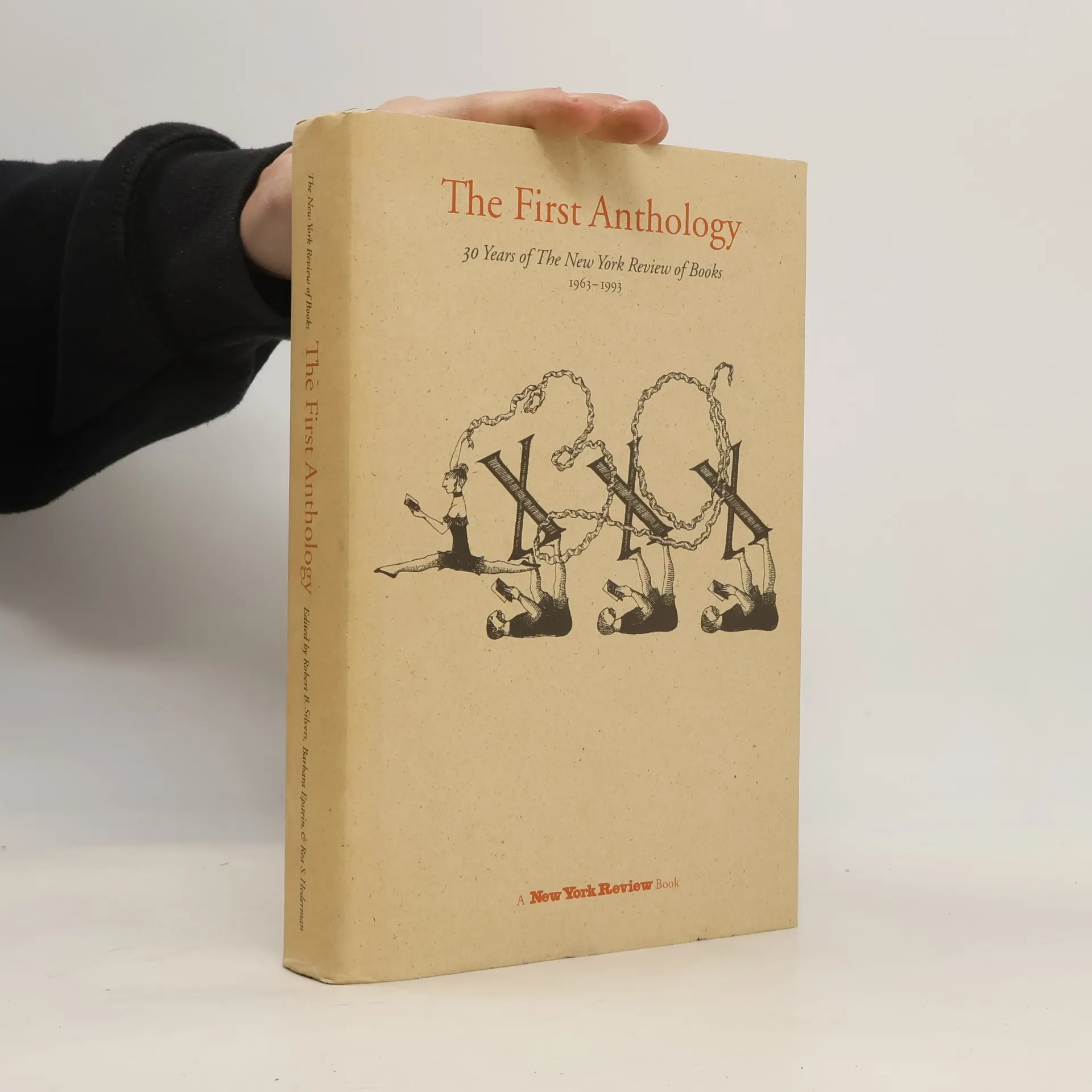
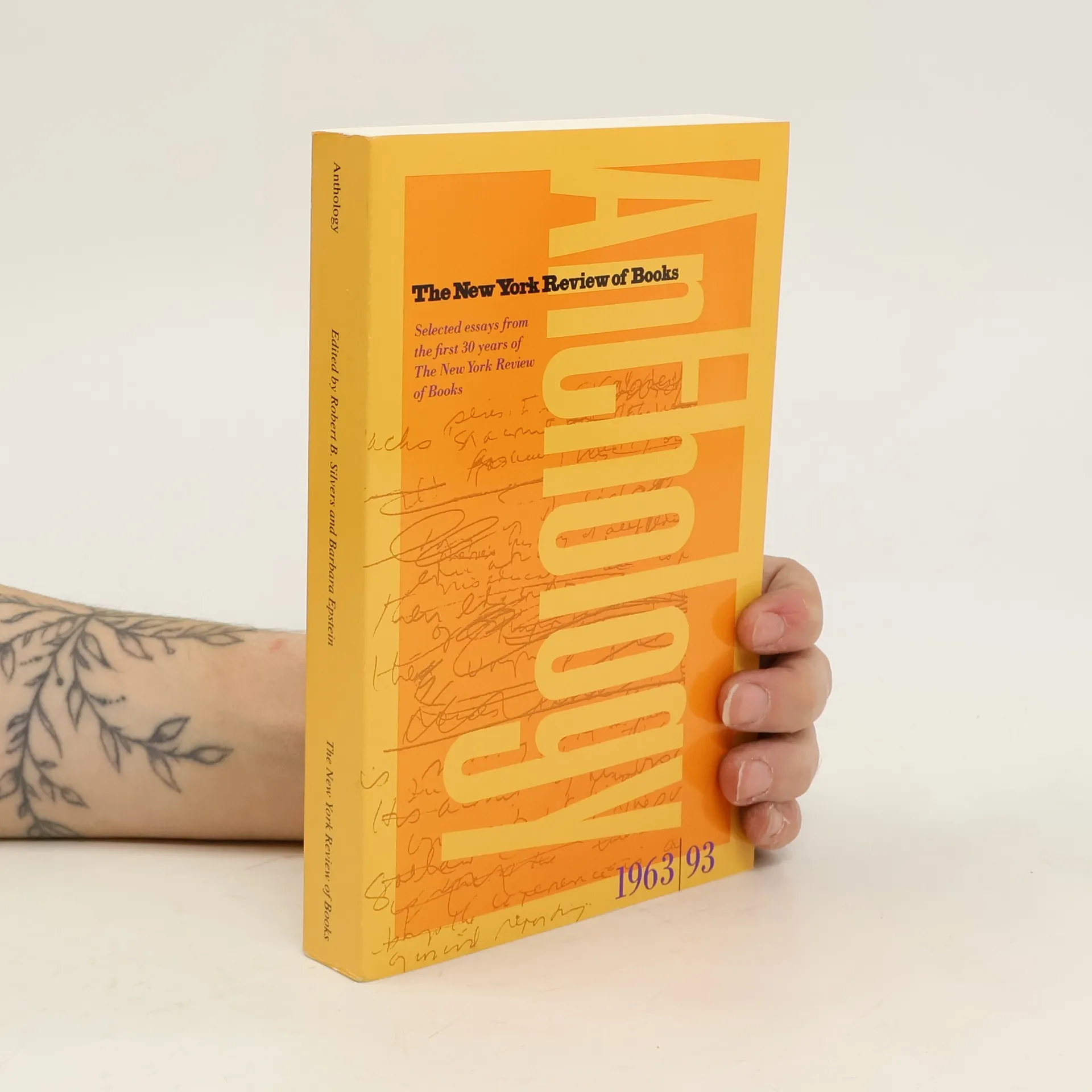
The New York Review of Books: The First Anthology
30 Years of the New York Review of Books
- 345 stron
- 13 godzin czytania
This anthology marks the first hard-cover collection from The New York Review of Books since its inception in 1963, compiling twenty-three essays from some of the world's finest writers over three decades. The collection features political commentary, including reflections on Vietnam, Dwight Macdonald's visit to President Johnson's 1965 arts festival, and Andrei Sakharov's essay "How I Came to Dissent." Personal narratives include Gore Vidal's portrait of Amelia Earhart, Oliver Sacks's account of a mountain accident, and Primo Levi's memoir of his last Christmas at Auschwitz. Several essays anticipate contemporary issues, such as Elizabeth Hardwick's report on the 1966 Watts riots and Hannah Arendt's "Reflections on Violence," which discusses a century of conflict. Notable essays like Susan Sontag's "On Photography" and Joan Didion's "In El Salvador" later inspired well-known books. Art critiques feature Robert Hughes's take on Andy Warhol and John Richardson's review of a 1980 Picasso retrospective. The anthology also includes literary and musical essays by Robert Lowell on Sylvia Plath, V.S. Pritchett on Balzac, and Igor Stravinsky on Beethoven. W.H. Auden reviews Oliver Sacks's "Migraine," and other contributions evoke figures like Marlene Dietrich and Alexander Herzen, while Joseph Brodsky reflects on his friendship with Nadezhda Mandelstam, and Bruce Chatwin portrays Ernst Junger as a German officer in occupied Paris.