

Bookbot

Nicholas A. Christakis

    7 maja 1962
    W sieci
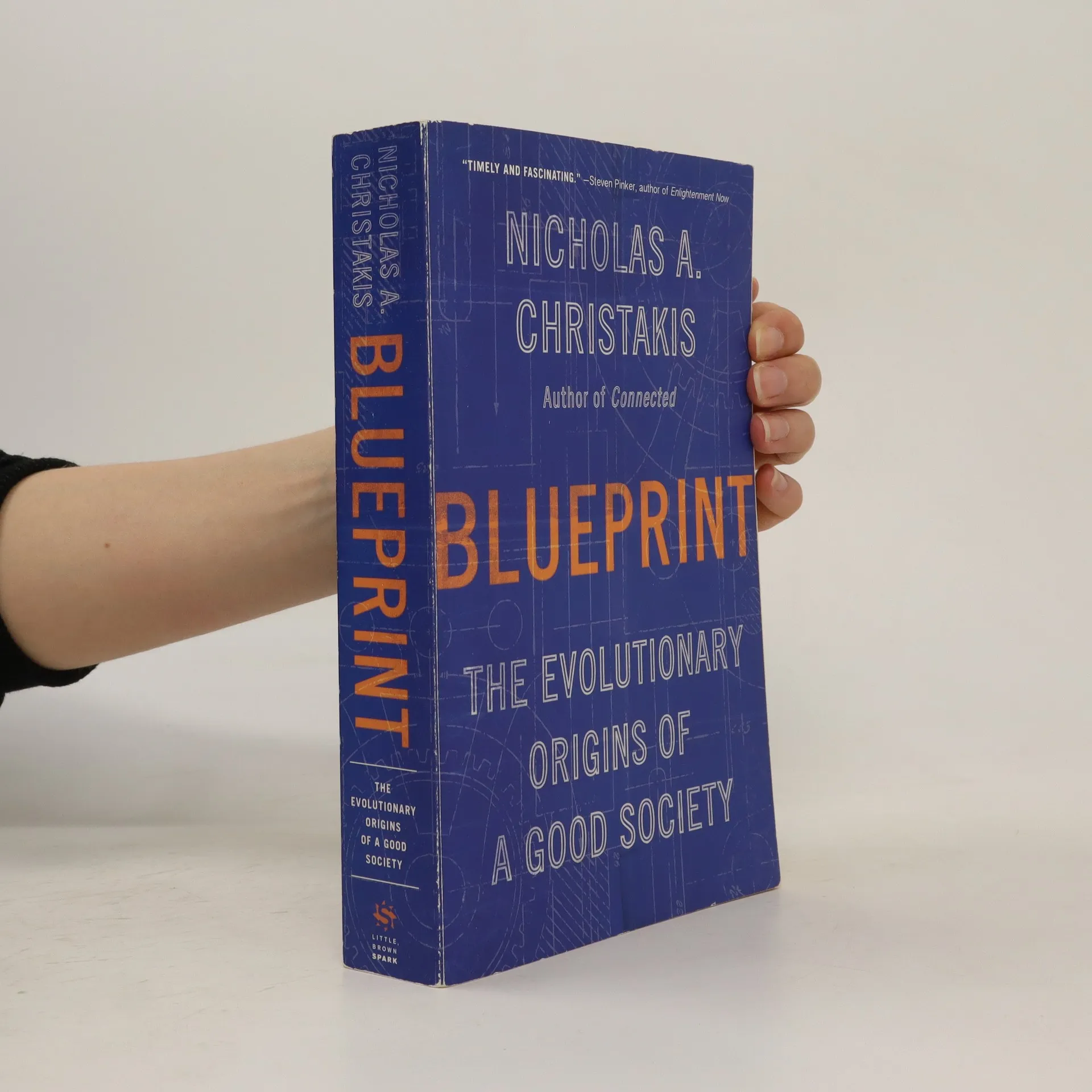
    Blueprint
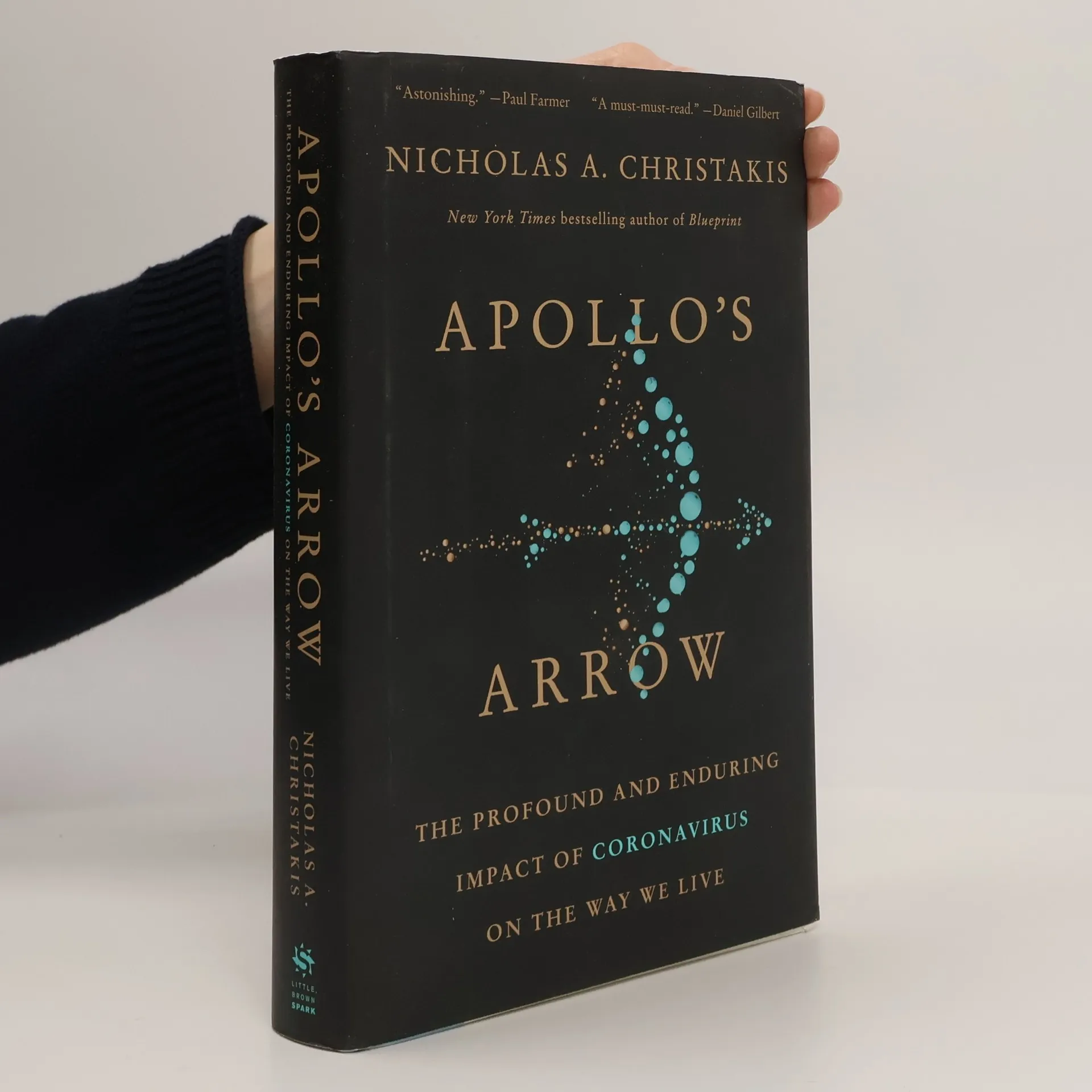
    Apollo´s Arrow
    • Apollo´s Arrow

      • 288 stron
      • 11 godzin czytania

      A piercing and scientifically grounded look at the emergence of the coronavirus pandemic and how it will change the way we live -- "this year's must-must-read." (Daniel Gilbert) Apollo's Arrow offers a riveting account of the impact of the coronavirus pandemic as it swept through American society in 2020, and of how the recovery will unfold in the coming years. Drawing on momentous (yet dimly remembered) historical epidemics, contemporary analyses, and cutting-edge research from a range of scientific disciplines, bestselling author, physician, sociologist, and public health expert Nicholas A. Christakis explores what it means to live in a time of plague -- an experience that is paradoxically uncommon to the vast majority of humans who are alive, yet deeply fundamental to our species. Unleashing new divisions in our society as well as opportunities for cooperation, this 21st-century pandemic has upended our lives in ways that will test, but not vanquish, our already frayed collective culture. Featuring new, provocative arguments and vivid examples ranging across medicine, history, sociology, epidemiology, data science, and genetics, Apollo's Arrow envisions what happens when the great force of a deadly germ meets the enduring reality of our evolved social nature.

      Apollo´s Arrow
      4,0
    • Blueprint

      • 544 strony
      • 20 godzin czytania

      Drawing on advances in various scientific fields, this work reveals how evolution has set us on a humane path, highlighting our shared humanity. While much focus has been placed on the darker aspects of our biological heritage—such as aggression and self-interest—natural selection has also endowed us with beneficial social traits like love, cooperation, and learning. Beneath our inventions and societal structures lies an innate tendency to foster a good society. The author presents the idea that our genes influence not only our physical and behavioral traits but also the formation of societies that share striking similarities across the globe. Through vivid examples from diverse cultures, historical events, and even animal behaviors, the text illustrates that, despite a history marked by violence, we are inherently inclined toward goodness. In an era of political and economic division, it is easy to overlook the positive aspects of our evolutionary past. By examining the ancient roots of our societal goodness, the work emphasizes that our genetic makeup has contributed to the development of societies for our benefit, creating a feedback loop where societies continue to shape our genes today.

      Blueprint
      4,0
    • W sieci

      • 320 stron
      • 12 godzin czytania

      Książka „W sieci” bada proces powstawania i mechanizmy działania sieci społecznych, podkreślając ich wpływ na zdrowie, zamożność, szczęście oraz zachowania polityczne, religijne i seksualne. Autorzy, Nicholas Christakis i James Fowler, przedstawiają intrygujące wyniki badań empirycznych, które rzucają nowe światło na życie społeczne. Analizują m.in. zjawiska takie jak bogacenie się zamożnych, podobieństwo w wyborach małżonków, panikę tłumu oraz wpływ otoczenia na nasze zdrowie i nawyki żywieniowe. W oparciu o odkrycia z różnych dziedzin nauki, autorzy proponują nowy model ludzkich sieci społecznych, badając, jak geny mogą wpływać na nasze relacje i zachowania. Ich prace są nowatorskie i często kontrowersyjne, z pytaniami o to, czy przyjaciele mogą być przyczyną naszej otyłości. Christakis i Fowler odkrywają niewidzialne połączenia między ludźmi, ukazując, że jesteśmy częścią większego systemu. Daniel Gilbert podkreśla, że lektura tej książki może zmienić nasze życie, a Ed Diener nazywa ją potencjalnie najważniejszą pracą dekady, oferującą fascynujące przykłady do zrozumienia ludzkiej natury.

      W sieci
      3,6