



Więcej o książce
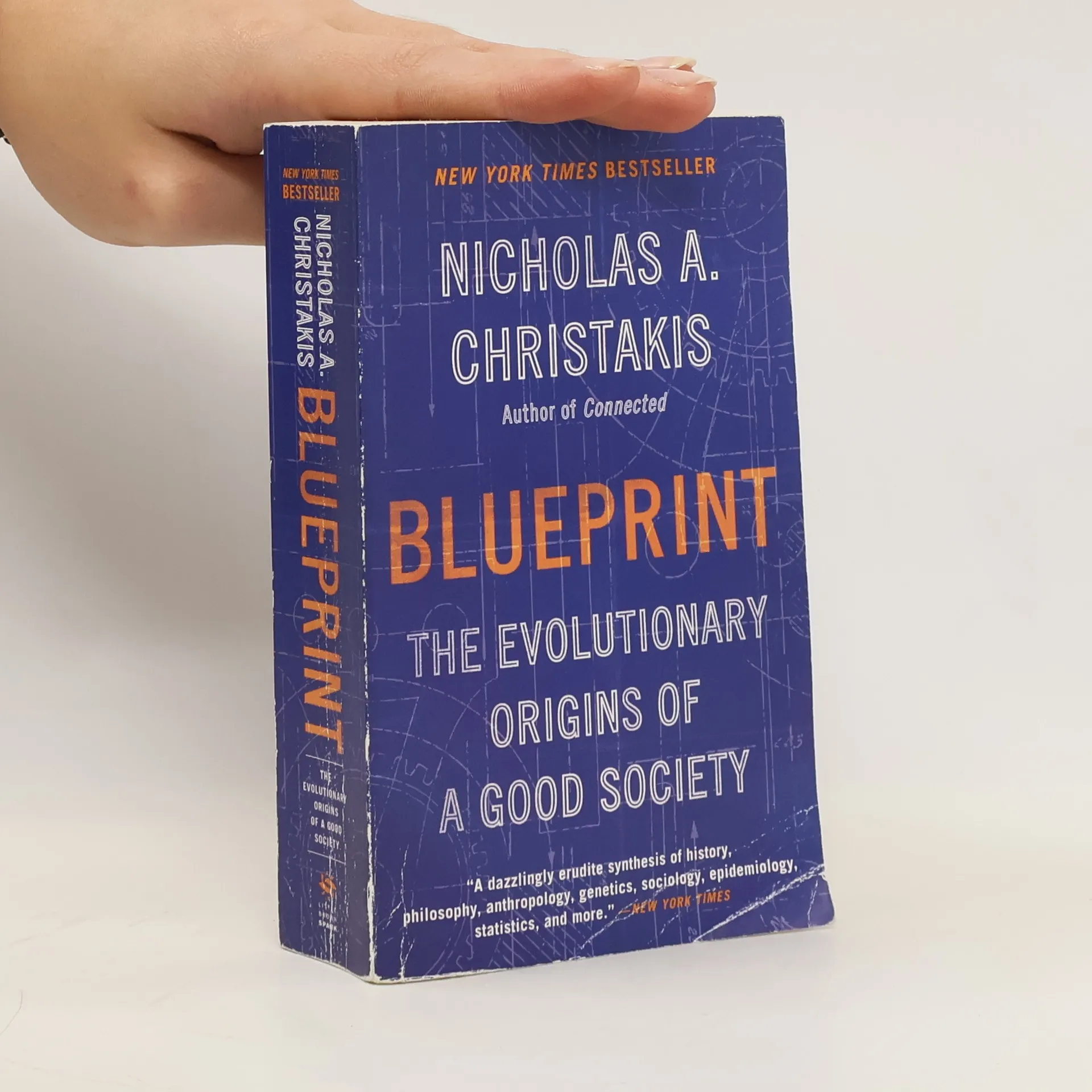
For too long, scientists have emphasized the darker aspects of our biological heritage, such as aggression and self-interest. However, natural selection has also endowed us with beneficial social traits, including love, cooperation, and learning. Beneath our inventions—tools, farms, machines, cities—we possess innate tendencies that foster a good society. The author introduces the idea that our genes influence not just our bodies and behaviors, but also the formation of societies that share surprising similarities across the globe. Through vivid examples, including various cultures, shipwreck communities, utopian communes, and even the social structures of elephants and dolphins, it is demonstrated that, despite a history marked by violence, we are guided by a social blueprint for goodness. In an era of rising political and economic division, it is easy to overlook the positive aspects of our evolutionary past. By integrating insights from social science, evolutionary biology, genetics, neuroscience, and network science, the work reveals how evolution has set us on a humane path and highlights our shared humanity.



Zakup książki
Blueprint. The evolutionary origins of a good society, Nicholas A. Christakis
- Język

- Rok wydania
- 2020
- Oprawa
- (miękka)
Metody płatności
Brakuje nam tutaj Twojej recenzji.
- Tytuł
- Blueprint. The evolutionary origins of a good society
- Język
- angielski
- Autorzy
- Nicholas A. Christakis
- Wydawca
- Little, Brown
- Rok wydania
- 2020
- Oprawa
- miękka
- Liczba stron
- 656
- ISBN10
- 0316497177
- ISBN13
- 9780316497176
- Seria
- Kategorie
- Ocena
- 3,95 z 5
- Opis
- For too long, scientists have emphasized the darker aspects of our biological heritage, such as aggression and self-interest. However, natural selection has also endowed us with beneficial social traits, including love, cooperation, and learning. Beneath our inventions—tools, farms, machines, cities—we possess innate tendencies that foster a good society. The author introduces the idea that our genes influence not just our bodies and behaviors, but also the formation of societies that share surprising similarities across the globe. Through vivid examples, including various cultures, shipwreck communities, utopian communes, and even the social structures of elephants and dolphins, it is demonstrated that, despite a history marked by violence, we are guided by a social blueprint for goodness. In an era of rising political and economic division, it is easy to overlook the positive aspects of our evolutionary past. By integrating insights from social science, evolutionary biology, genetics, neuroscience, and network science, the work reveals how evolution has set us on a humane path and highlights our shared humanity.