Drugi tom przełomowego dzieła o historii nowoczesnego państwa jest wreszcie gotowy, kończąc najważniejsze dzieło z dziedziny myśli politycznej ostatniego pokolenia. Autor, Francis Fukuyama, stawia kluczowe pytanie o rozwój silnych, bezosobowych i odpowiedzialnych instytucji wobec obywateli. Kontynuuje swoją opowieść od rewolucji przemysłowej do Arabskiej Wiosny oraz dysfunkcji politycznych współczesnej Ameryki. Bada wpływ korupcji na jakość rządzenia, starając się zrozumieć, dlaczego niektóre społeczeństwa potrafiły ją wykorzenić. Analizuje spuściznę kolonializmu w Ameryce Łacińskiej, Afryce i Azji, wyjaśniając, dlaczego niektóre regiony rozkwitły szybciej niż inne. Odważnie podejmuje temat przyszłości demokracji w kontekście rosnącej globalnej klasy średniej oraz pogłębiającego się paraliżu politycznego na Zachodzie. Ład polityczny i regres - to szeroko zakrojony, mistrzowski opis zmagań na rzecz stworzenia nowoczesnego państwa, który ma szansę stać się dziełem klasycznym.
Francis Fukuyama Książki


Historia ładu politycznego
- 640 stron
- 23 godziny czytania
Niemal wszystkie społeczeństwa ludzkie miały niegdyś organizację plemienną, z czasem jednak większość z nich wypracowała nowe instytucje polityczne, takie jak scentralizowane państwo zdolne do utrzymania pokoju, oraz jednolite prawa obowiązujące wszystkich obywateli. Niektóre poszły o krok dalej, tworząc rządy odpowiedzialne przed swoimi wyborcami. Traktujemy te instytucje jako oczywiste, a jednak są one nieobecne w wielu dzisiejszych krajach rozwijających się — co nierzadko ma fatalne konsekwencje dla reszty świata. Francis Fukuyama, autor bestsellerów Koniec historii, Ostatni człowiek i Budowanie państwa, oraz jeden z najważniejszych myślicieli politycznych naszych czasów, w pierwszym z dwóch tomów Historii ładu politycznego przedstawia rozwój polityczny od czasów przedludzkich do przedednia rewolucji francuskiej i amerykańskiej. Omawia hordę pierwotną i poprzez społeczeństwa plemienne przechodzi do początków państwa i dalej rządów prawa oraz odpowiedzialności politycznej. W drugim tomie doprowadzi te rozważania do czasów współczesnych. Korzystając ze zdobyczy licznych dziedzin nauki — historii, biologii ewolucyjnej, archeologii i ekonomii — Fukuyama stworzył błyskotliwe, prowokacyjne dzieło, oferujące świeże spojrzenie na kształtowanie się demokracji i stawiające istotne pytania na temat charakteru polityki oraz jej niedociągnięć.
Zamieszanie z liberalizmem
- 224 strony
- 8 godzin czytania
„Bardzo pouczające … Może teraz, gdy Europa doświadcza najbrutalniejszej na tym kontynencie wojny od 1945 roku, jesteśmy gotowi zastanowić się nad tym, co Fukuyama próbował nam przez cały czas powiedzieć” - Matthew d’Ancona, „Evening Standard” Liberalizm od narodzin był atakowany zarówno przez konserwatystów, jak i postępowców, a dziś wielu go odrzuca jako doktrynę przestarzałą. Neoliberałowie i lewicowcy naciągali jego zasady do granic wytrzymałości: pierwsi, tworząc kult wolności gospodarczej, drudzy – wynosząc kwestię tożsamości ponad uniwersalność człowieka. Fukuyama przedstawia argumenty przemawiające za i przeciw klasycznym założeniom liberalizmu: konieczności przestrzegania praworządności i niezawisłości sędziowskiej, uznaniu, że cel jednak nie uświęca środków, a nade wszystko – przyjęciu zasady traktowania wszystkich ludzi z równym szacunkiem. W rezultacie otrzymujemy błyskotliwą prezentację liberalizmu jako największej nadziei demokracji XXI wieku.
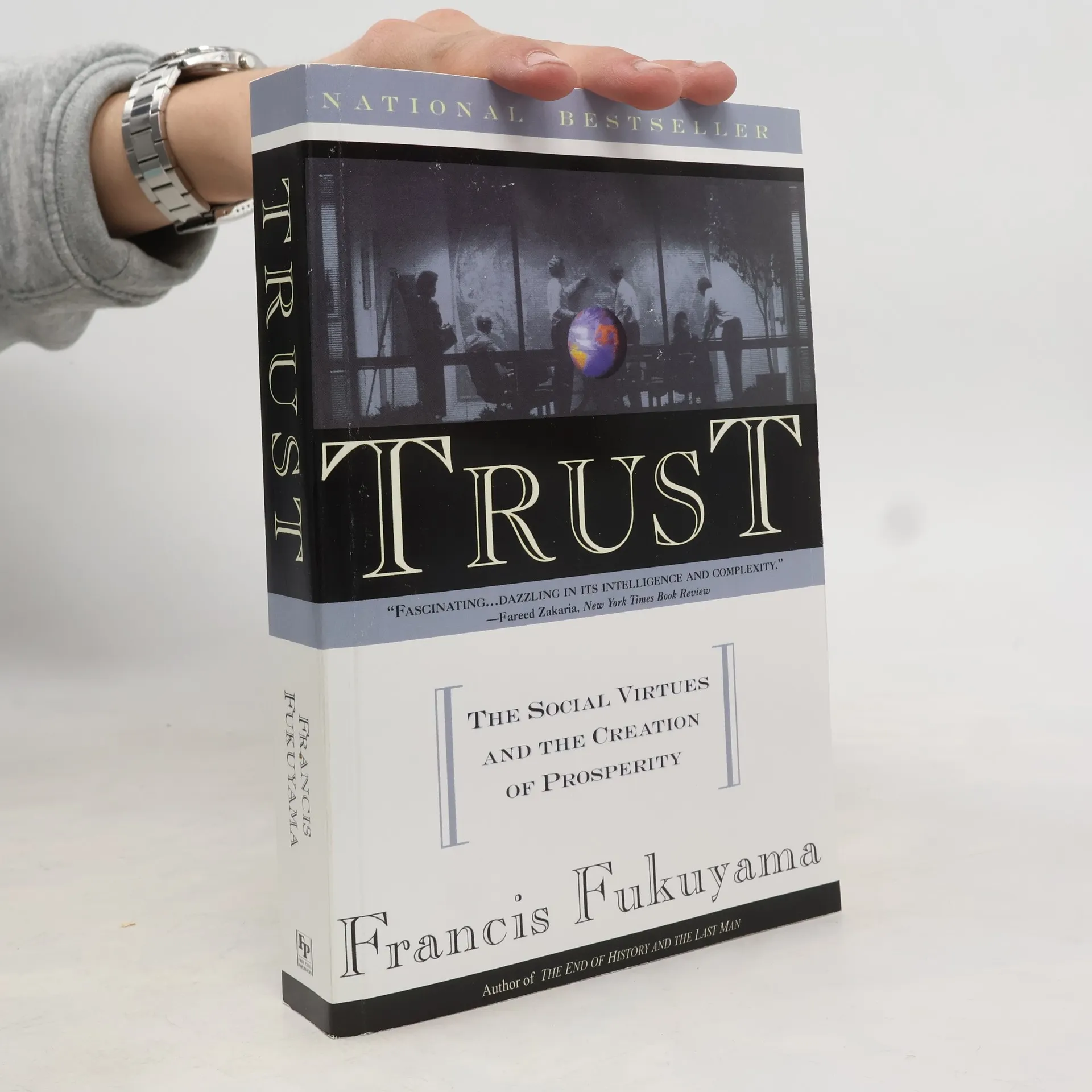
In his bestselling The End of History and the Last Man, Francis Fukuyama argued that the end of the Cold War would also mean the beginning of a struggle for position in the rapidly emerging order of 21st-century capitalism. In Trust, a penetrating assessment of the emerging global economic order "after History," he explains the social principles of economic life and tells us what we need to know to win the coming struggle for world dominance. Challenging orthodoxies of both the left and right, Fukuyama examines a wide range of national cultures in order to divine the underlying principles that foster social and economic prosperity. Insisting that we cannot divorce economic life from cultural life, he contends that in an era when social capital may be as important as physical capital, only those societies with a high degree of social trust will be able to create the flexible, large-scale business organizations that are needed to compete in the new global economy. A brilliant study of the interconnectedness of economic life with cultural life, Trust is also an essential antidote to the increasing drift of American culture into extreme forms of individualism, which, if unchecked, will have dire consequences for the nation's economic health.
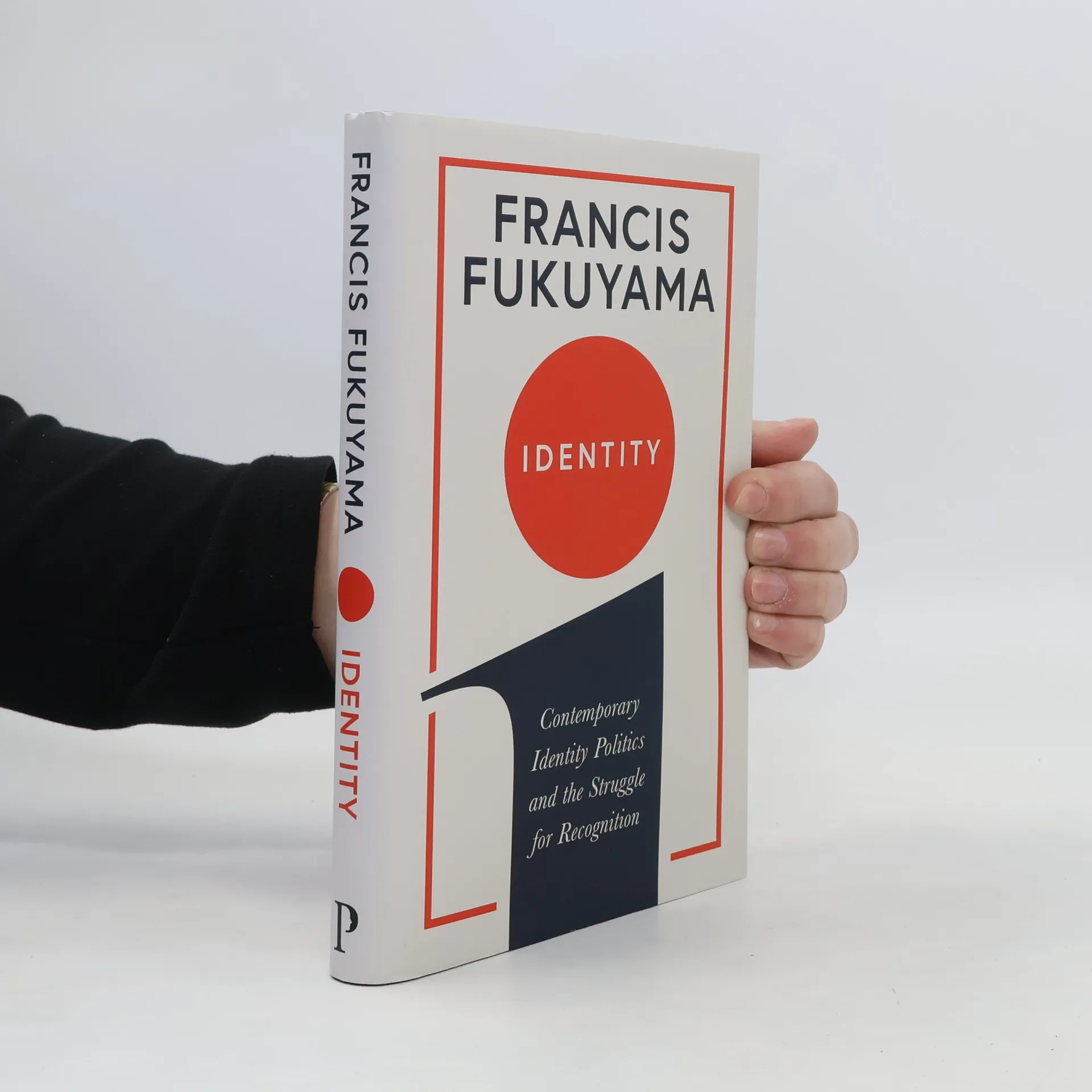
In 2014, Francis Fukuyama wrote that American and global institutions were in a state of decay, as the state was captured by powerful interest groups. Two years later, his predictions were borne out by the rise to power of a series of political outsiders whose economic nationalism and authoritarian tendencies threatens to destabilise the entire international order. These populist nationalists seek direct charismatic connection to 'the people', who are usually defined in narrow identity terms that offer an irresistible call to an in-group and exclude large parts of the population as a whole.The demands of identity direct much of what is going on in world politics today. The universal recognition on which liberal democracy is based has been increasingly challenged by restrictive forms of recognition based on nation, religion, sect, race, ethnicity, or gender, which have resulted in anti-immigrant populism, the upsurge of politicised Islam, the fractious environment of many college campuses, and the hideous emergence of white nationalism.Identity is an urgent and necessary book: a sharp warning that unless we forge a universal understanding of human dignity, we will doom ourselves to continual conflict.
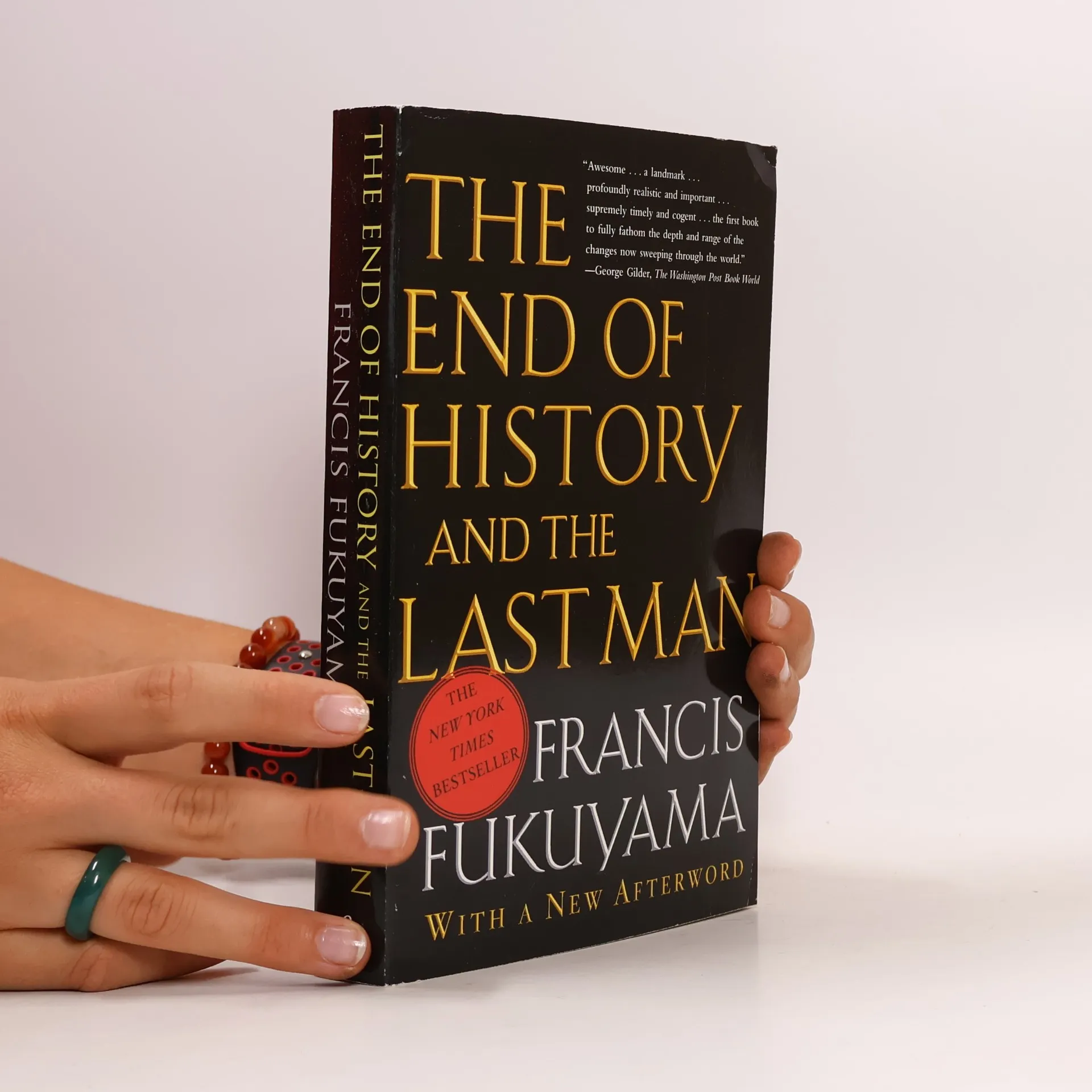
The end of history and the last man
- 432 strony
- 16 godzin czytania
Ever since its first publication in 1992, The End of History and the Last Man has provoked controversy and debate. Francis Fukuyama's prescient analysis of religious fundamentalism, politics, scientific progress, ethical codes, and war is as essential for a world fighting fundamentalist terrorists as it was for the end of the Cold War. Now updated with a new afterword, The End of History and the Last Man is a modern classic.
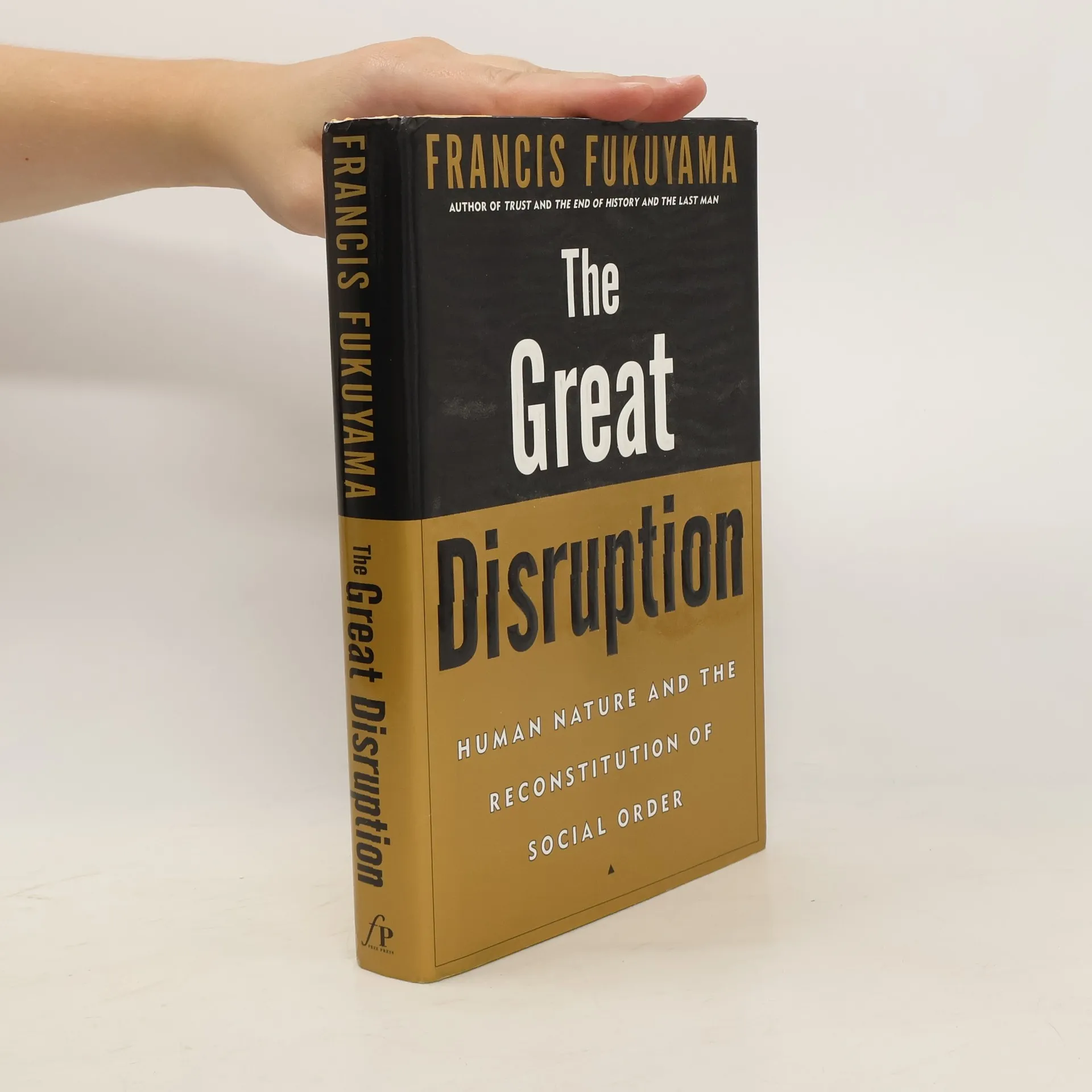
The Great Disruption
- 368 stron
- 13 godzin czytania
An exploration of the nature of social order discusses how the transformation from an industrial to an information society has disrupted moral standards, showing how the disruption will evolve into a Great Reconstruction as age-appropriate values instill themselves. 50,000 first printing.
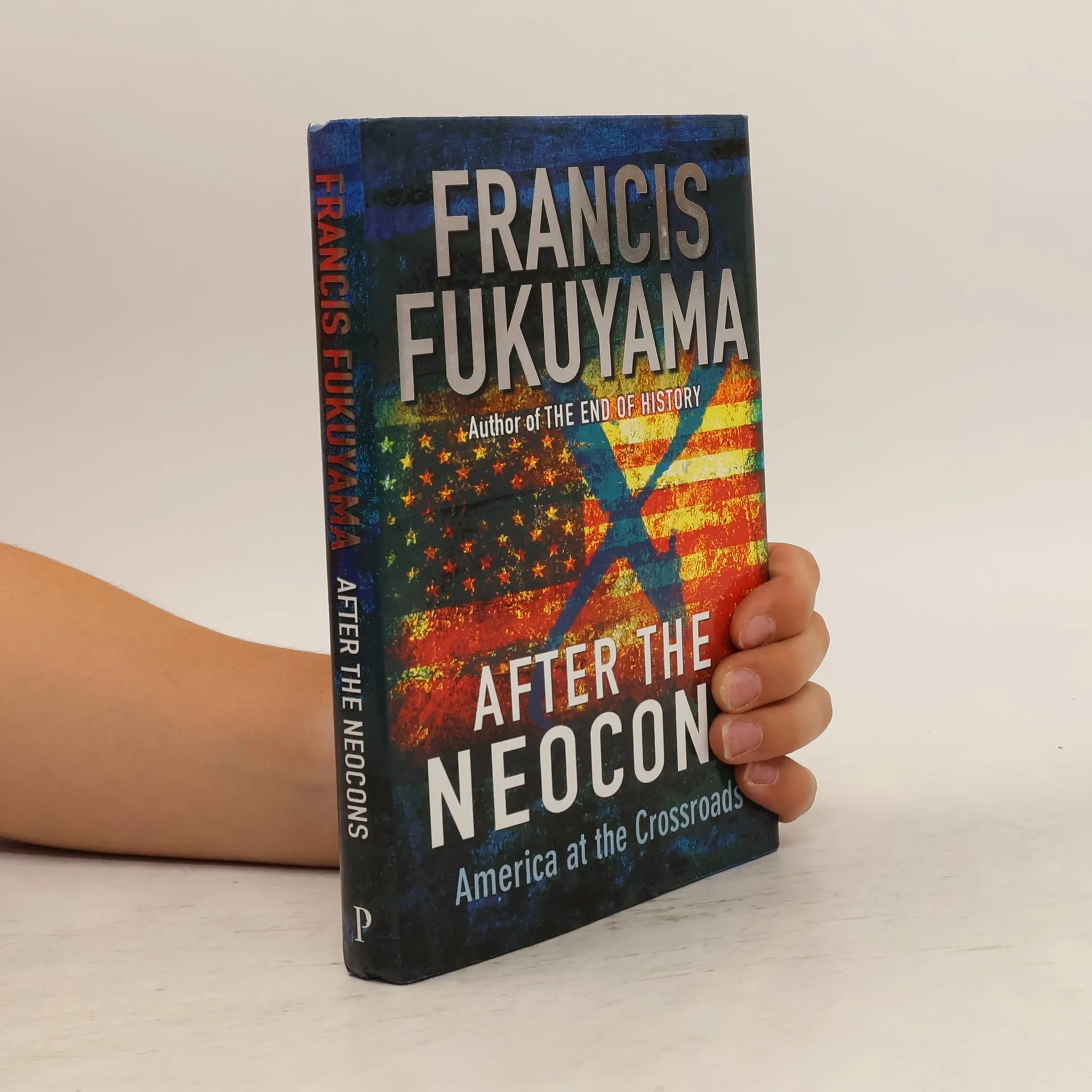
After the Neocons: America at the Crossroads
- 226 stron
- 8 godzin czytania
Attacking the right-wing policymakers he had associated with, the author argues that the Bush administration, in the war in Iraq, has wrongly applied the principles of neoconservatism. He provides an approach, which emphasizes the importance of solving the problem of development and of creating multiple international institutions.
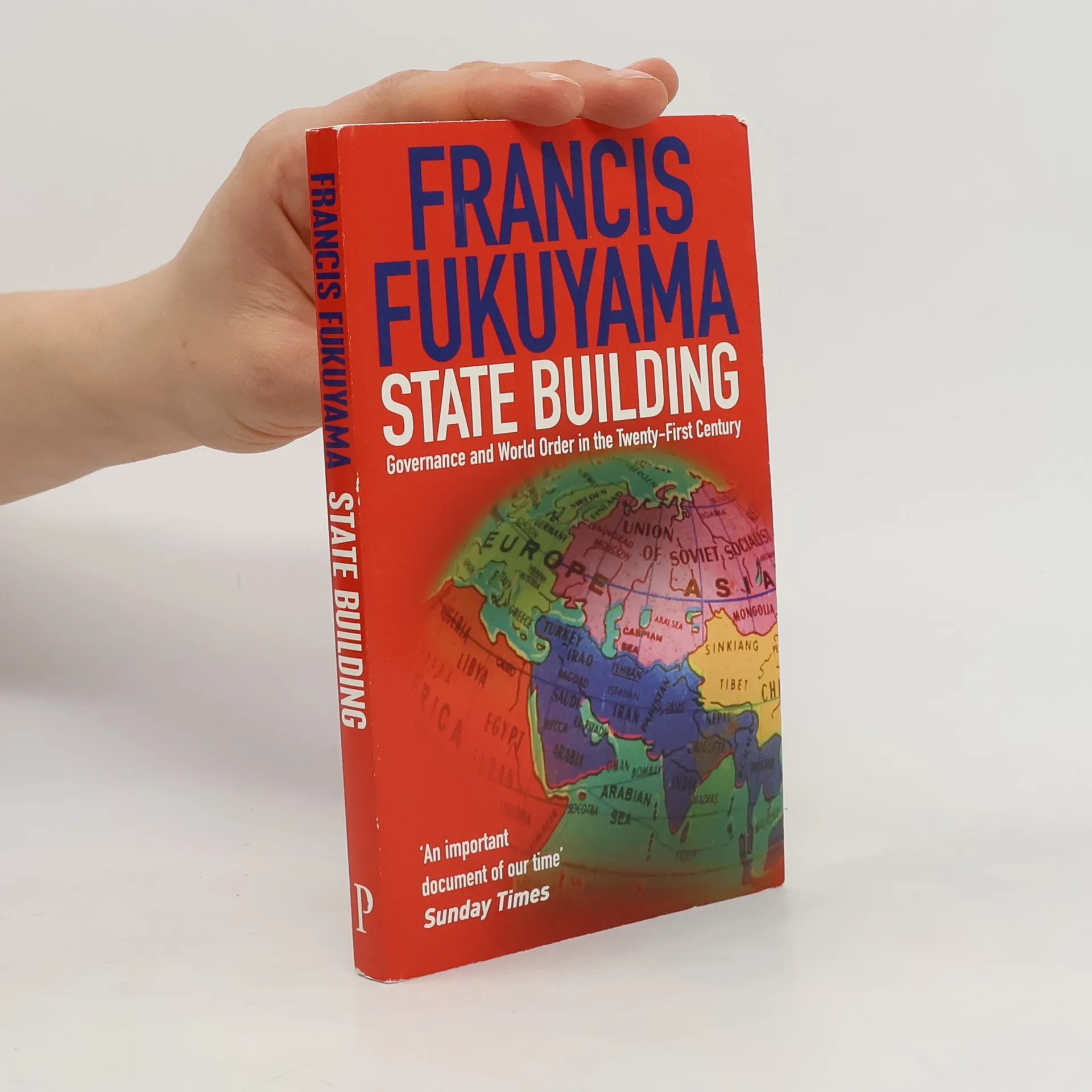
Weak or failed states - where no government is in control - are the source of many of the world's most serious problems, from poverty, AIDS and drugs to terrorism. What can be done to help?
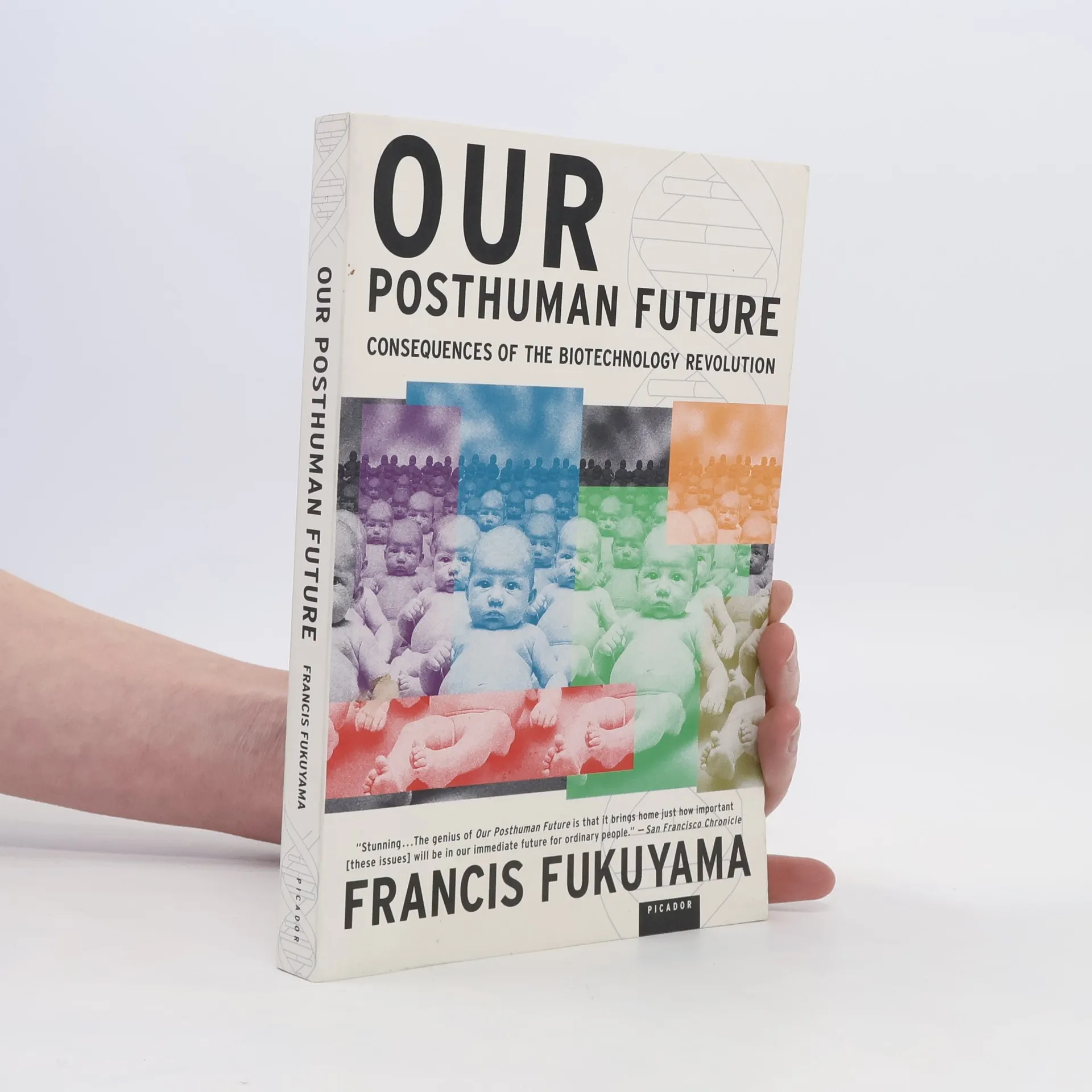
Our Posthuman Future
- 272 strony
- 10 godzin czytania
A decade after his now-famous pronouncement of "the end of history," Francis Fukuyama argues that as a result of biomedical advances, we are facing the possibility of a future in which our humanity itself will be altered beyond recognition. Fukuyama sketches a brief history of man's changing understanding of human from Plato and Aristotle to the modernity's utopians and dictators who sought to remake mankind for ideological ends. Fukuyama argues that the ability to manipulate the DNA of all of one person's descendants will have profound, and potentially terrible, consequences for our political order, even if undertaken with the best of intentions. In Our Posthuman Future , one of our greatest social philosophers begins to describe the potential effects of genetic exploration on the foundation of liberal the belief that human beings are equal by nature.
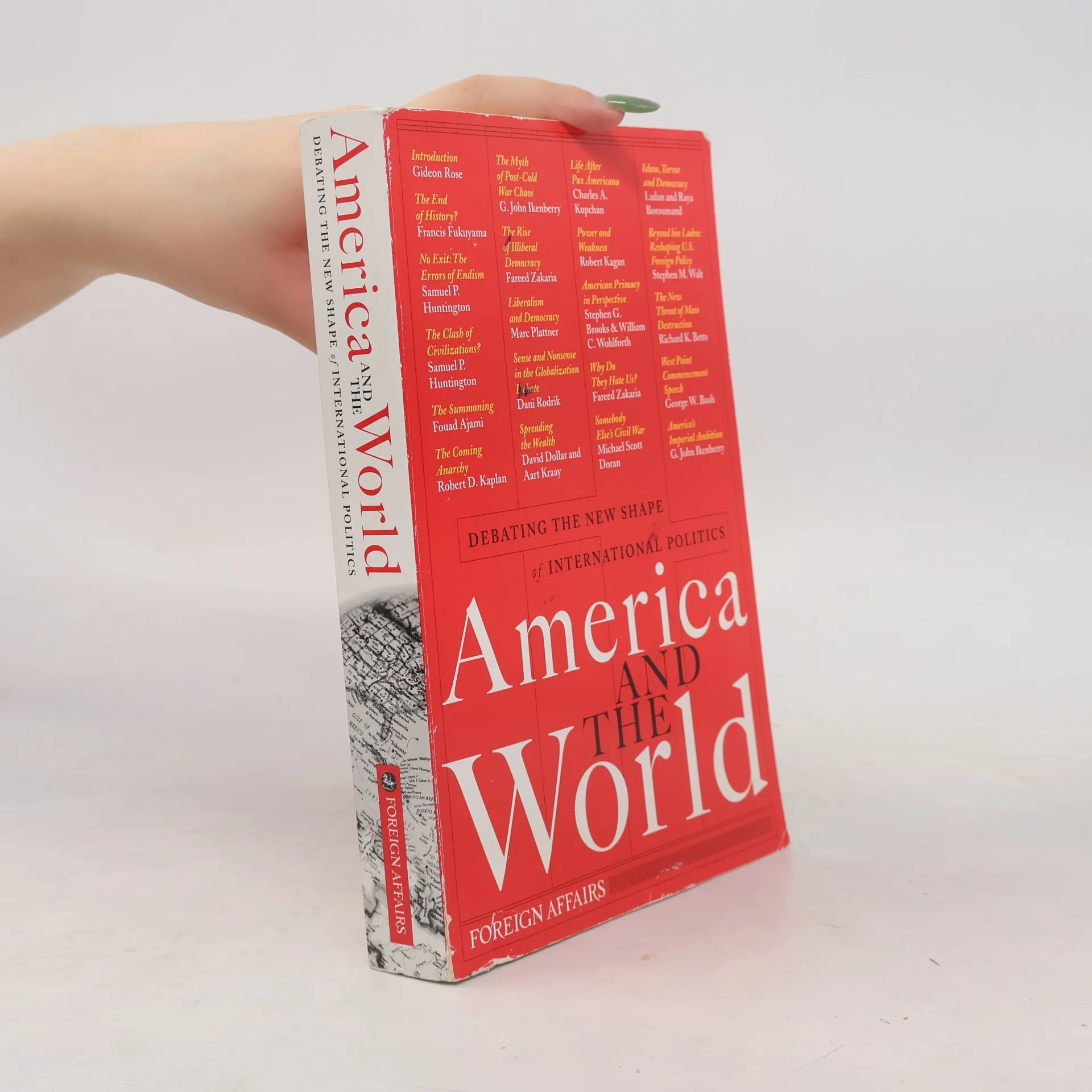
This comprehensive survey explores the key debates shaping U.S. foreign policy in the post-Cold War era. Following the Soviet Union's collapse, scholars have sought to understand the new international landscape. This collection showcases the insights of prominent thinkers, including Francis Fukuyama, Samuel P. Huntington, and Fareed Zakaria, who analyze the driving forces behind global events and America's response. Central questions addressed include the significance of ideology, culture, and power, as well as the future of global order versus chaos. The contributors examine the strength and vulnerabilities of the United States and discuss the appropriate use of its power for protection. Engaging with each other's arguments, these authors provide a rich dialogue that educates readers on contemporary international relations. Originally published in leading journals, these articles form an essential reading list for those interested in understanding current global dynamics. Notable contributors include Fouad Ajami, Richard K. Betts, Stephen G. Brooks, Robert D. Kaplan, and Stephen M. Walt, among others.
A Small Man in a Big World
- 127 stron
- 5 godzin czytania
D'où viennent les néo-conservateurs?
- 96 stron
- 4 godziny czytania
" Menteurs ! Va-t-en-guerre ! Criminels ! Fanatiques Faucons ! Néo-cons ! " Que n'a-t-on pas entendu, ici comme ailleurs, sur ces fameux néo-conservateurs... Mais sait-on qui ils sont vraiment ? Dans cet essai féroce et salutaire, Francis Fukuyama, l'un des théoriciens majeurs de notre temps, fait voler en éclats les idées reçues et dévoile les origines du plus grand malentendu politique de ces dernières années.
Politický řád a politický úpadek
- 541 stron
- 19 godzin czytania
Podtitul: Od průmyslové revoluce po globalizaci demokracie. Podle britského Guardianu budeme jednou dvojici knih Původ politického řádu a Politický řád a úpadek Francise Fukuyamy (* 1952) vnímat jako životní dílo tohoto amerického politologa japonského původu. Ve druhé knize s podtitulem Od průmyslové revoluce po globalizaci demokracie sleduje Fukuyama historický vývoj od Francouzské revoluce po arabské jaro s důrazem na nefunkčnost, a tedy úpadek současného amerického politického života. Autor si všímá toho, zda a jak transparentní právní systém a vůle lidu udržují ústřední moc pod kontrolou. Zkoumá rovněž dopady korupce na státní správu a způsoby, jakými se ji v některých společnostech podařilo vymýtit. Rozebírá odkaz kolonialismu v Latinské Americe, Africe i Asii a pokouší se vysvětlit, proč se některým regionům dařilo a rozvinuly se rychleji než jiné. I přes celosvětovou krizi střední třídy a politickou paralýzu Západu však Fukuyama s demokracií i nadále počítá.
Der Konflikt der Kulturen
- 526 stron
- 19 godzin czytania
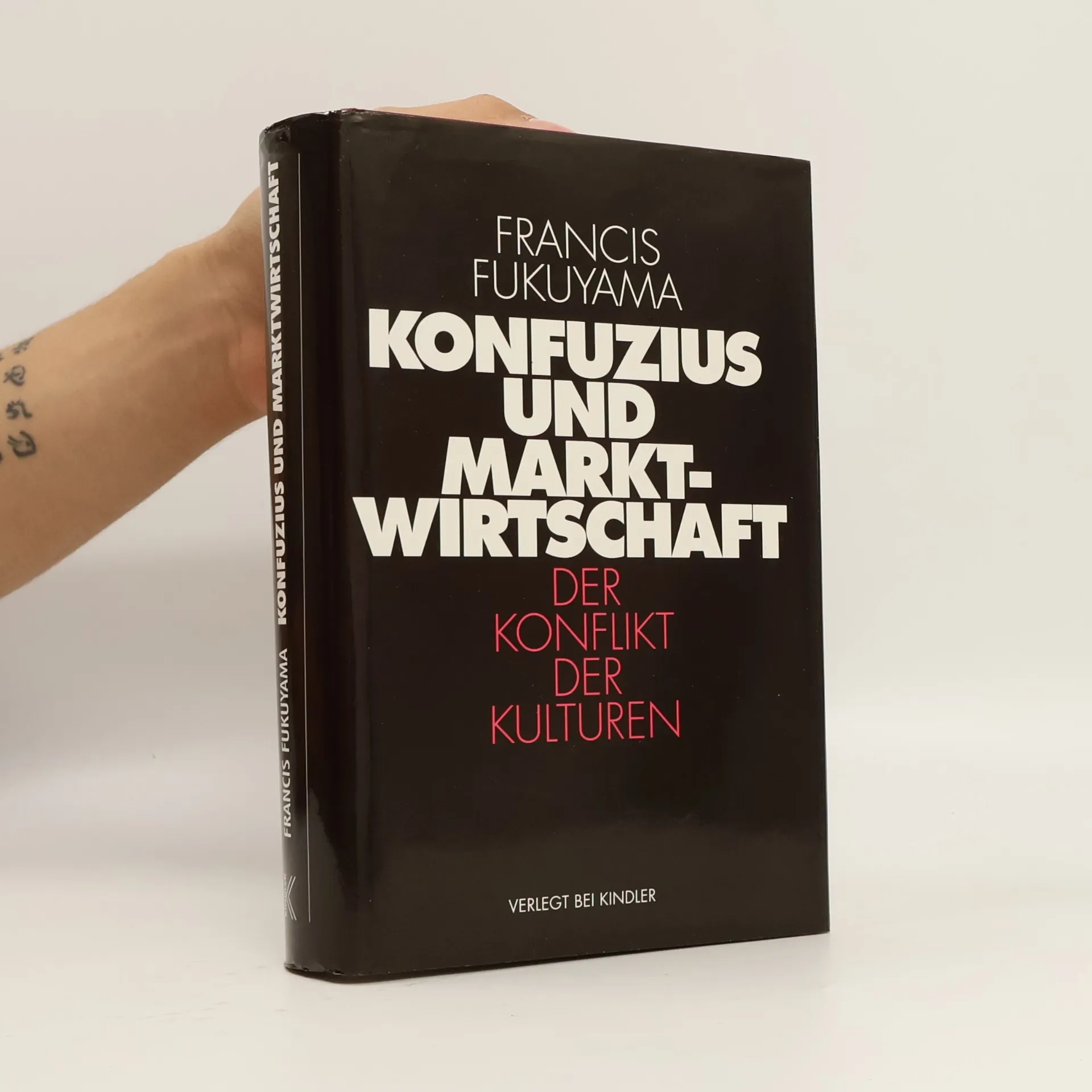
Auf welche Weltordnung steuern wir zu? Die liberale Demokratie steckt in der Krise, nach einer langen Phase der Demokratisierung sind wir wieder in einer Welt der Macht angelangt, bedingt vor allem durch autoritäre Bewegungen, technologischen Wandel, Neoliberalismus und Identitätspolitik. Mit seinen Gedanken zur Lage der Welt zeigt Francis Fukuyama, warum das freiheitliche Denken für die westlichen Gesellschaften im 21. Jahrhundert alternativlos ist. Vor allem aber macht er deutlich, warum wir für die Freiheit kämpfen müssen, wollen wir ihr Überleben sichern und das Risiko einer autoritären Weltordnung eindämmen. Ein inspirierend persönliches Buch mit politischer Weitsicht, von einem der einflussreichsten Denker unserer Zeit.