



Parametry
- 226 stron
- 8 godzin czytania
Więcej o książce
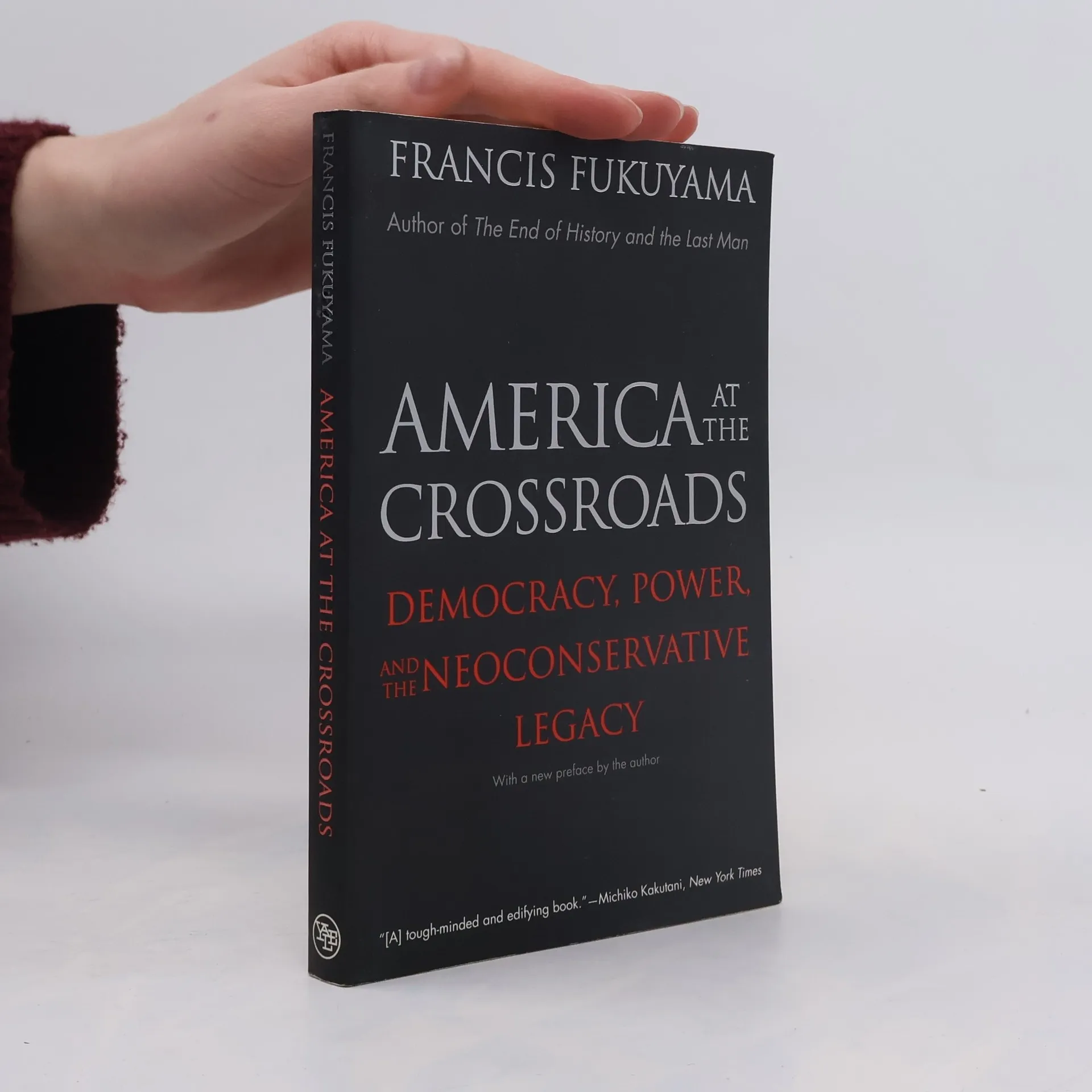
Francis Fukuyama critiques the Bush administration's decision to invade Iraq, highlighting its failure in managing American foreign policy. He argues that the administration mistakenly prioritized preventive war as a core principle and misjudged the global response to its concept of “benevolent hegemony.” Furthermore, it underestimated the complexities of large-scale social engineering, particularly in establishing a viable democratic government in Iraq. Fukuyama addresses claims that the administration's foreign policy was driven by a neoconservative agenda during Bush's first term. He provides a compelling history of neoconservative thought since the 1930s, suggesting that its legacy is multifaceted and can be viewed differently than it was post-Cold War. By analyzing the administration's errors in addressing the post–September 11 landscape, Fukuyama advocates for a revised approach to American foreign policy. He proposes a strategy that combines the positive elements of the neoconservative legacy with a more pragmatic understanding of how American power can be effectively utilized on the global stage.



Zakup książki
America at the Crossroads, Francis Fukuyama
- Język

- Rok wydania
- 2007
- Oprawa
- (miękka)
Metody płatności
Brakuje nam tutaj Twojej recenzji.
- Tytuł
- America at the Crossroads
- Podtytuł
- Democracy, Power, and the Neoconservative Legacy
- Język
- angielski
- Autorzy
- Francis Fukuyama
- Wydawca
- Yale University Press
- Rok wydania
- 2007
- Oprawa
- miękka
- Liczba stron
- 226
- ISBN10
- 0300122535
- ISBN13
- 9780300122534
- Seria
- Kategorie
- Tagi
- Tematy historyczne, Tematyka filozoficzna, Polityka, USA, Literatura amerykańska, Stosunki międzynarodowe, Irak, Waszyngton, Prezydenci USA, Inwazja, Polityka amerykańska
- Oryginalna nazwa
- America at the crossroads
- Ocena
- 3,55 z 5
- Opis
- Francis Fukuyama critiques the Bush administration's decision to invade Iraq, highlighting its failure in managing American foreign policy. He argues that the administration mistakenly prioritized preventive war as a core principle and misjudged the global response to its concept of “benevolent hegemony.” Furthermore, it underestimated the complexities of large-scale social engineering, particularly in establishing a viable democratic government in Iraq. Fukuyama addresses claims that the administration's foreign policy was driven by a neoconservative agenda during Bush's first term. He provides a compelling history of neoconservative thought since the 1930s, suggesting that its legacy is multifaceted and can be viewed differently than it was post-Cold War. By analyzing the administration's errors in addressing the post–September 11 landscape, Fukuyama advocates for a revised approach to American foreign policy. He proposes a strategy that combines the positive elements of the neoconservative legacy with a more pragmatic understanding of how American power can be effectively utilized on the global stage.