


Bookbot

Homi K. Bhabha

    Homi K. Bhabha
    Matthew Barney
    Über kulturelle Hybridität
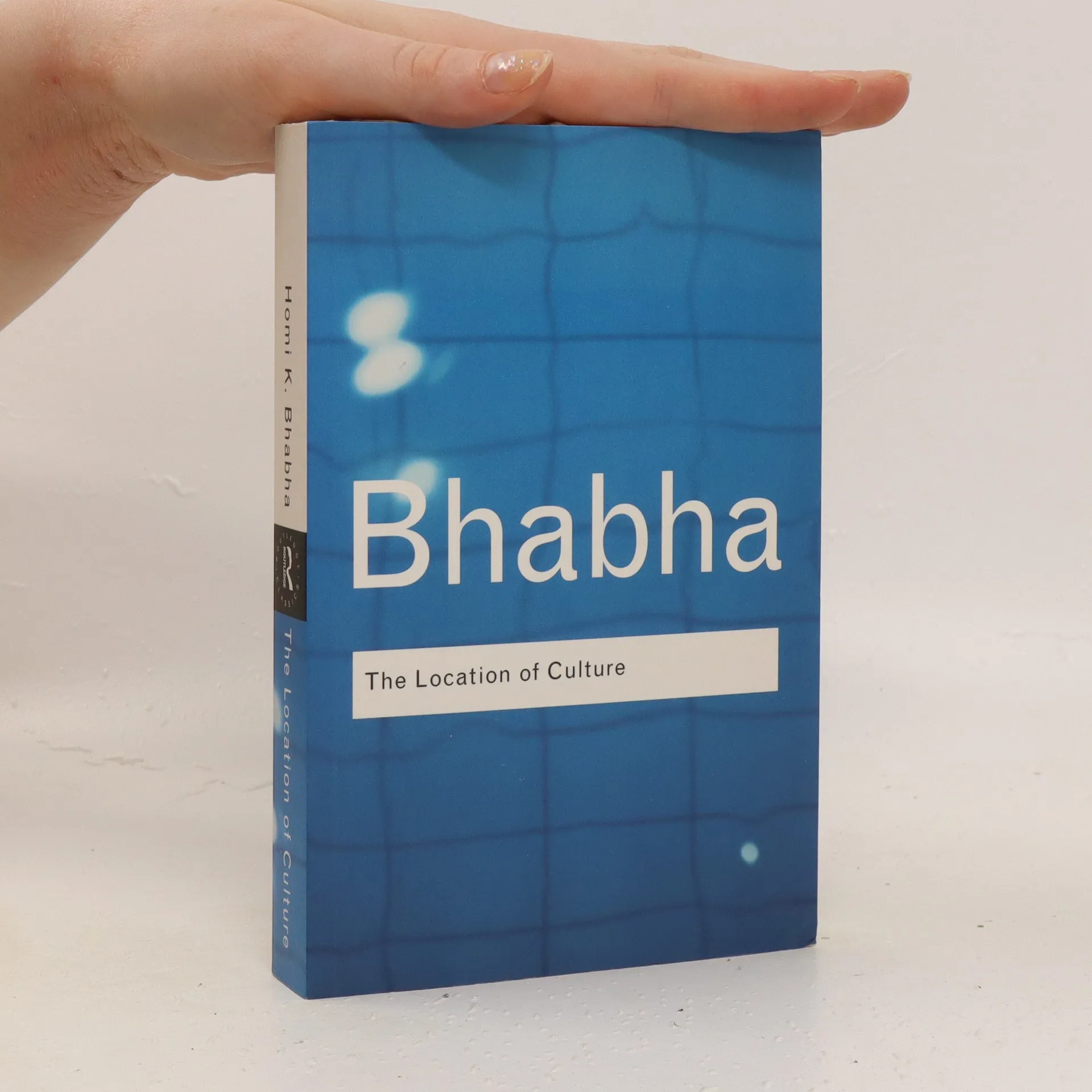
    The location of culture
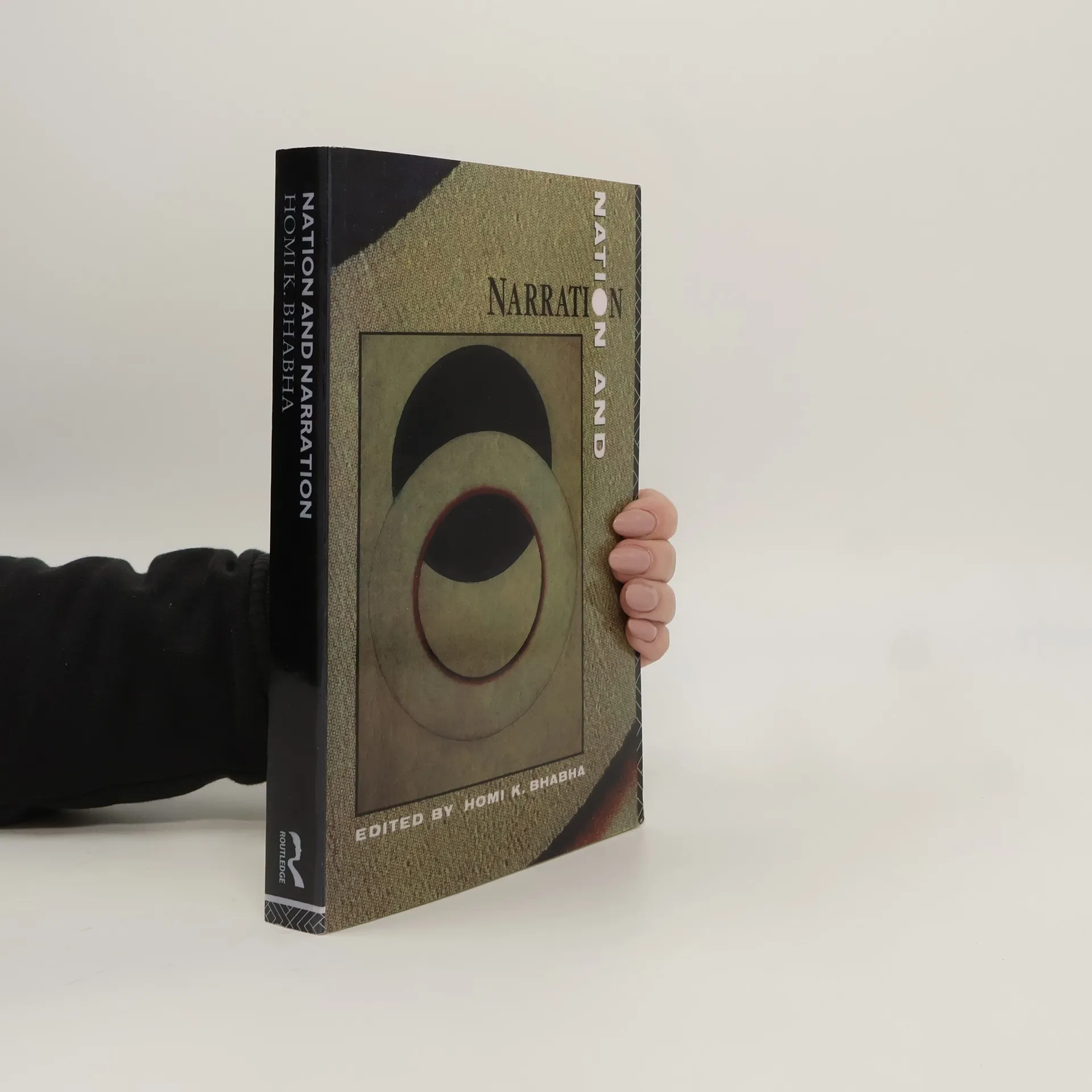
    Nation and narration
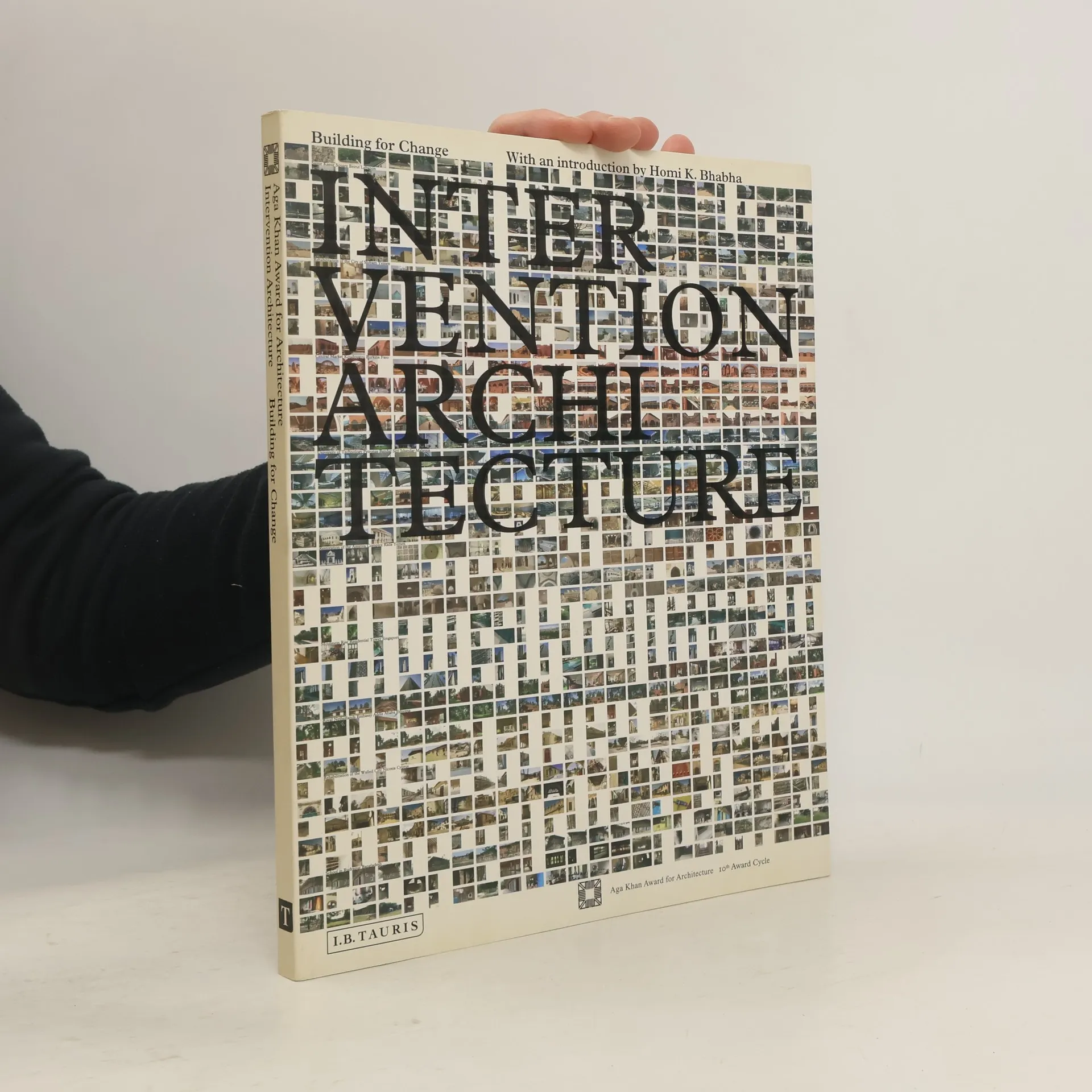
    Aga Khan Award for Architecture - 10: Intervention Architecture
    Czarna skóra, białe maski
    • Czarna skóra, białe maski

      • 256 stron
      • 9 godzin czytania

      »Eksplozja nie nastąpi dzisiaj. Jest za wcześnie... lub za późno. Nie przychodzę uzbrojony w decydujące prawdy. Moja świadomość nie jest przeszyta znaczącymi błyskami światła. Niemniej jednak, z całym spokojem, uważam, że dobrze byłoby, gdyby niektóre rzeczy zostały powiedziane. Te rzeczy powiem, nie krzycząc. Od dawna krzyk zniknął z mojego życia.« Frantz Fanon, dorastający w postkolonialnej Martynice i pracujący jako lekarz w klinikach psychiatrycznych, w swoim dziele ukazuje psychologiczną stronę kolonizowanego człowieka. Porusza temat alienacji wynikającej z sytuacji kolonialnej, w której czarni i biali działają neurotycznie komplementarnie. Świat białych staje się niedoścignioną miarą dla czarnych. Fanon teoretycznie odnosi się do filozofów i psychoanalityków, przy czym centralne są lustro Lacana oraz fenomenologia spojrzenia Sartre’a. Później angażuje się w ruch niepodległościowy w Algierii, a pośmiertnie zyskuje sławę dzięki swojemu antykolonialistycznemu manifestowi. Jego psychoanalityczne rozważania nad kolonialnością zostały na nowo odkryte dopiero w latach 80. XX wieku. Tekst pozostaje w tłumaczeniu, aby nie zatarć brutalności języka.
      Czarna skóra, białe maski
      4,2
    • Aga Khan Award for Architecture - 10: Intervention Architecture

      Building for Change

      • 192 strony
      • 7 godzin czytania

      Across a range of settings - from the dry river valleys of Yemen to tropical high-rise fabric of Singapore - the projects selected for the 10th cycle of the Aga Khan Award for Architecture match the cutting-edge design with a deep commitment to place. Resolutely contemporary and yet firmly local, they respond to the challenges of their environments with imagination and skill. "Intervention Architecture" brings these works vividly to life through understanding photographs as well as drawings and descriptions. Texts by leading thinkers and practitioners explore the broader issues raised by the projects, from ecological urbanism to cosmopolitanism in architecture.

      Aga Khan Award for Architecture - 10: Intervention Architecture
      3,0
    • A collection of essays celebrating the fact that English is no longer just an English' language. Contributors include Gillian Beer, Rachel Bowlby, Doris Sommer and Sneja Gunew.

      Nation and narration
      3,9
    • The location of culture

      • 408 stron
      • 15 godzin czytania

      Rethinking questions of identity, social agency and national affiliation, Bhabha provides a working, if controversial, theory of cultural hybridity - one that goes far beyond previous attempts by others. In The Location of Culture , he uses concepts such as mimicry, interstice, hybridity, and liminality to argue that cultural production is always most productive where it is most ambivalent. Speaking in a voice that combines intellectual ease with the belief that theory itself can contribute to practical political change, Bhabha has become one of the leading post-colonial theorists of this era.

      The location of culture
      3,9
    • Über kulturelle Hybridität

      • 88 stron
      • 4 godziny czytania

      Homi K. Bhabha ist einer der bedeutendsten Literaturtheoretiker der Gegenwart und neben Edward Said, Gayatri Ch. Spivak und Stuart Hall einer der maßgeblichen RepräsentantInnen der Postcolonial Studies. Der in Indien geborene Wissenschaftler entwickelte eine Reihe von Grundkonzepten für diese Disziplin. Begriffe wie Hybridität, Mimikri, Dritter Raum, Ambivalenz sollen die Formen beschreiben, in denen kolonisierte Völker in der Lage waren (und sind), der Gewalt und der Macht der Kolonisatoren zu widerstehen. Diesem Text liegt sein im Festsaal der Universität Wien gehaltener Vortrag »On Cultural Hybridity – Tradition and Translation« zugrunde.

      Über kulturelle Hybridität
      3,5
    • Matthew Barney

      River of Fundament

      • 422 strony
      • 15 godzin czytania

      On the occasion of a major exhibition, performance, and film premiere, this book explores Matthew Barney's seven-year project, an odyssey of death and its mythologies. It documents the ambitious new work, the first major series since the Cremaster cycle. Inspired by Norman Mailer's Egyptian novel, the project chronicles a narrator's journey through death and reincarnation. Through unique live performances, massive sculptures, and a marathon-length opera in cinematic form, created with composer Jonathan Bepler, Barney constructs a complex universe where mythology, iconography, narrative, sex, and death intertwine. Organized by the film's narrative structure, the book features sculptures made from elemental materials like iron, sulfur, bronze, lead, salt, and copper, alongside drawings, stills from film and live performances, storyboards, and original scores by Bepler. A comprehensive essay by Okwui Enwezor provides an overview of the exhibition and film project. Additionally, contributions from literary theorist Homi K. Bhabha and critic Hilton Als enrich the text, while facsimiles of playbills from related performances offer further context. This volume encapsulates the depth and complexity of Barney's latest artistic endeavor.

      Matthew Barney