
Bookbot

Tim Harford

    27 września 1973
    Tim Harford
    Dear undercover economist
    The undercover economist strikes back
    Fifty things that made the modern economy
    The Next Fifty Things that Made the Modern Economy
    Sekrety ekonomii
    Jak ogarnąć świat i odróżnić fakty od wyobrażeń
    • Jesteś pewien, że widziany przez ciebie rekin to nie jakaś mała rybka? I że opowieść o bocianach przynoszących dzieci to fikcja? Czy wiesz, że dzięki umiejętnemu wykorzystaniu liczb możesz dowieść zdrady swojej żony? Albo wmówić palaczowi, że to nie palenie papierosów powoduje raka płuc? Statystyka pozwala tworzyć mity – i je obalać. Dzięki tej książce przekonasz się, że właściwe zrozumienie liczb pozwala zobaczyć, jaki świat jest naprawdę. Tim Harford przeprowadzi cię przez gąszcz dezinformacji, pseudonaukowej ściemy i pokrętnej logiki i sprawi, że zaprzyjaźnisz się z liczbami. Pokaże ci również, jak korzystając z dziesięciu prostych zasad statystycznych oraz jednej złotej reguły, ogarnąć świat, odróżnić fakty od wyobrażeń i nie dać się zrobić w balona. „Harford jest geniuszem w opowiadaniu historii, które pomagają zrozumieć świat”. Malcolm Gladwell „Książka mocna, przekonująca i... niezbędna”. Caroline Criado Perez
      Jak ogarnąć świat i odróżnić fakty od wyobrażeń
      4,2
    • Kto tak naprawdę zarabia na kawie? Komu imigracja przynosi korzyść? Jak to się stało, że Chiny w ciągu zaledwie pięćdziesięciu lat z najbiedniejszego kraju na świecie wyrosły na światowego giganta? Na powszechnie znane sytuacje i problemy można spojrzeć z zupełnie nieznanej, nowej perspektywy. Sekrety ekonomi… przynoszą oryginalne wyjaśnienie podstawowych zasad współczesnej ekonomii – jak się okazuje przykłady drapaczy chmur w Szanghaju oraz kanałów w spokojnej i sennej Brugii mogą tu mieć bardzo duże znaczenie.

      Sekrety ekonomii
      3,8
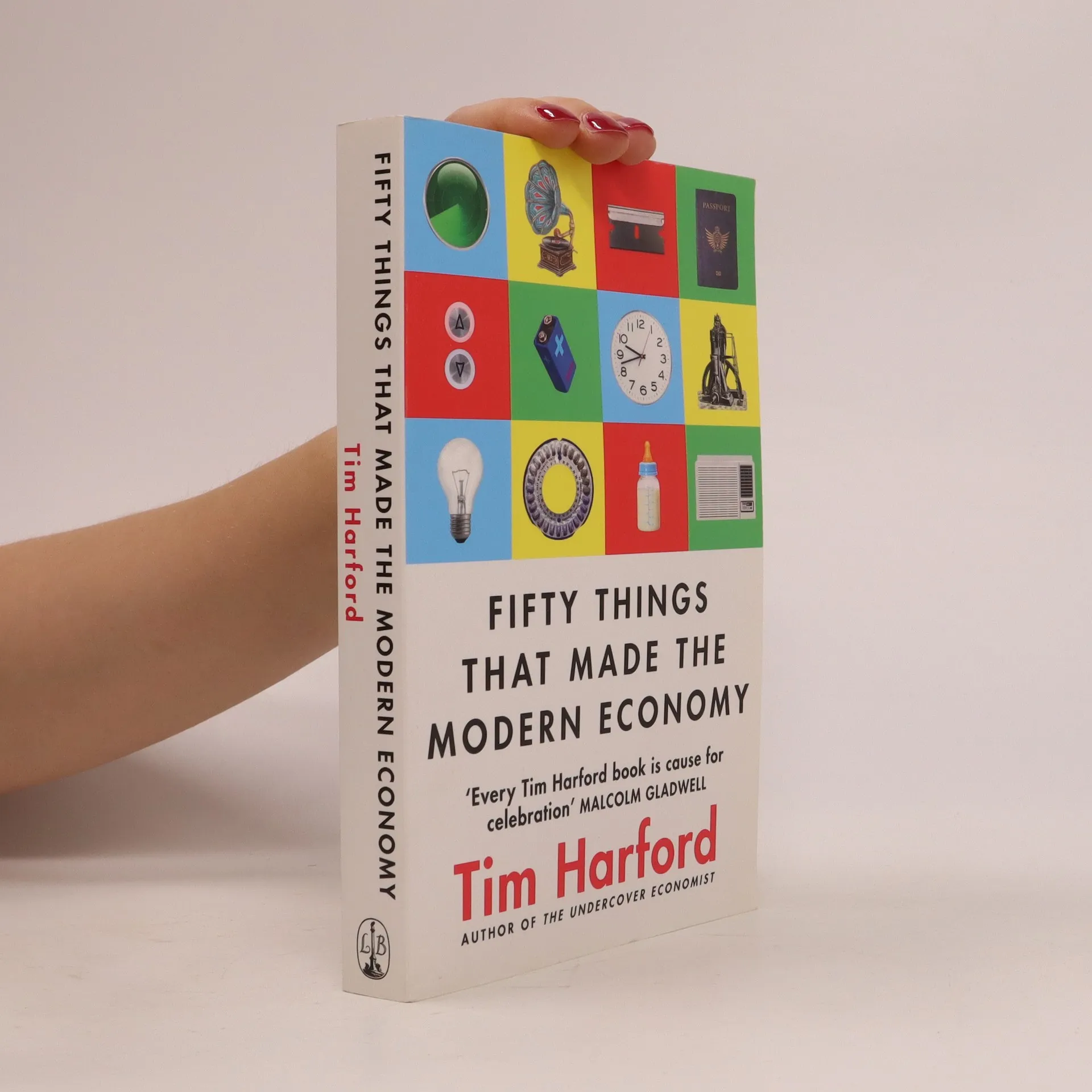
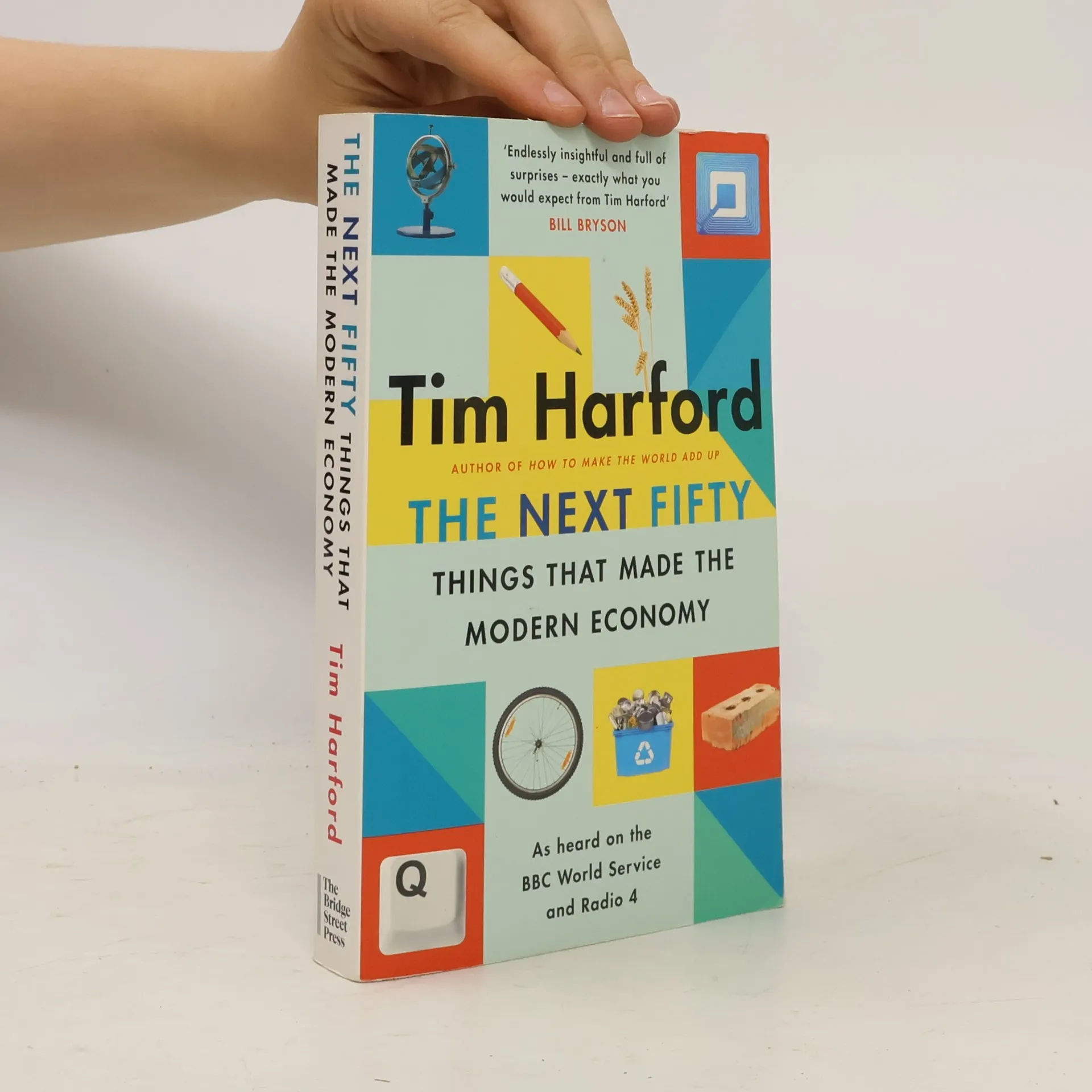
    • In Fifty Things that Made the Modern Economy, the revolutionary, acclaimed book, radio series and podcast, bestselling economist Tim Harford introduced us to a selection of fifty radical inventions that changed the world. Now, in this new book, Harford once again brings us an array of remarkable, memorable, curious and often unexpected 'things' - inventions that teach us lessons by turns intimate and sweeping about the complex world economy we live in today. From the brick, blockchain and the bicycle to fire, the factory and fundraising, and from solar PV and the pencil to the postage stamp, this brilliant and enlightening collection resonates, fascinates and stimulates. It is a wonderful blend of insight and inspiration from one of Britain's finest non-fiction storytellers.

      The Next Fifty Things that Made the Modern Economy
      4,1
    • From the tally-stick to Bitcoin, the canal lock to the jumbo jet, each invention in Tim Harford's fascinating new book has its own curious, surprising and memorable story, a vignette against a grand backdrop. Step by step, readers will start to understand where we are, how we got here, and where we might be going next. Hidden connections will be laid bare: how the barcode undermined family corner shops; why the gramophone widened inequality; how barbed wire shaped America. We'll meet the characters who developed some of these inventions, profited from them, or were ruined by them. We'll trace the economic principles that help to explain their transformative effects. And we'll ask what lessons we can learn to make wise use of future inventions, in a world where the pace of innovation will only accelerate

      Fifty things that made the modern economy
      4,1
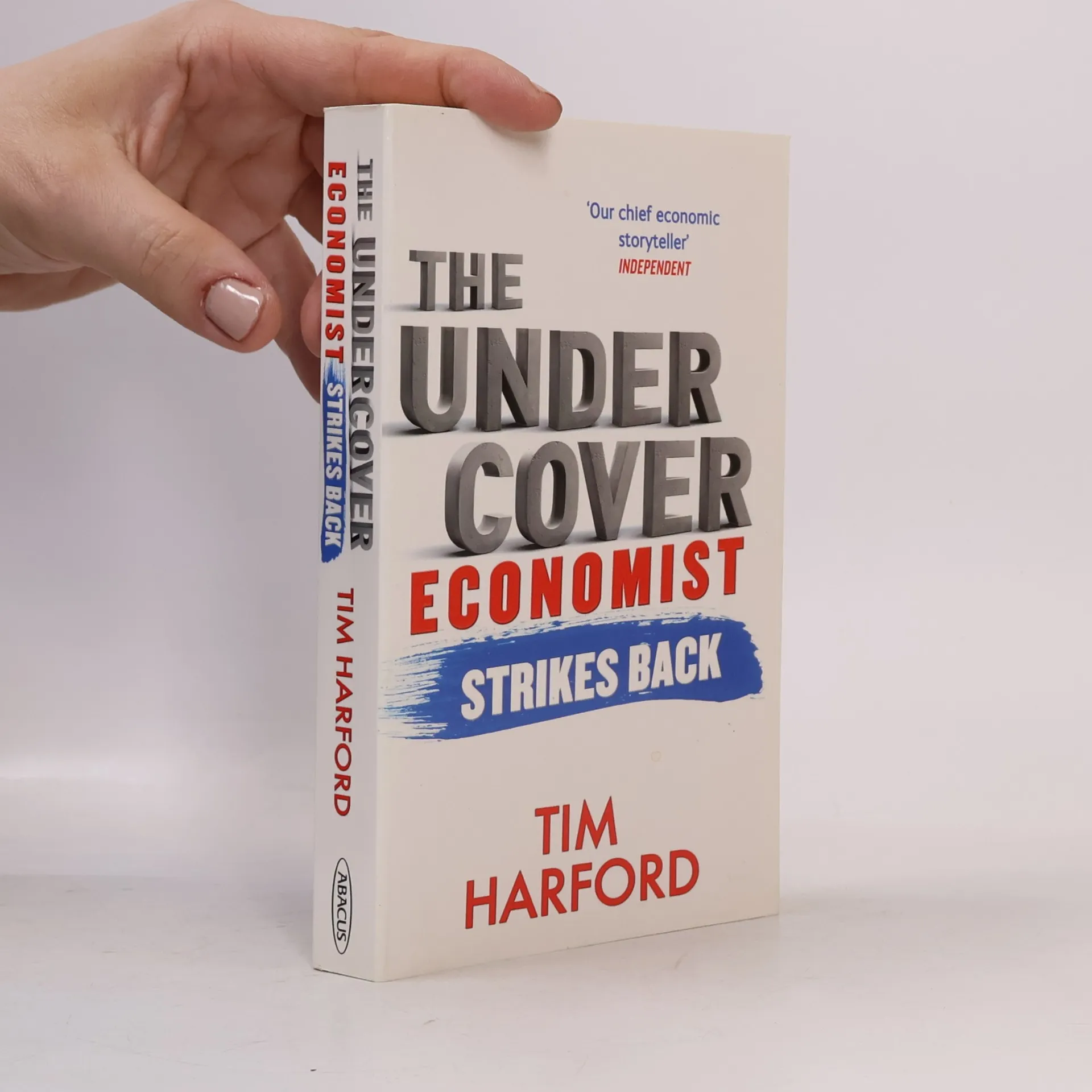
    • A million readers bought The Undercover Economist to get the lowdown on how economics works on a small scale, in our everyday lives. Since then, economics has become big news. Crises, austerity, riots, bonuses - all are in the headlines all the time. But how does this large-scale economic world really work? What would happen if we cancelled everyone's debt? How do you create a job? Will the BRIC countries take over the world? Asking - among many other things -- what the future holds for the Euro, why the banks are still paying record bonuses and where government borrowing will take us, in The Undercover Economist Strikes Back, Tim Harford returns with his trademark clarity and wit to explain what's really going on - and what it means for us all.

      The undercover economist strikes back
      3,9
    • Dear undercover economist

      The very best letters from the "Dear Economist" column

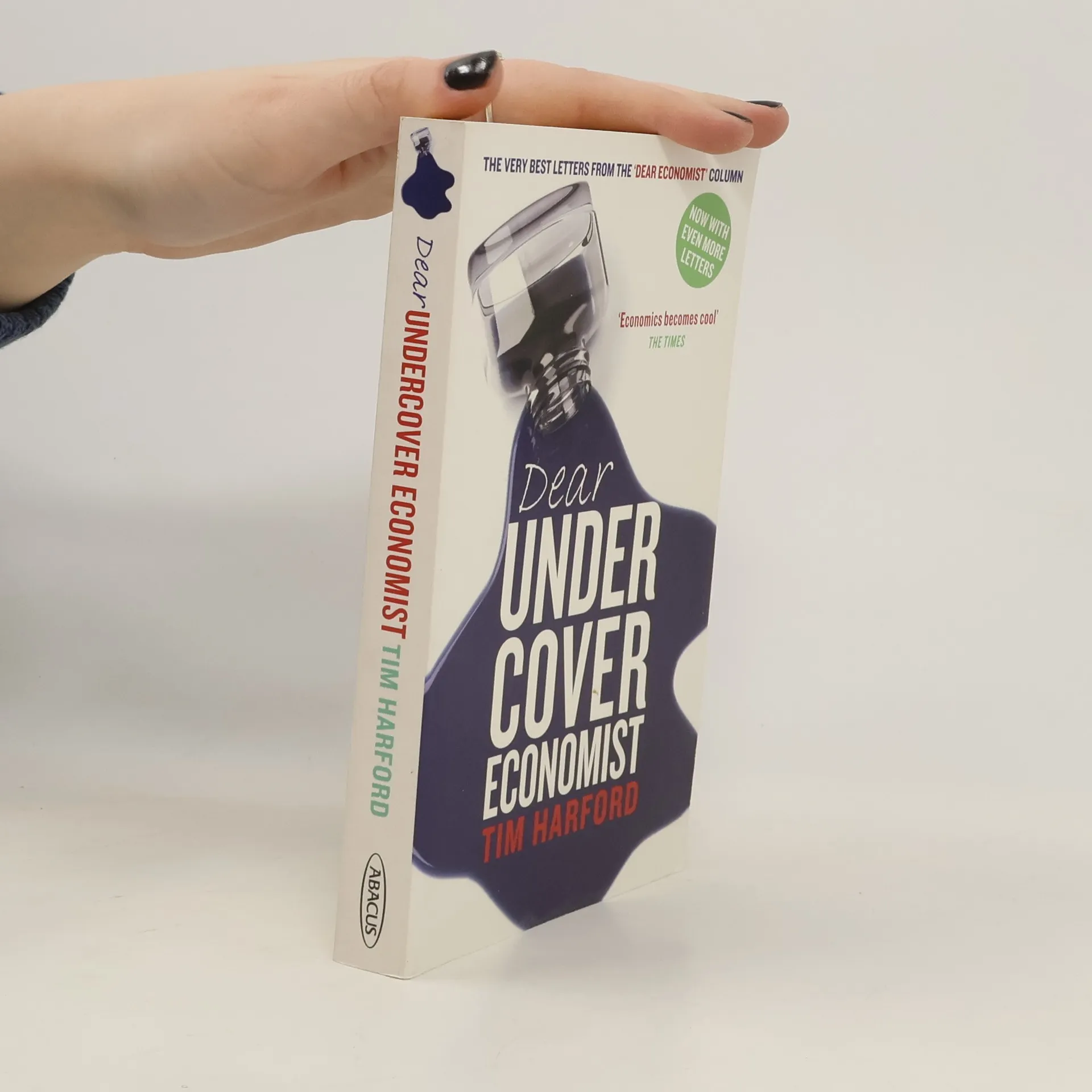
      Are there tangible benefits in flossing? Is it wrong to fake orgasms? What does the perfect online dating ad look like? Should we bother doing the ironing? From family rows and the stock market to buying socks or speed dating, you'll find within these pages a witty explanation for almost everything you ever wanted to know about life.

      Dear undercover economist
      3,8
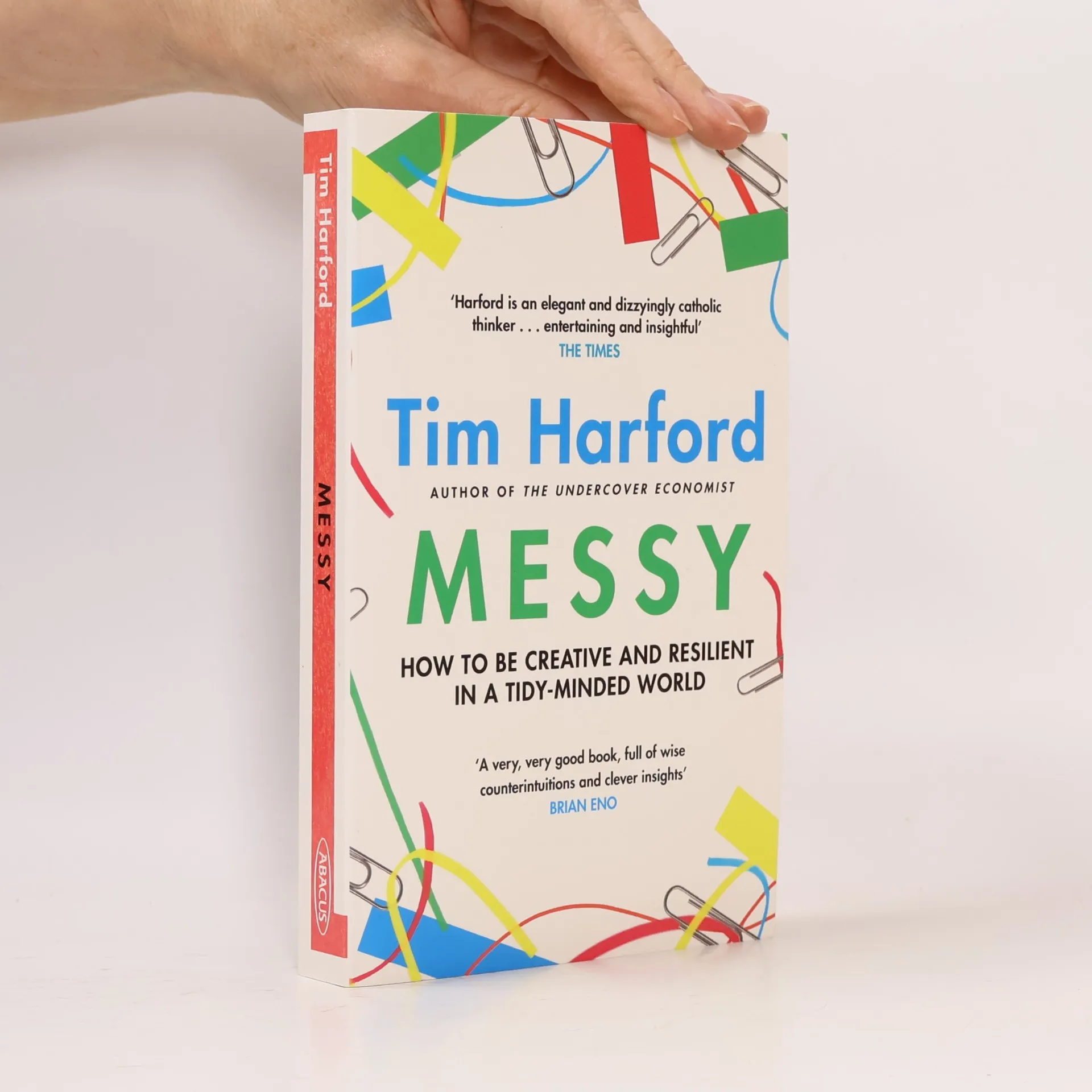
    • The urge for tidiness is deeply ingrained in human nature, as many find comfort in organization and categorization. While structured systems are beneficial—like reference systems in libraries or standardized measurements in science—this obsession with order has gone too far. Corporate and governmental pressures demand everything be labeled and numbered, and with technology amplifying this tendency, it seeps into our personal lives. We confine children to sanitized spaces and rely on algorithms for love, imposing order where chaos or messiness could foster creativity and resilience. Excessive tidiness leads to rigidity and sterility. In this exploration, the author highlights the value of embracing messiness in various aspects of life—be it personal, professional, or creative endeavors. A cluttered desk or an unstructured approach can yield responsiveness and innovation. This narrative advocates for a balance, suggesting that allowing some disorder can enhance our experiences and outcomes in business, politics, and everyday life. It’s a call to appreciate the advantages of a little mess, encouraging a shift away from the constraints of excessive tidiness.

      Messy : how to be creative and resilient in a tidy-minded world
      3,9
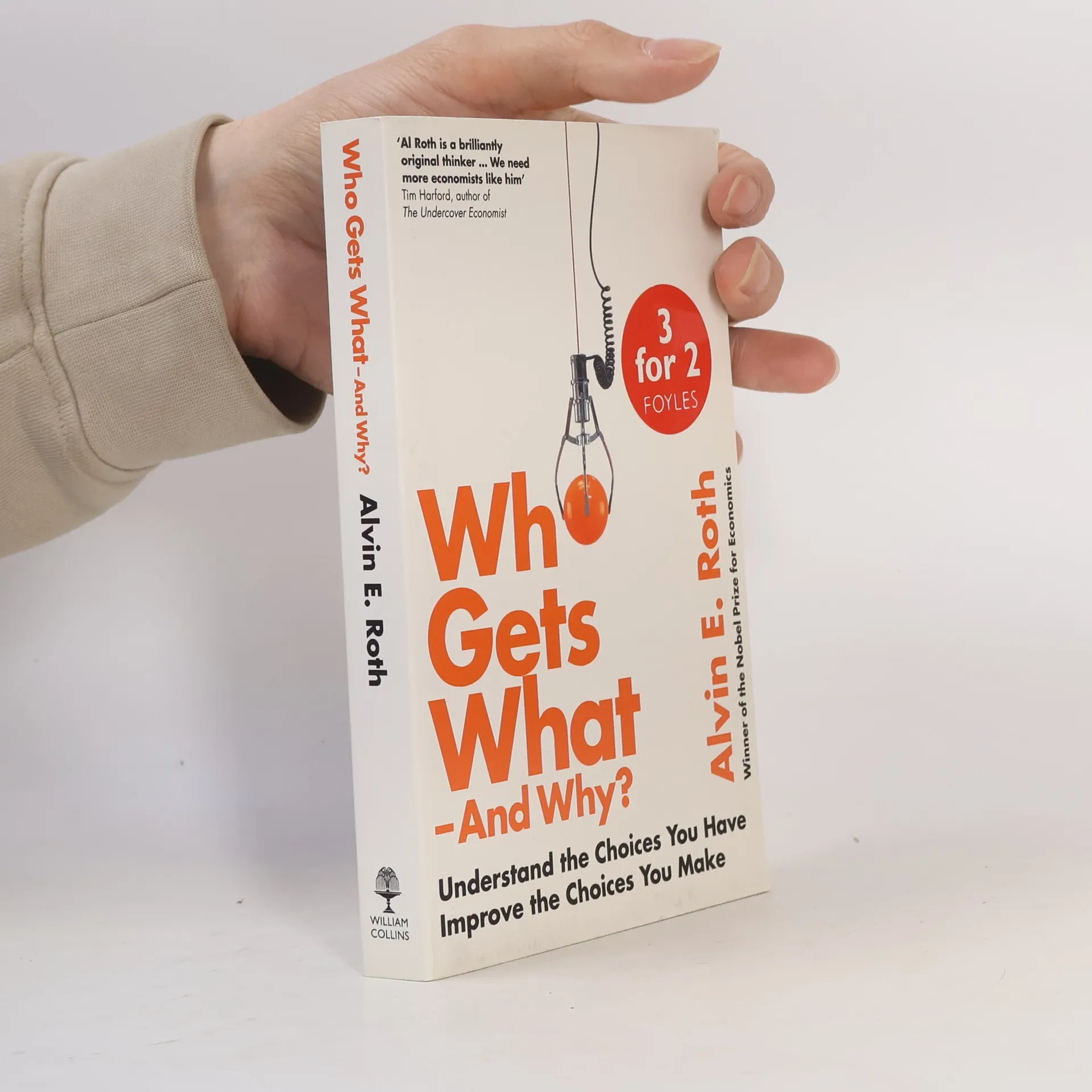
    • Who Gets What - And Why

      Understand the Choices You Have, Improve the Choices You Make

      • 260 stron
      • 10 godzin czytania

      This book shows how our lives are shaped not only by the choices we make, but by the choices we have. From dating, school and university applications to the job market, understand the most important decisions you'll ever make with insights from a Nobel Prize-winner.

      Who Gets What - And Why
      3,4
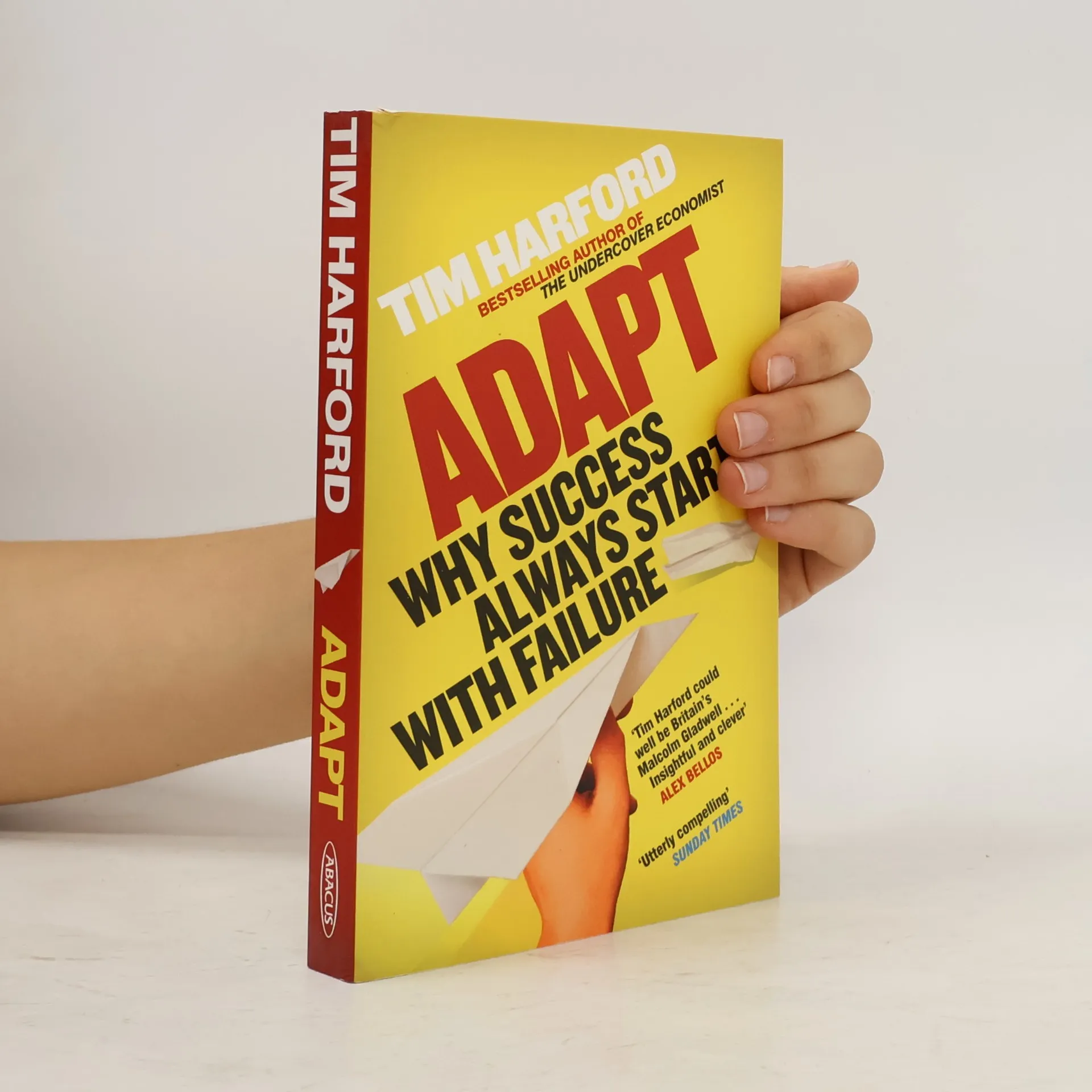
    • Everything we know about solving the world's problems is wrong. Out: Plans, experts and above all, leaders. In: Adapting - improvise rather than plan; fail, learn, and try again In this groundbreaking new book, Tim Harford shows how the world's most complex and important problems - including terrorism, climate change, poverty, innovation, and the financial crisis - can only be solved from the bottom up by rapid experimenting and adapting. From a spaceport in the Mojave Desert to the street battles of Iraq, from a blazing offshore drilling rig to everyday decisions in our business and personal lives, this is a handbook for surviving - and prospering - in our complex and ever-shifting world.

      Adapt. Why Success Always Starts with Failure
      3,9
    • The logic of life

      • 288 stron
      • 11 godzin czytania

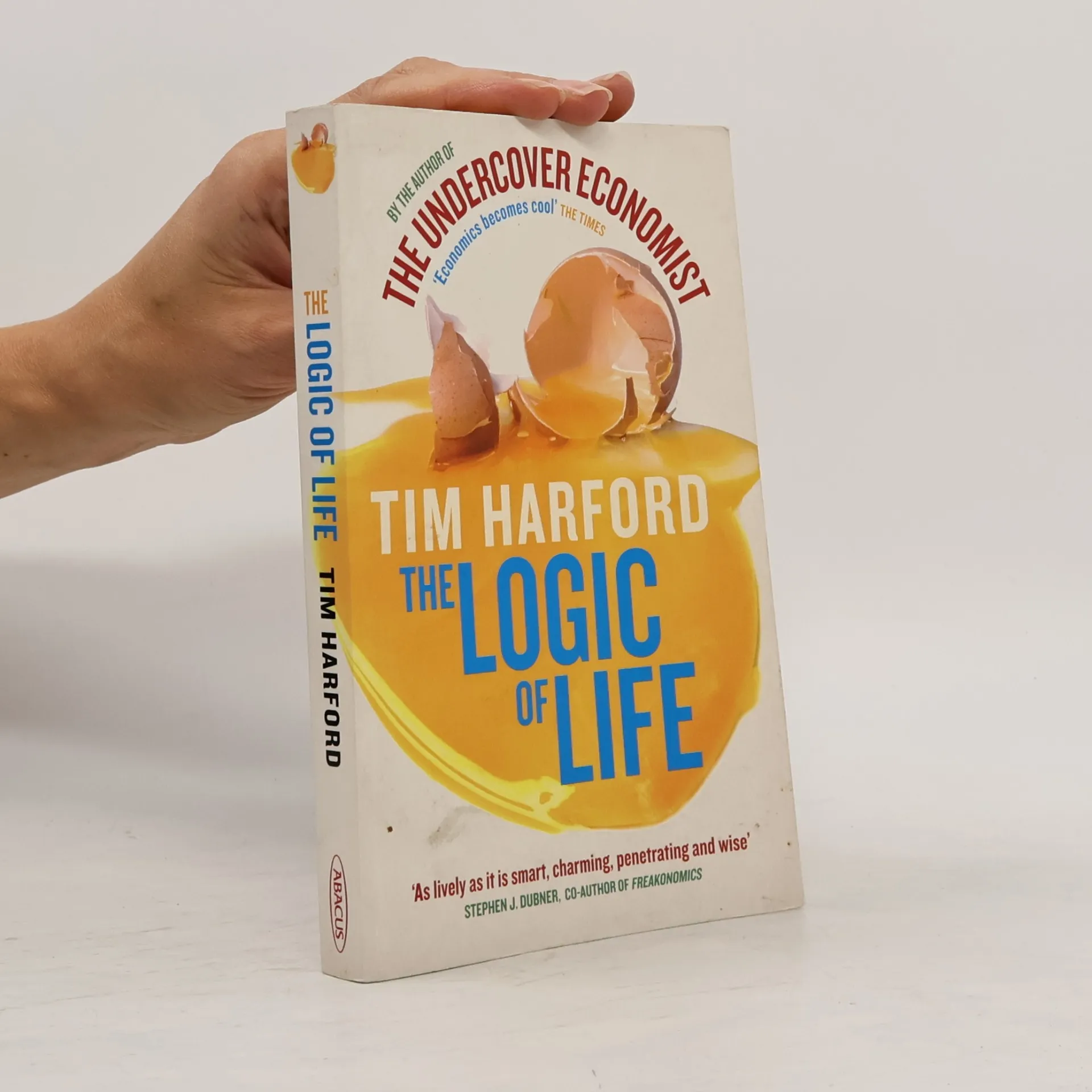
      From the author of 'The Undercover Economist, ' this book applies the economics of rational choice theory to modern life. Harford explains, for example, why drug addicts and teenage muggers can be rational, why suburban sprawl and inner city decay are rational, and why the endless meetings and injustices of working life are rational

      The logic of life
      3,8
    • Die Logik des Lebens

      Was hinter scheinbar verrückten Entscheidungen steckt

      • 349 stron
      • 13 godzin czytania

      Menschliches Verhalten erscheint oft zutiefst unlogisch. Aber ist das wirklich so? Für den preisgekrönten Wirtschaftsjournalisten und Bestseller-Autor Tim Harford prägen rationale Motive unser Verhalten viel stärker als bisher angenommen. Seine Theorie verdeutlicht er anhand einer Fülle von Fallbeispielen. Warum sind Chefs meistens überbezahlt? Was ist die Ursache des Oralsex-Booms? Warum setzt sich das Wohl der Wenigen auch in einer Demokratie häufig gegen das Wohl der Vielen durch? Durch Harfords Röntgenblick kommt die verborgene Logik des Lebens zum Vorschein.

      Die Logik des Lebens
      4,0
    • Tim Harford má daleko do nudného učitele moderní ekonomie, protože mu jde hlavně o praxi. Uvědomuje si totiž, že jeho obor není jen suchopárná věda, ale pojednává také o tom, jaké ekonomické problémy v každodenním životě řešíme a jak by se lidem i jejich financím mohlo vést lépe - což jim většina odborníků bohužel dosud nedokázala názorně vysvětlit. Aby předvedl, že je to proveditelné, poodkrývá čtenářům prostřednictvím desítek příkladů triky prodejců, odhaluje jim nejen mnohá úskalí nakupování, velkoměstské dopravy, ale i systémů zdravotní péče, ochrany životního prostředí či fungování akciových trhů a mezinárodního obchodu. Současně poukazuje na překážky stojící v cestě konkurenčnímu prostředí volných trhů, jež projevují přirozenou schopnost učinit náš svět lepším místem k životu. Pro jednu z nejžádanějších britských knih dneška je charakteristický jízlivý náhled na nejrůznější obchodní praktiky a zádrhely i nechuť vůči zažitým nepravdám a klišé. Autor v ní však neopomíjí ani starost o budoucnost obyvatel třetího světa, kterou nelze v podmínkách sílící globalizace ztrácet ze zřetele. Harfordův pronikavý výklad, připomínající podle recenzentů "náhled na všední den, viděný očima pronikavýma jako rentgen", zároveň vyzáří množství ostrovního humoru, neboť postupuje v duchu nejlepších popularizátorských tradic, jimž nic lidského není cizí.

      Důvtipný zákazník. Jak prohlédnout triky prodejců
      3,7