

Więcej o książce
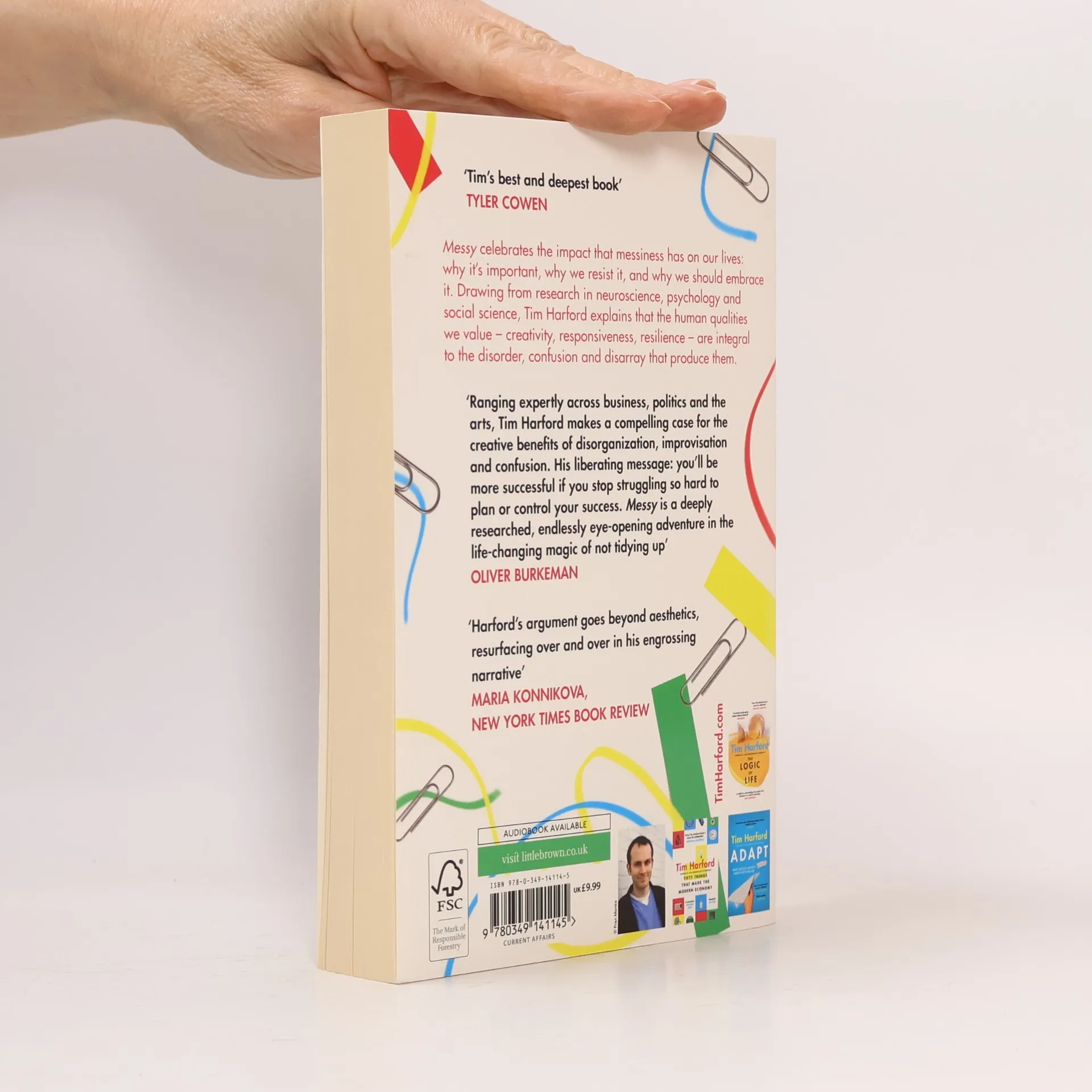
The urge for tidiness is deeply ingrained in human nature, as many find comfort in organization and categorization. While structured systems are beneficial—like reference systems in libraries or standardized measurements in science—this obsession with order has gone too far. Corporate and governmental pressures demand everything be labeled and numbered, and with technology amplifying this tendency, it seeps into our personal lives. We confine children to sanitized spaces and rely on algorithms for love, imposing order where chaos or messiness could foster creativity and resilience. Excessive tidiness leads to rigidity and sterility. In this exploration, the author highlights the value of embracing messiness in various aspects of life—be it personal, professional, or creative endeavors. A cluttered desk or an unstructured approach can yield responsiveness and innovation. This narrative advocates for a balance, suggesting that allowing some disorder can enhance our experiences and outcomes in business, politics, and everyday life. It’s a call to appreciate the advantages of a little mess, encouraging a shift away from the constraints of excessive tidiness.




Zakup książki
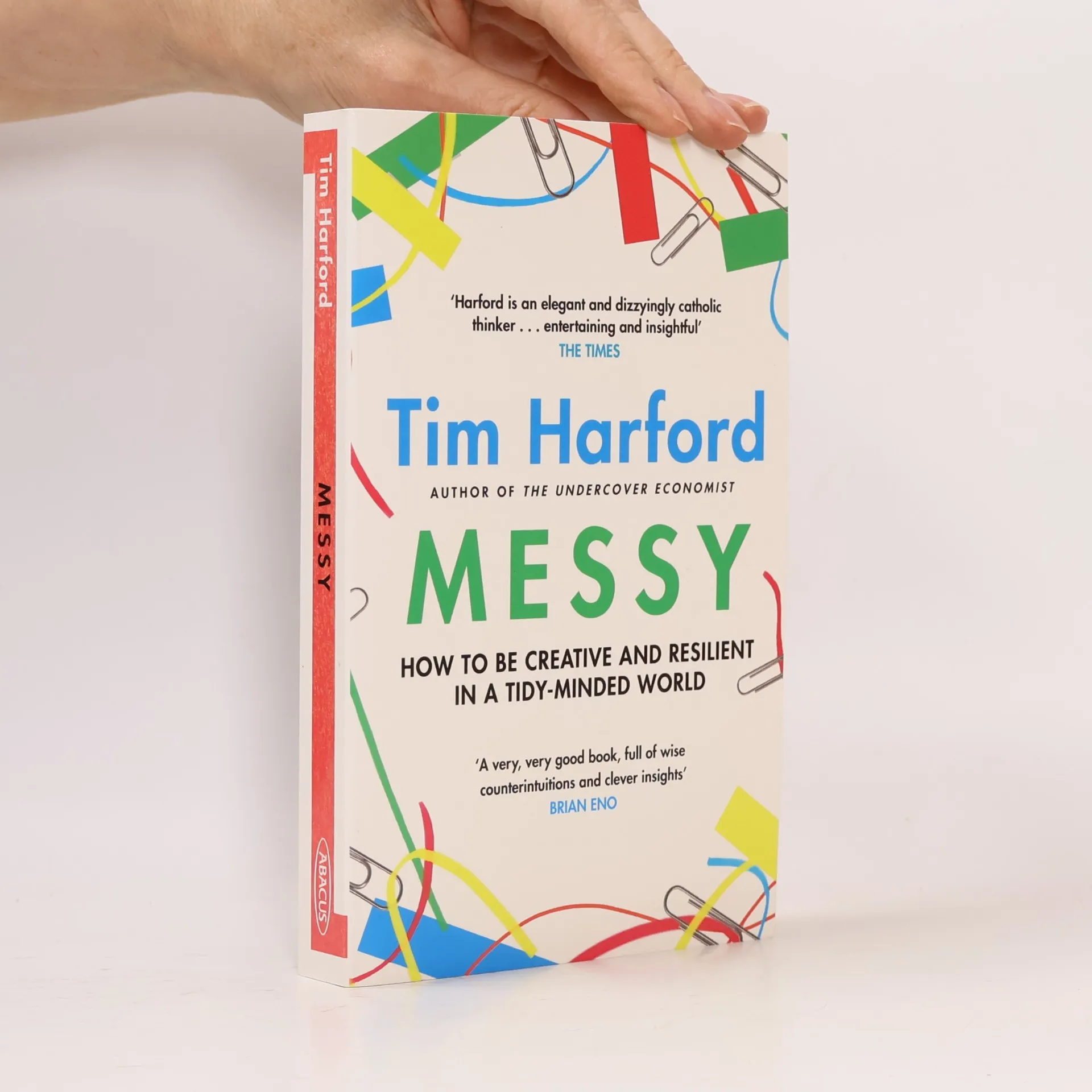
Messy : how to be creative and resilient in a tidy-minded world, Tim Harford
- Język

- Rok wydania
- 2017
- Oprawa
- (miękka),
- Stan książki
- Bardzo dobry
- Cena
- 21,22 zł
Metody płatności
Brakuje nam tutaj Twojej recenzji.
- Tytuł
- Messy : how to be creative and resilient in a tidy-minded world
- Język
- angielski
- Autorzy
- Tim Harford
- Wydawca
- Abacus
- Rok wydania
- 2017
- Oprawa
- miękka
- Liczba stron
- 336
- ISBN10
- 0349141142
- ISBN13
- 9780349141145
- Seria
- Kategorie
- Ocena
- 3,9 z 5
- Opis
- The urge for tidiness is deeply ingrained in human nature, as many find comfort in organization and categorization. While structured systems are beneficial—like reference systems in libraries or standardized measurements in science—this obsession with order has gone too far. Corporate and governmental pressures demand everything be labeled and numbered, and with technology amplifying this tendency, it seeps into our personal lives. We confine children to sanitized spaces and rely on algorithms for love, imposing order where chaos or messiness could foster creativity and resilience. Excessive tidiness leads to rigidity and sterility. In this exploration, the author highlights the value of embracing messiness in various aspects of life—be it personal, professional, or creative endeavors. A cluttered desk or an unstructured approach can yield responsiveness and innovation. This narrative advocates for a balance, suggesting that allowing some disorder can enhance our experiences and outcomes in business, politics, and everyday life. It’s a call to appreciate the advantages of a little mess, encouraging a shift away from the constraints of excessive tidiness.