Die Auseinandersetzung mit Scham wird hier als eine kraftvolle Triebfeder für gesellschaftlichen Wandel dargestellt. Anhand von Marx' Überlegungen wird aufgezeigt, dass das Bewusstsein für die eigene Verantwortung an Missständen als Anstoß dienen kann, aktiv Veränderungen herbeizuführen. Die Verbindung zwischen persönlicher Introspektion und politischem Handeln wird als zentraler Punkt hervorgehoben, der die transformative Kraft der Scham beleuchtet.
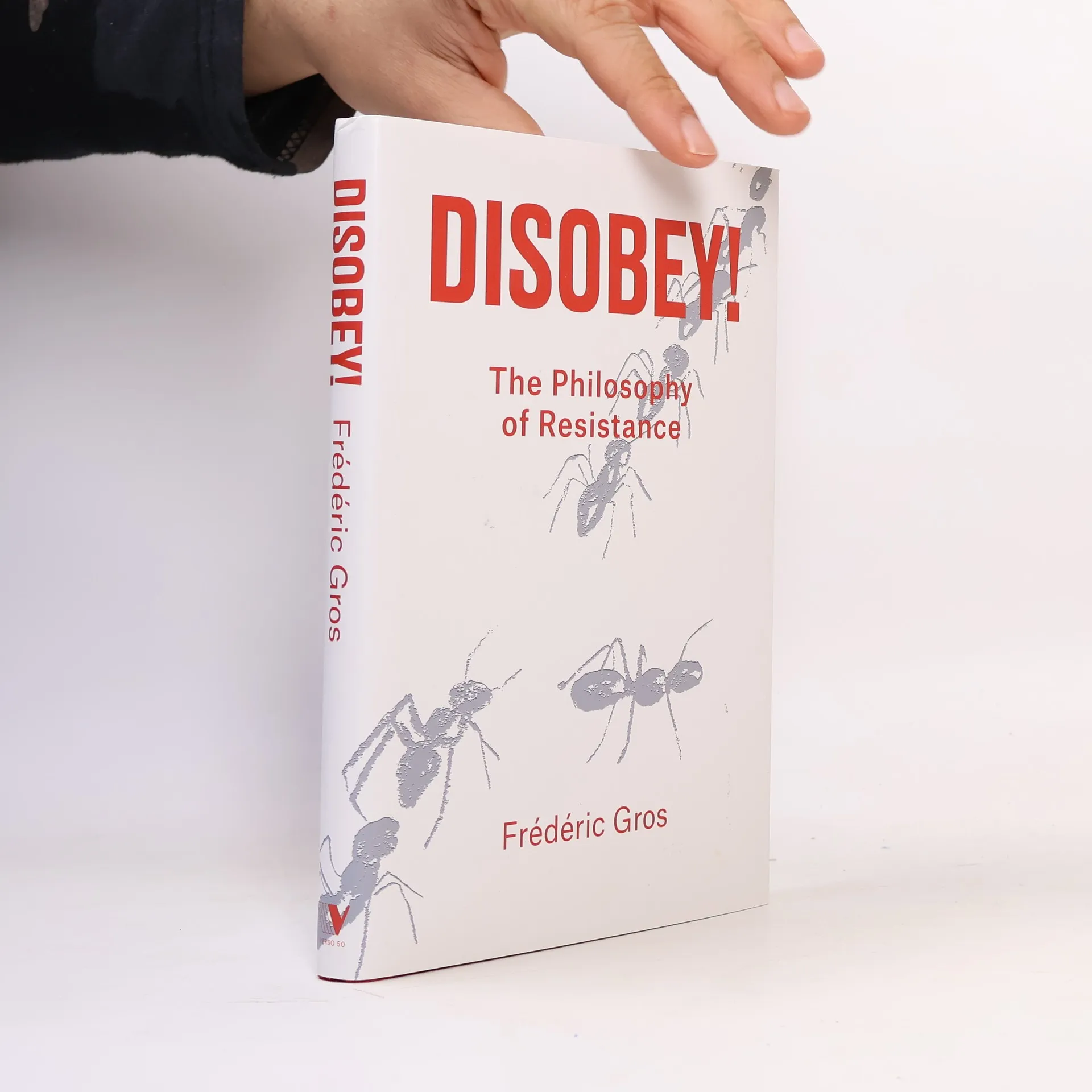
Exploring the philosophy of disobedience The world is out of joint, so much so that disobeying should be an urgent question for everyone. In this provocative essay, Frédéric Gros explores the roots of political obedience. Social conformity, economic subjection, respect for authorities, constitutional consensus? Examining the various styles of obedience provides tools to study, invent and induce new forms of civic disobedience and lyrical protest. Nothing can be taken for granted: neither supposed certainties nor social conventions, economic injustice or moral conviction. Thinking philosophically requires us never to accept truths and generalities that seem obvious. It restores a sense of political responsibility. At a time when the decisions of experts are presented as the result of icy statistics and anonymous calculations, disobeying becomes an assertion of humanity. To philosophize is to disobey. This book is a call for critical democracy and ethical resistance.
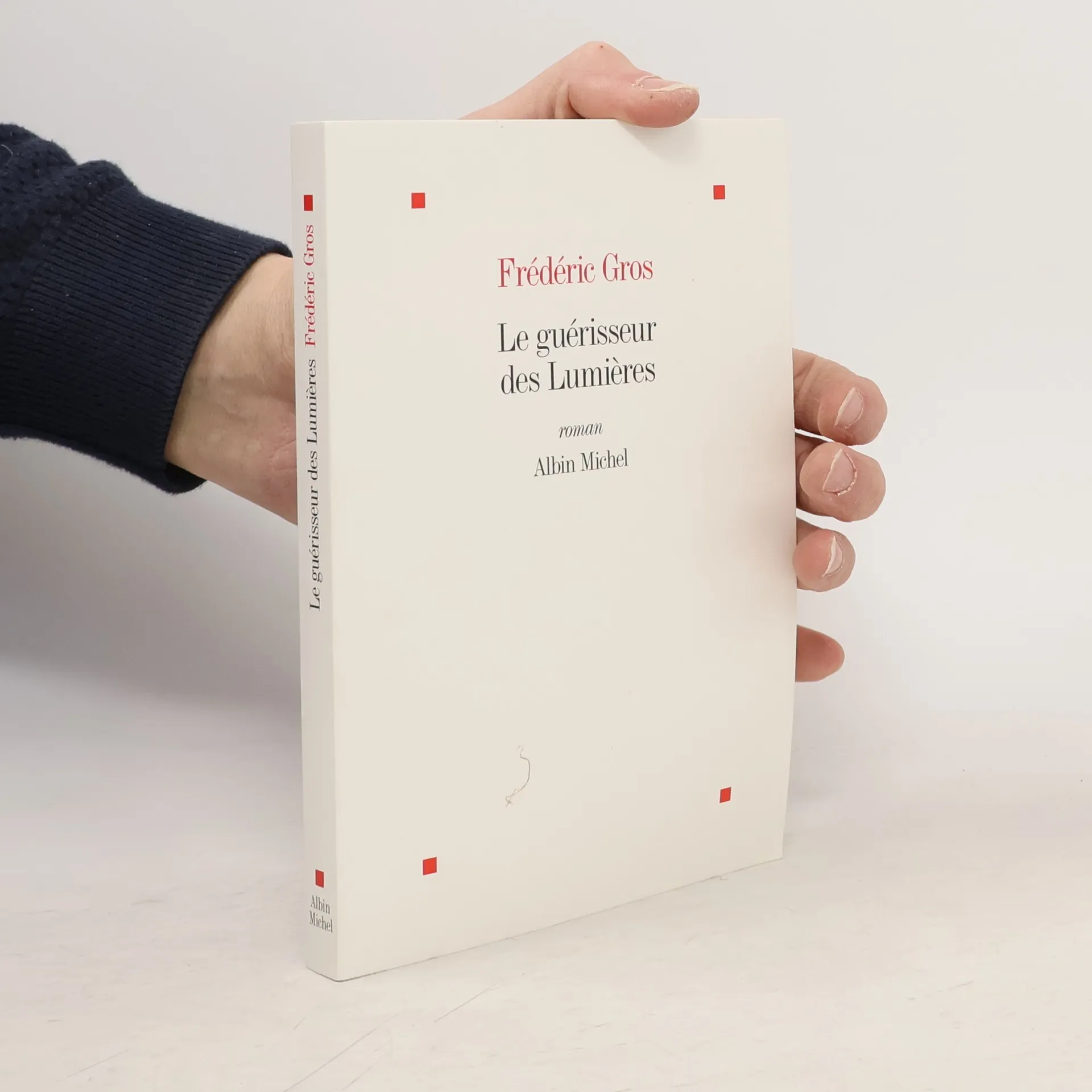
Roman épistolaire autour de Franz-Anton Mesmer, l'inventeur du magnétisme animal. Persuadé d'avoir trouvé une technique de guérison universelle par simple effleurement continu et insistant de la main sur le corps du malade, il produit des guérisons miraculeuses à Vienne et à Paris où il est contraint de fuir. Alors même qu'il est rejeté par les milieux scientifiques, son cabinet ne désemplit pas.
The idea of security—from ancient Greece to the War on Terror In The Security Principle, French philosopher Frédéric Gros takes a historical approach to the concept of security, looking at its evolution from the Stoics to the social network. With lucidity and rigour, Gros’s approach is fourfold, looking at security as a mental state, as developed by the Greeks; as an objective situation and absence of all danger, as prevailed in the Middle Ages; as guaranteed by the nation-state and its trio of judiciary, police, and military; and finally biosecurity, control, regulation, and protection in the flux of contemporary society. In this deeply thought-provoking account, Gros’s exploration of security shines a light both on its past meanings and its present uses, exposing the contemporary abuses of security and the pervasiveness of it in everyday life in the Global North.
Wyznania ciała (pisane w latach 1981–1982) ukazały się w 2018 roku jako
czwarta część Historii seksualności, wbrew wyrażonej dwa lata przed śmiercią
woli autora dotyczącej całości jego niewydanego dorobku. Spadkobiercy zmarłego
w czerwcu 1984 roku Michela Foucault postanowili jednak – na szczęście –
złamać ten zakaz. W Wyznaniach ciała francuski myśliciel zgłębia poglądy Ojców
Kościoła (II–V wiek) na ludzką cielesność i seksualność. Wykazuje, że wczesne
chrześcijaństwo wymyśla nie tyle nowe zakazy dotyczące tej sfery, ile pewną
„formę podmiotowości”. Głębokiej zmianie – poprzez nowy tryb doświadczenia
cielesności – ulega stosunek człowieka do siebie samego. Życie duchowe i
cielesne regulują odtąd nowe praktyki. Chrześcijanin zobowiązany jest
manifestować swą grzeszność przez publiczną lub prywatną pokutę. Podlega
obowiązkowi „mówienia prawdy o sobie” w formie wyznawania grzechów.
"Foucault, Wittgenstein : de possibles rencontres. La tentation est grande en effet de confronter, comparer, faire jouer ensemble ces deux grandes références de la pensée contemporaine, même s'il ne saurait être question d'établir aucun rapport d'influence directe (Foucault a très peu lu Wittgenstein, il ne le cite que deux ou trois fois, et encore de manière allusive). Mais ces deux figures ont en commun de constituer, pour l'histoire philosophique du XXe siècle, des icônes . Par là on veut dire que, à la différence de beaucoup d'autres, Foucault et Wittgenstein, en plus de représenter un ensemble défini d'énoncés et un certain nombre de conceptions spécifiques, ce sont immédiatement des visages, des styles de pensée, des pratiques d'existence. D'autre part, on retrouverait assez facilement chez nos deux auteurs un rapport critique, implicite ou explicite, ou même simplement désinvolte à la philosophie traditionnelle (comme un ensemble de systèmes de connaissances qu'il conviendrait d'étudier, de commenter, de corriger ...). Mais ce dépassement d'une philosophie classique s'opère chez les deux au nom d'une dimension éthique." P. [4] of cover.
Chodzenie zyskuje coraz więcej zwolenników, którzy zaznają jego dobroczynnego
działania: uspokojenia, zjednoczenia z naturą, poczucia pełni. Chodzenie nie
wymaga ani umiejętności, ani techniki, ani sprzętu, ani pieniędzy. Wystarczy
ciało, przestrzeń i czas. Ale chodzenie jest też aktem filozoficznym i
doświadczeniem duchowym. Włóczęgi i pielgrzymki, błądzenie i rytuały
przejścia, natura i cywilizacja – autor czerpie z literatury, historii i
filozofii: Rimbaud i jego wieczne ucieczki, Gandhi i polityka biernego oporu i
oczywiście Kant i jego codzienne przechadzki po Królewcu. A jeśli tylko
stopami dobrze się myśli? Co miał na myśli Nietzsche, kiedy pisał: „I wspinały
się stopy, palce już słuchały”? Właśnie o tym jest ta książka, będąca zarazem
traktatem filozoficznym i próbą zdefiniowania sztuki chodzenia. Ucieszy
wszystkich, którzy nigdy nie myśleli o sobie jako o wędrujących myślicielach.
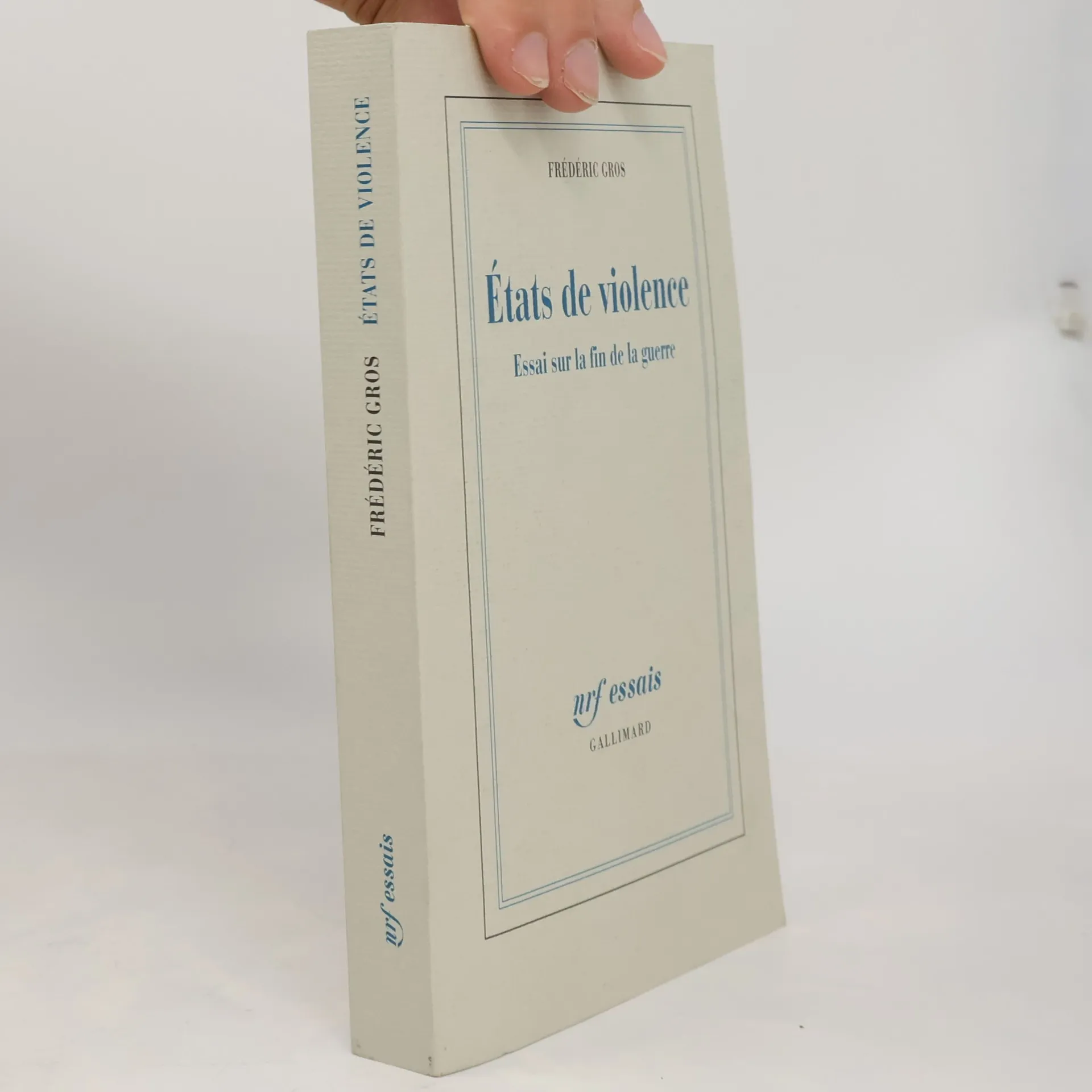
According to political philosopher Frédéric Gros, traditional notions of war and peace are currently being replaced by ideas of intervention and security. But while we may be able to speak of an end to war, this does not imply an end to violence. On the contrary, Gros argues that what we are witnessing is a reconfiguration of our ideas of war, resulting in new forms of violence—terrorist attacks, armed groups jockeying for territory, the use of precision missiles, and the dangerous belief that conflict can be undertaken without casualties. In States of Violence , Gros explains how war was once conducted to defend or increase the power of a city, an empire, or a state, but today conflict is directed at the very fragility of the individual and based upon a logic of unilateral destruction inflicted upon deprived civilian populations. While war was once rationalized as justified bloodshed, these new states of violence are instead centered on the spectacle of stark, publicized civilian suffering. By charting the history of the philosophy of conflict in Western discourse, Gros offers a stimulating and timely critique of contemporary notions of war and terror.