Kontynuacja powieści Ja, Klaudiusz. Dzieje burzliwego związku w niezwykłych
czasach. Przez pół wieku Klaudiusz, kulawy jąkała uważany za półgłówka, ale
człowiek uczciwy, prawy i lojalny, pozostawał w cieniu, aż przypadek zrządził,
że został cesarzem. Jego żoną była wówczas Messalina - kobieta, o której
temperamencie i nienasyconym głodzie seksualnym krążyły legendy. Klaudiusz
długo pozostawał pod jej wpływem, przymykając oczy na niektóre jej
nieprawości, nieświadom innych. W końcu jej postępki zaczęły zagrażać życiu
cesarza i stabilności imperium. Klaudiusz musiał dokonać tragicznego wyboru…
Pięćdziesiąt lat życia Klaudiusza - do momentu objęcia przez niego godności cesarskiej. Walka o władzę, intrygi i morderstwa. Matka nazywała go monstrum stworzonym, lecz nie dokończonym przez naturę. Babka, Liwia, odnosiła się doń z pogardą. August wolał nie pokazywać się z nim publicznie, choć dostrzegał jego zalety. Przez pół wieku Klaudiusz, kulawy jąkała uważany za półgłówka, ale człowiek uczciwy, prawy i lojalny, pozostawał w cieniu, aż przypadek zrządził, że został cesarzem. Tylko on przetrwał wszystkie spiski i zbrodnie, które kolejno zabierały członków jego rodziny.
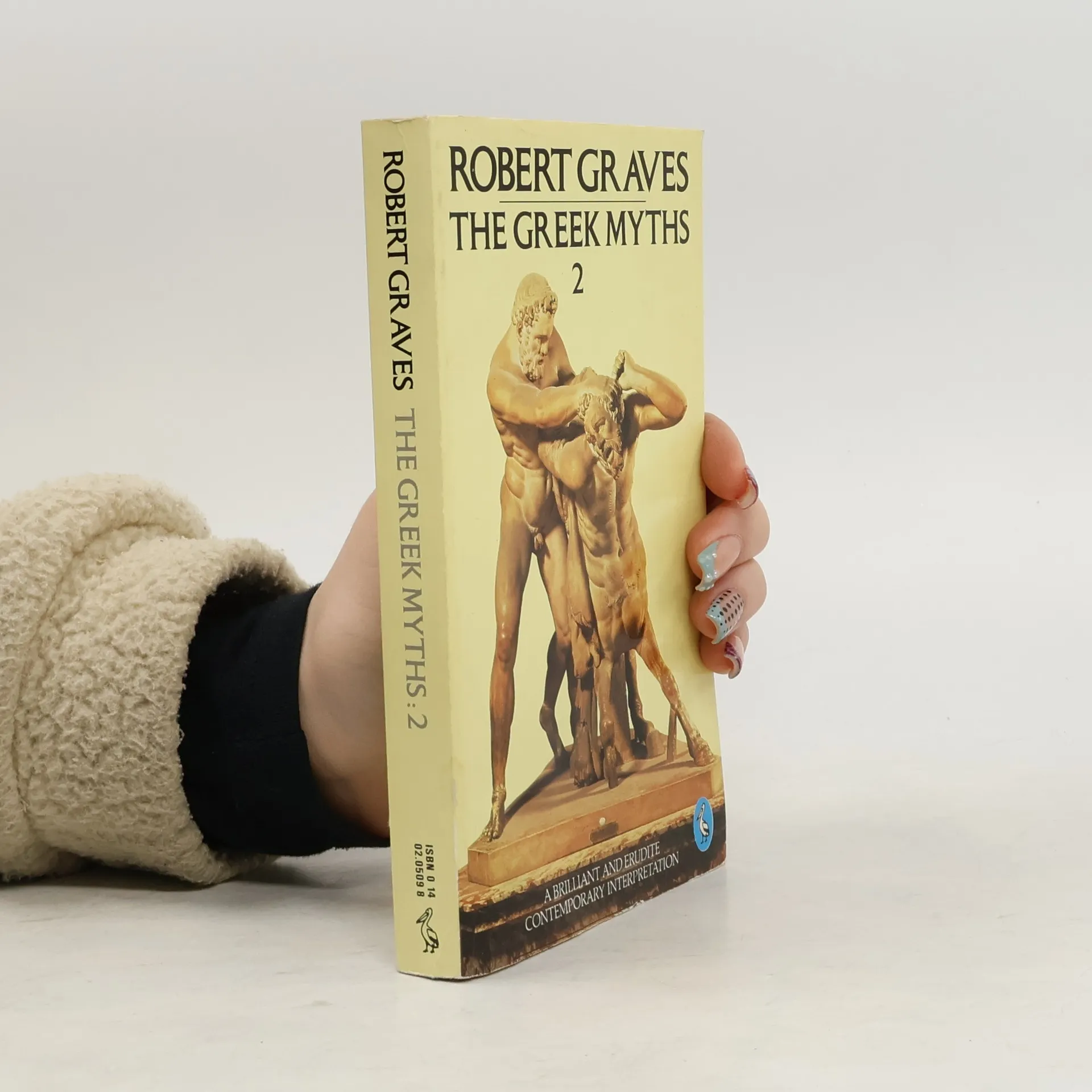
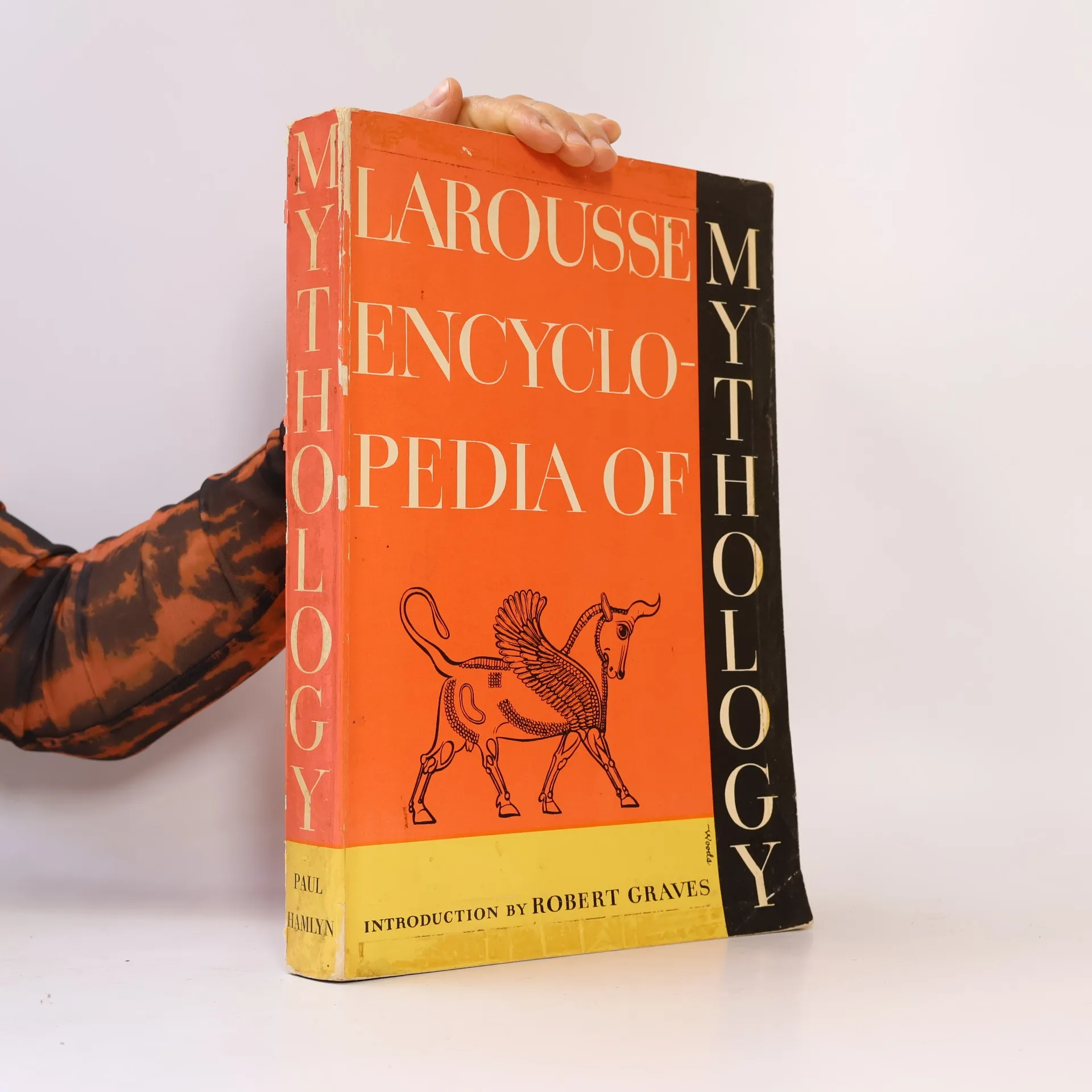
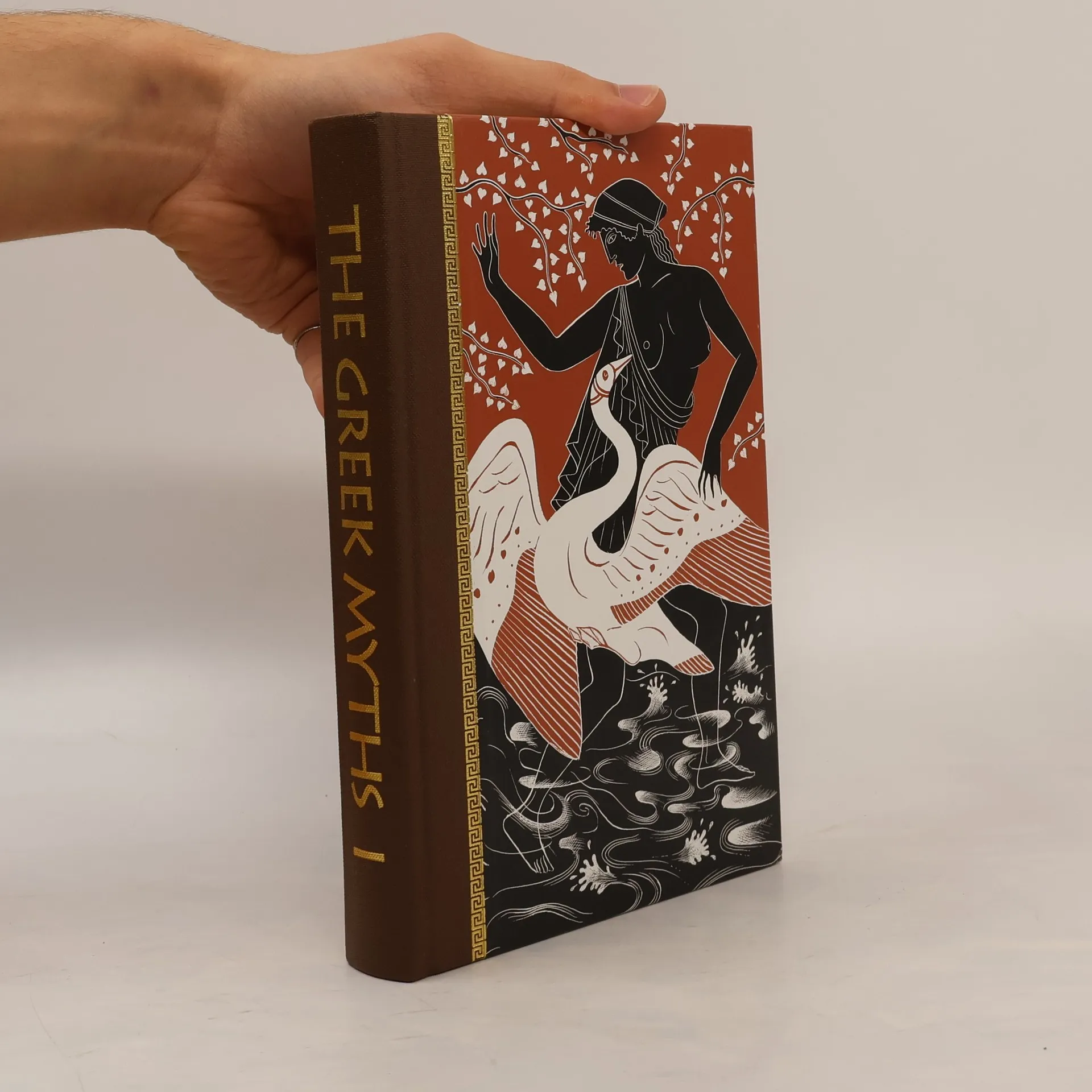
Mity geckieRoberta Gravesa (1895-1985) angielskiego pisarza (autora
bestsellerowych powieści historycznych, między innymi Ja Klaudiuszi Klaudiusz
i Messalina), poety, historyka, kulturoznawcy - to do dnia dzisiejszego
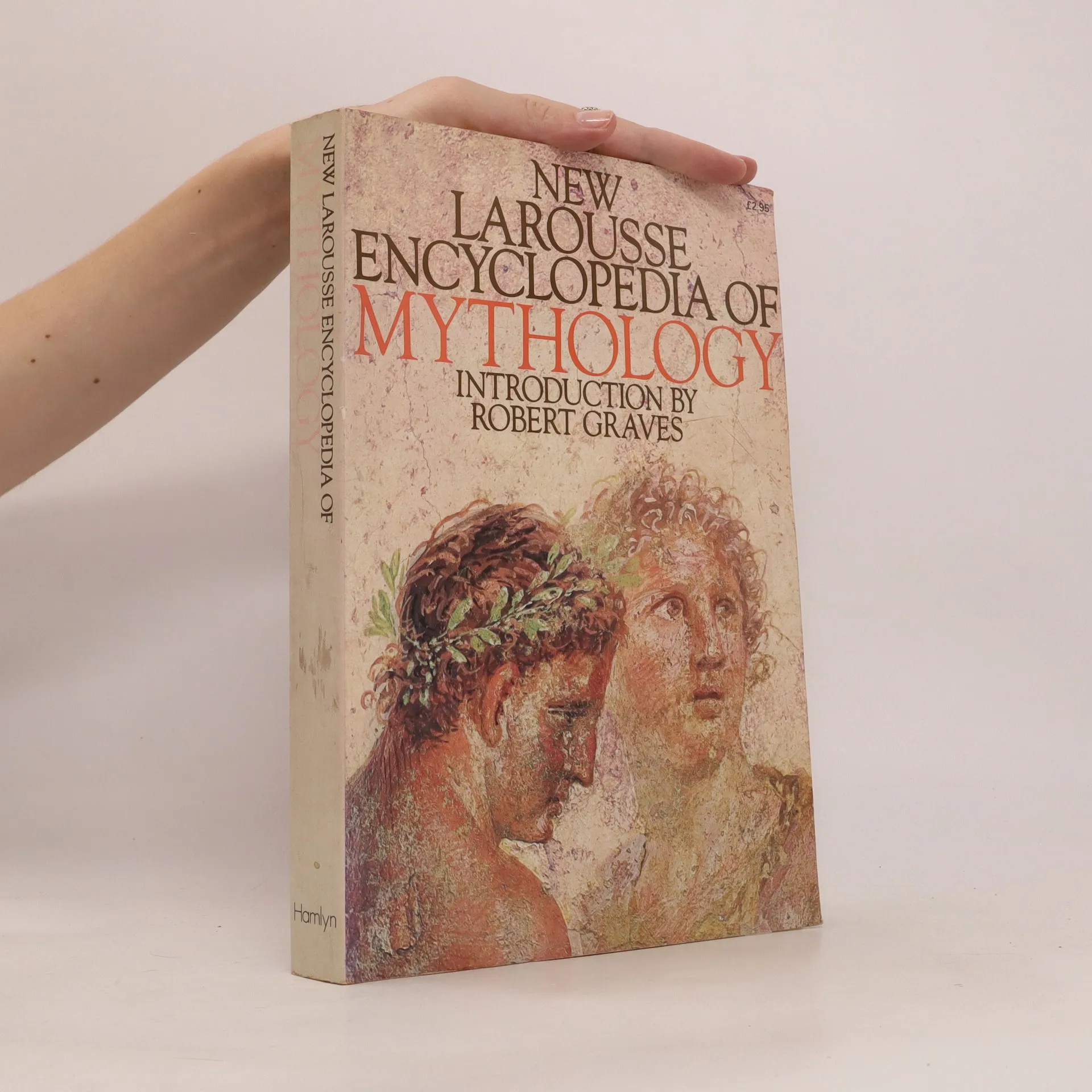
najlepsze, najpełniejsze i najciekawiej opracowane kompendium wiedzy o
wierzeniach i kulturze starożytnych Greków. Od powstania świata z Chaosu i
narodzin olimpijskich Bogów przez prace Herkulesa aż do Wojny Trojańskiej i
powrotu z niej Odyseusza. Robert Graves oprowadza po tym świecie z literacką
maestrią i niezwykłą, erudycyjną wiedzą. Przedstawia różne, często nawet
sprzeczne, wersje i interpretacje mitów tworząć z nich jednak jednolitą
całość. W rezultacie proponuje nam świetnie literacko napisaną encyklopedię
wiedzy o kulturze greckiej, niezbędną zarówno dla specjalistów jak i dla
każdego poszukiwacza wiedzy o bogach, herosach, nadzwyczajnych wydarzeniach,
które inspirowały Homera, Sofoklesa, Eurypidesa. I wiedzy o tym co w
zasadniczym stopniu ukształtowało naszą europejską kulturę i tożsamość. Bo
przecież Na samym początku Matka Ziemia wyłoniła się z Chaosu i we śnie
urodziła syna swego Uranosa, który spoglądając na nią czule ze szczytów gór
podlewał żyznym deszczem doliny, ona zaś rodziła trawy, kwiaty i drzewa oraz
zwierzęta i ptaki. Od tego samego deszczu popłynęły rzeki, on też wypełnił
wklęsłe miejsca wodą i tak powstały jeziora i morza...
W pasjonujący sposób opisana historia wyprawy Argonautów po Złote Runo. Herkules, Jazon, Atalanta i inni mitologiczni bohaterowie ożywają na kartach dzieła mistrza gatunku powieści historycznej Roberta Gravesa.
Robert Graves (1895–1985) był poetą z przekonania, powieściopisarzem dla zarobku i badaczem tradycji z namiętności. „Biała Bogini” (1948, wydanie rozszerzone: 1961) powstała między dwoma najbardziej znanymi u nas dziełami tego angielskiego twórcy: powieścią „Ja, Klaudiusz” (1934) i „Mitami greckimi” (1955). Jest badaniem historycznym opartym na „natchnieniu poetyckim”, badaniem nienaukowym w zwykłym sensie, lecz tym bardziej przez to fascynującym. Graves wysuwa kontrowersyjne hipotezy, które nadają jego dziełu wprost sensacyjny charakter. Czytelnik wraz z autorem tropi ślady domniemanej tytułowej bogini w obrzędach i mitach starożytnej Irlandii i Brytanii, odkrywa tajemnice „zaszyfrowane” w ówczesnych tekstach poetyckich, a nawet w gaelickim alfabecie. Te okruchy tradycji zawierają, zdaniem Gravesa, przekaz o pradawnym powszechnym kulcie tego bóstwa: bogini o wielu imionach, swoistej prototypowej religii. W szczególności walijski epos „Bitwa drzew” (spisany w XIV wieku) miałby ukrywać wiadomości o niej. W niezwykłym „śledztwie” Graves odtwarza pierwotną, jego zdaniem, postać poematu. Kult ów, uważa autor, trwa w wypartej, ezoterycznej postaci, odkąd zapanował „męski” monoteistyczny Bóg judaizmu, ale nadal stanowi żywą inspirację dla poetów. „Biała Bogini” to dzisiaj dzieło „kultowe”, które niezależnie od kontrowersyjnej tezy jest prawdziwą kopalnią wiedzy o mitologii różnych kultur i o historii religii.
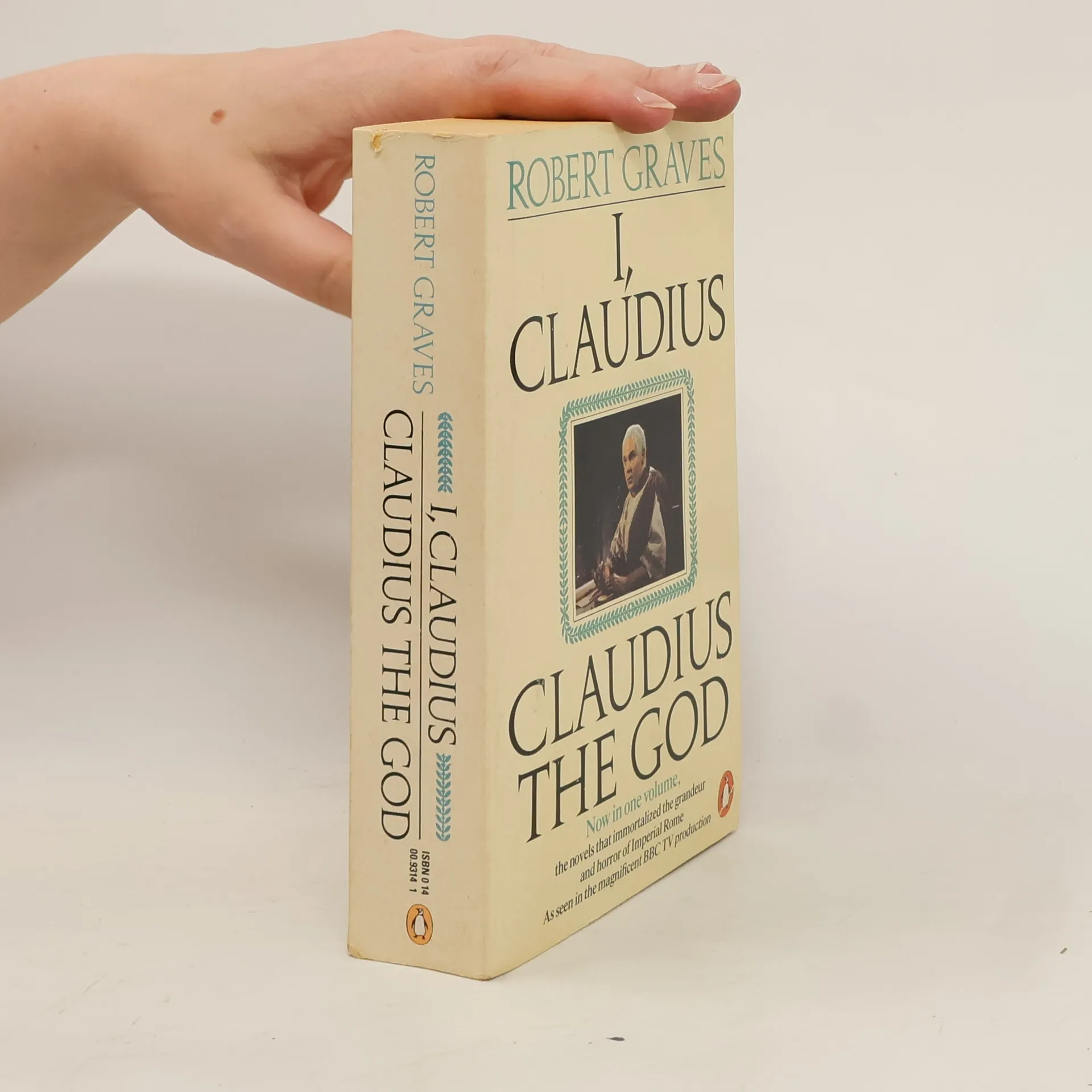
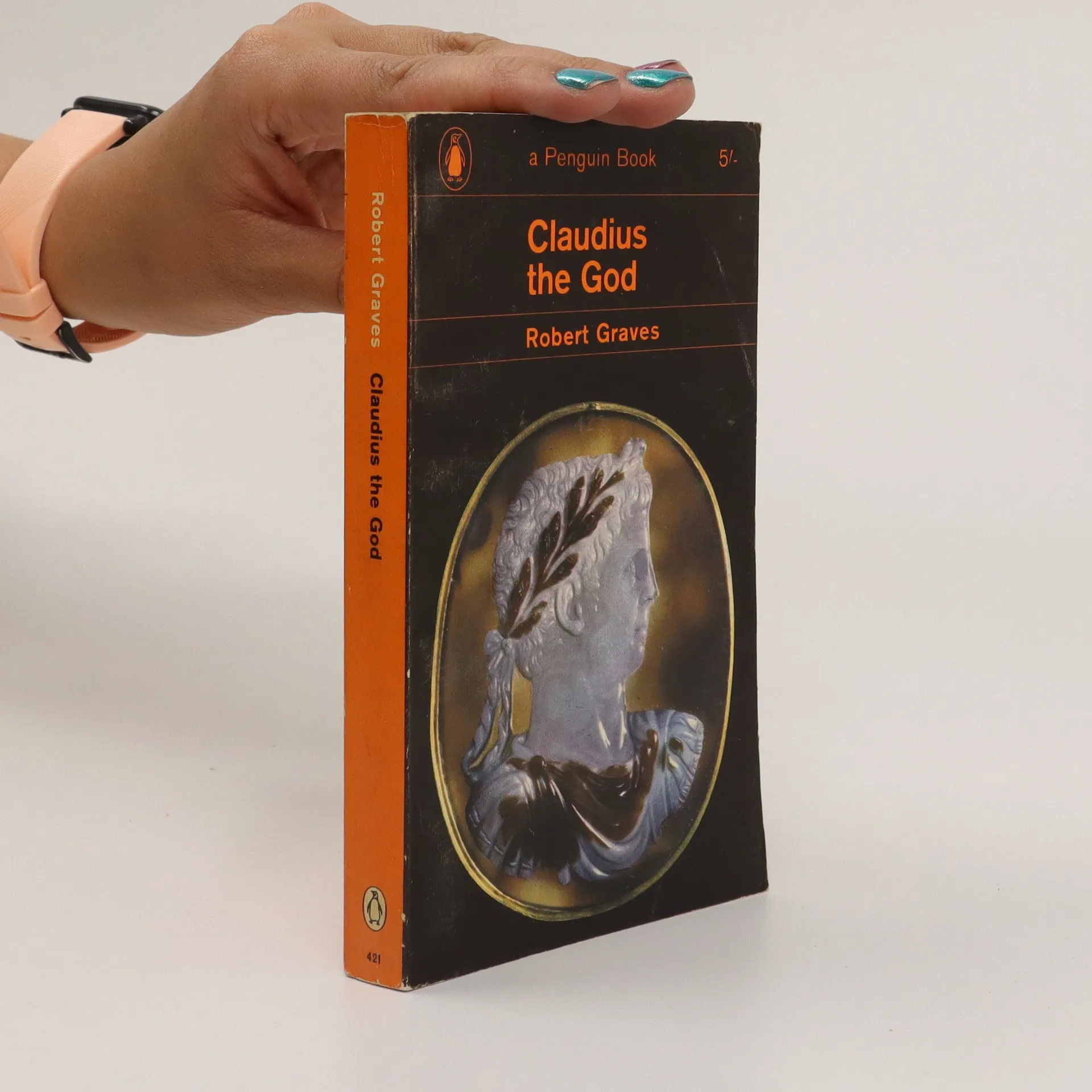
Clau-Clau-Claudius the stammerer was known as a buffoon and a pitiful fool.He made it his business to watch from the sidelines and record the antics, funny, violent and lustful, of the imperial household as its members vied with each other for power. Then he found himself Emperor.From the great days of Augustus and the cruelties of Tiberius to the deified insanity of Caligula, he records a story breathtaking in its murderousness, greed and folly. Throughout the swings of fortune, his own disastrous love affair with the depraved Messalina and surprisingly successful reign, his voice sometimes puzzled, sometimes rueful, always sane, speaks to us across the centuries in two great, classic historical novels.
The narrative centers on Marie Powell, who marries the renowned poet John Milton at just sixteen, set against the backdrop of the English Civil War. Their union, marked by stark ideological differences—her Royalist views clash with his Parliamentarian beliefs—creates a tumultuous relationship. Through Marie's poignant journals, the story unfolds as a critique of Milton's literary ambition and masculinity. It also captures the intense historical context of 1640s England, highlighting themes of tyranny versus freedom amidst a nation in turmoil.
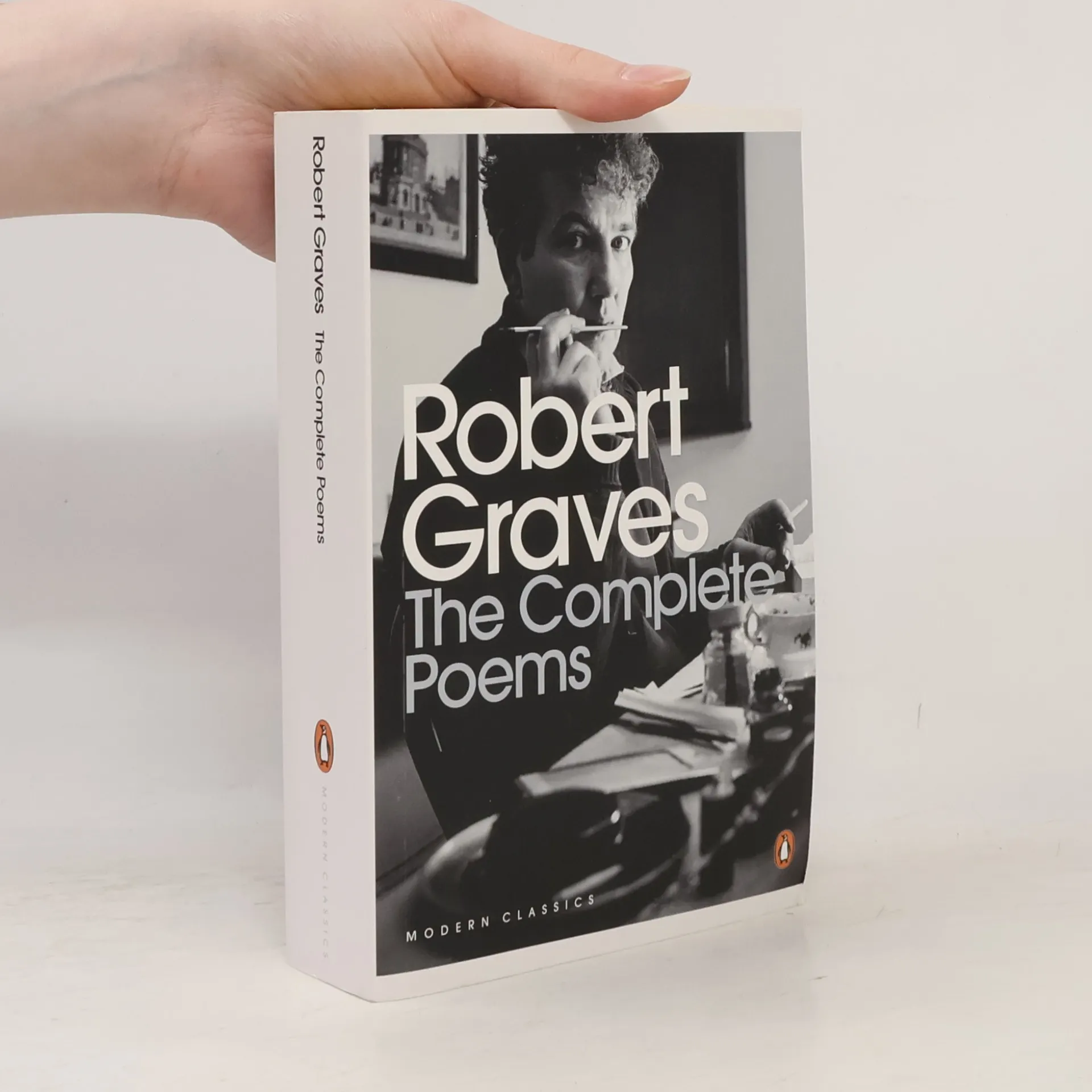
Graves created a rich mythology where love, fear, fantasy and the supernatural
play an essential role. Intimate yet universal, passionate yet precise, their
brilliant alchemy of realism and magic made Graves' poems some of the finest.
This book presents the achievement of Graves' seventy productive years.
schovat popis
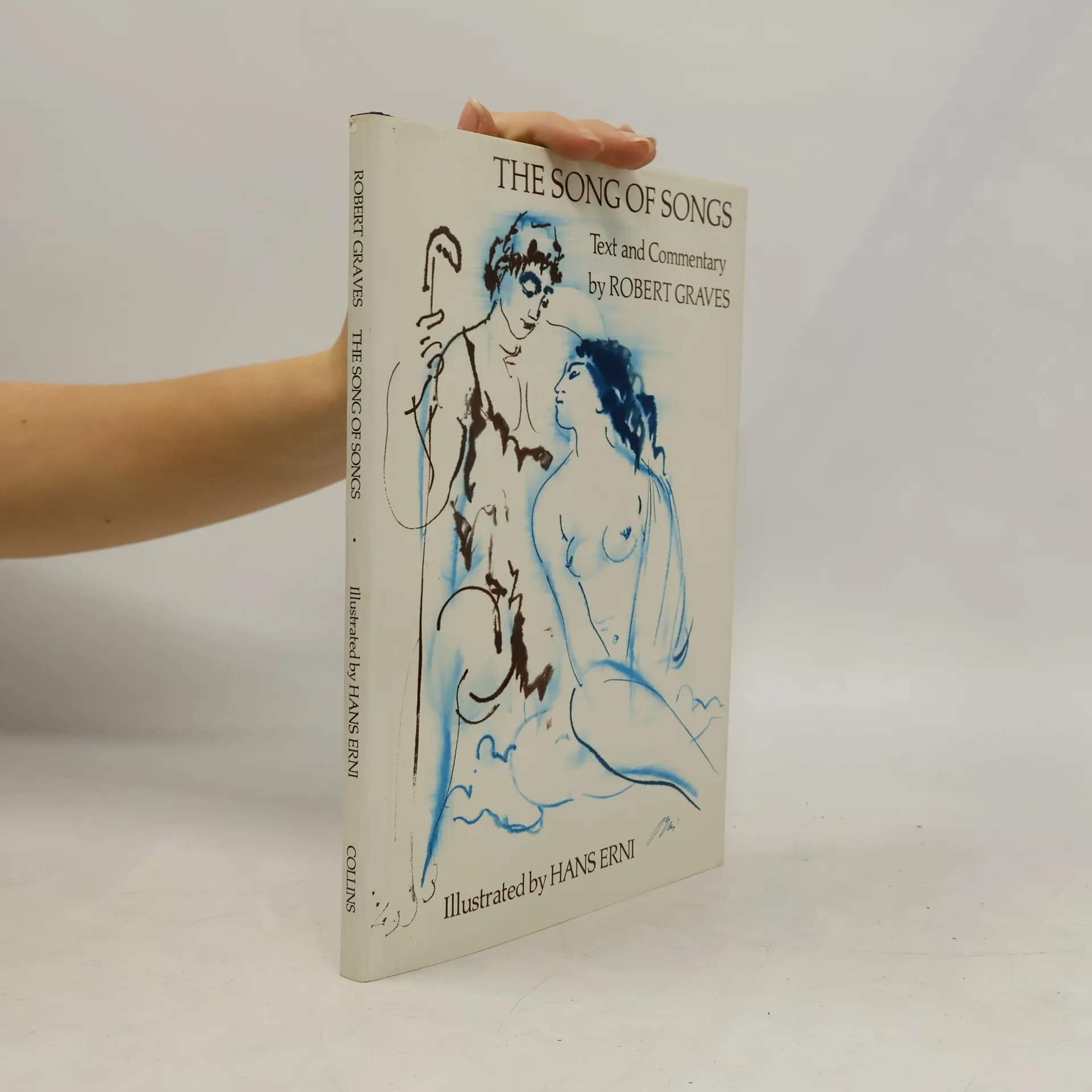
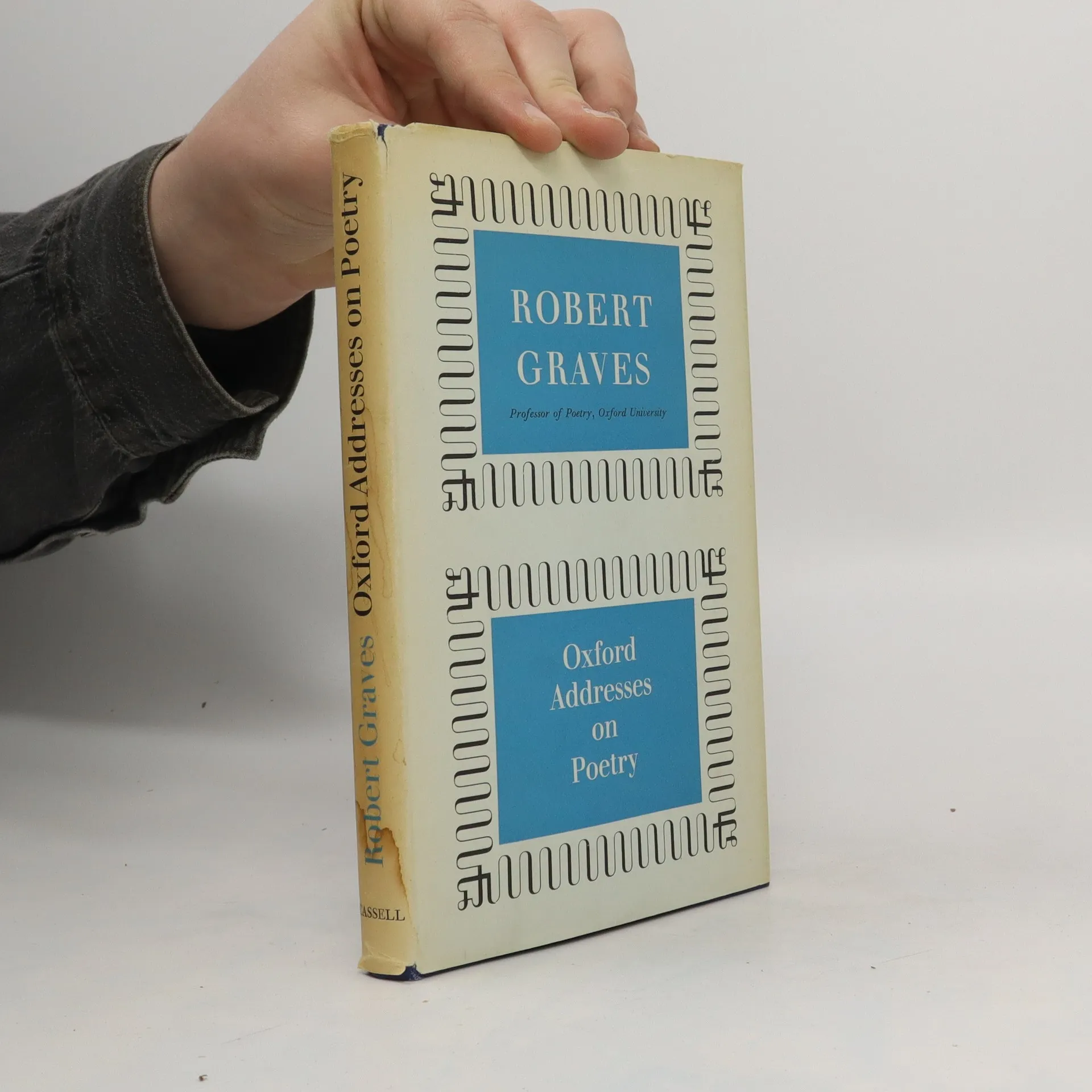
FIRST AMERICAN EDITION 1973 stated on copyright page, published by Clarkson N. Potter, hardcover with dj. Illustrated by Hans Erni. Publisher's "In this new translation of the Canticles or Song of Songs Robert Graves uses the traditional form of the Hebrew pastoral drama performed at wedding festivals. He has found this preserved in the Codex Sinaiticus, the earliest surviving Greek it assigns parts to bride, bridegroom, bridesmaids and bridesmen. Professor Graves uses all his mastery of language and rhythm to bring a new depth of emotion to this version of the sole Hebrew book in sacred use which concentrated wholly on the theme of love between man and woman--this being regarded by the Council of Jabne as the most important of all religious themes because it prompts the recognition of a deeper love between God and man. In his Introduction, he comments on the origin of the Canticles and on their links with other religions, myths and poems of the Ancient Near East." Rovert Graves is also the author of "The Greek Myths" and "King Jesus"
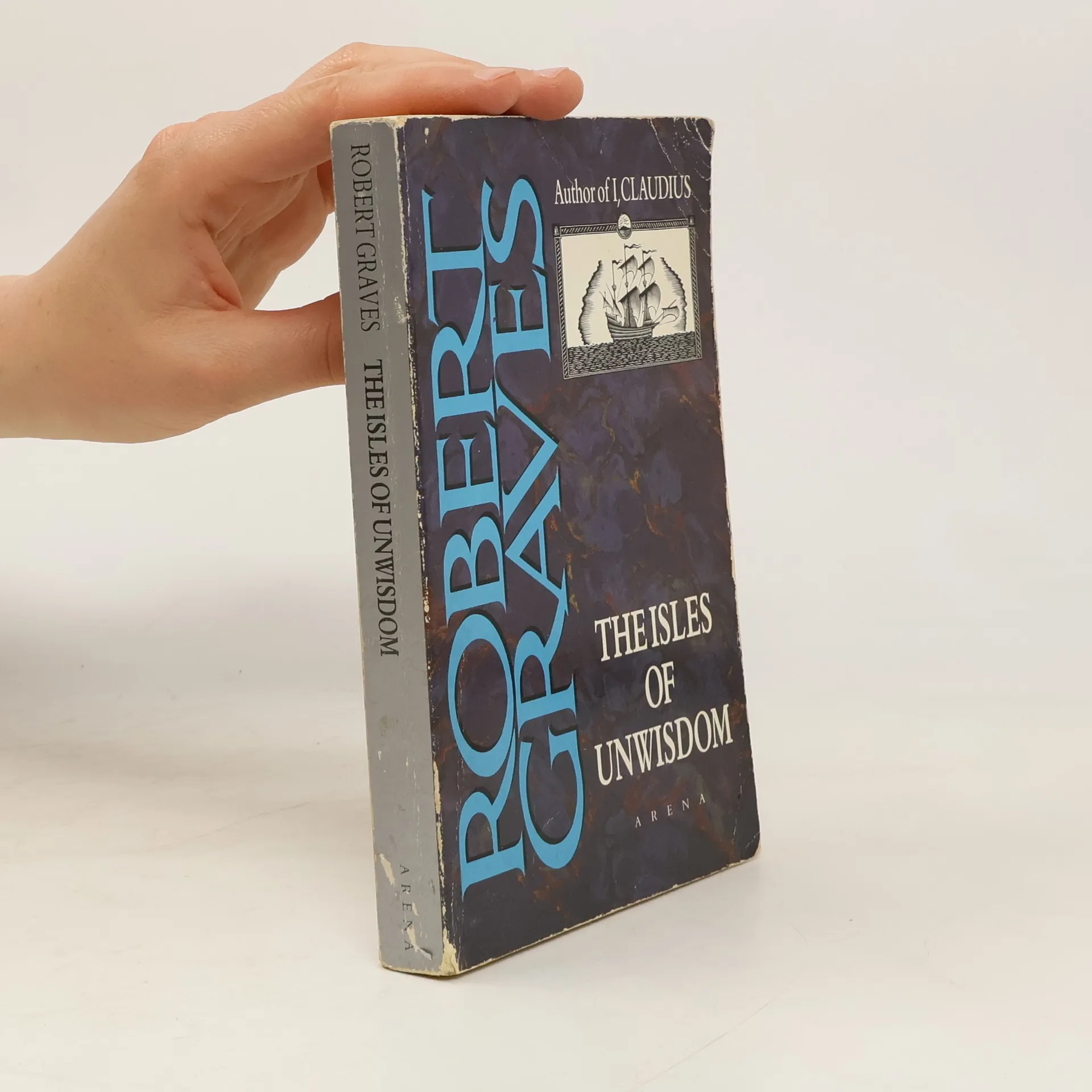
he Islands of Unwisdom is an historical novel by Robert Graves, published in 1949. It was also published in the UK as The Isles of Unwisdom. It is a reconstruction of an historic event, the voyage of Álvaro de Mendaña de Neira to find the Solomon Islands. Graves tells a story with many surprising twists, in which some characters turn out to be quite different from how they are first portrayed. In Graves's telling, when the Spanish first come into contact with Solomon Islanders, the relationship is cordial. However, the Spanish expedition's need for fresh food and water quickly leads to tension and conflict, the Solomon Islanders’ subsistence economy being unable to provide continuous supplies. The real prizes are pigs, desperately needed by the Spanish, while vital to the local people’s economy. The tensions cannot be resolved, and so the Spaniards sail home. Graves also considered that the story summarizes the reasons Spain lost its early lead in exploring the world. (Source; wiki)
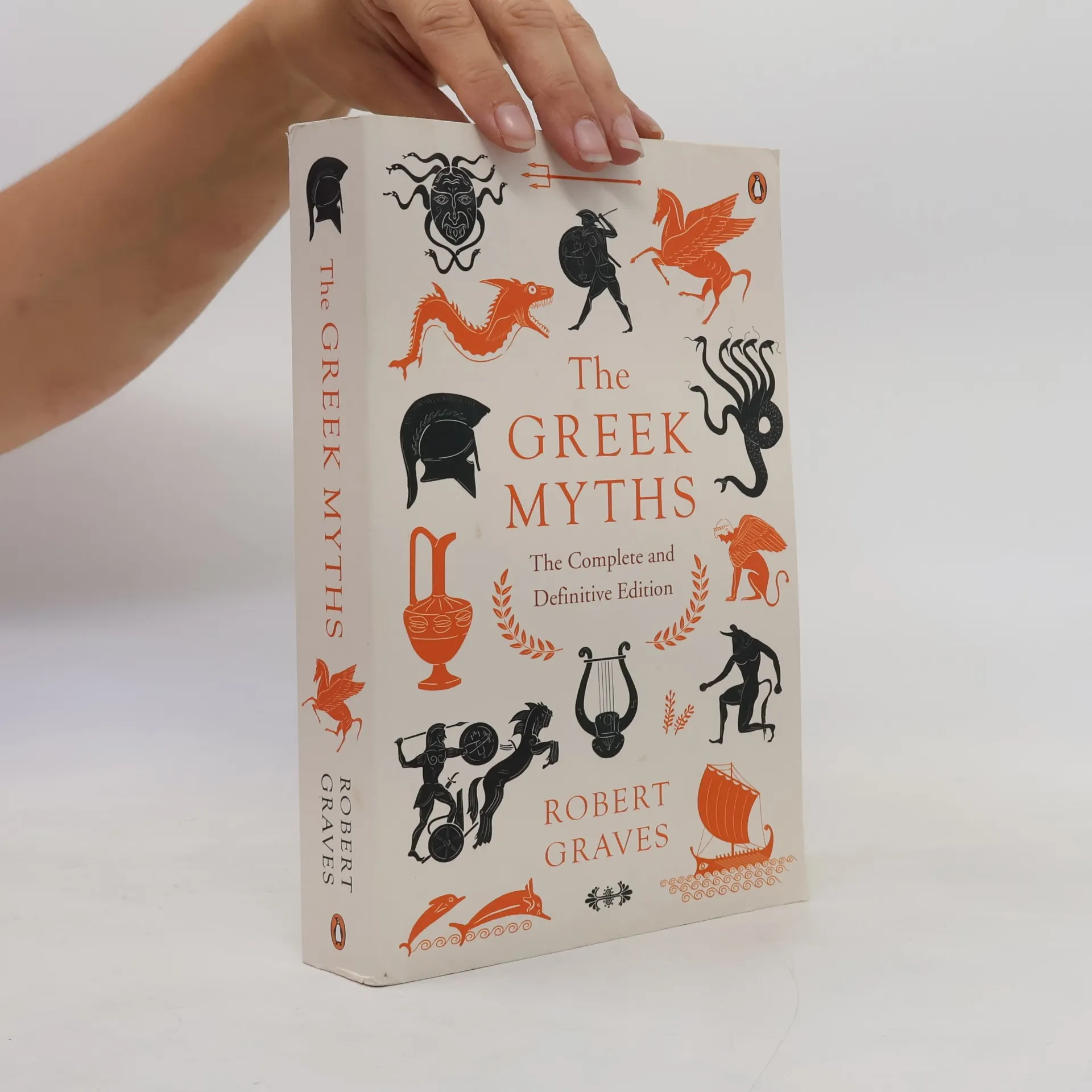
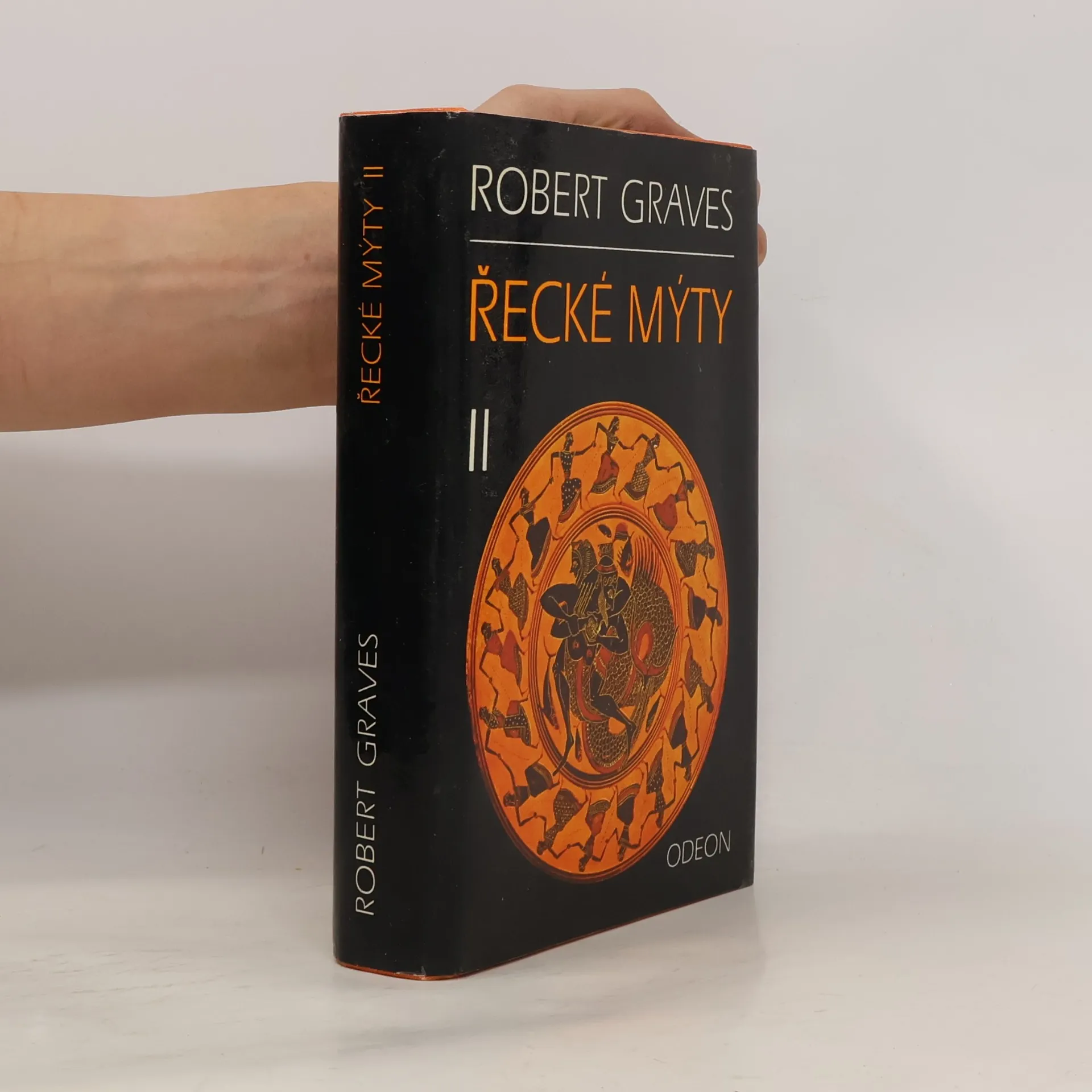
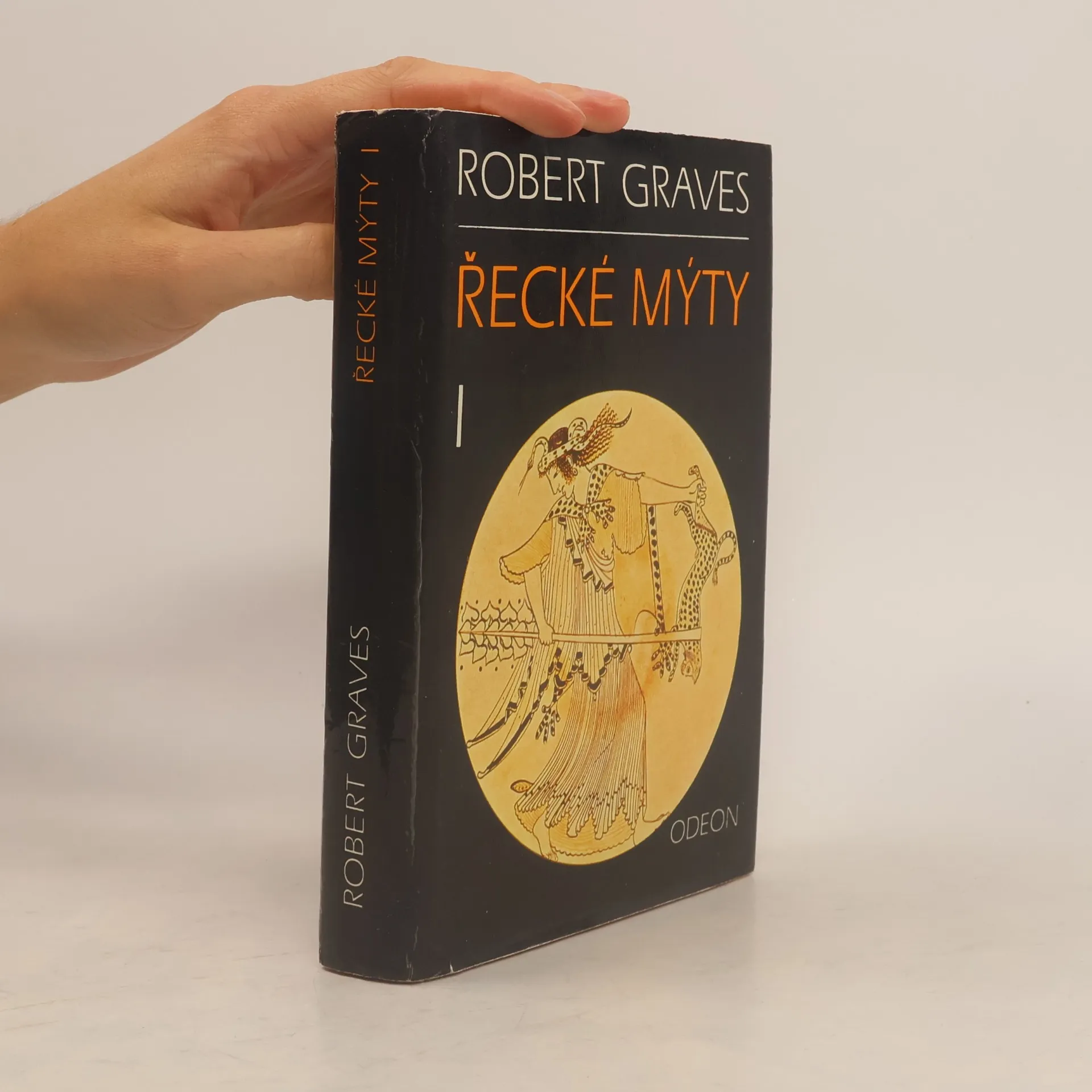
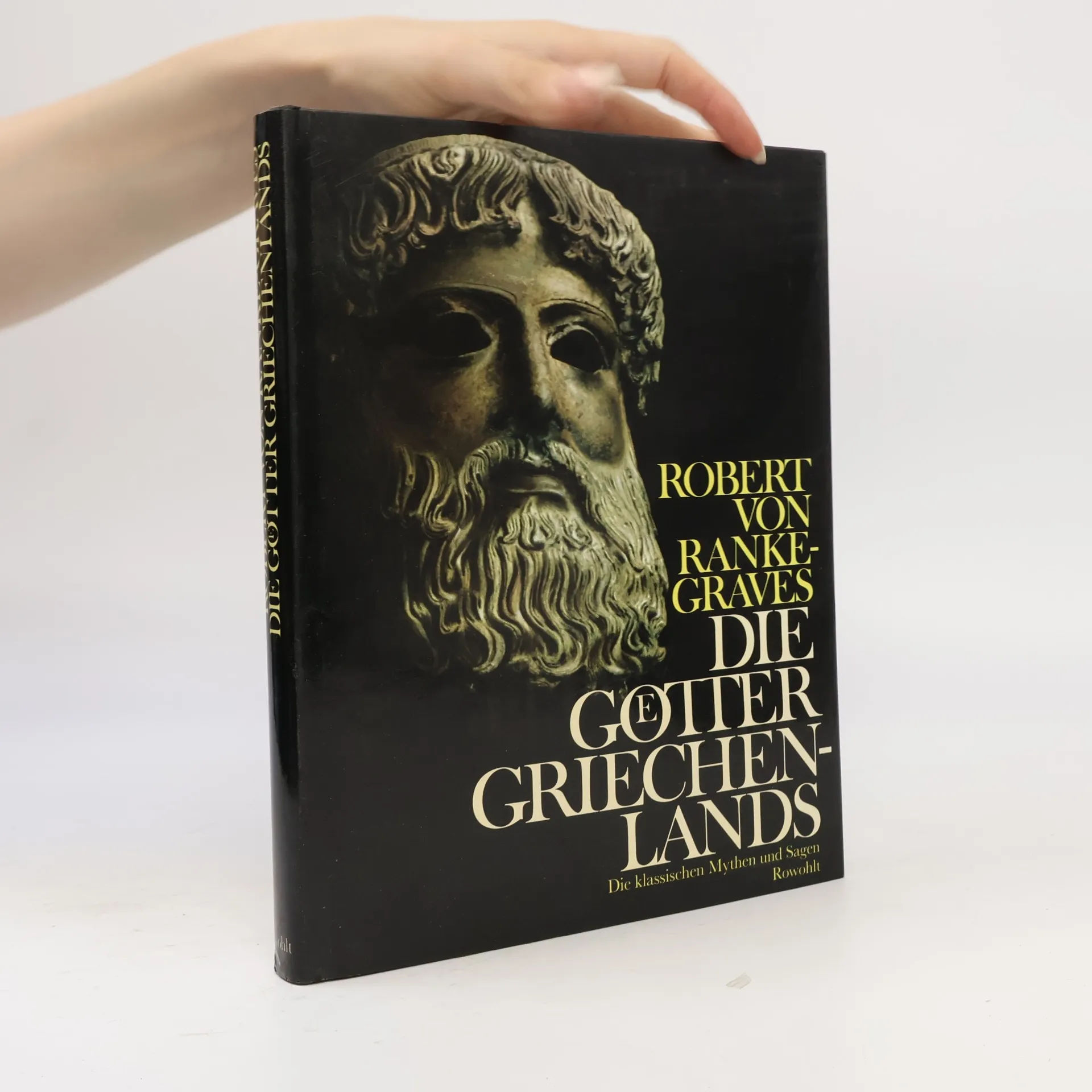
Endymion, Pelops, Daedalus, Pygmalion -- we recognize the names, but what are the stories behind these and other familiar gods from the Greek pantheon -- names that recur throughout the history of European culture? Drawing on an enormous range of sources, Robert Graves has brought together elements of these myths in simple narrative form. He retells the adventures of the most important gods and heroes of the ancient Greeks. His work has become the reference for the serious scholar as well as the casual inquirer.
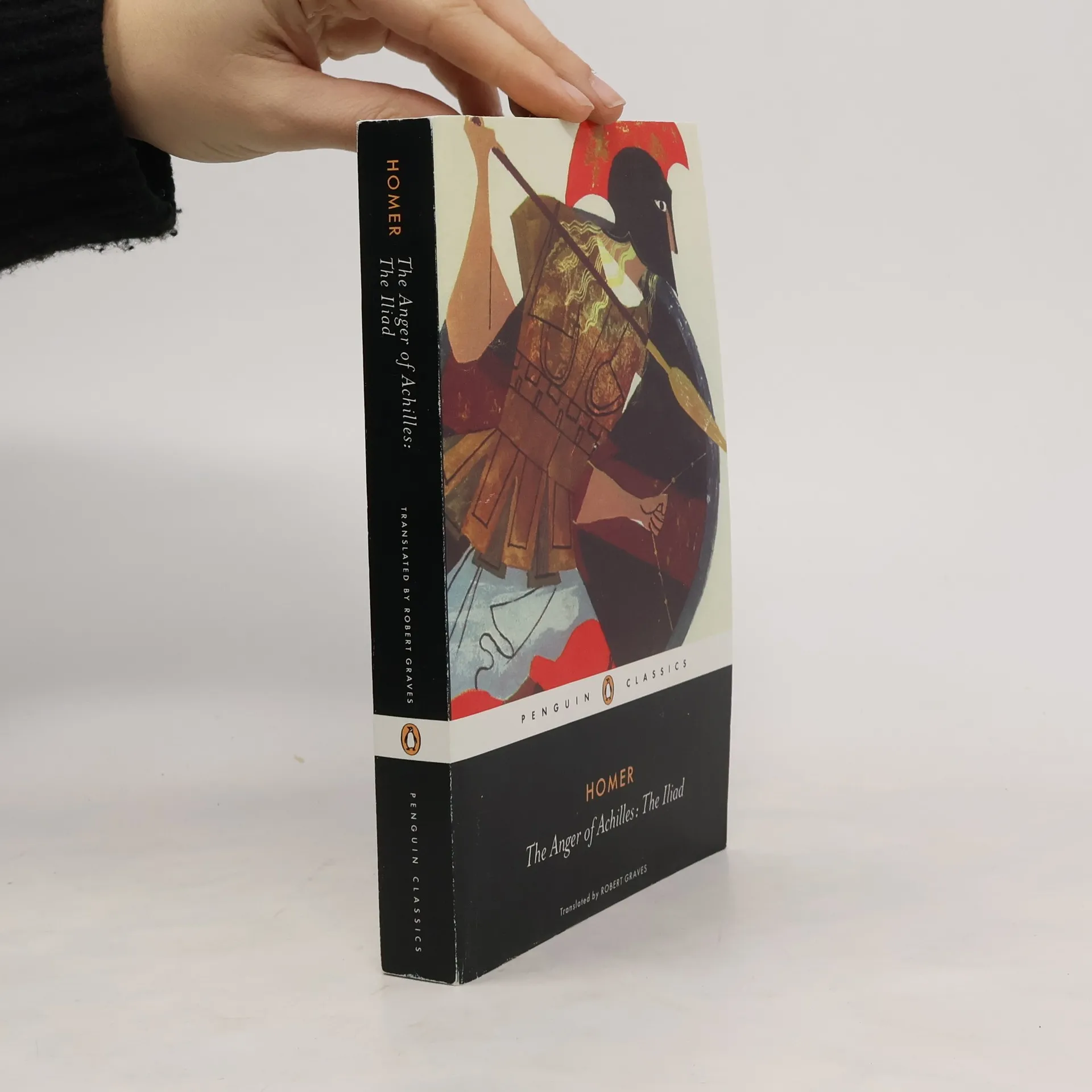
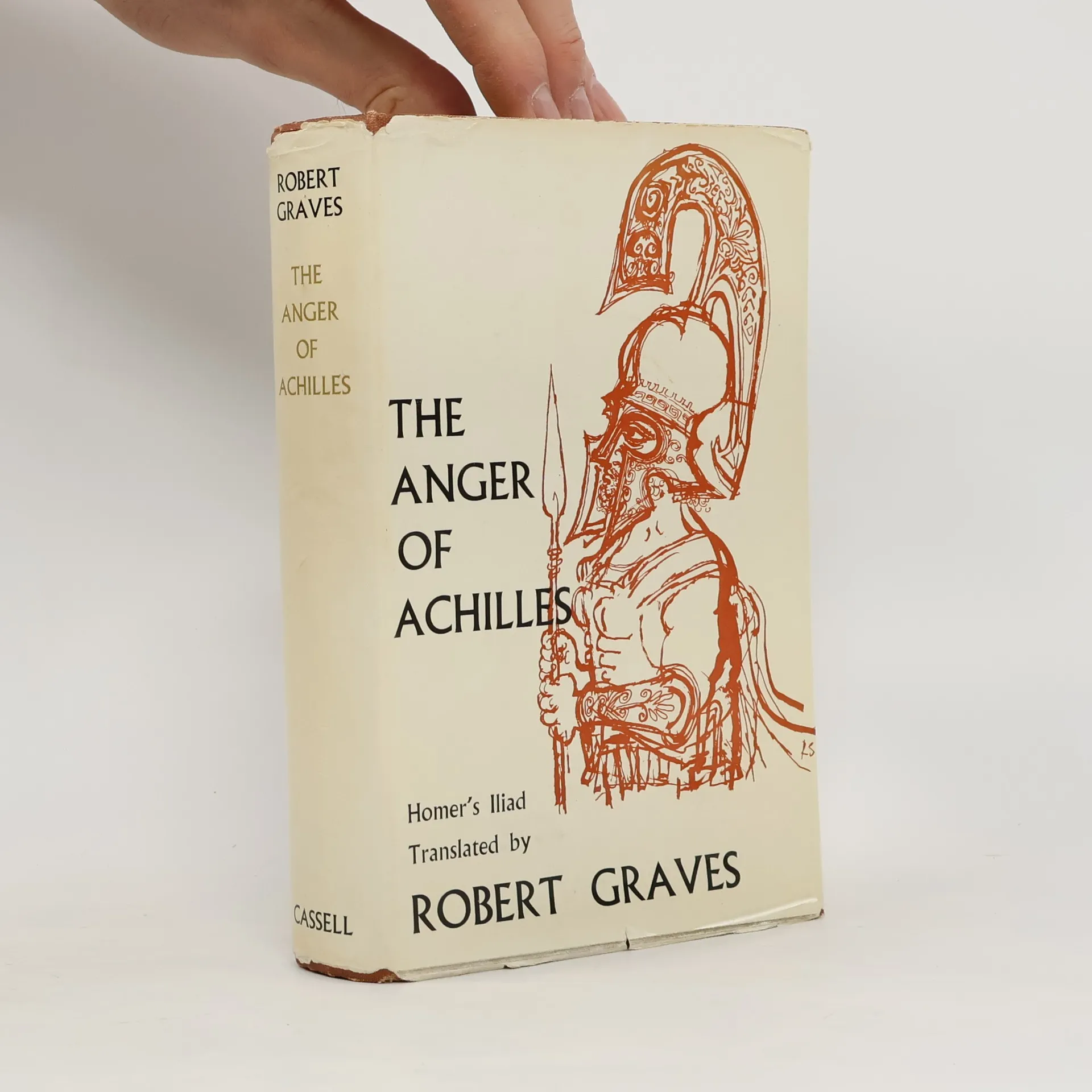
Robert Graves's dynamic retelling of Homer's powerful epic poem This edition of Homer 's Iliad , retold with authority and grace by the incomparable Robert Graves, takes a revered classic back to its roots as popular entertainment. War is raging between the Greeks and the Trojans. Achilles, the great warrior champion of the Greek army, is angrily sulking in his tent and refusing to fight, after an argument with his leader, Agamemnon. But when the Trojan warrior Hector kills Achilles' beloved friend Patroclus, Achilles plunges back into battle to seek his bloody revenge-even though it will bring about his own doom. For more than seventy years, Penguin has been the leading publisher of classic literature in the English-speaking world. With more than 1,700 titles, Penguin Classics represents a global bookshelf of the best works throughout history and across genres and disciplines. Readers trust the series to provide authoritative texts enhanced by introductions and notes by distinguished scholars and contemporary authors, as well as up-to-date translations by award-winning translators.
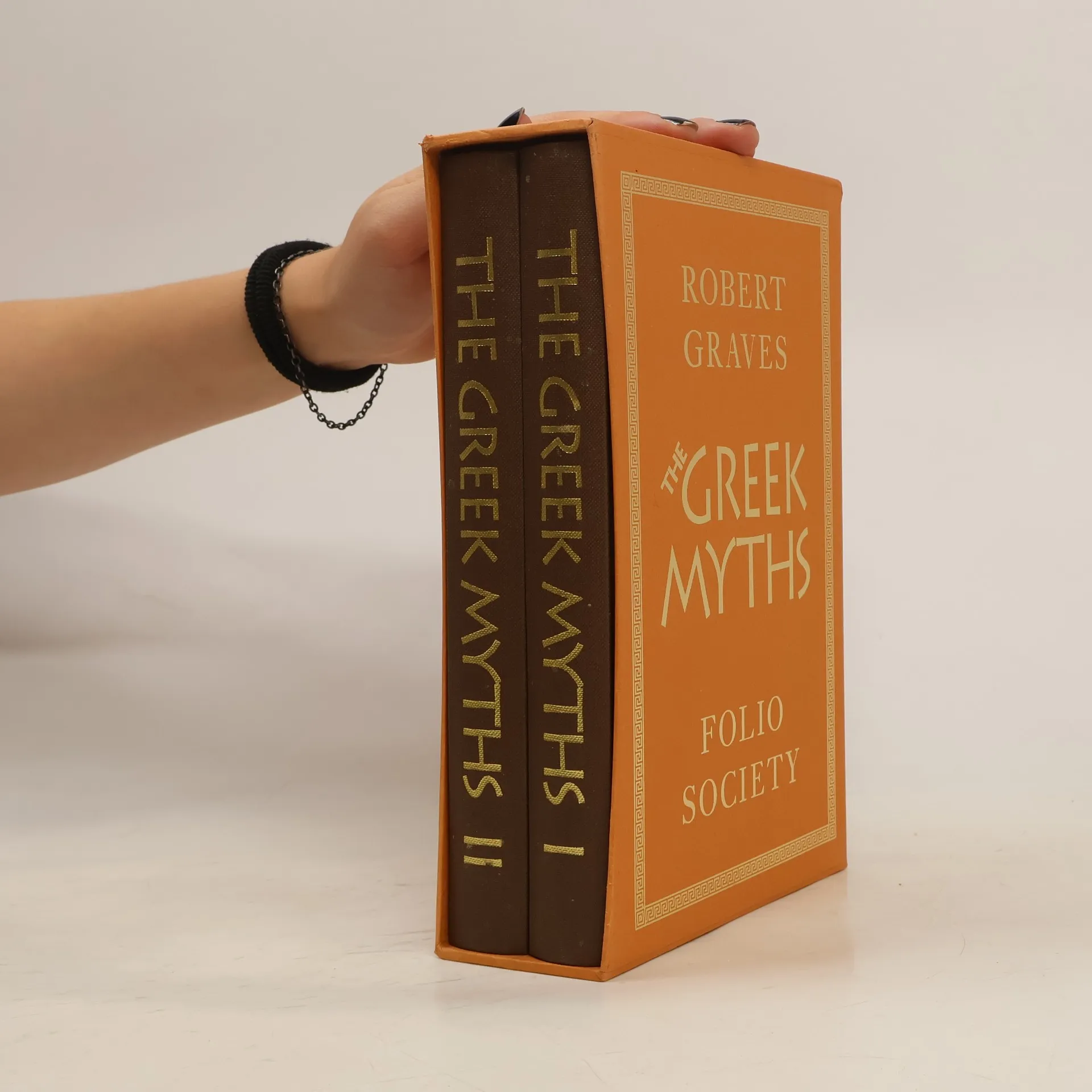
Endymion, Pelops, Daedalus, Pygmalion � what are the stories behind these and the hundreds of other familiar names from Greek mythology � names that recur throughout the history of European culture? In a two-volume work that has become a classic reference book for both the serious scholar and the casual inquirer, Robert Graves retells the adventures of the important gods and heroes worshipped by the ancient Greeks. Drawing on an enormous range of sources, he has brought together all the elements of every myth in simple narrative form, supplying detailed cross-references and indexes. Each entry has a full commentary which examines problems of interpretation in both historical and anthropological terms, and in the light of contemporary research.
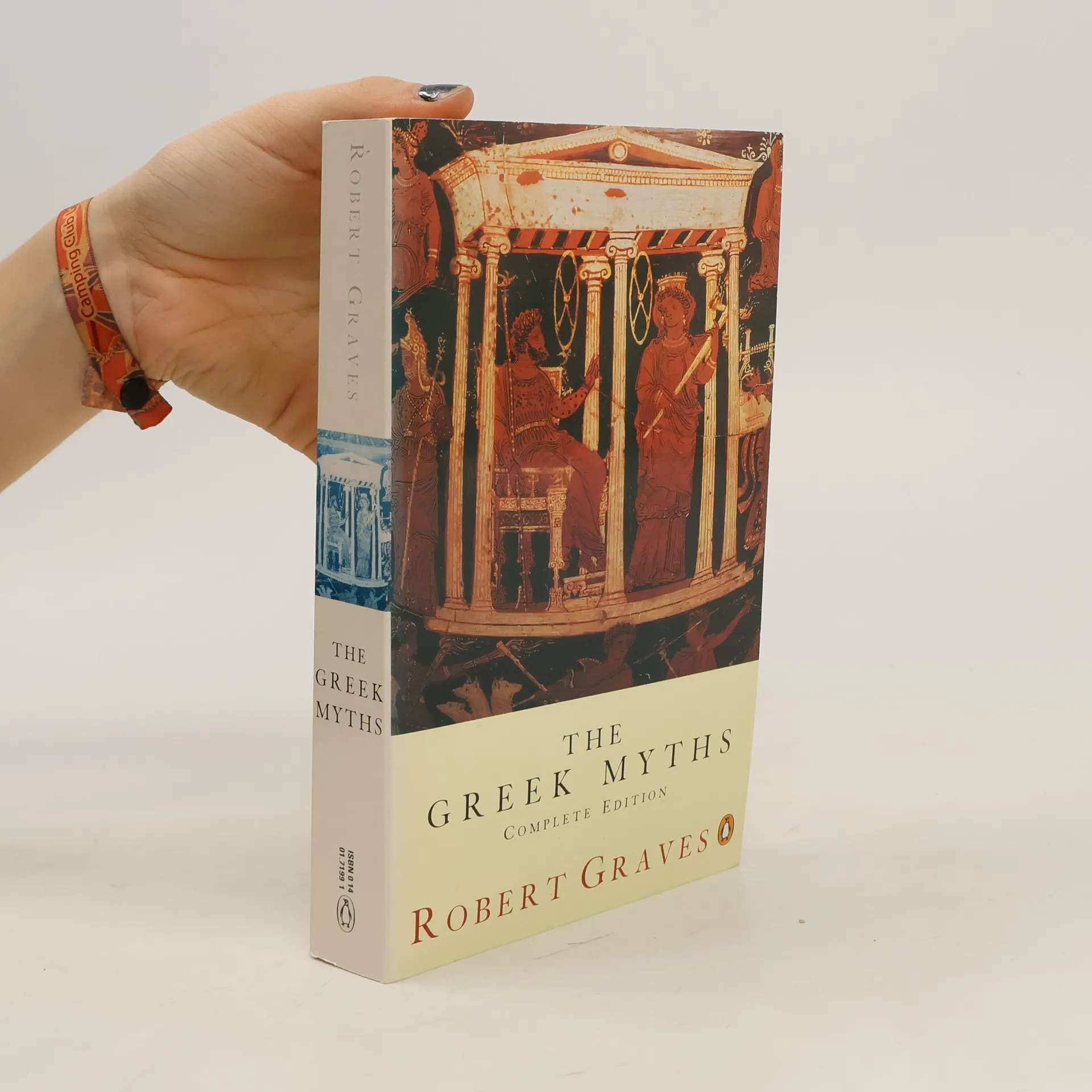
The gold standard in Greek mythology, in a dazzling Graphic Deluxe Edition featuring flaps, deckled edges, and specially commissioned cover art by Ross Macdonald and a new introduction by the multimillion-copy bestselling author of the Percy Jackson and the Olympians series From the creation of the world out of Chaos and the birth of the Olympians to the Trojan War and Odysseus's return, Robert Graves's superb retelling of the Greek myths has long been acclaimed as the definitive edition. Graves draws on sources scattered throughout ancient literature, using a novelist's skill to weave a crisp, coherent narrative of each myth and providing commentaries with cross-references, interpretations, and explanations based on solid scholarship. The result is a classic volume of many of the greatest stories ever told—stories of the gods, heroes, and extraordinary events that inspired Homer, the Greek tragedians, and so much of subsequent European literature. For more than seventy years, Penguin has been the leading publisher of classic literature in the English-speaking world. With more than 1,700 titles, Penguin Classics represents a global bookshelf of the best works throughout history and across genres and disciplines. Readers trust the series to provide authoritative texts enhanced by introductions and notes by distinguished scholars and contemporary authors, as well as up-to-date translations by award-winning translators.
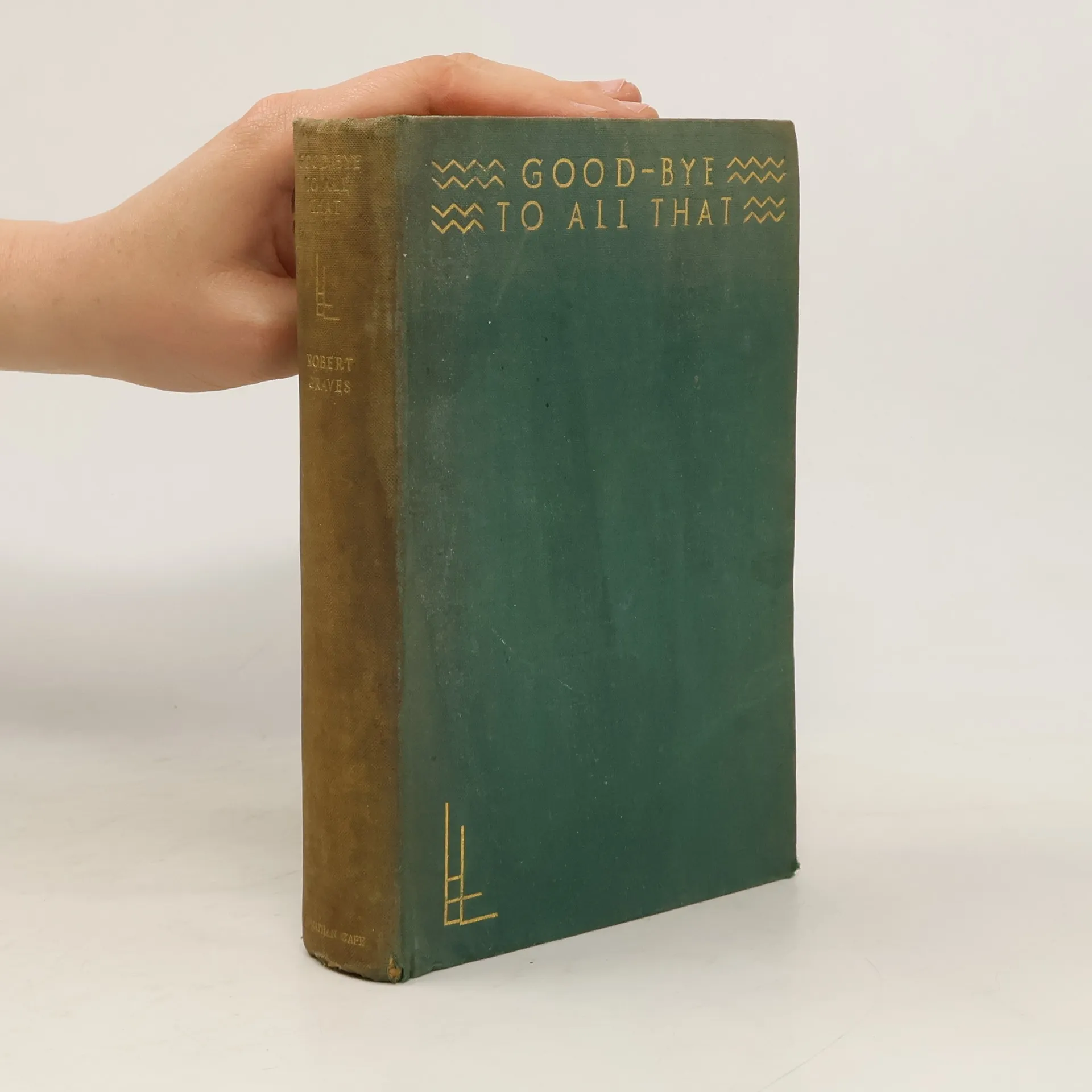
In 1929 Robert Graves went to live abroad permanently, vowing 'never to make England my home again'. This is his superb account of his life up until that 'bitter leave-taking': from his childhood and desperately unhappy school days at Charterhouse, to his time serving as a young officer in the First World War that was to haunt him throughout his life. It also contains memorable encounters with fellow writers and poets, including Siegfried Sassoon and Thomas Hardy, and covers his increasingly unhappy marriage to Nancy Nicholson. Goodbye to All That, with its vivid, harrowing descriptions of the Western Front, is a classic war document, and also has immense value as one of the most candid self-portraits of an artist ever written.
"A real historical figure, the British surgeon Dr. William Palmer was accused in 1856 of murdering fourteen people by means of poison. The Dr. Kevorkian trial of the 19th century, with a bit of O.J. Simpson mixed in for good measure, the scandal entranced nearly the entire population of the British Isles. Everyone had an opinion on the case--including esteemed poet and historical fabulist Robert Graves. They Hanged My Saintly Billy is true crime as only a true literary master could write it, with exquisitely rendered portrais of Palmer's era and milieu, told from the shifting perspectives of all who came into contact with the notorious doctor. Just as his renowned I, Claudius opened a window onto a case of history once thought to be closed, Graves's account of Palmer's life recasts the surgeon as a victim of yellow journalism and overzealous judges. But ultimately it's left up to the reader to decide whether or not Palmer's mother is in the right, or merely duped along with the rest of Palmer's supporters, when she laments: "Yes, they hanged my saintly Billy! He was a bit of a scamp right enough, but a good son to me; the best of the brood. and no murderer."--
'Icarus disobeyed his father's instructions and began soaring towards the sun,
rejoiced by the lift of his great sweeping wings. Presently, when Daedalus
looked over his shoulder, he could no longer see Icarus; but scattered
feathers floated on the waves below...'These are the greatest stories ever
told - the labours of Hercules, the voyage of the Argonauts, Theseus and the
minotaur, Midas and his golden touch, the Trojan War and Odysseus's journey
home - brought together into one epic and unforgettable story. Ideal for the
first time reader, it can be read as a single page-turning narrative, while
full commentaries as well as a comprehensive index of names make it equally
valuable for anyone seeking an authoritative and detailed account of the
spectacular stories that make up the bedrock of Western literature. The Greek
Myths is a classic among classics, a treasure trove of extraordinary tales and
a masterful work of literature in its own right.
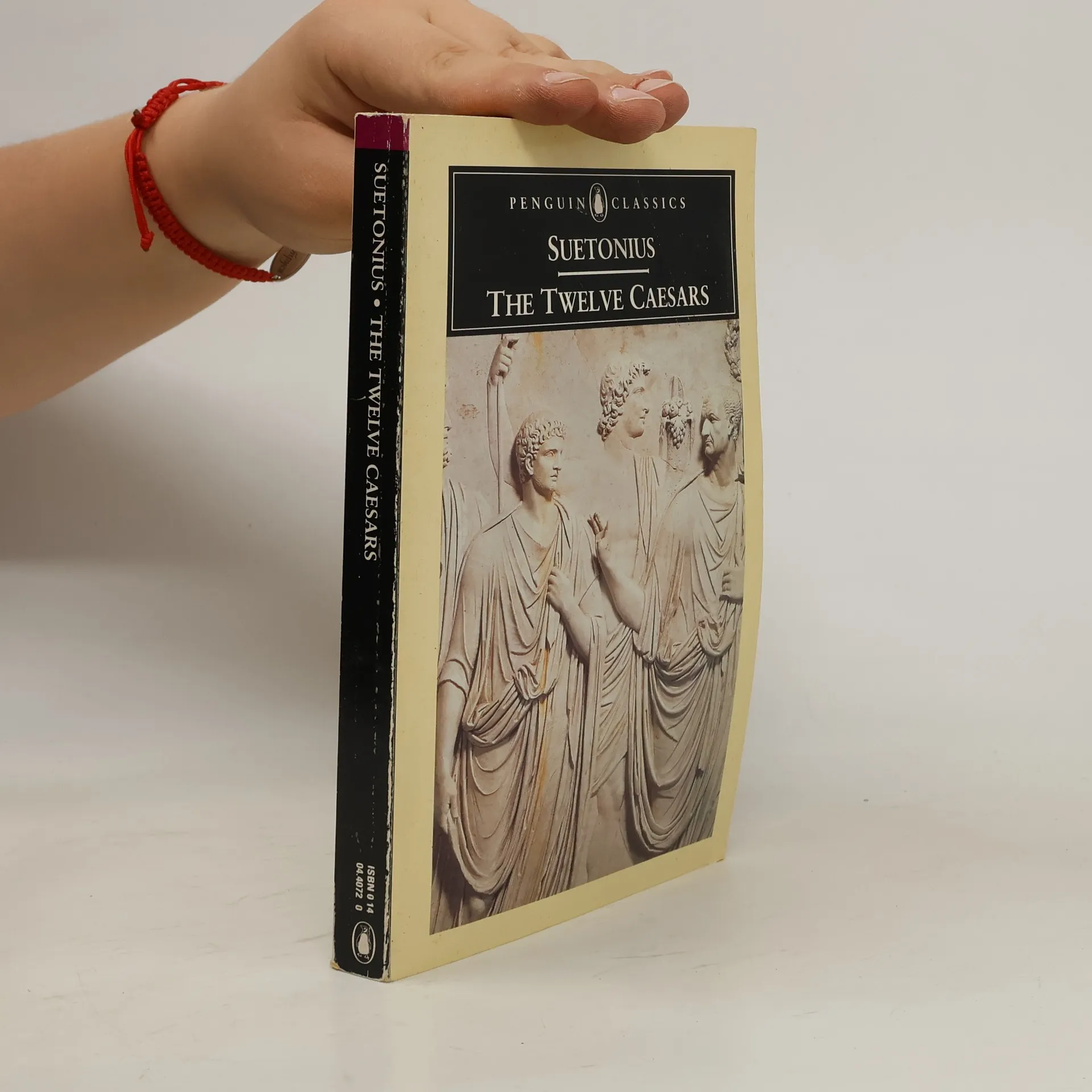
An essential primary source on Roman history, Suetonius' The Twelve Caesars is a fascinating achievement of scholarship covering a critical period in the Empire. This Folio edition is translated from the Latin by Robert Graves, author of I, Claudius. As private secretary to the Emperor Hadrian, the scholar Suetonius had access to the imperial archives and used them (along with eyewitness accounts) to produce one of the most colourful biographical works in history. The Twelve Caesars chronicles the public careers and private lives of the men who wielded absolute power over Rome, from the foundation of the empire under Julius Caesar and Augustus, to the decline into depravity and civil war under Nero and the recovery that came with his successors. A masterpiece of observation, anecdote and detailed physical description, The Twelve Caesars presents us with a gallery of vividly drawn - and all too human - individuals.
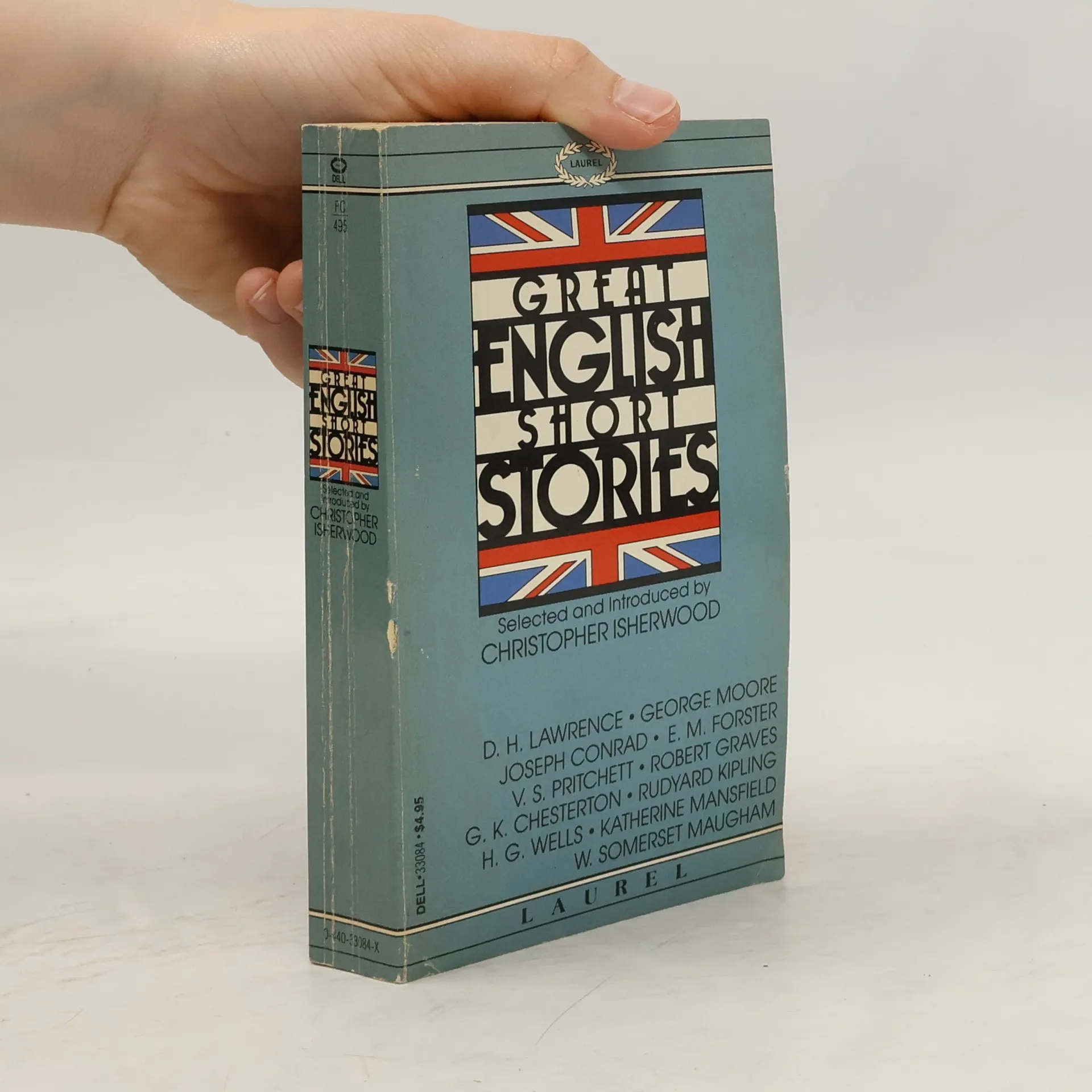
The ever-popular novelist and story-teller Robert Graves wrote fascinating and durable stories, here collected in a single volume by the poet's daughter Lucia Graves.
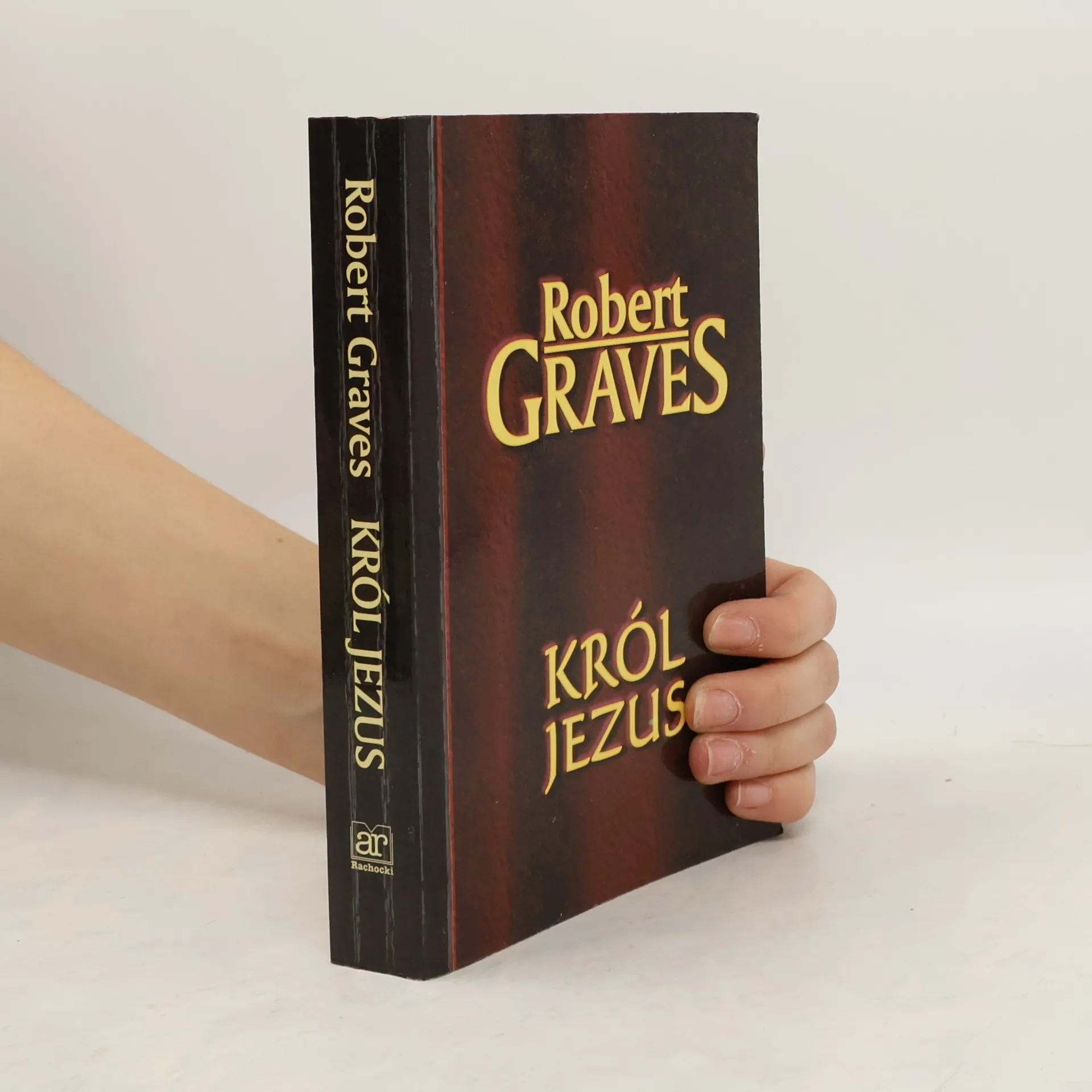
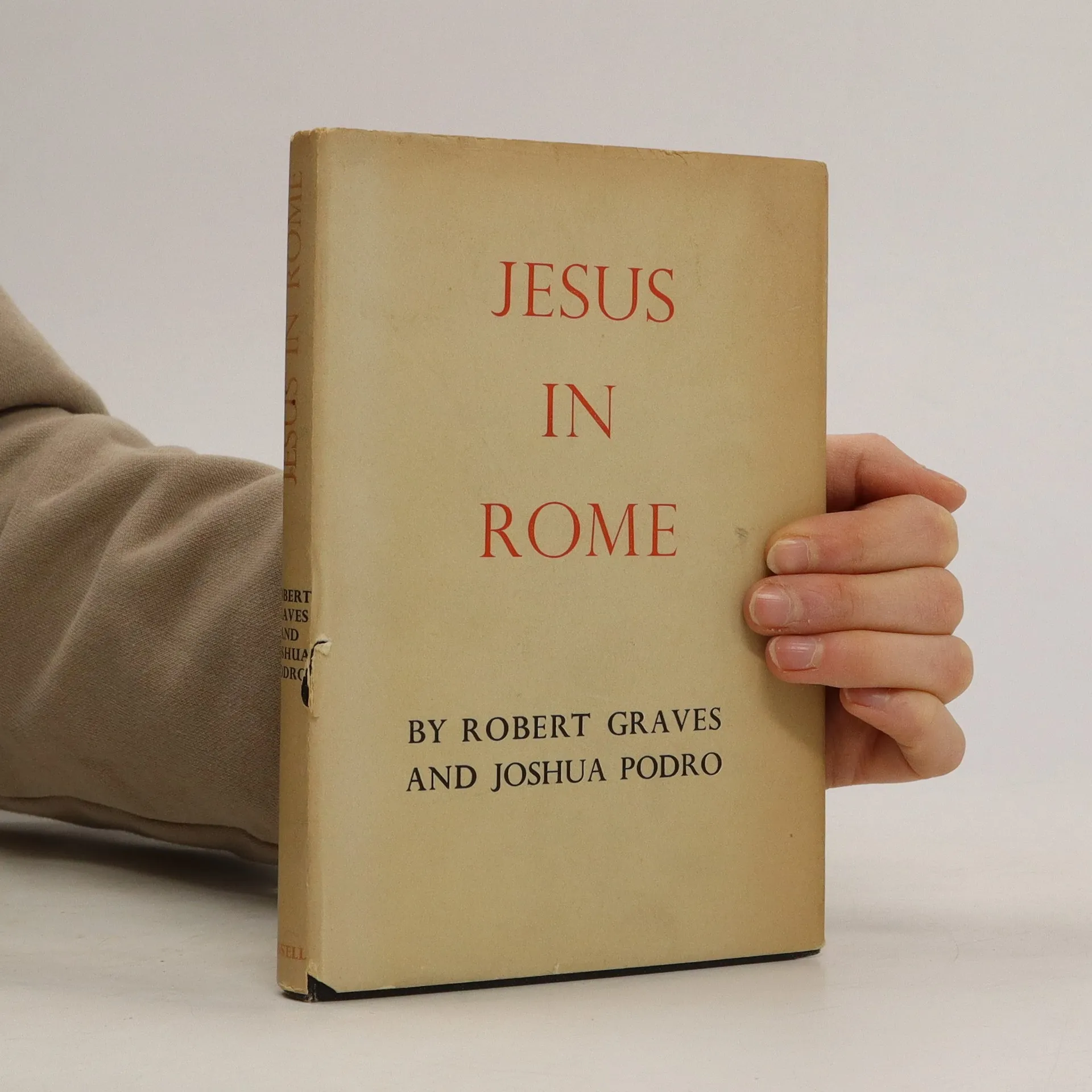
"King Jesus has been called one of the most controversial historical novels of all time. In it Robert Graves, author of I, Claudius and The White Goddess, has summoned his superb narrative powers, his painstaking scholarship, his wit and unsurpassed ability to re-create the past, to produce a magnificent portrayal of the life of Christ on earth."--Provided by publisher.
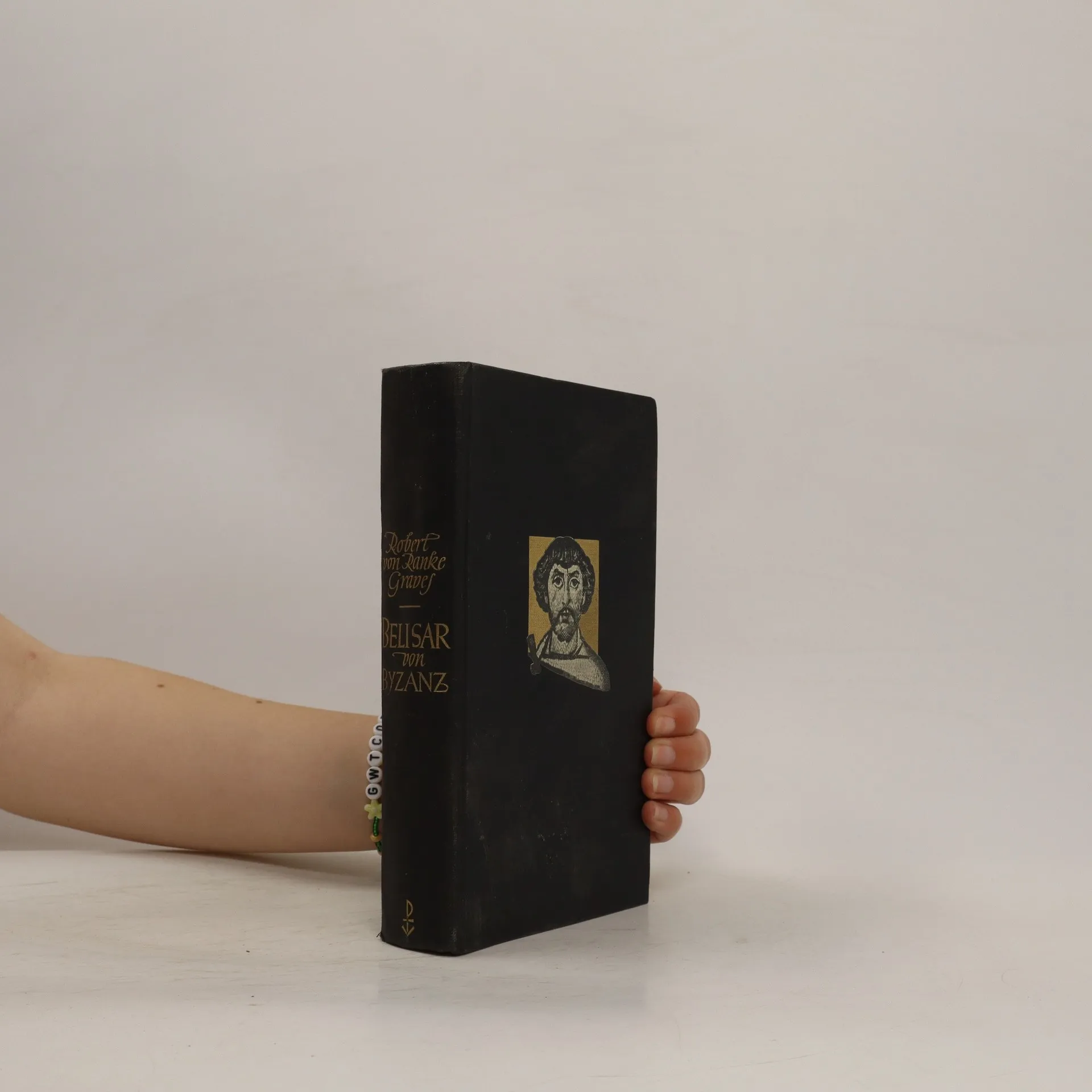
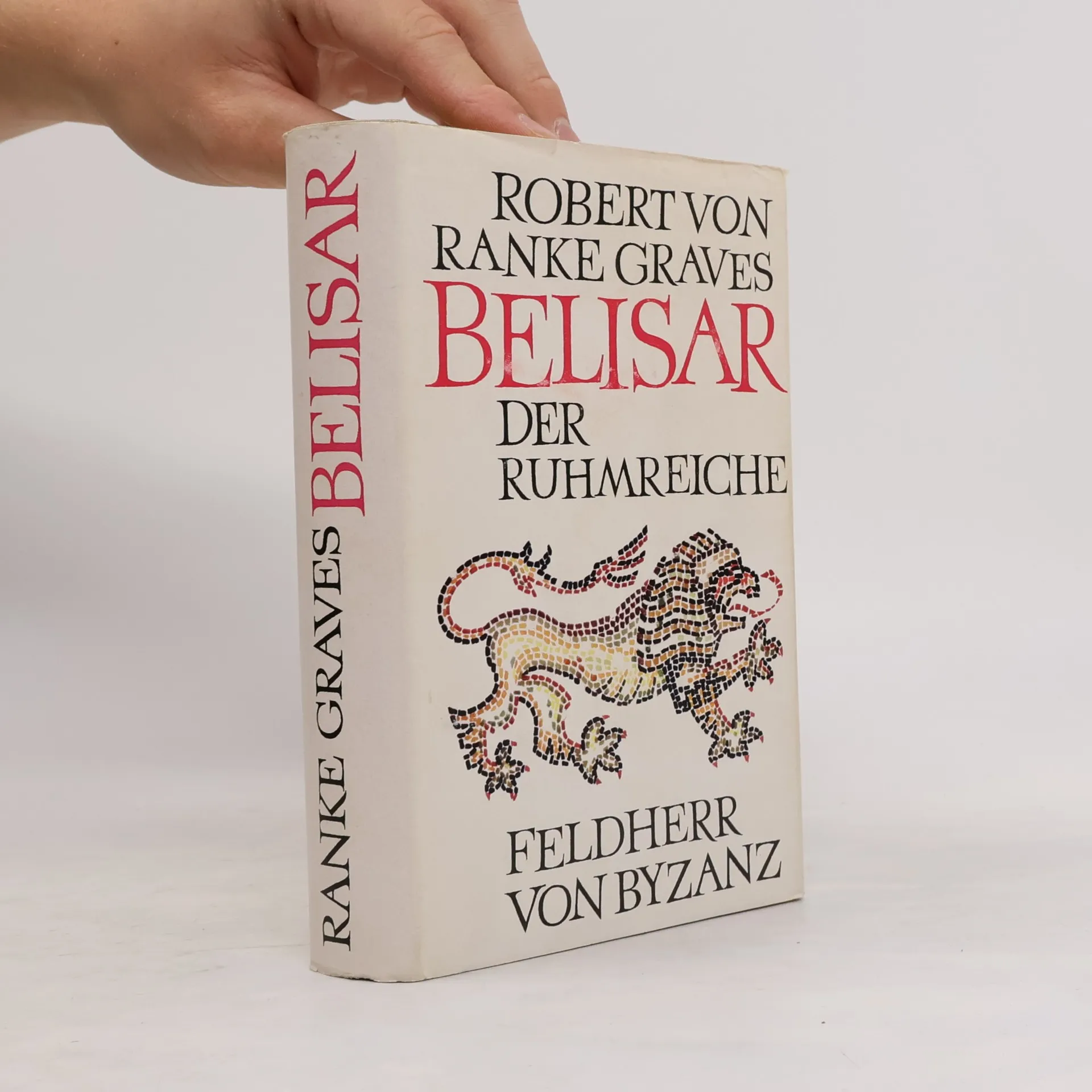
The sixth century was not a peaceful time for the Roman empire. Invaders threatened on all fronties, but they grew to respect and fear the name of Belisarius, the Emperor Justinian's greatest general. With this book Robert Graves again demonstrates his command of a vast historical subject, creating a startling and vivid picture of a decadent era.
Like the three monkeys, the New Cretans see no evil, speak no evil and hear no evil. When Edward Venn-Thomas wakes up to find himself in their midst he realizes that much has happened since the mid-20th century from which he has been whisked. His hosts live in peace and prosperity in a society which knows no hunger and no dissatisfaction, where war has become a game played on village greens, where the poets and magicians of a strange occult religion keep all classes of the population happy with their lot. But idyllic though their civilization may be, it is insipid and boring, a Utopia utterly lacking in danger, excitement or spice. And as Venn-Thomas begins to understand the bewildering adventures which befall him, he realizes that he has been chosen by The Goddess to inject New Crete with disruption and misery, to create disaster and chaos, to reintroduce the New Cretans to a force they have forgotten about - evil. In short, to teach them to live again. [Taken from the back cover]
Published by Penguin for more than sixty years, the author and scholar Robert Graves wrote two of the greatest historical novels of the twentieth century: I Claudius and Claudius the God. Written as Claudius' autobiography, they follow his progress from a stammering figure of fun to the ruler of the Roman Empire. Here, in extracts from both books, he describes the glory and decadence of the mad Emperor Caligula's reign - an age of wild debauchery and whimsical cruelty.
"My story is true... every word of it. Or when I say that my story is 'true', I mean at least I am telling it in a new way..."So begins "The Shout," the tale of a man possessed by a lethal magic, perhaps Robert Graves's most famous story. This collection spans 1924-62; it takes in the worlds of love and war, history and myth, and settings as various as England, Ancient Rome and Majorca. In so far as its author asserts the truth of his stories, they can be read as episodes of autobiography, this collection forming an essential companion to "Goodbye to All That."
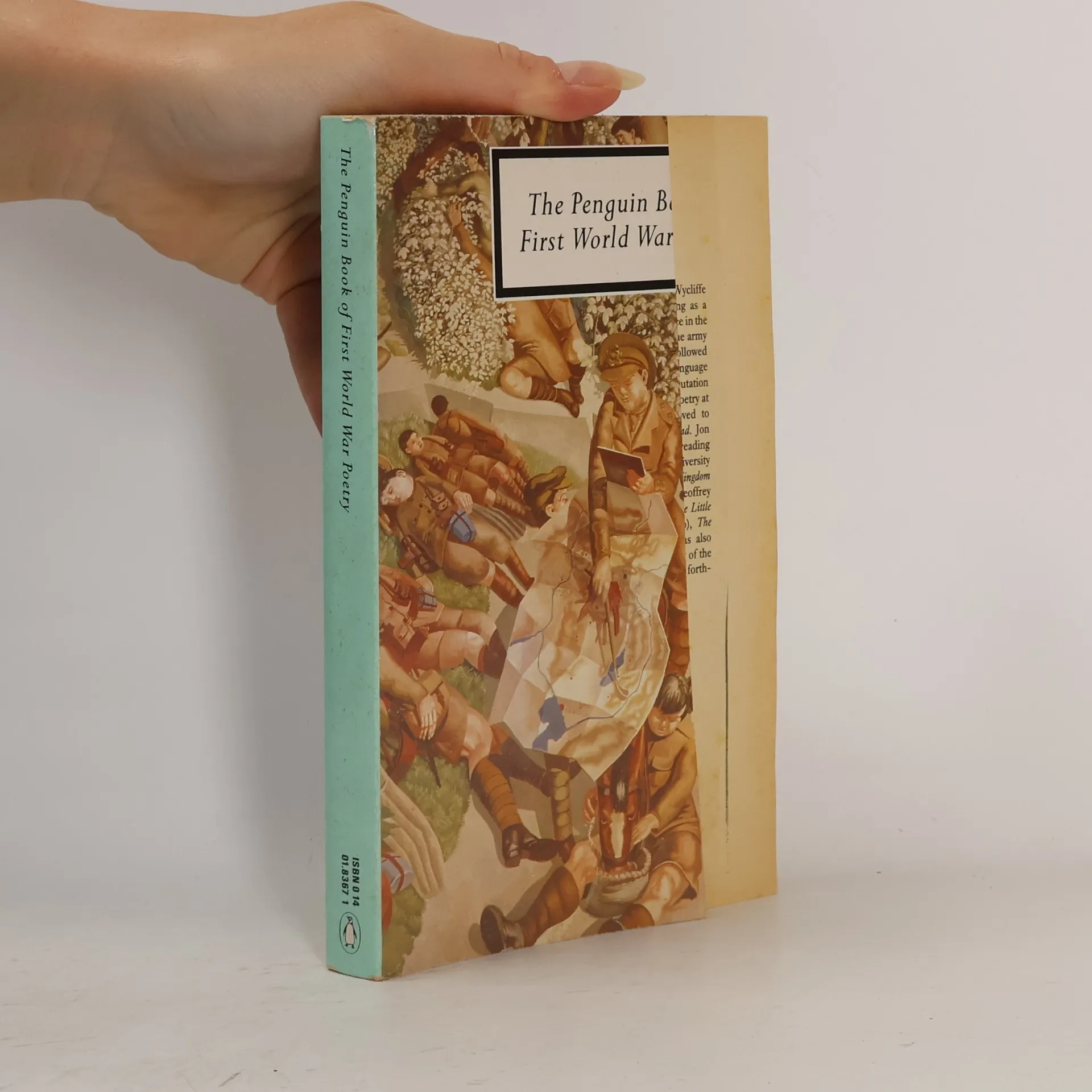
This fine collection brings together a comprehensive selection, and in his informative introduction Jon Silkin traces the changing mood of the poets - from patriotism through anger and compassion to an active desire for social change. The work of Sassoon, Owen, Blunden and Rosenberg is well represented, but also included are less familiar war poets, such as Hardy and Lawrence, war poems written by women poets and translations of verse from Germany, France, Italy and Russia. The shattering, ironic realism, tenderness and regret reflected in these poems encompass the waste and violence war.
Ve druhé knize historického románu Robert Graves poutavě a s ironií přibližuje jedno z nejzajímavějších období světových dějin formou fingované autobiografie císaře Claudia. Pátý římský císař, donucený k vládě proti svému republikánskému přesvědčení, se snaží panovat moudře a spravedlivě, přičemž se zaměřuje na nápravu zkorumpovaného státního aparátu a zlepšení veřejného blahobytu. Jeho bystrost a důvtip se projevují i ve vojenské strategii, například při tažení proti Británii. Nicméně v osobním životě se mu nedaří; zradili ho ti, kterým nejvíce důvěřoval, včetně jeho přítele Heroda Agrippy a manželky Messaliny. Prastará sibylská věštba předpovídá jeho osud, v němž se zmiňuje o jeho smrti rukou ženy a tragických okolnostech, které vedou k uvolnění trůnu pro jeho adoptivního syna Nerona. Tato kniha uzavírá Gravesův fiktivní životopis Claudius, který zanechává čtenáře s hlubokým zamyšlením nad mocí, zradou a osobními tragédiemi v historických kontextech.
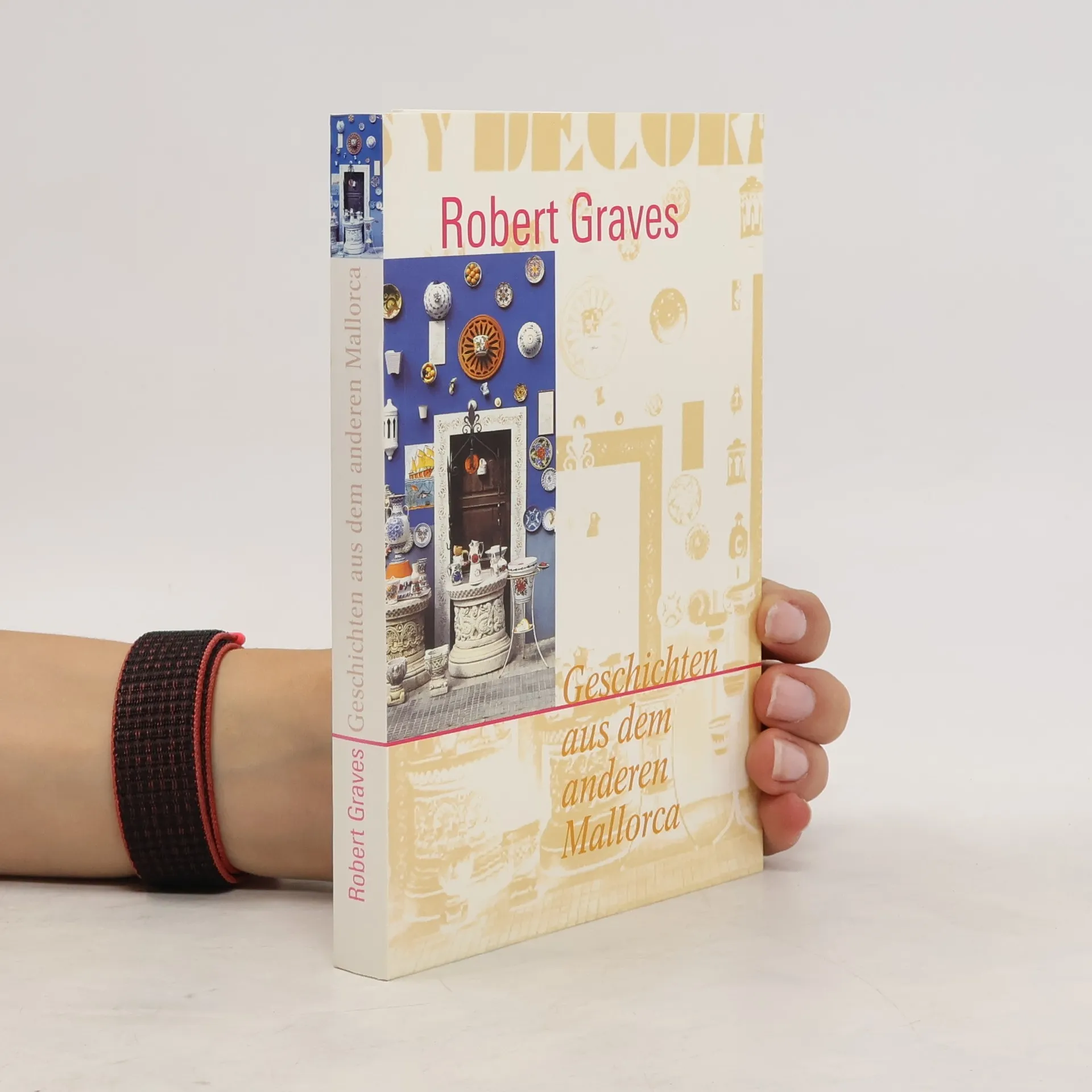
-Stories from the other Mallorca Robert Graves (1895-1985) ist einer der bedeutendsten englischen Dichter des 20. Jahrhunderts. Er lebte und schrieb insgesamt über 50 Jahre auf Mallorca. In seinen zeitlosen "Geschichten aus dem anderen Mallorca", die erstmalig bei Reise Know-How in deutscher Übersetzung erschienen sind, entwirft er mit wohlwollender Ironie und subtilem Humor ein Bild der Insel und ihrer Bewohner abseits der touristischen Sphären. Lediglich die längere Erzählung "Está en su Casa" ist ernster Natur. Graves setzt sich darin auf distanzierte, aber zugleich einfühlsame Art mit den Schrecken des Spanischen Bürgerkrieges auf Mallorca auseinander. Gemeinsam ist allen Geschichten, dass sie die Leser auf hohen Niveau unterhalten und überraschende Einblicke in Mentalität und Lebensart der Mallorquiner gewähren.
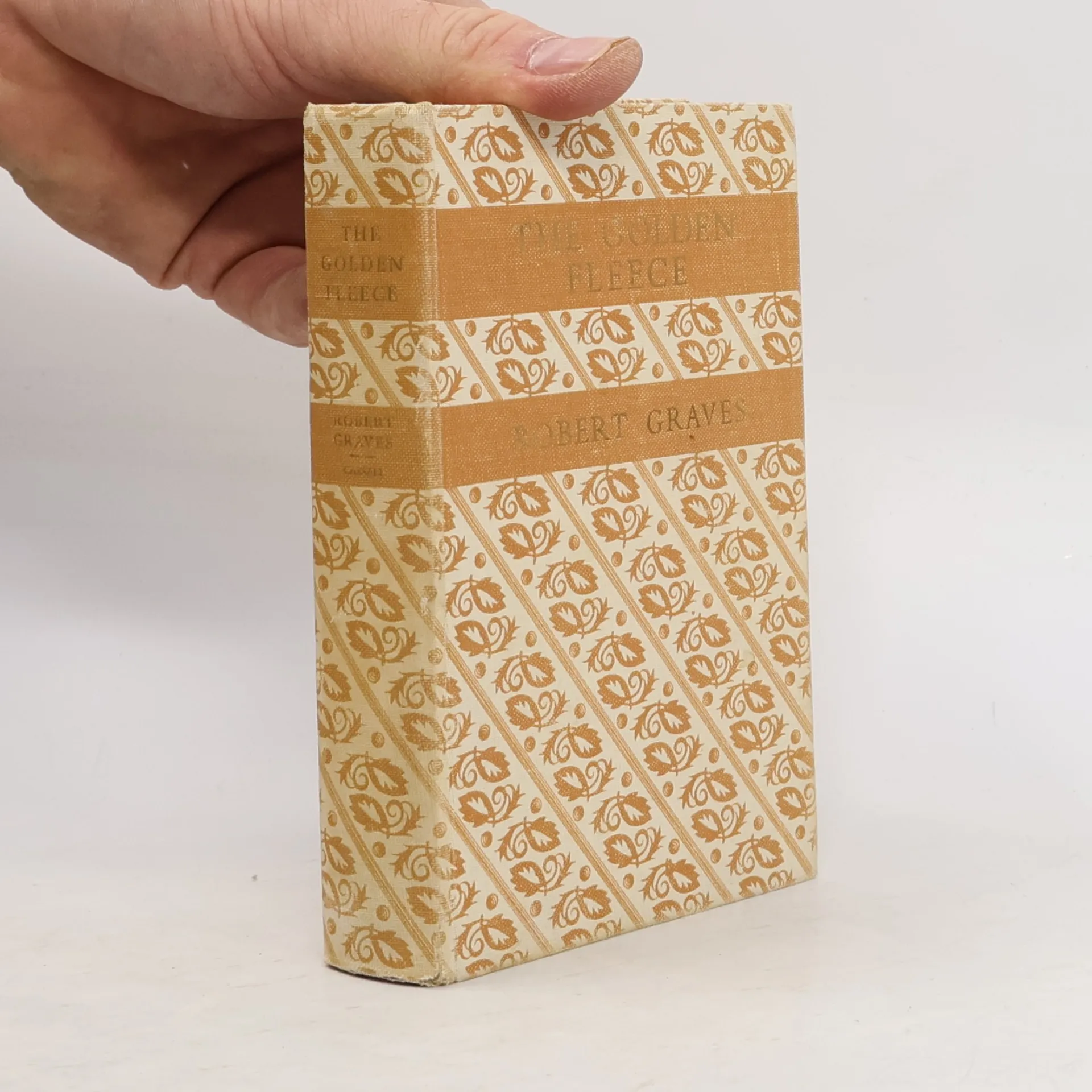
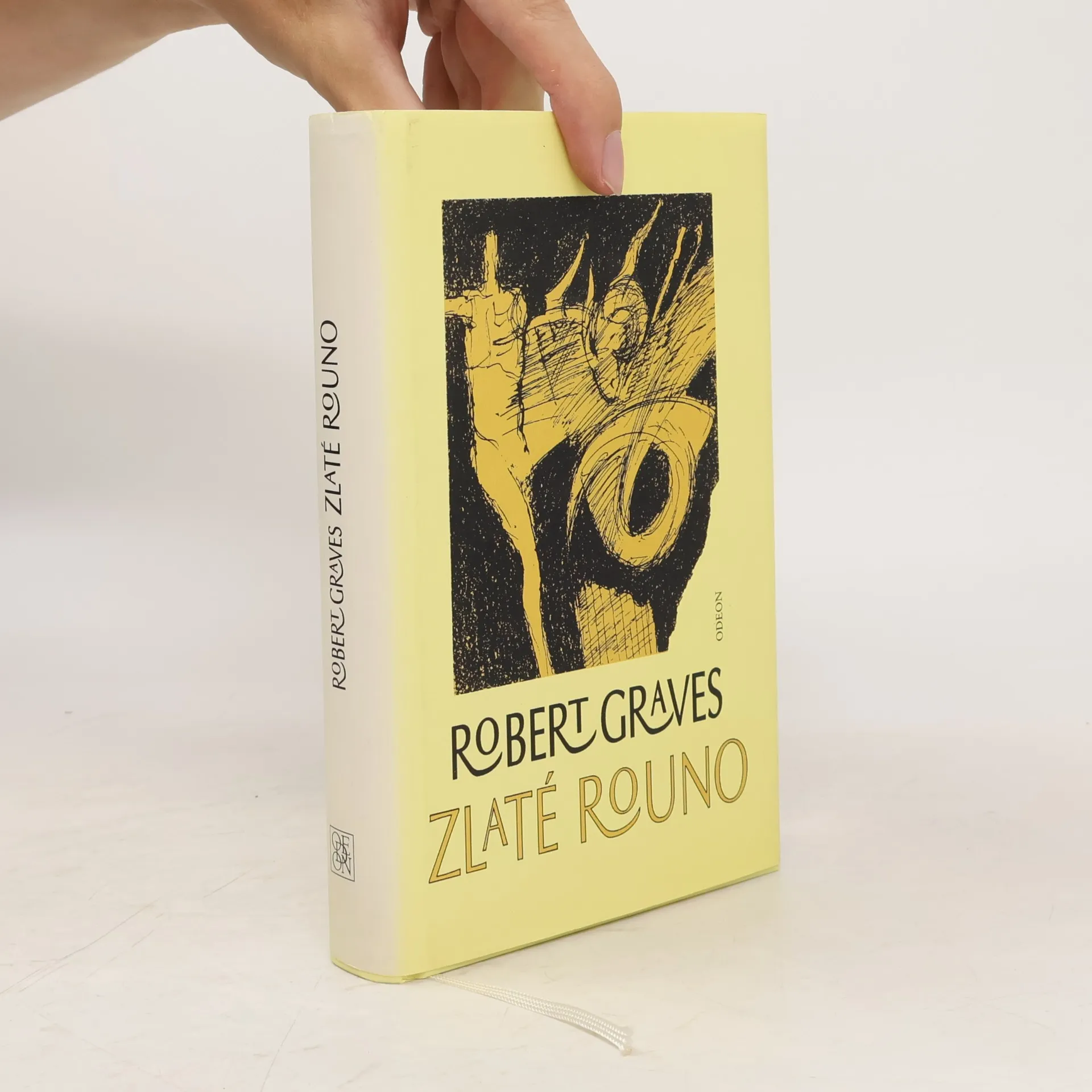
Román ze starého Řecka z doby před trojskou válkou, kdy došlo ve starém Řecku k přeměně matriarchální společnosti ve společnost řízenou muži.
Z tohoto historického konfliktu vyrůstá legenda o Argonautech, kteří se v čele s Jásonem vydali do Kolchidy za ztracenou posvátnou relikvií, za zlatým rounem, jímž byla oděna Diova socha. Třebaže se autorovo moderní ztvárnění legendy opírá o řadu vědeckých podkladů, není suchou a věcnou rekonstrukcí, ale čtivým, lehce ironickým příběhem.
Autorovy vzpomínky na dospívání, studia, 1. světovou válku a počátky pedagogického působení. Zachycují život na anglických středních školách, atmosféru soukromých škol i univerzit. Velkou část svého autobiografického románu věnuje Graves válce, kterou prožil jako kapitán u Královského welšského pluku. Závěrem pak líčí svoje působení na univerzitách v Oxfordu a Káhiře, líčí svá setkání s T. Hardym, Lawrencem, T. S. Elliotem a dalšími významnými osobami. Knihu napsal ve svých 33 letech. ...
Historický román o španělské námořní výpravě za kolonizací Šalomounových ostrovů. Její plavba je naplněna neustálými šarvátkami, sváry a intrikami mezi vojáky a námořníky i mezi jednotlivými členy posádky, kteří zápasí o moc a peníze. Intrikám se nevyhne ani generálova žena, která se po smrti svého manžela ujímá vedení výpravy. Autor zvolil formu vyprávění očitého svědka událostí, které zrekonstruoval na základě zápisků vrchního kapitána a dalších dobových dokumentů....
Pavel Šrut ve vrací ke svému vůbec prvnímu publikovanému básnickému překladu, přepracovává jej a doplňuje o zhruba dvacet nových básní, které z Gravesova díla vybral. Bezmála před třiceti lety vyšel výbor z Gravesovy milostné poezie, nazvaný Příznaky lásky, v překladu Pavla Šruta. Dnes se vážený „žijící klasik“ naší moderní poezie k tomuto svému překladu vrací, aby vytvořil nejen ucelenější pohled na Gravesovu poezii, ale především, aby verše co nejintenzivněji oslovily českého čtenáře.
La història es desenvolupa sobre la base de la teoria que l'Odissea d'Homer té lloc a l'entorn de Sicília. La seva forma final és una reescriptura d'una antiga llegenda, de la qual s'utilitza només la introducció i algunes estrofes, i l'autora és una noia que es descriu a si mateixa com la princesa Nausicaa.
Výbor z poezie anglického básníka, známého u nás jako romanopisce, se snaží zachytit jeho vývoj od 20. do počátku 70. let, spočívající v hledání životní jistoty. Jádrem knihy je milostná poezie, a to především ze sbírky Znovu hláskovaná láska.
Relata los días gloriosos en que los dioses y diosas que habitaban en el Monte Olimpo gobernaban sobre el mundo de los mortales, y los héroes legendarios realizaban grandes hazañas de valentía.
Geboren 1928 in New York als Kind polnisch-jüdischer Einwanderer. Maurice Sendak illustrierte bereits als Gymnasiast klassische Texte und entwarf Schutzumschläge. Seine „Wilden Kerle“ machten ihn gleichsam über Nacht berühmt. Sendak erhielt unter anderem die „Caldecot-Medal“, die höchste amerikanische Auszeichnung für einen Kinderbuchkünstler, und einstimmig den internationalen „Hans-Christian-Andersen-Preis“.
Der historische Roman ist als fiktive Biografie konzipiert, die bis zu dem Zeitpunkt reicht, als Claudius Tiberius Nero Germanicus im Jahr 41 n. Chr. zum römischen Kaiser ausgerufen wird. Vor dem Hintergrund der Herrschaft der römischen Kaiser Augustus, Tiberius und Caligula fängt er die farbenfrohe Welt des damaligen wohlhabenden Roms ein, mit Festen, Kriegen, Triumphen, Hinrichtungen, Gladiatorenkämpfen und den Intrigen der Mitglieder der kaiserlichen Familie.