

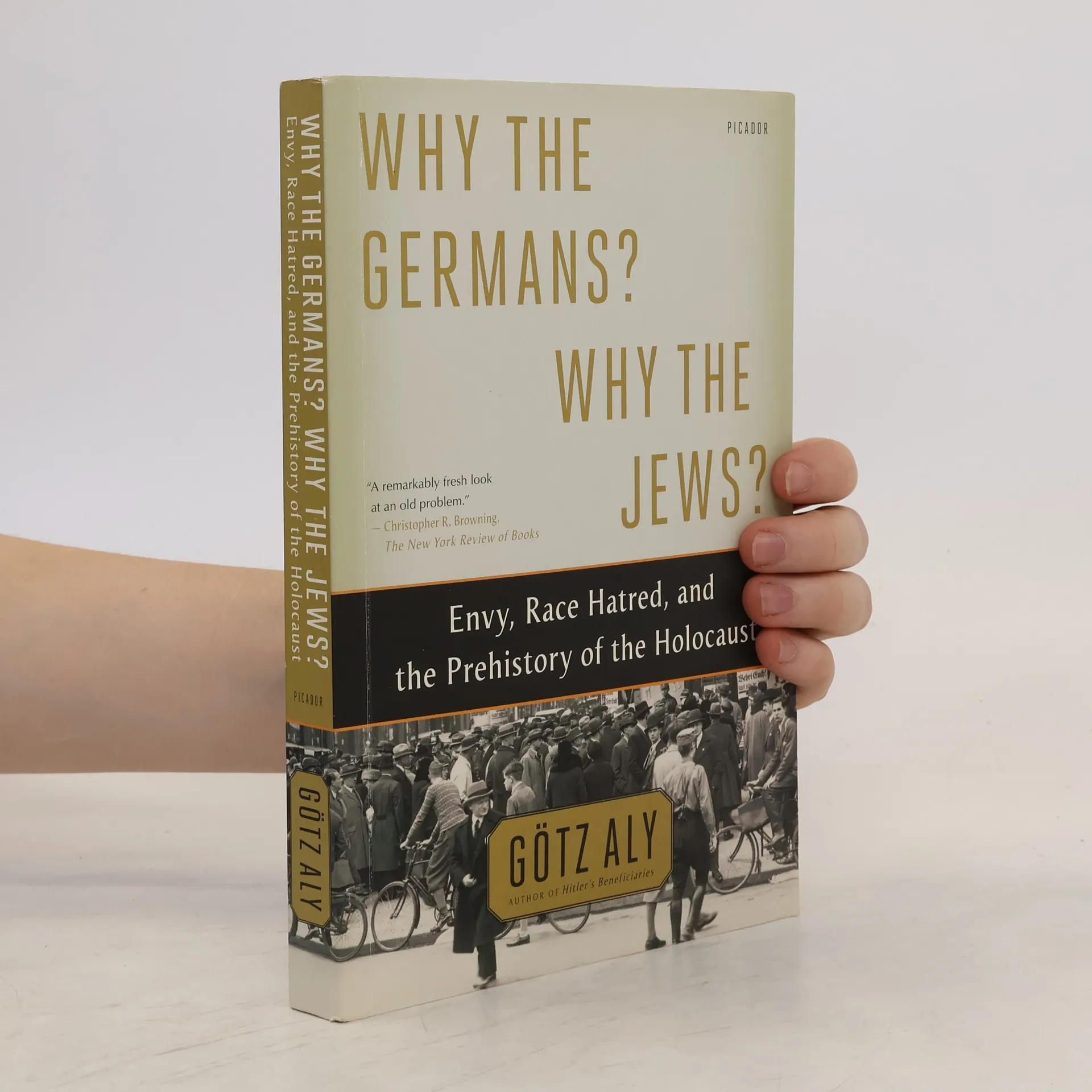


Parametry
- 304 strony
- 11 godzin czytania
Więcej o książce
This provocative analysis sheds new light on the historically unsettling questions of why the Germans targeted the Jews during the Holocaust. German historian Gotz Aly traces the prehistory of this atrocity from the 1800s to the Nazis' rise to power in 1933, revealing that German anti-Semitism was significantly driven by material concerns rather than solely by racist ideology or religious animosity. As Germany navigated the upheaval of the Industrial Revolution, the economic struggles of the majority contrasted sharply with the success of the Jewish minority, fostering envy and fear among Gentiles. Aly controversially argues that the roots of the Holocaust are intertwined with German aspirations for greater social equality. While redistributing wealth from the affluent to the impoverished was a commendable goal amid widespread poverty, the perception that the skilled, educated Jewish population held an unfair advantage fueled resentment. Aly's exploration of this complex social dynamic offers a new perspective on one of history's greatest crimes, promising to ignite debate for years to come.

Zakup książki
Why the Germans? Why the Jews?, Götz Aly
- Język

- Rok wydania
- 2015
- Oprawa
- (miękka)
Metody płatności
Brakuje nam tutaj Twojej recenzji.
- Tytuł
- Why the Germans? Why the Jews?
- Język
- angielski
- Autorzy
- Götz Aly
- Wydawca
- Macmillan US
- Rok wydania
- 2015
- Oprawa
- miękka
- Liczba stron
- 304
- ISBN10
- 1250062640
- ISBN13
- 9781250062642
- Seria
- Kategorie
- Tagi
- Tematy historyczne, Polityka, Niemcy, Fikcja wojenna, Wojny, II Wojna Światowa, XIX wiek, Społeczeństwo, Żydzi, Holokaust, Nazizm, Historia Niemiec, Literatura Żydowska, Trzeci Rzesza (1933-1945), Nienawiść, Prześladowanie Żydów, Brutalność
- Ocena
- 3,95 z 5
- Opis
- This provocative analysis sheds new light on the historically unsettling questions of why the Germans targeted the Jews during the Holocaust. German historian Gotz Aly traces the prehistory of this atrocity from the 1800s to the Nazis' rise to power in 1933, revealing that German anti-Semitism was significantly driven by material concerns rather than solely by racist ideology or religious animosity. As Germany navigated the upheaval of the Industrial Revolution, the economic struggles of the majority contrasted sharply with the success of the Jewish minority, fostering envy and fear among Gentiles. Aly controversially argues that the roots of the Holocaust are intertwined with German aspirations for greater social equality. While redistributing wealth from the affluent to the impoverished was a commendable goal amid widespread poverty, the perception that the skilled, educated Jewish population held an unfair advantage fueled resentment. Aly's exploration of this complex social dynamic offers a new perspective on one of history's greatest crimes, promising to ignite debate for years to come.