

Więcej o książce
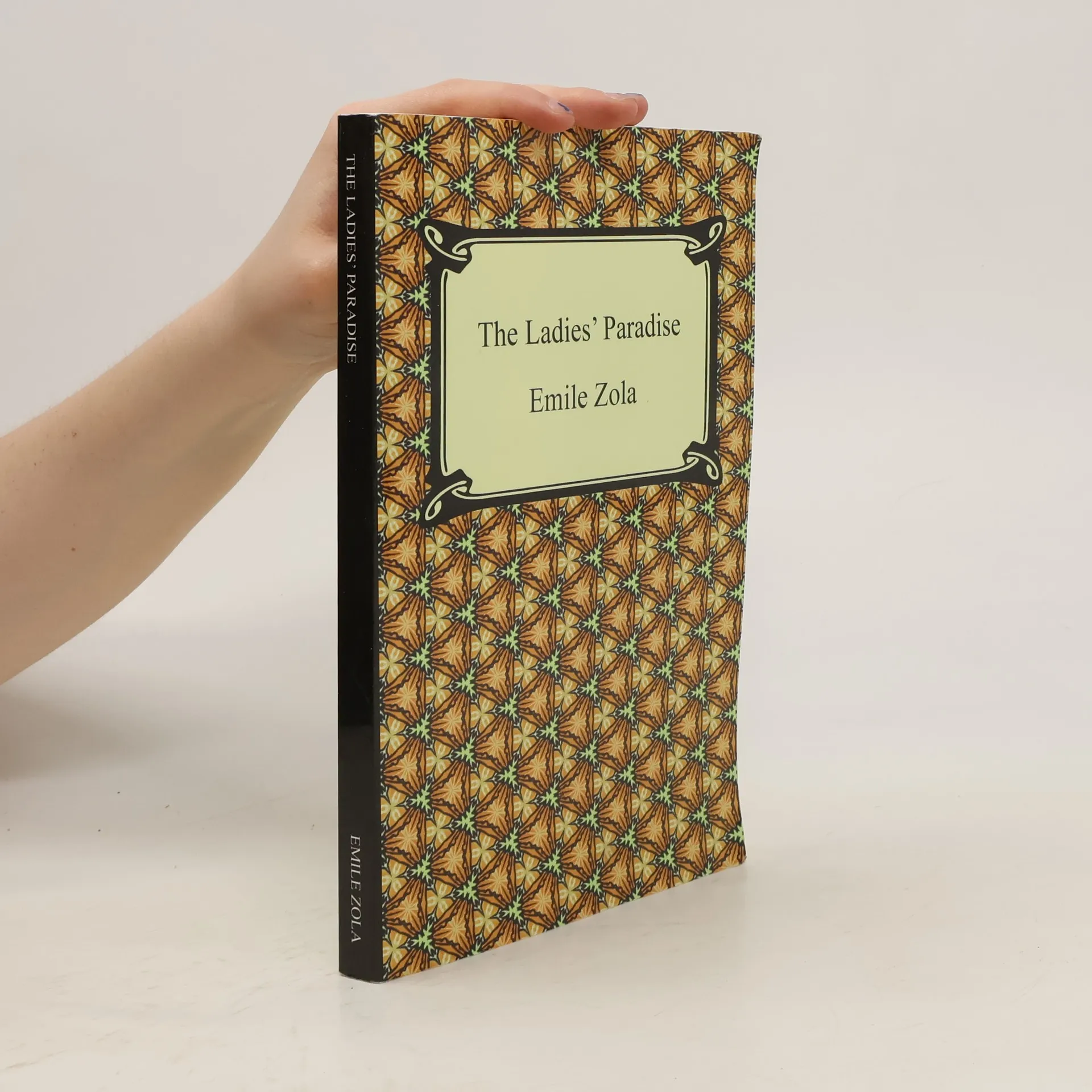
One of the most important, though controversial, French novelists of the late nineteenth century, and founder of the Realist movement, was mile Zola (1840-1902). In 1871 Zola began to his most notable series of novels, the "Rougon-Macquart Novels," that relate the history of a fictional family under the Second Empire. As a strict naturalist, Zola was greatly concerned with science, especially the problems of evolution and heredity vs. environment. However, unlike Honor de Balzac, whose works examined a wider scope of society, Zola focused on the evolution of one, single family. "The Ladies' Paradise" is the eleventh novel in this series, and begins exactly where "Pot-Bouille" left off. Octave Mouret has married and now owns a department store where twenty year old Denise Baudu, who has come to Paris with her brothers, takes a job as a saleswoman. The novel reflects symbolically on capitalism, the modern city, changes in consumer culture, the bourgeois family and sexual attitudes.




Zakup książki
The Ladies' Paradise, Émile Zola
- Język

- Rok wydania
- 2011
- Oprawa
- (miękka)
Metody płatności
Brakuje nam tutaj Twojej recenzji.
- Tytuł
- The Ladies' Paradise
- Język
- angielski
- Autorzy
- Émile Zola
- Wydawca
- Digireads.com
- Rok wydania
- 2011
- Oprawa
- miękka
- Liczba stron
- 250
- ISBN10
- 1420940538
- ISBN13
- 9781420940534
- Seria
- Rougon-Macquart
- Oryginalna nazwa
- Au bonheur des dames
- Ocena
- 4 z 5
- Opis
- One of the most important, though controversial, French novelists of the late nineteenth century, and founder of the Realist movement, was mile Zola (1840-1902). In 1871 Zola began to his most notable series of novels, the "Rougon-Macquart Novels," that relate the history of a fictional family under the Second Empire. As a strict naturalist, Zola was greatly concerned with science, especially the problems of evolution and heredity vs. environment. However, unlike Honor de Balzac, whose works examined a wider scope of society, Zola focused on the evolution of one, single family. "The Ladies' Paradise" is the eleventh novel in this series, and begins exactly where "Pot-Bouille" left off. Octave Mouret has married and now owns a department store where twenty year old Denise Baudu, who has come to Paris with her brothers, takes a job as a saleswoman. The novel reflects symbolically on capitalism, the modern city, changes in consumer culture, the bourgeois family and sexual attitudes.