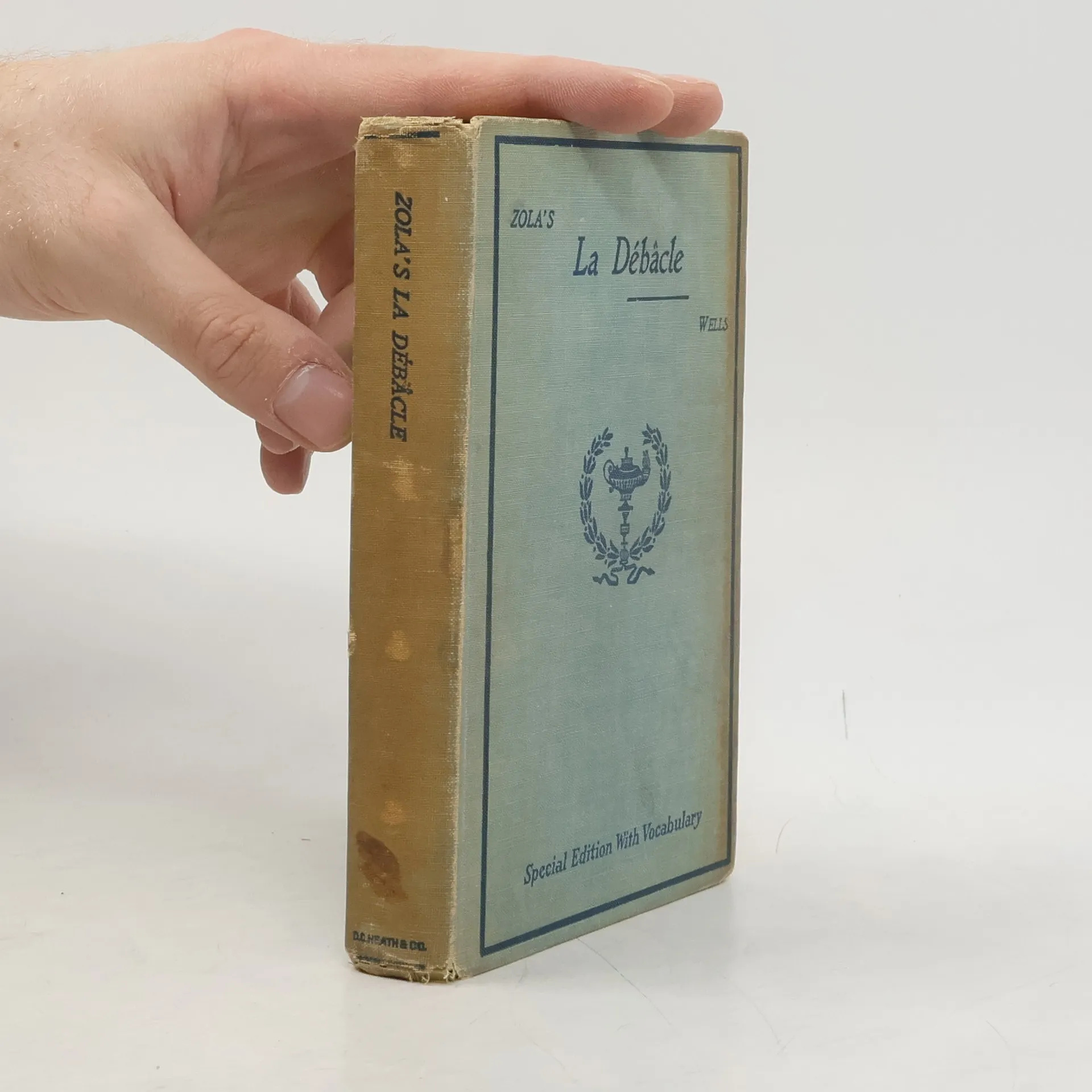
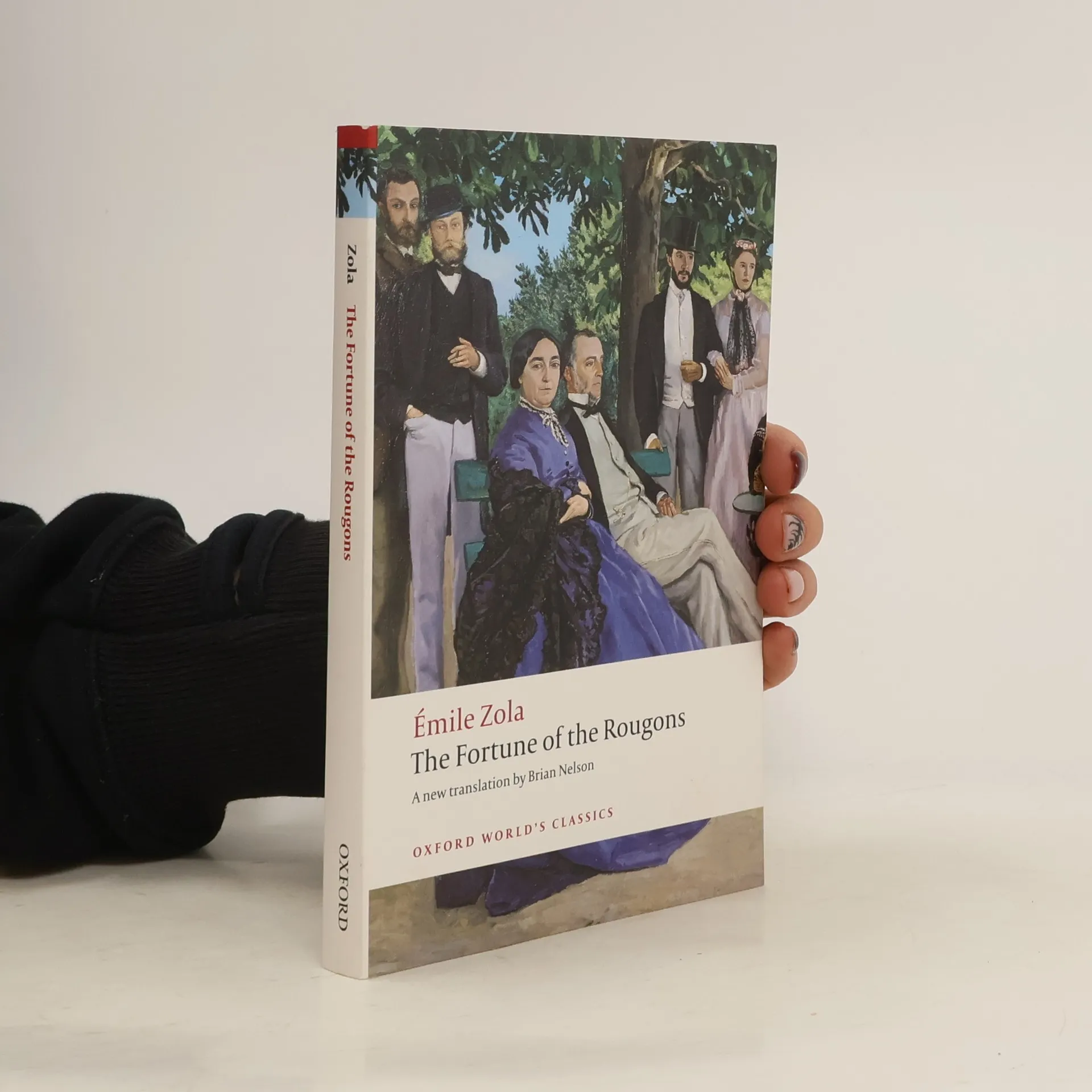
The Fortune of the Rougons is the first in Zola's famous Rougon-Macquart series of novels. Not only the inaugural novel, it is the series' founding text, establishing its genealogical basis. The family's greed and rapacity mirrors the diseased society in which it flourishes. This lively new translation is accompanied by introduction and notes.
Rougon-Macquart Seria
W serii "Rougon-Macquart" Émile Zola przedstawia losy fikcyjnej rodziny w czasach Drugiego Cesarstwa Francuskiego. Na czoło wysuwa się historia Auguste'a Rougona i jego brata, Eugène'a, którzy zmagają się z ambicjami, miłością i społecznymi napięciami. Zola ukazuje brutalną rzeczywistość życia w Paryżu, badając wpływ dziedzictwa i środowiska na losy jednostek.

Polecana kolejność czytania
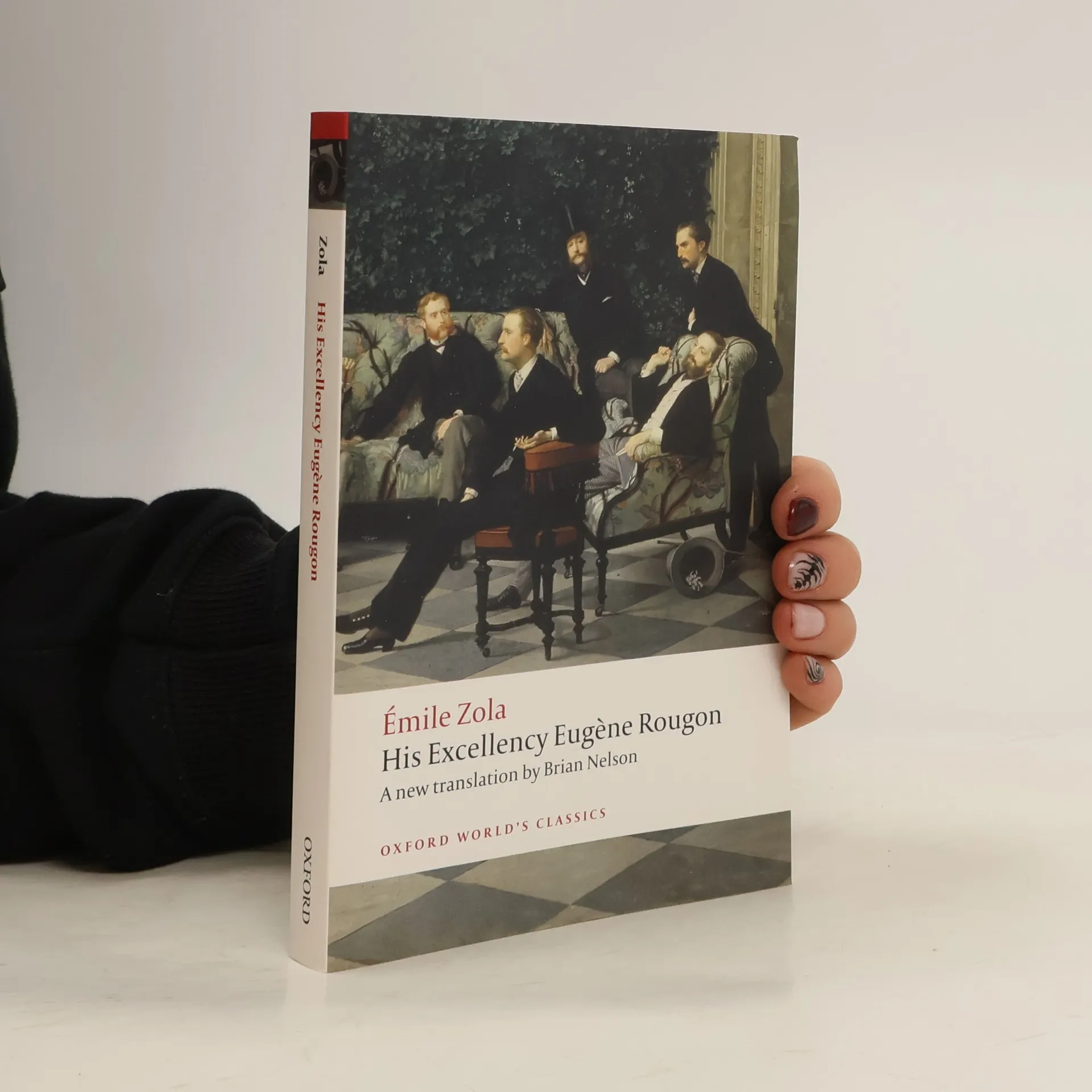
Im going to celebrate the 21st century with a re-read of His Excellency Eugène Rougon. Swiftly Tilting Planet
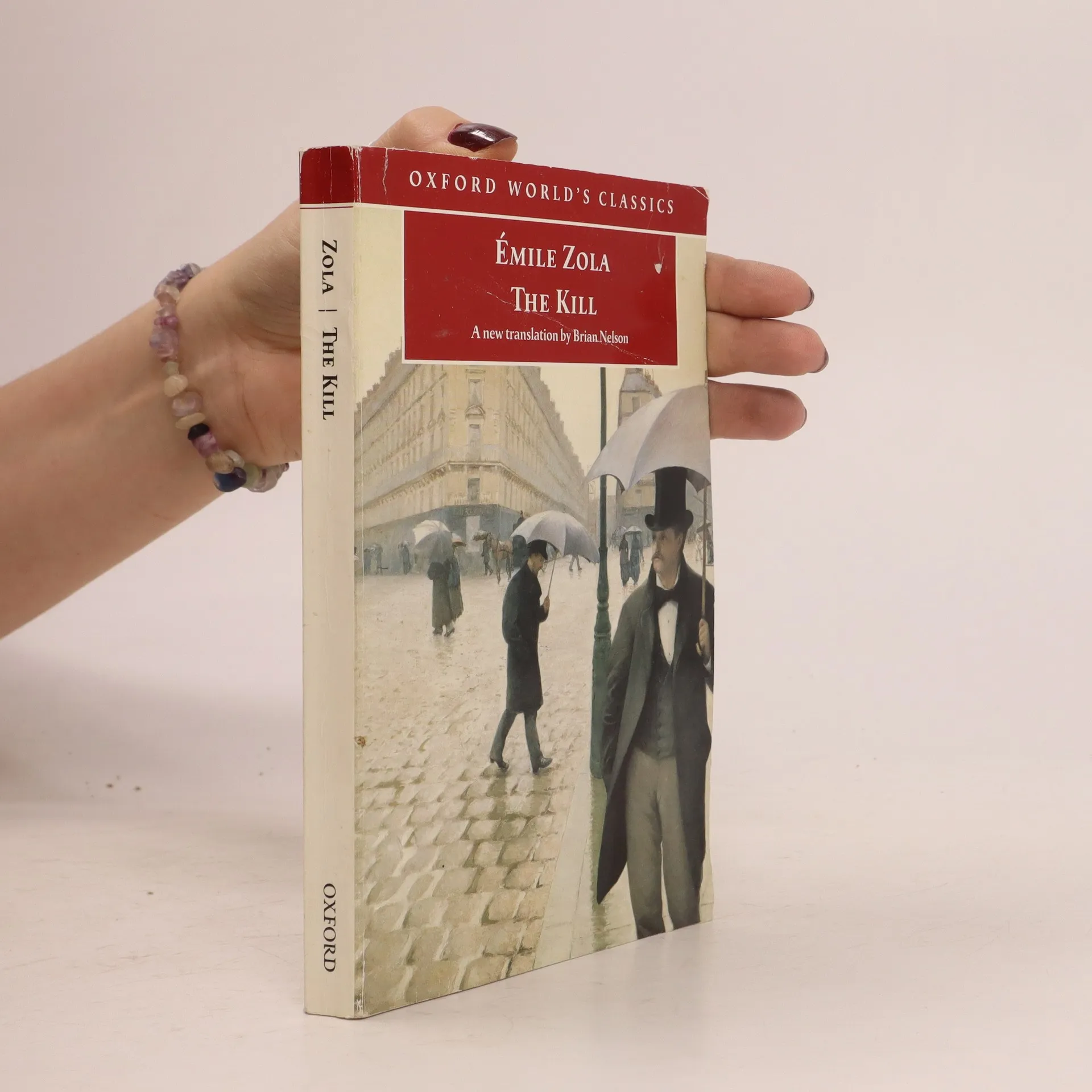
The Kill (La Curée) is the second volume in Zola's great cycle of twenty novels, Les Rougon-Macquart, and the first to establish Paris - the capital of modernity - as the centre of Zola's narrative world. Conceived as a representation of the uncontrollable 'appetites' unleashed by the Second Empire (1852-70) and the transformation of the city by Baron Haussmann, the novel combines into a single, powerful vision the twin themes of lust for money and lust for pleasure. The all-pervading promiscuity of the new Paris is reflected in the dissolute and frenetic lives of an unscrupulous property speculator, Saccard, his neurotic wife Renée, and her dandified lover, Saccard's son Maxime.
Money
- 416 stron
- 15 godzin czytania
Inspired by real events and meticulously researched by Zola, Money is, in the wake of recent financial scandals, an all-too-topical exploration of the dynamics of greed, the excesses of capitalism and its dangerous relationship with politics and the press.
The Dream
- 256 stron
- 9 godzin czytania
In The Dream, the sixteenth novel in the Rougon-Macquart series, Zola blends mysticism and fairy tale with naturalism as an orphan girl falls in love with a nobleman.
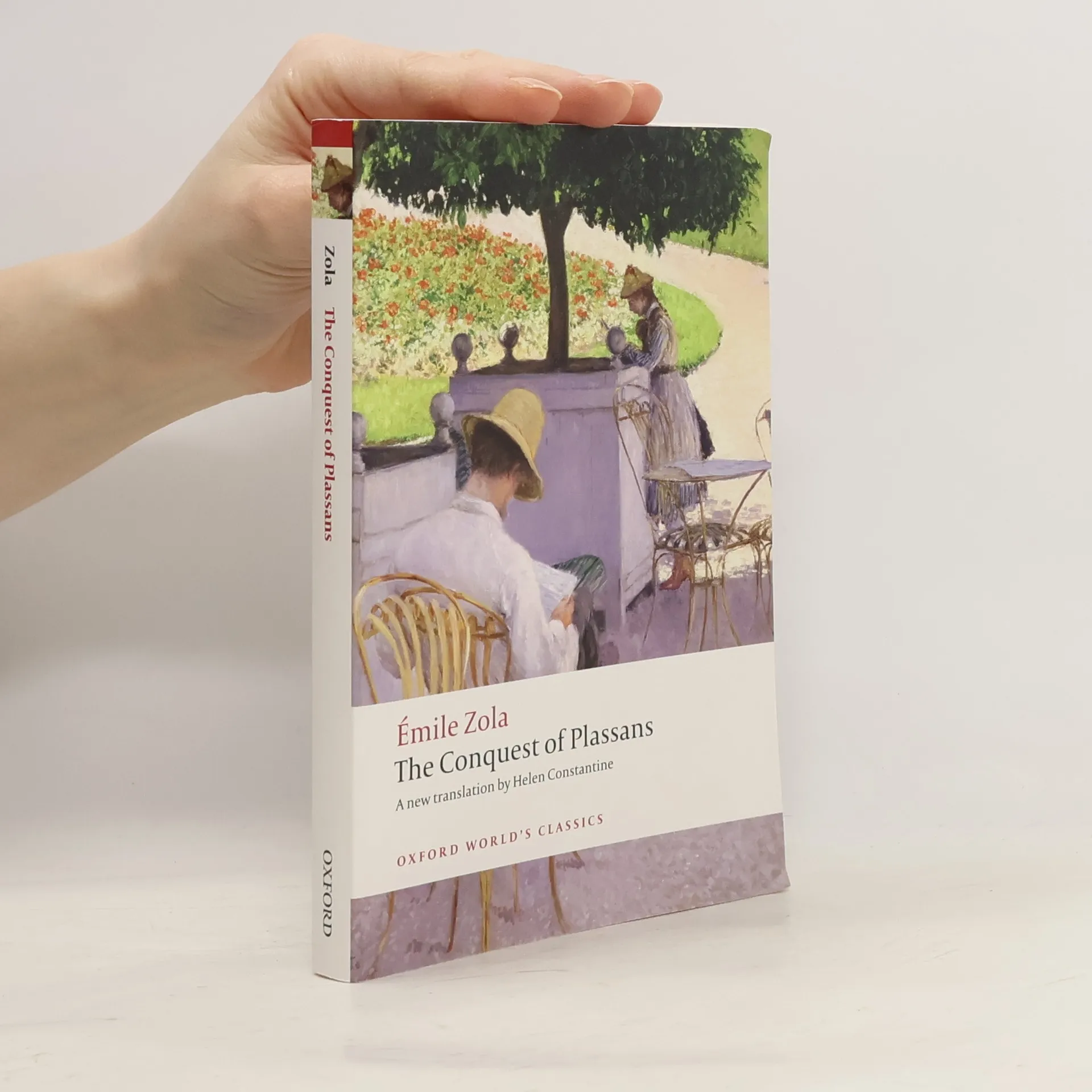
The Conquest of Plassans
- 307 stron
- 11 godzin czytania
An ambitious and unscrupulous priest arrives in the provincial town of Plassans, intent on conquering its political and social life. His arrival has profound consequences for the Mouret family, whose lives are turned upside down. This is the fourth novel in Zola's Rougon-Macquart series, and the first modern translation for more than fifty years.
Pot Luck
- 416 stron
- 15 godzin czytania
Pot Luck , Zola's most acerbic satire, describes daily life in a newly constructed block of flats in late nineteenth-century Paris. In examining the contradictions that pervade bourgeois life, Zola reveals a multitude of betrayals and depicts a veritable 'melting pot' of moral and sexualdegeneracy. This new translation captures the robustness of Zola's language and restores the omissions of earlier abridged versions.
Eleventh book in the author's Rougon-Macquart cycle.
The Sin of Abbé Mouret is the fifth novel in Zola's Rougon-Macquart series. It follows Serge Mouret, a young priest, aspiring to perfect purity and sanctity. An illness leaves him with amnesia, and no longer knowing he is a priest, he falls in love with his nurse. Together they roam an Eden-like garden called the 'Paradou'.
A Love Story
- 306 stron
- 11 godzin czytania
A fascinating study in sexual psychology and sexual politics, the novel focuses on Helene Grandjean, a widow, and her shifting emotional states. This is the eighth novel in Zola's Rougon-Macquart series, and the first modern translation for more than fifty years.
Amidst the deep silence and solitude prevailing in the avenue several market gardeners' carts were climbing the slope which led towards Paris, and the fronts of the houses, asleep behind the dim lines of elms on either side of the road, echoed back the rhythmical jolting of the wheels. At the Neuilly bridge a cart full of cabbages and another full of peas had joined the eight waggons of carrots and turnips coming down from Nanterre; and the horses, left to themselves, had continued plodding along with lowered heads, at a regular though lazy pace, which the ascent of the slope now slackened. The sleeping waggoners, wrapped in woollen cloaks, striped black and grey, and grasping the reins slackly in their closed hands, were stretched at full length on their stomachs atop of the piles of vegetables. Every now and then, a gas lamp, following some patch of gloom, would light up the hobnails of a boot, the blue sleeve of a blouse, or the peak of a cap peering out of the huge florescence of vegetables-red bouquets of carrots, white bouquets of turnips, and the overflowing greenery of peas and cabbages.
The Bright Side of Life
- 368 stron
- 13 godzin czytania
When Pauline Quenu is taken to the seaside to live with her relatives, her love of life contrasts with the pessimism which infects the family. This is the twelfth novel in Zola's Rougon-Macquart series, remarkable for it's depictions of intense emotions and physical and mental suffering.
The seventh novel in Zola's Rougon-Macquart cycle, The Assommoir is the story of a woman's struggle for happiness in working-class Paris.
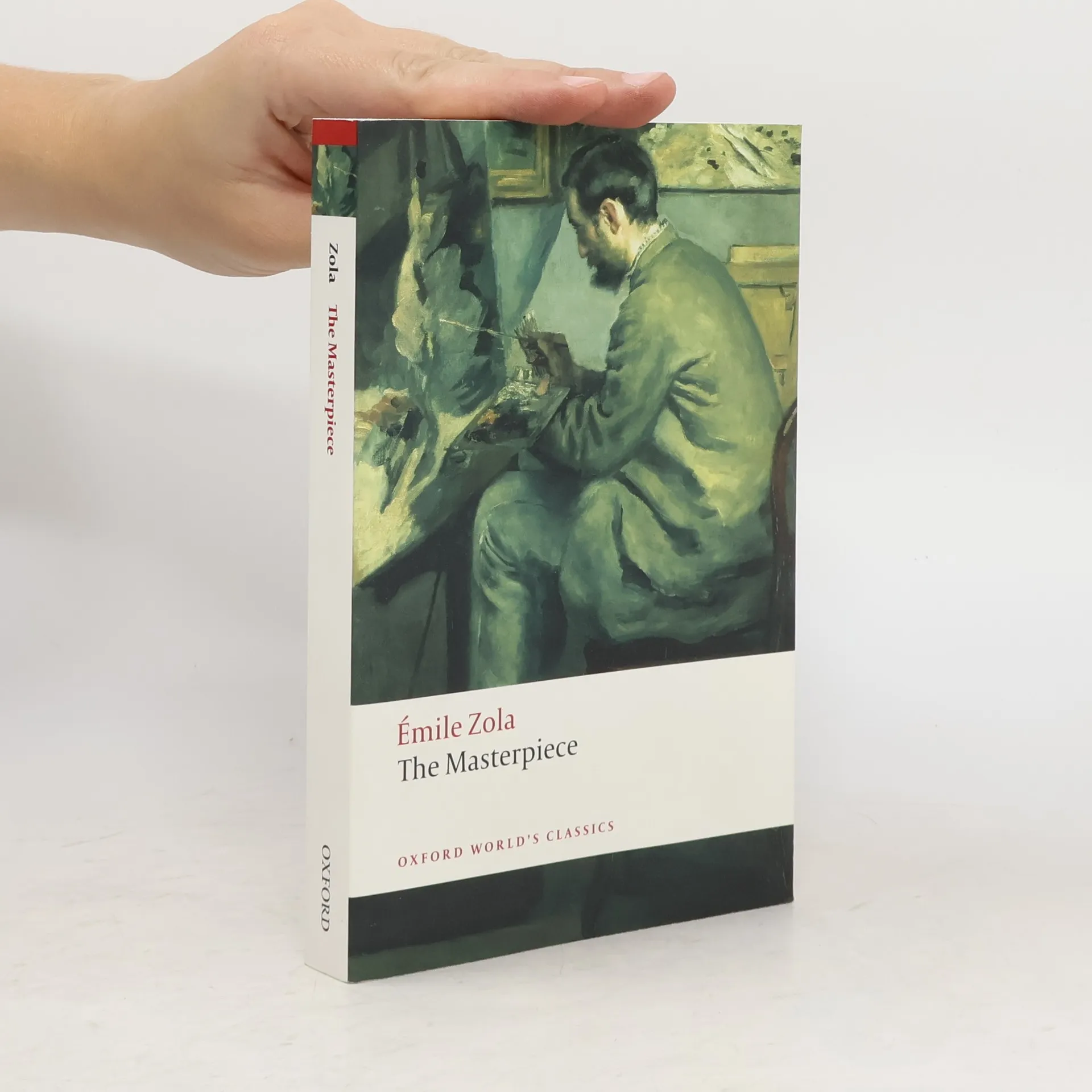
The Masterpiece
- 366 stron
- 13 godzin czytania
The Masterpiece is the tragic story of Claude Lantier, an ambitious and talented young artist from the provinces who has come to conquer Paris and is conquered by the flaws in his own genius. While his boyhood friend Pierre Sandoz becomes a successful novelist, Claude's originality is mocked at the Salon and turns gradually into a doomed obsession with one great canvas. Life - in the form of his model and wife Christine and their deformed child Jacques - is sacrificed on the altar of Art. The Masterpiece is the most autobiographical of the twenty novels in Zola's Rougon-Macquart series. Set in the 1860s and 1870s, it provides a unique insight into his career as a writer and his relationship with Cézanne, a friend since their schooldays in Aix-en-Provence. It also presents a well-documented account of the turbulent Bohemian world in which the Impressionists came to prominence despite the conservatism of the Academy and the ridicule of the general public.
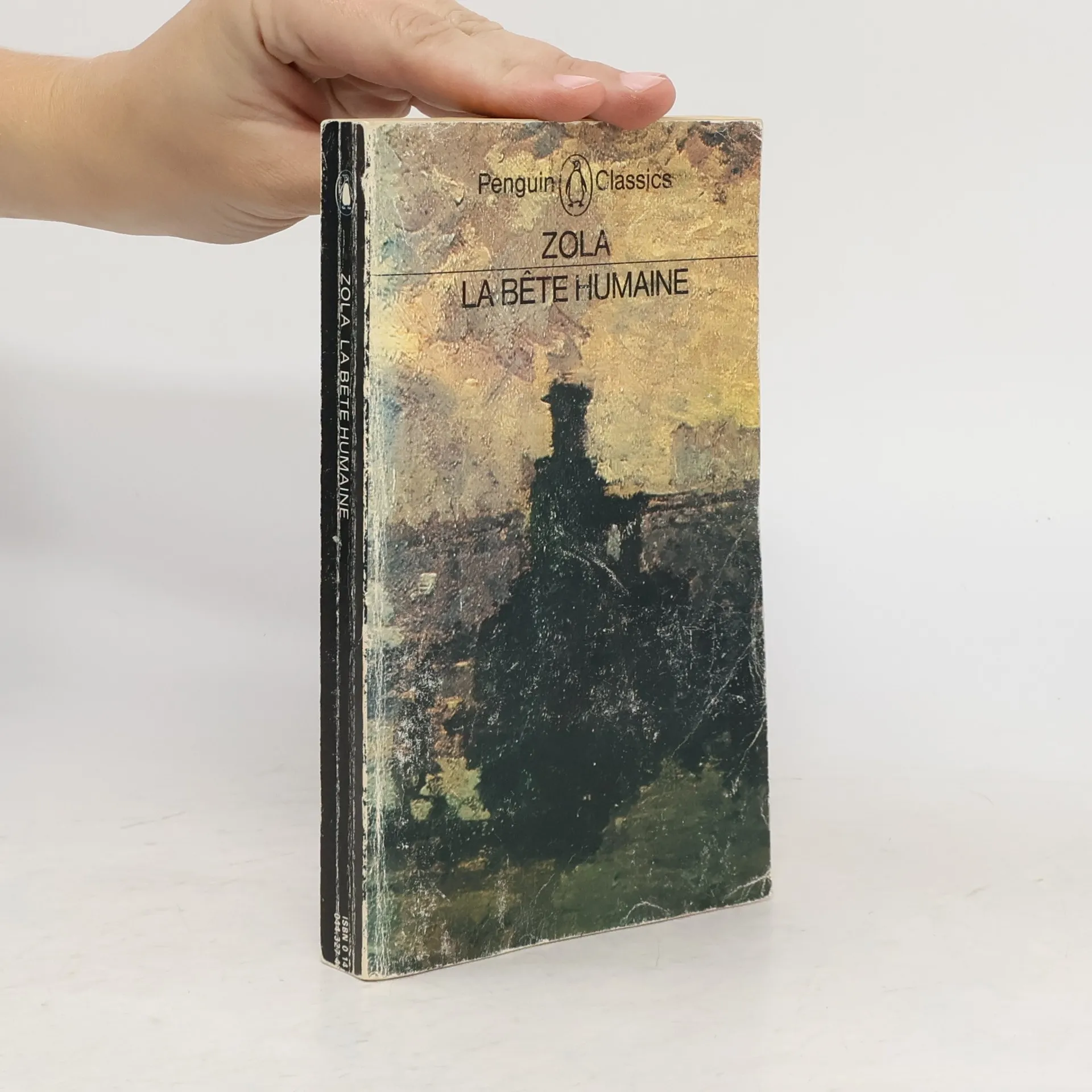
La Bête humaine
- 368 stron
- 13 godzin czytania
One of Zola's most violent works, this novel is on one level a tale of murder and possession, and on another a compassionate study of individuals derailed by atavistic forces beyond their control. It evokes life at the end of the Second Empire in France, and a society hurtling towards the future.
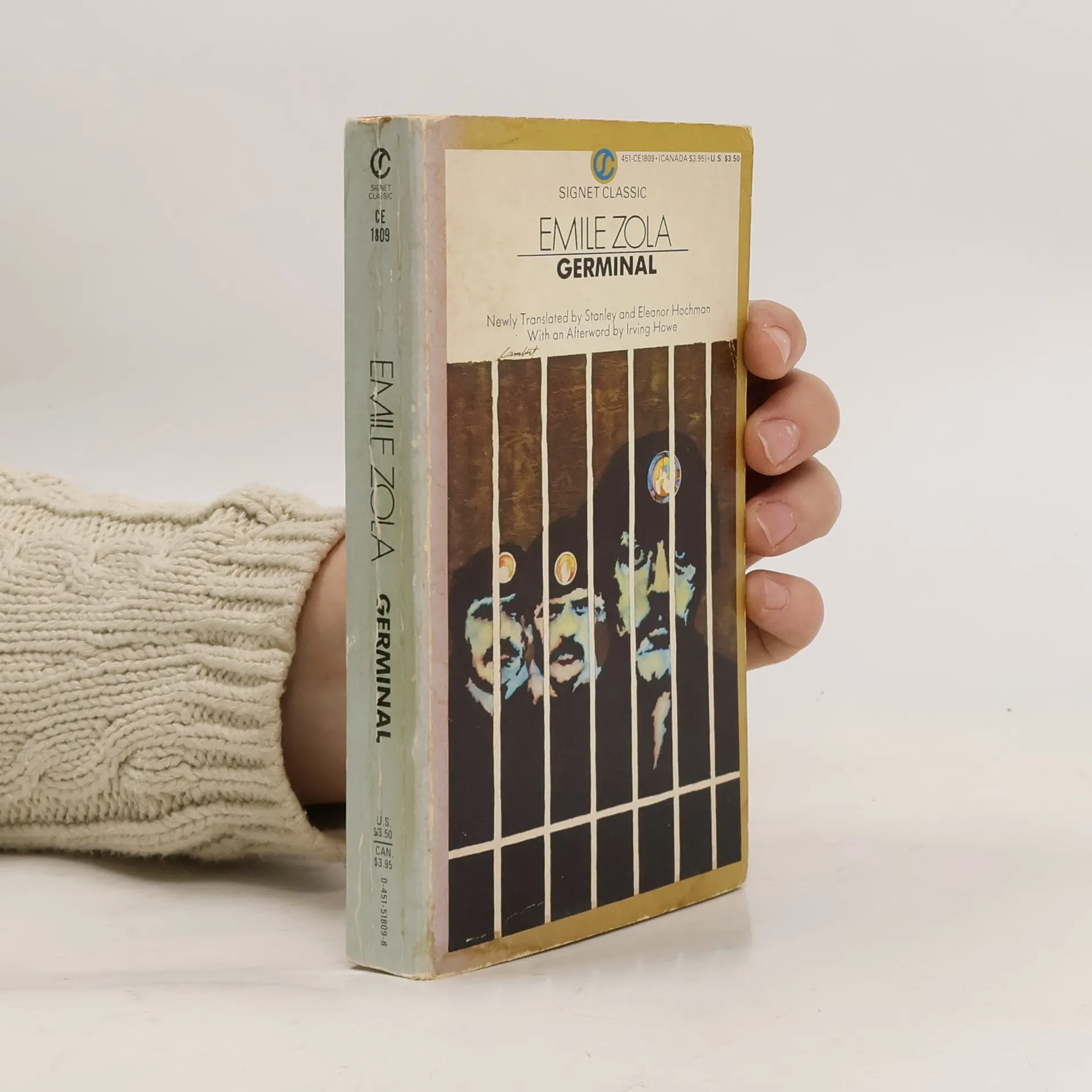
"Germinal" (1885) to trzynasta powieść w cyklu dwudziestu powieści Émile'a Zoli o dynastii Rougon-Macquart. Opowiada historię Étienne'a Lantiera, który przybywa do górniczej osady Montsou i na własne oczy obserwuje przerażające warunki, w jakich żyją i pracują górnicy. Stopniowo angażuje się w zażarty spór między górnikami a ich pracodawcami, ostatecznie prowadząc strajk, który stanowi centralny punkt powieści. To jednak nie tylko walka pracy z kapitałem. To także zmaganie głodnych z sytymi, z biernością i rezygnacją przekazywaną przez pokolenia głodujących ludzi, a ostatecznie z samym głodem, reprezentowanym przez fantastycznego potwora kopalni, który pożera ludzi, tak jak nowoczesna gospodarka przemysłowa nieustannie pochłania kapitał. Ta pozorna pesymistyczna wizja społeczeństwa równoważona jest przez możliwość odrodzenia i regeneracji. Pomimo dziedziczonej nędzy uciskanych, stary porządek może pewnego dnia zostać obalony.
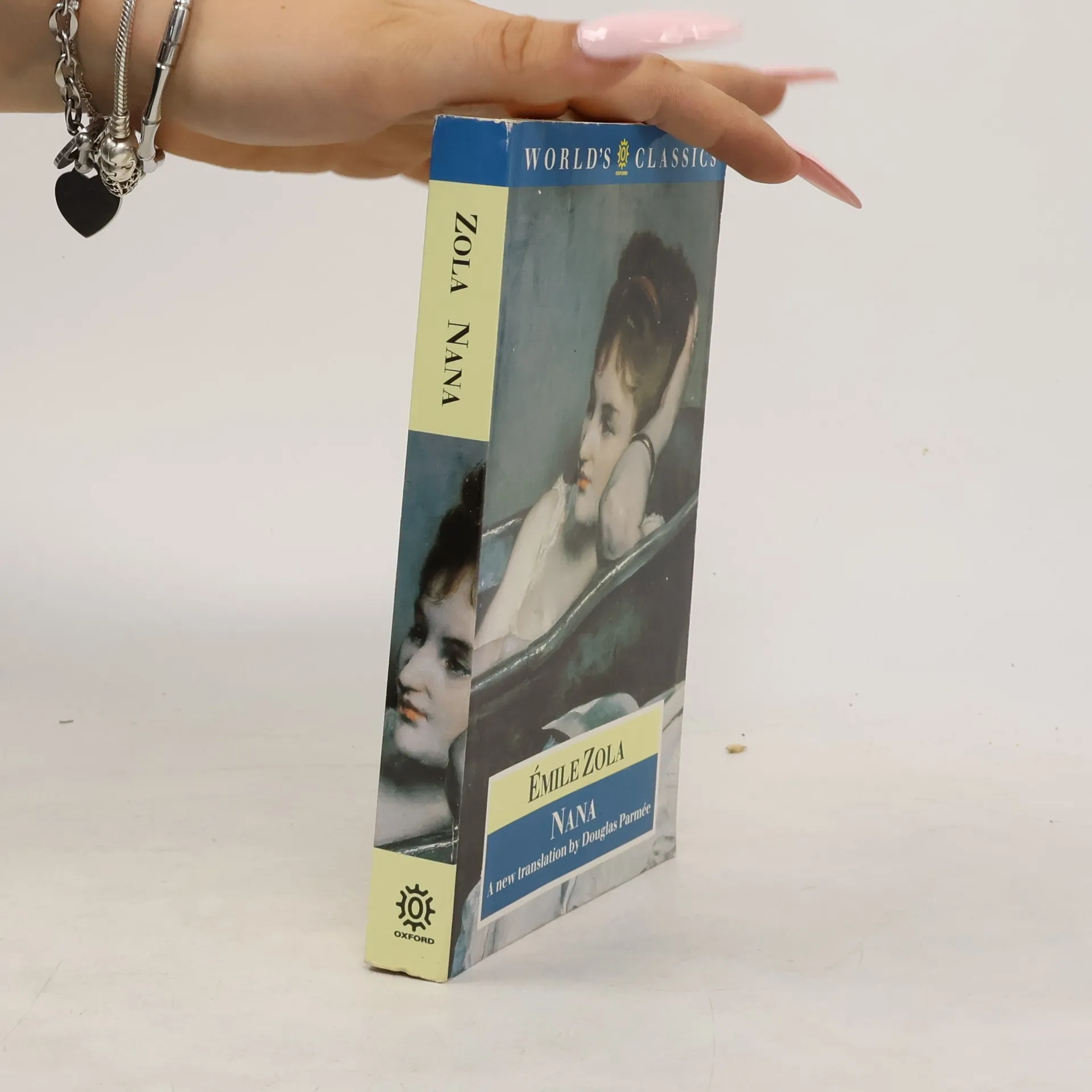
Nana
- 468 stron
- 17 godzin czytania
Nana opens in 1867, the year of the World Fair, when Paris, thronged by a cosmopolitan elite, was a perfect target for Zola's scathing denunciation of hypocrisy and fin-de-siècle moral corruption. In this new translation, the fate of Nana--the Helen of Troy of the second Empire, and daughter of the laundress in L'Assommoir--is now rendered in racy, stylish English.
Zola's novel of peasant life describes the disintegration of the Fouan family when Papa Fouan decides to divide his land between his three children. Greed and violence feed a bitter struggle for supremacy. This new translation captures the novel's blend of brutality and lyricism in its evocation of the inexorable cycle of the natural world.
Émile Zola is regarded as one of the most significant French novelists of the 19th century and a founder of Naturalism. He initially published loosely connected novels and worked as a journalist before conceptualizing most of his works as part of a cycle that illuminates the social and political realities of his time. The twenty novels in this series narrate the family saga of the Rougons and Macquarts, addressing the conflict between the bourgeoisie and the working class. Zola, a moderate leftist, aimed to enrich conservative French literature with progressive elements. The novels are arranged in chronological order and tackle central societal issues. The cycle includes titles such as "The Fortune of the Rougons," "Nana," "Germinal," and "Doctor Pascal," each depicting various aspects of life under the Second Empire. Zola's work is considered crucial for understanding the social structures and conflicts of his era and has left a lasting impact on literature.
Doctor Pascal is the twentieth and final novel in Zola's great Rougon-Macquart series. Pascal Rougon has spent his life chronicling the hereditary patterns and illnesses of his family, using medicine to attempt cures, whilst his niece Clotilde places her faith in God.