

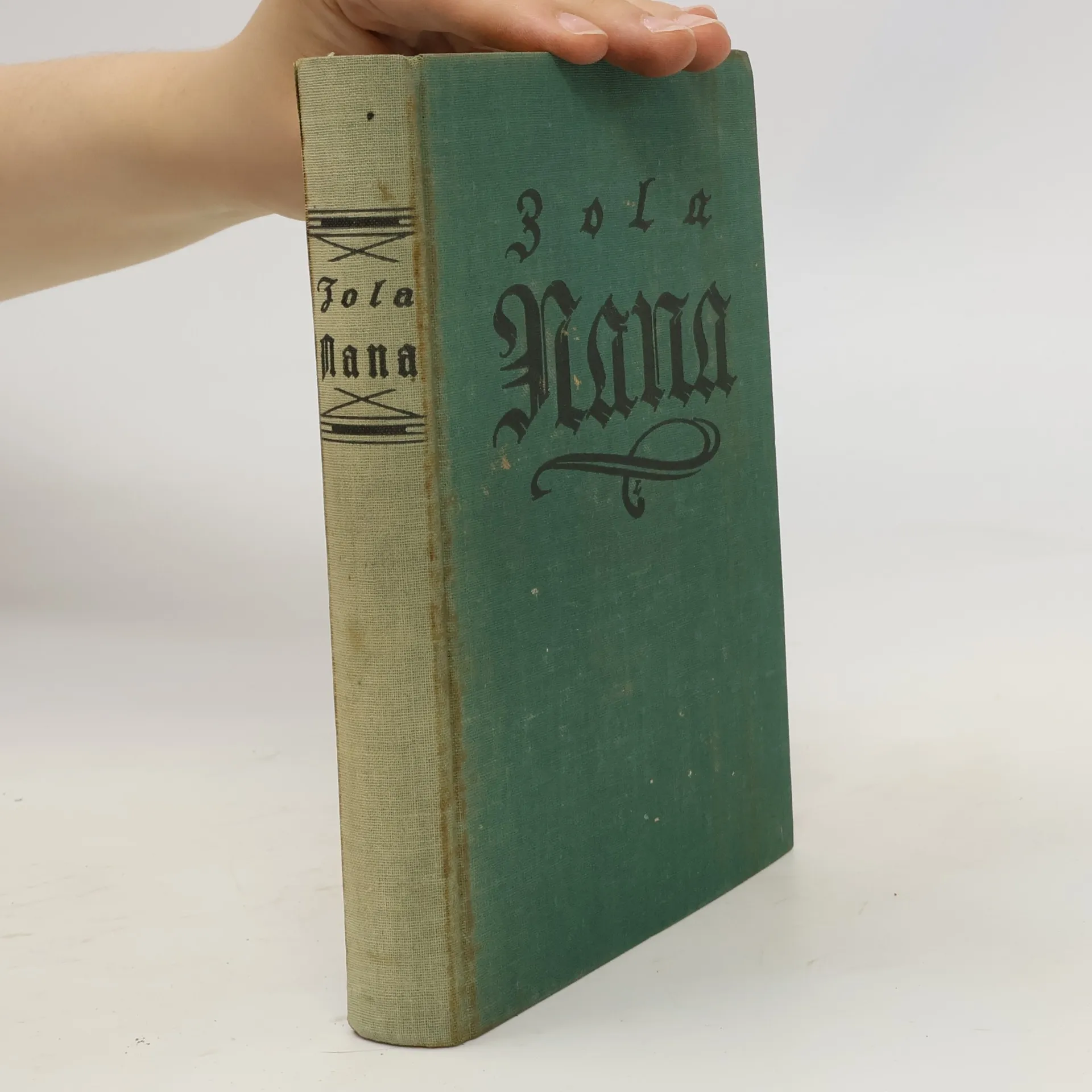
Parametry
Więcej o książce
Nana opens in 1867, the year of the World Fair, when Paris, thronged by a cosmopolitan élite, was la Ville Lumière, a perfect victim for Zola's scathing denunciation of hypocrisy and fin-de-siècle moral corruption. The fate of Nana, the Helen of Troy of the Second Empire, and daughter of the laundress in L'Assommoir, reduced Flaubert to almost inarticulate gasps of admiration: `Chapter 14, unsurpassable! ... Yes! ... Christ Almighty! ... Incomparable ... Straight out of Babylon!' Boulevard society is presented with painstaking attention to detail, and Zola's documentation of the contemporary theatrical scene comes directly from his own experience - it was his own failure as a playwright which sent him back to novel-writing and Nana itself. This new translation is an accurate and stylish rendering of Zola's original, which was first published in 1880.




Zakup książki
Nana, Émile Zola
- Język

- Rok wydania
- Oprawa
- (twarda)
Metody płatności
Brakuje nam tutaj Twojej recenzji.
- Tytuł
- Nana
- Język
- angielski
- Autorzy
- Émile Zola
- Wydawca
- Neuseld & Henius Verlag
- Oprawa
- twarda
- Seria
- Rougon-Macquart
- Pierwsze wydanie
- 1880
- Oryginalna nazwa
- Nana
- Ocena
- 3,85 z 5
- Opis
- Nana opens in 1867, the year of the World Fair, when Paris, thronged by a cosmopolitan élite, was la Ville Lumière, a perfect victim for Zola's scathing denunciation of hypocrisy and fin-de-siècle moral corruption. The fate of Nana, the Helen of Troy of the Second Empire, and daughter of the laundress in L'Assommoir, reduced Flaubert to almost inarticulate gasps of admiration: `Chapter 14, unsurpassable! ... Yes! ... Christ Almighty! ... Incomparable ... Straight out of Babylon!' Boulevard society is presented with painstaking attention to detail, and Zola's documentation of the contemporary theatrical scene comes directly from his own experience - it was his own failure as a playwright which sent him back to novel-writing and Nana itself. This new translation is an accurate and stylish rendering of Zola's original, which was first published in 1880.