

Więcej o książce
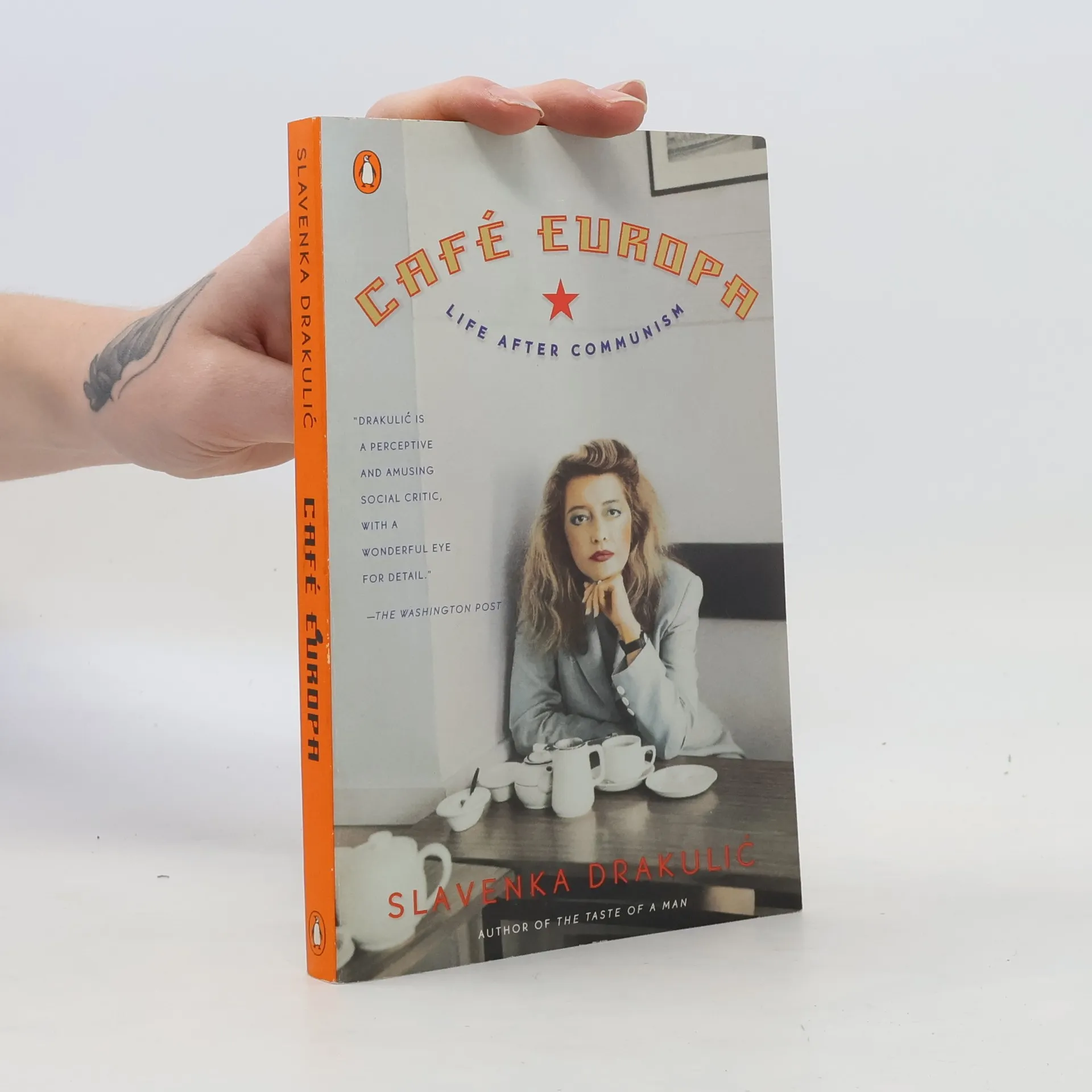
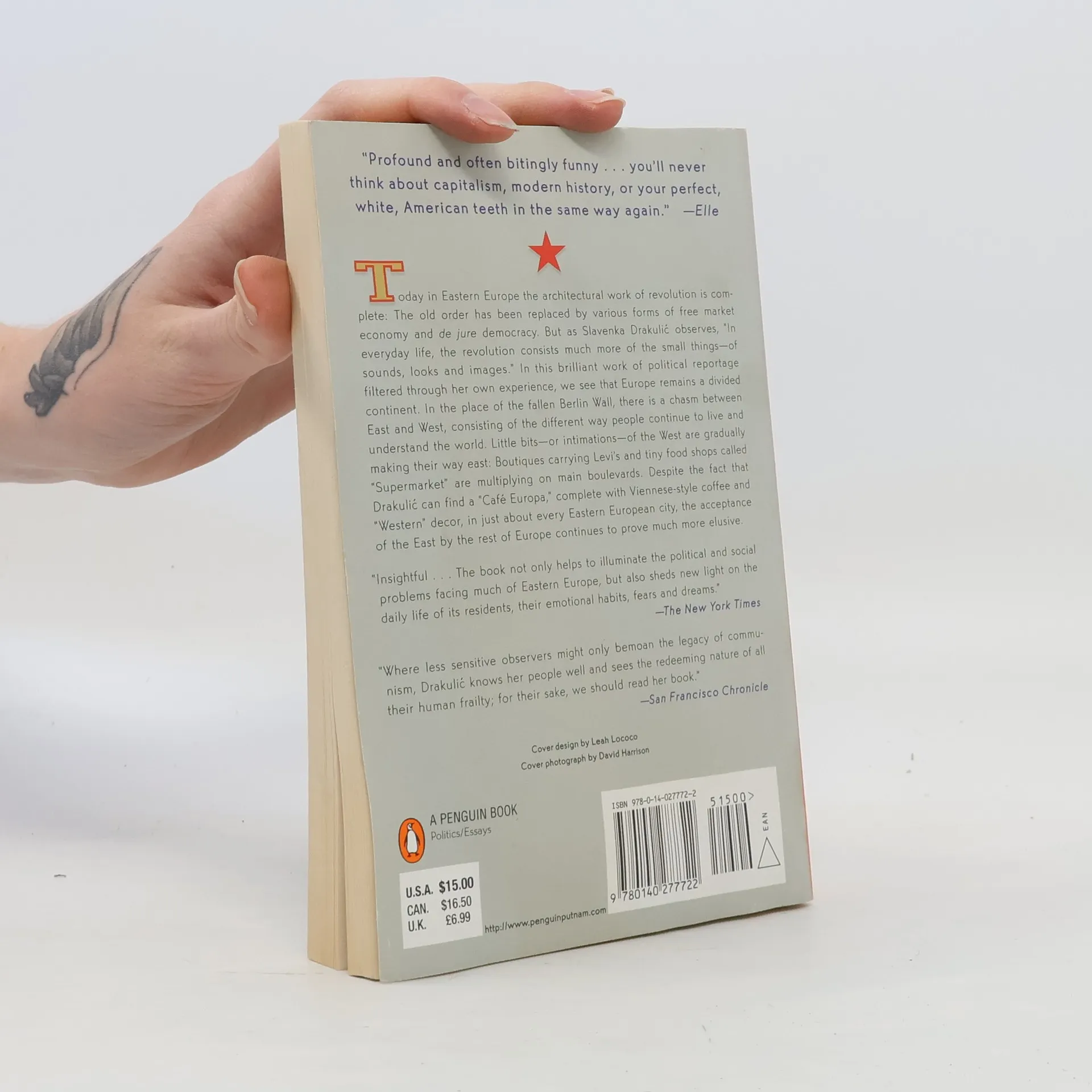
Croatian journalist, novelist, and essayist Slavenka Drakulić notes that Eastern Europeans are so anxious to become like their Western counterparts that every city and town has a Cafe Europa that is a pale imitation of similar establishments in cities like Paris and Rome. She presents here a collection of essays that explore life in various Eastern European countries since the fall of communism. As a citizen of Croatia (formerly part of Yugoslavia) living now in Vienna with her Swedish husband, she writes knowingly as a survivor of a communist regime, as one who realizes that pitfalls still lie ahead for nations emerging from the Soviet yoke. In Albania, she observes rage everywhere in people who seem to want to smash all vestiges of the Hoxha regime. In Romania, she comments on the execrable state in which public toilets are maintained: “[T]he standard of Romanian toilets reflects the nature of the communist system of which it is a legacy”; “the absence of any improvement is…a warning for the future of democracy” there. “Drakulic's pungent and insightful ruminations not only describe life in her part of the world—she makes us feel it as well.”—Publishers Weekly



Zakup książki
Café Europa: Life After Communism, Slavenka Drakulić
- Język

- Rok wydania
- 1999
- Oprawa
- (miękka)
Metody płatności
Brakuje nam tutaj Twojej recenzji.
- Tytuł
- Café Europa: Life After Communism
- Język
- angielski
- Autorzy
- Slavenka Drakulić
- Wydawca
- Penguin Group
- Rok wydania
- 1999
- Oprawa
- miękka
- Liczba stron
- 224
- ISBN10
- 0140277722
- ISBN13
- 9780140277722
- Seria
- Kategorie
- Ocena
- 3,9 z 5
- Opis
- Croatian journalist, novelist, and essayist Slavenka Drakulić notes that Eastern Europeans are so anxious to become like their Western counterparts that every city and town has a Cafe Europa that is a pale imitation of similar establishments in cities like Paris and Rome. She presents here a collection of essays that explore life in various Eastern European countries since the fall of communism. As a citizen of Croatia (formerly part of Yugoslavia) living now in Vienna with her Swedish husband, she writes knowingly as a survivor of a communist regime, as one who realizes that pitfalls still lie ahead for nations emerging from the Soviet yoke. In Albania, she observes rage everywhere in people who seem to want to smash all vestiges of the Hoxha regime. In Romania, she comments on the execrable state in which public toilets are maintained: “[T]he standard of Romanian toilets reflects the nature of the communist system of which it is a legacy”; “the absence of any improvement is…a warning for the future of democracy” there. “Drakulic's pungent and insightful ruminations not only describe life in her part of the world—she makes us feel it as well.”—Publishers Weekly