


Więcej o książce
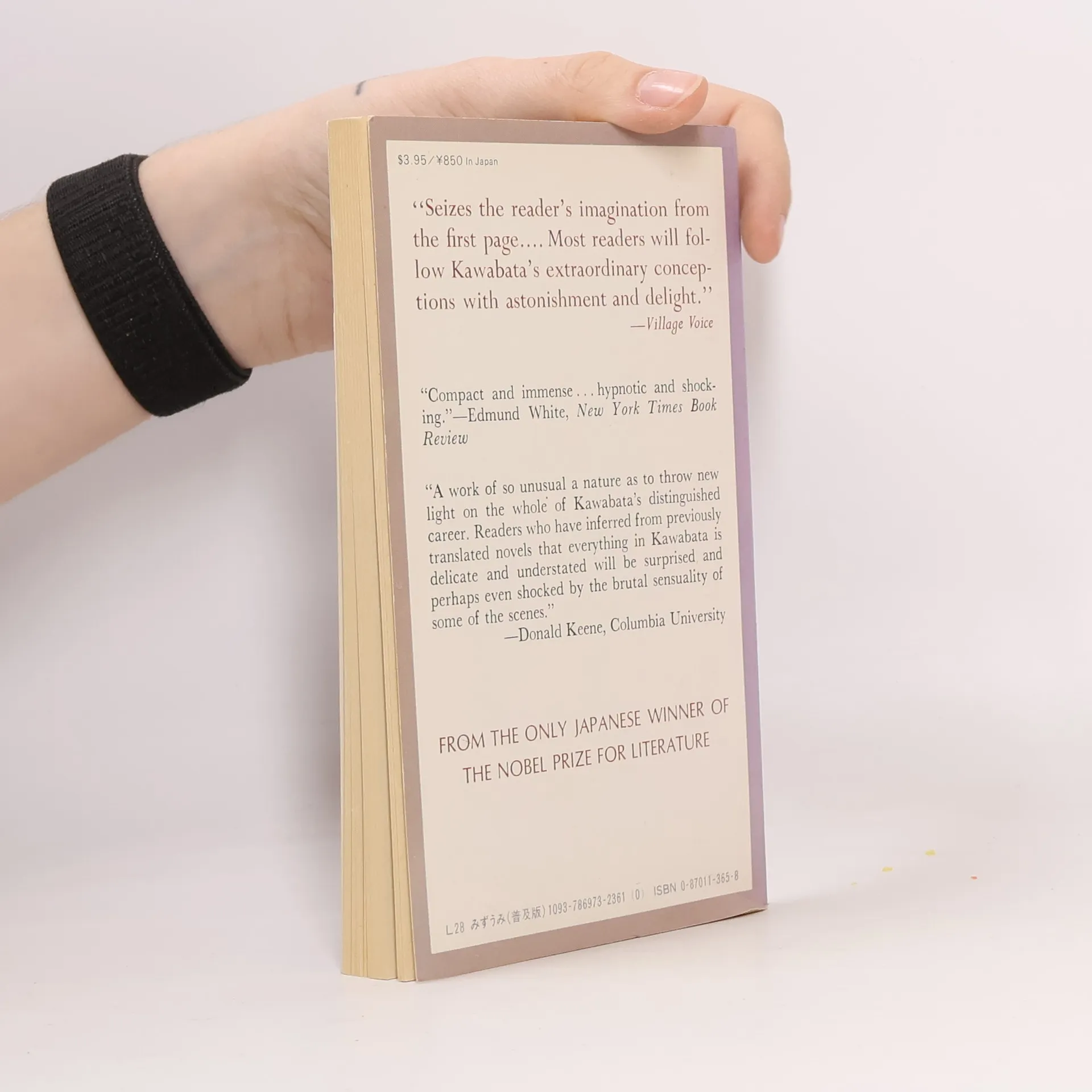
The Lake is the history of an obsession. It traces a man's sad pursuit of an unattainable perfection, a beauty out of reach, admired from a distance, unconsummated. Homeless, a fugitive from an ambiguous crime, his is an incurable longing that drives him to shadow nameless women in the street and hide in ditches as they pass above him, beautiful and aloof. For their beauty is not of this world, but of a dream--the voice of a girl he meets in a Turkish bath is "an angel's," the figures of two students he follows seem to "glide over the green grass that hid their knees." Reality is the durable ugliness that is his constant companion and is symbolized in the grotesque deformity of the hero's feet. And it is the irreconcilable nature of these worlds that explains the strangely dehumanized, shadowy quality of the eroticism that pervades this novel. In a sense The Lake is a formless novel, a "happening," making it one of the most modern of all Kawabata's works. Just as the hero's interest might be caught by some passing stranger, so the course of the novel swerves abruptly from present to past, memory shades into hallucination, dreams break suddenly into daylight. It is an extraordinary performance of free association, made all the more astonishing for the skill with which these fragments are resolved within the completed tapestry.


Zakup książki
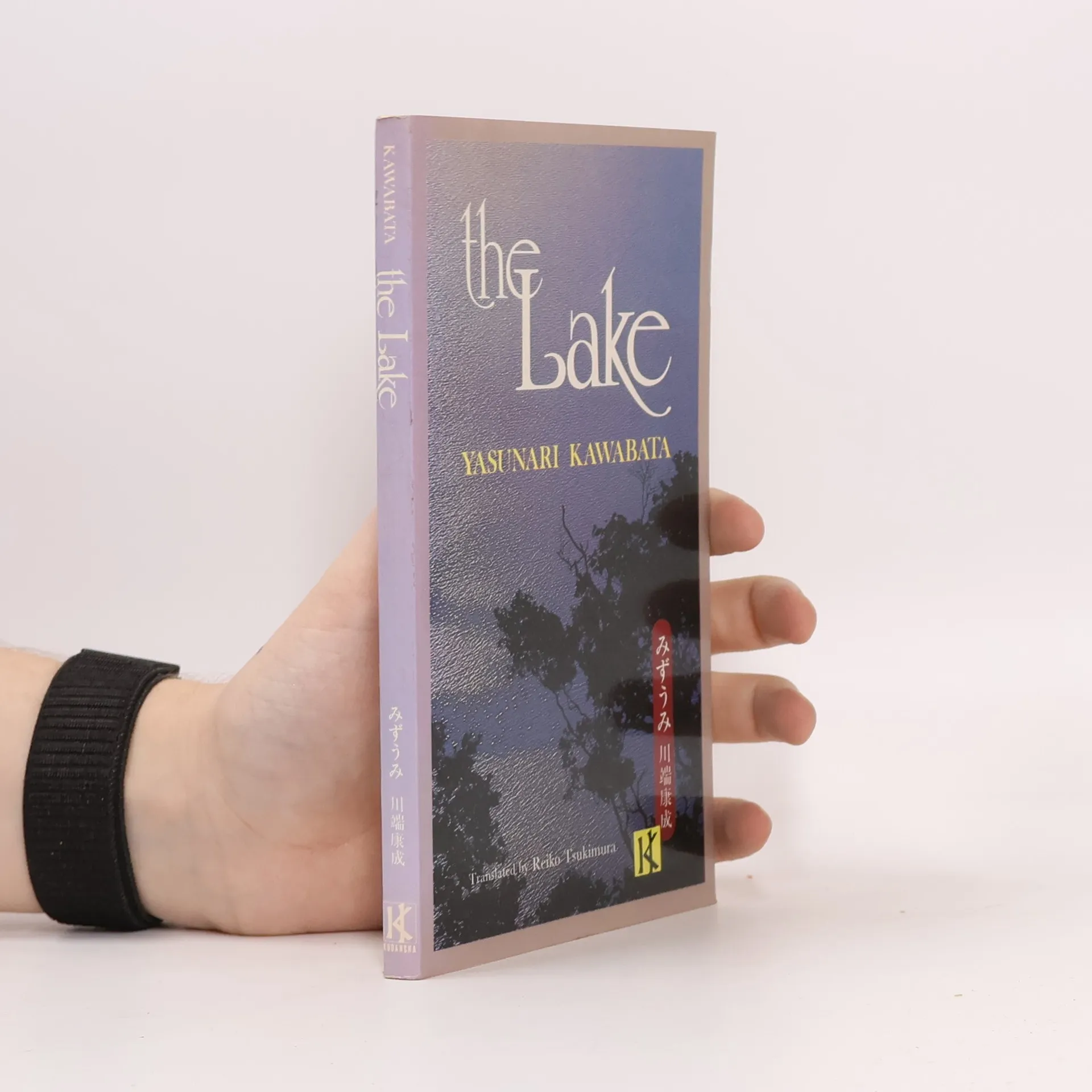
The Lake, Jasunari Kawabata, 川端康成, Reiko Tsukimura
- Język

- Rok wydania
- 1974
- Oprawa
- (miękka)
Metody płatności
Brakuje nam tutaj Twojej recenzji.
- Tytuł
- The Lake
- Język
- angielski
- Autorzy
- Jasunari Kawabata, 川端康成, Reiko Tsukimura
- Wydawca
- Kodansha
- Rok wydania
- 1974
- Oprawa
- miękka
- Liczba stron
- 160
- ISBN10
- 0870113658
- ISBN13
- 9780870113659
- Seria
- Ocena
- 3,7 z 5
- Opis
- The Lake is the history of an obsession. It traces a man's sad pursuit of an unattainable perfection, a beauty out of reach, admired from a distance, unconsummated. Homeless, a fugitive from an ambiguous crime, his is an incurable longing that drives him to shadow nameless women in the street and hide in ditches as they pass above him, beautiful and aloof. For their beauty is not of this world, but of a dream--the voice of a girl he meets in a Turkish bath is "an angel's," the figures of two students he follows seem to "glide over the green grass that hid their knees." Reality is the durable ugliness that is his constant companion and is symbolized in the grotesque deformity of the hero's feet. And it is the irreconcilable nature of these worlds that explains the strangely dehumanized, shadowy quality of the eroticism that pervades this novel. In a sense The Lake is a formless novel, a "happening," making it one of the most modern of all Kawabata's works. Just as the hero's interest might be caught by some passing stranger, so the course of the novel swerves abruptly from present to past, memory shades into hallucination, dreams break suddenly into daylight. It is an extraordinary performance of free association, made all the more astonishing for the skill with which these fragments are resolved within the completed tapestry.