
Bookbot

Jasunari Kawabata

    11 czerwca 1899 – 16 kwietnia 1972
    Jasunari Kawabata
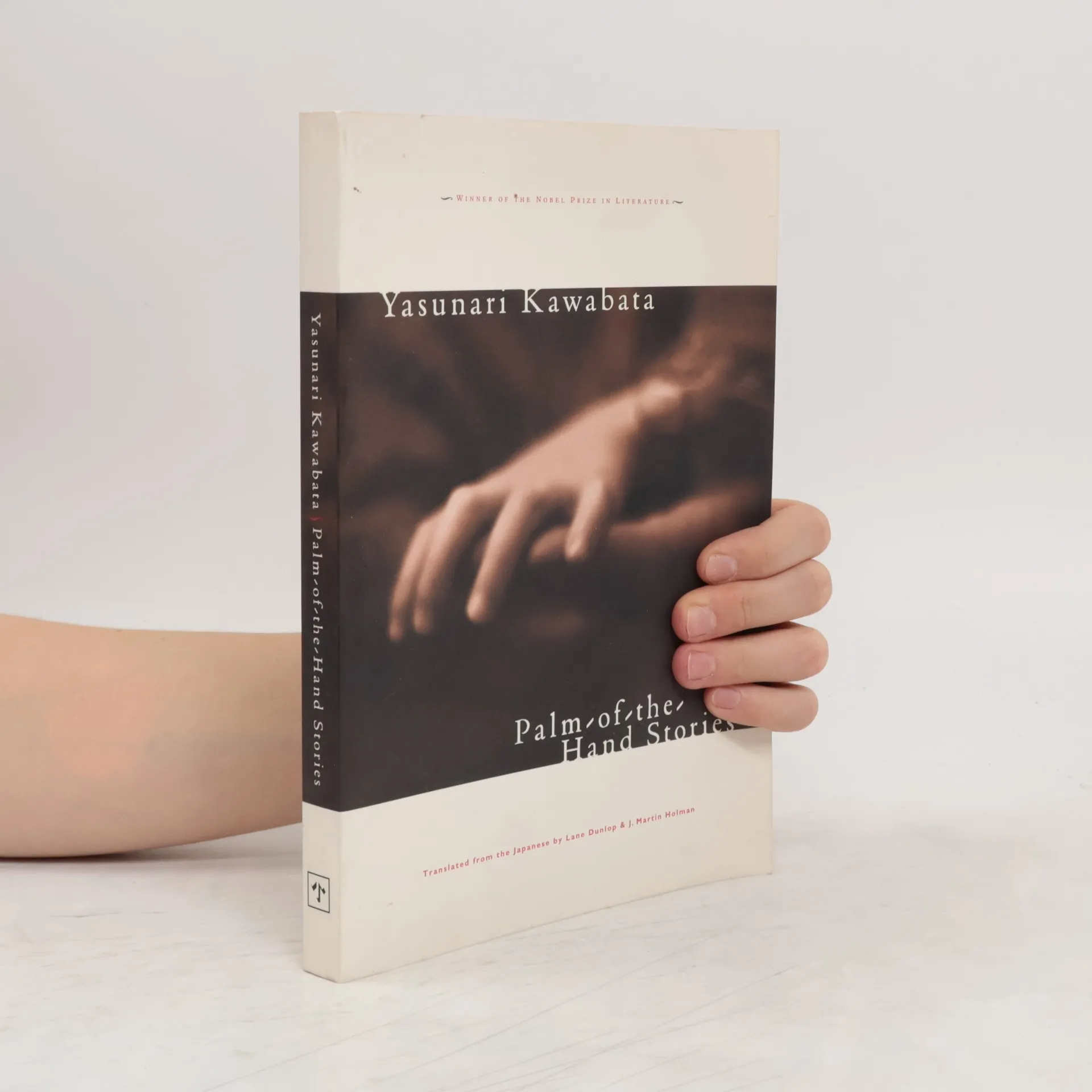
    Palm-of-the-Hand Stories
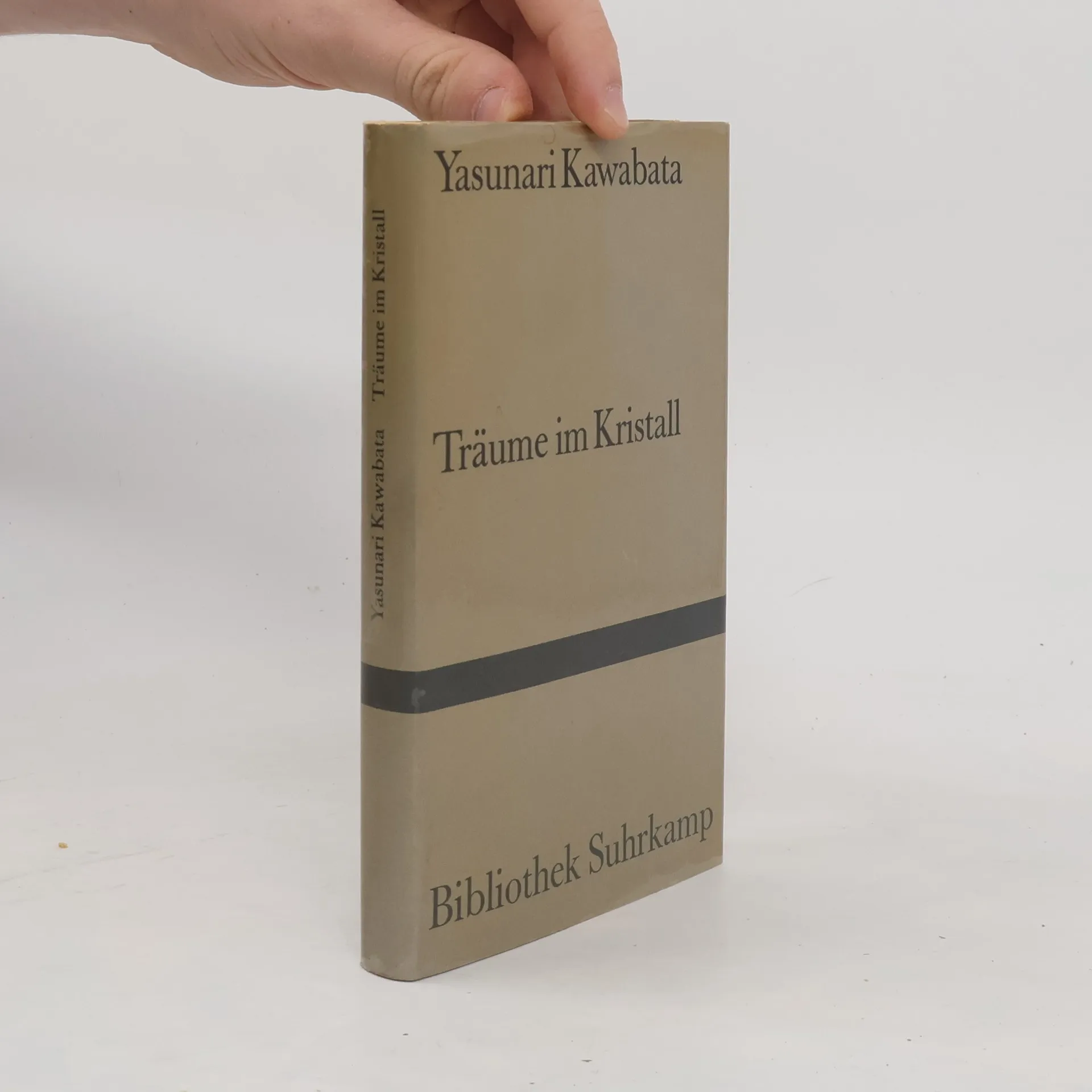
    Träume im Kristall. Erzählungen. Aus d. Japan. u. m. e. Nachw. v. Siegfried Schaarschmidt
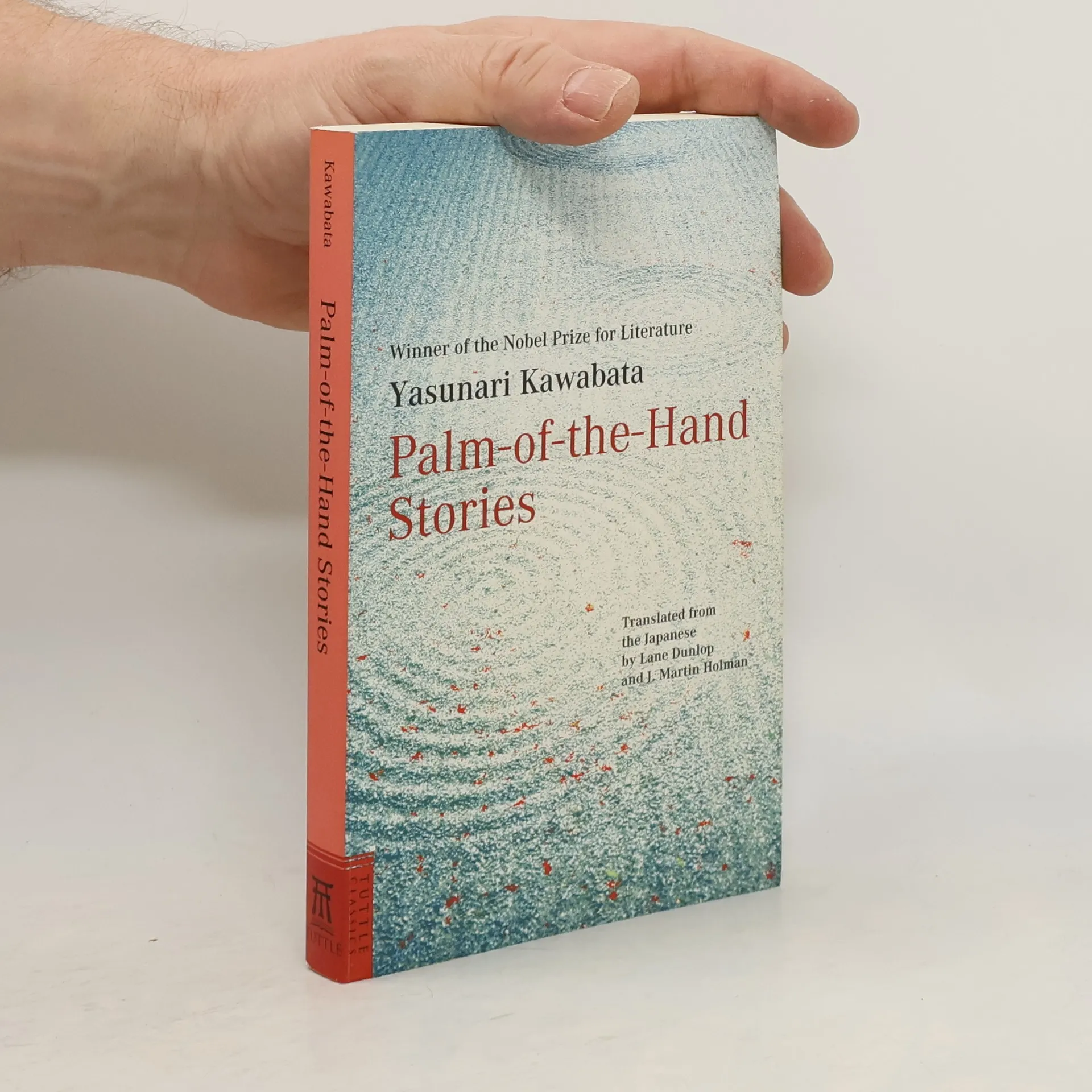
    Tuttle Classics: Palm of the Hand Stories - English Edition
    Meijin - mistrz go
    Piękno i smutek
    Głos góry
    • Głos góry

      • 304 strony
      • 11 godzin czytania

      Po niemal czterdziestu latach PIW wznawia (wydanie poprawione i z dodanym posłowiem tłumaczki) klasyczną powieść japońskiego noblisty Yasunariego Kawabaty Głos góry. Ta z pozoru prosta historia o starzejącym się mężczyźnie i jego rodzinie opisana pięknym, powolnym językiem jest dla Kawabaty przyczynkiem do refleksji nad przemijającymi czasami oraz nad elementami niesamowitymi lub nadprzyrodzonymi w ludzkim życiu. Tłumaczka, Ewa Szulc w posłowiu zwraca uwagę, że najistotniejszą rolę w Głosie góry pełni wyrafinowane piękno. I jest to piękno przyrody w jej różnorodności, piękno krajobrazów, piękno rzeczy i przedmiotów, piękno pracy rąk ludzkich, a w końcu piękno samego człowieka, zwłaszcza kobiet ubranych w tradycyjne japońskie kimono. Głos góry jest jedyną współczesną japońską powieścią, która znalazła się na liście najlepszych książek Norweskiego Klubu Książki.
      Głos góry
      3,9
    • Piękno i smutek

      • 220 stron
      • 8 godzin czytania

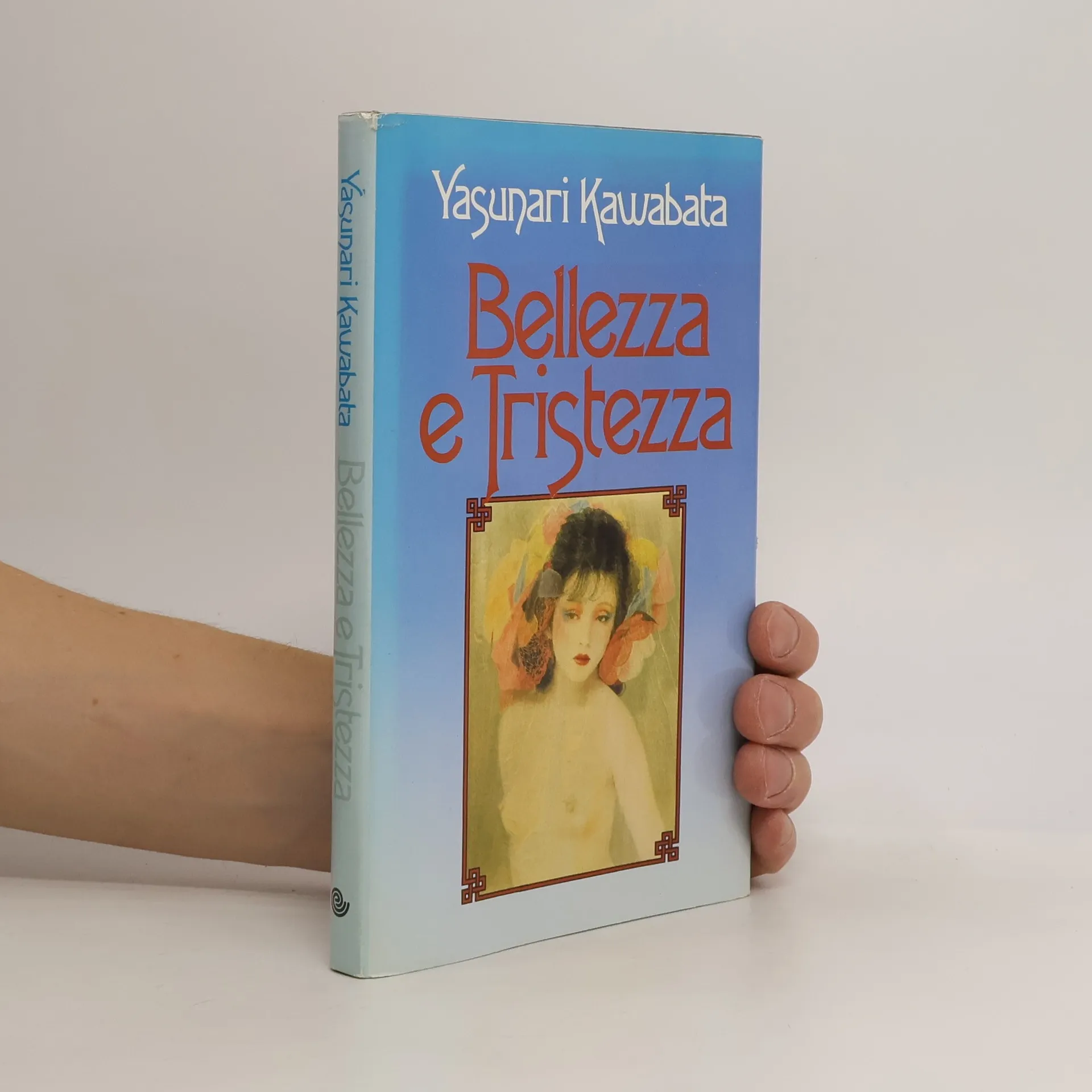
      Uznany pisarz ki pragnie spotkać się ze swoją dawną dziewczyną, którą przeszło dwadzieścia lat temu rozkochał w sobie i porzucił w tragicznych okolicznościach. Burzliwa historia ich miłości, młodego mężczyzny i nastolatki, stała się inspiracją do napisania jego najsłynniejszej powieści. Otoko otrząsnęła się z rozpaczy. Po wielu latach została rozpoznawalną malarką. Mieszka teraz ze swoją młodziutką uczennicą Keiko przy świątyni w Kioto, w historycznej i duchowej stolicy Japonii. Nigdy nie zapomniała o ki, ale jego zaskakujący powrót niepokoi ją oraz jej protegowaną, która chce pomścić dawną krzywdę ukochanej mentorki. Yasunari Kawabata w poruszającej powieści Piękno i smutek ukazuje, że piękno może być ulotne, a smutek nierzadko towarzyszy nawet najjaśniejszym chwilom, oba współistnieją i przenikają się nawzajem.

      Piękno i smutek
      3,9
    • Meijin - mistrz go

      • 176 stron
      • 7 godzin czytania

      Zwycięzca Nagrody Nobla, Yasunari Kawabata, w swojej świetlistej kronice meczu w japońską grę Go przedstawia zmagania mistrza z młodszym, nowoczesnym rywalem, co staje się emocjonalnym elegijnym hołdem dla całego społeczeństwa. Go to gra strategiczna, w której dwóch graczy stara się otoczyć czarne lub białe kamienie przeciwnika. Prosta w zasadach, nieskończenie złożona w wykonaniu, Go jest istotnym wyrazem japońskiego ducha. W fikcyjnej kronice meczu, który rozgrywa się między czczonym i dotąd niepokonanym Mistrzem a młodszym rywalem, Kawabata uchwycił moment, w którym niezmienne tradycje cesarskiej Japonii zderzają się z atakiem XX wieku. Rywalizacja między Mistrzem Go a jego przeciwnikiem, Otaké, toczy się przez kilka miesięcy, przepełniona ceremonią. Jednak pod pozorami gry kryją się napięcia, które pochłaniają nie tylko samych graczy, ale także ich rodziny i służbę — napięcia, które sprawiają, że ta konkretna rywalizacja staje się pojedynkiem, który może zakończyć się tylko śmiercią.

      Meijin - mistrz go
      3,9
    • In 1930, Yasunari published this second collection of very short stories (which he himself defined as "in the palm of the hand") four years after "Suggestions and Artifices." The author gathers his narrative material "almost without needing to live," simply noting what moves around him, with a detached gaze that is also seduced by the flow of life, a gaze that does not violate but gives images: the gaze of poetry. Everyday life and the life of the universe are fragmented, event by event, emotion by emotion, using tools that, following ancient Japanese paths, reach the most current narrative trends.

      Tuttle Classics: Palm of the Hand Stories - English Edition
      3,7
    • Palm-of-the-Hand Stories

      • 240 stron
      • 9 godzin czytania

      Winner of the Nobel Prize in Literature in 1968, Yasunari Kawabata is perhaps best known in the United States for his deeply incisive, marvelously lyrical novel "Snow Country," But according to Kawabata himself, the essence of his art was to be found in a series of short stories-which he called "Palm-of-the-Hand Stories"-written over the entire span of his career. He began experimenting with the form in 1923 and returned to it often. In fact, his final work was a "palm-sized" reduction of "Snow Country," written not long before his suicide in 1972. Dreamlike, intensely atmospheric, at times autobiographical and at others fantastical, these stories reflect Kawabata's abiding interest in the miniature, the wisp of plot reduced to the essential. In them we find loneliness, love, the passage of time, and death. "Palm-of-the-Hand Stories" captures the astonishing range and complexity of one of the century's greatest literary talents.

      Palm-of-the-Hand Stories
      4,1
    • First Snow on Fuji

      • 246 stron
      • 9 godzin czytania

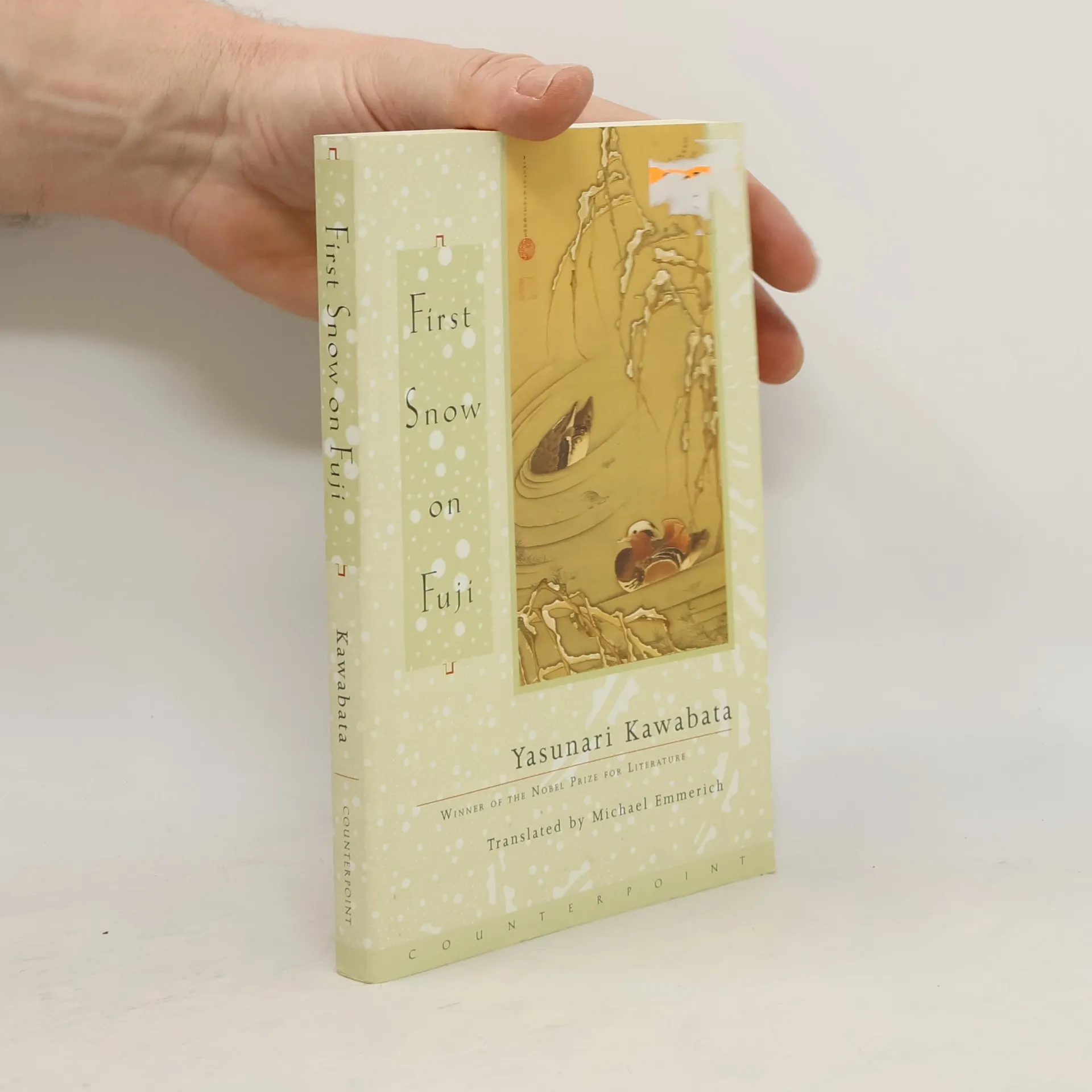
      Exploring the complexities of love and identity, this collection features nine poignant stories and a brief play by Japan's first Nobel laureate. Kawabata's clear narrative style reveals the struggles of suburban lovers who grapple with self-knowledge and emotional connection. Noteworthy tales include "Silence," a Kafkaesque reflection on an elderly novelist's isolation, and the title story, where a separated couple confronts their lost past. This beautifully spare work delves into themes of art, loss, and the passage of time, showcasing Kawabata's mastery.

      First Snow on Fuji
      3,9
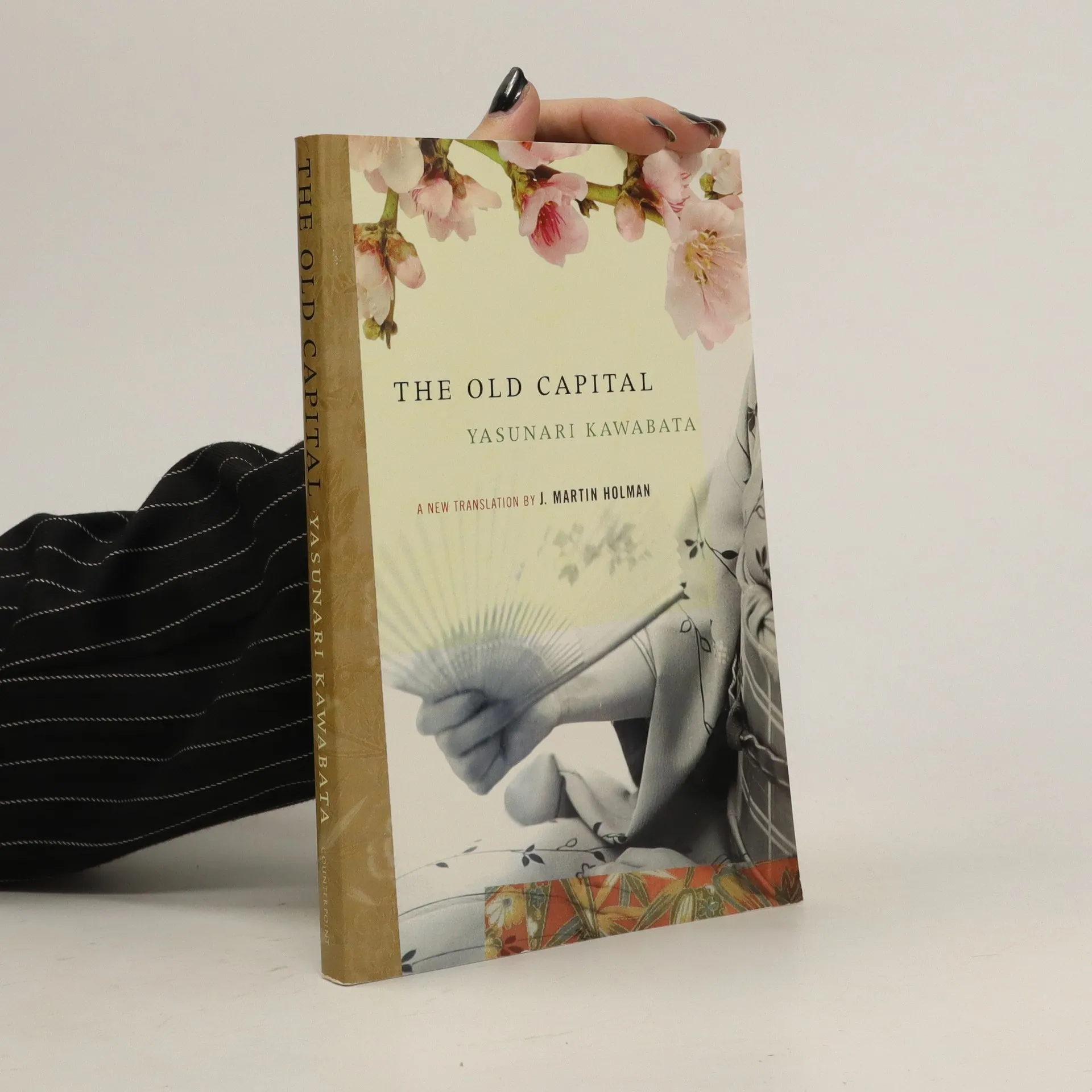
    • The Old Capital

      • 160 stron
      • 6 godzin czytania

      The Old Capital is one of the three novels cited specifically by the Nobel Committee when they awarded Kawabata the Nobel Prize for Literature in 1968. With the ethereal tone and aesthetic styling characteristic of Kawabata's prose, The Old Capital tells the story of Chieko, the adopted daughter of a Kyoto kimono designer, Takichiro, and his wife, Shige.Set in the traditional city of Kyoto, Japan, this deeply poetic story revolves around Chieko who becomes bewildered and troubled as she discovers the true facets of her past. With the harmony and time-honored customs of a Japanese backdrop, the story becomes poignant as Chieko’s longing and confusion develops.

      The Old Capital
      3,9
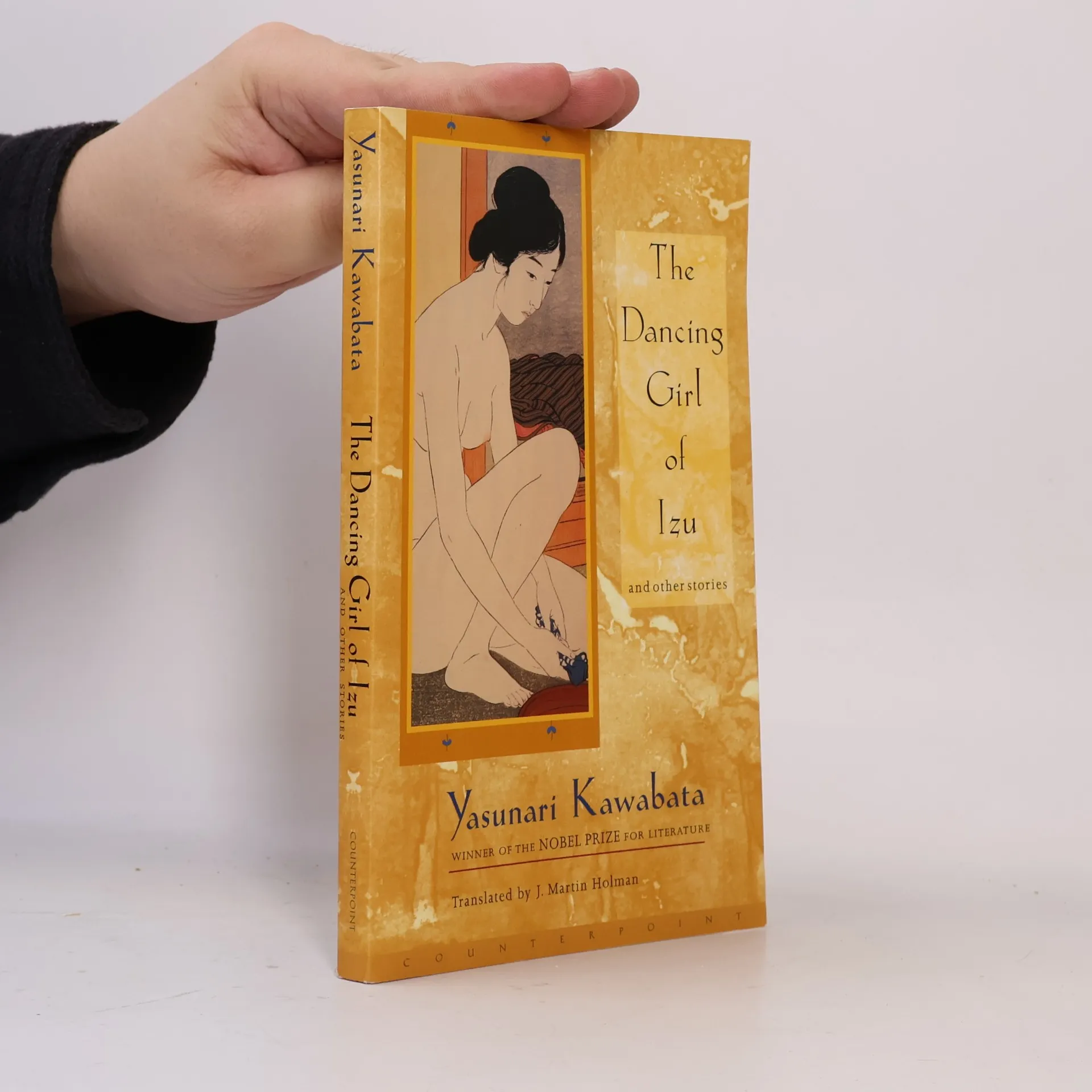
    • Exploring the depths of human emotion, this newly translated collection features twenty-three stories from Yasunari Kawabata, a pivotal figure in modern Japanese literature. His "palm-of-the-hand" stories showcase a unique blend of poetic devices and vivid imagery, revealing the profound feelings beneath everyday life. Written between 1923 and 1929, these narratives draw on autobiographical themes and reflect the author's early life struggles with loss and melancholy, highlighting his remarkable perception and innovative storytelling style.

      The Dancing Girl of Izu and Other Stories
      3,9
    • Nobel prize-winning author Yasunari Kawabata is noted for his combination of a traditional Japanese aesthetic with modernist, often surreal trends. In these three tales, superbly translated by Edward Seidensticker, erotic fantasy is underlaid with longing and memories of past loves.In the title story, the protagonist visits a brothel where elderly men spend a chaste but lecherous night with a drugged, unconscious virgin. As he admires the girl's beauty, he recalls his past womanizing, and reflects on the relentless course of old age. In One Arm, a young girl removes her right arm and gives it to the narrator to take home for the night; a surreal seduction follows as he tries to allay its fears, caresses it, and even replaces his own right arm with it.The protagonist of Of Birds and Beasts prefers the company of his pet birds and dogs to people, yet for him all living beings are beautiful objects which, though they give him pleasure, he treats with casual cruelty.Beautiful yet chilling, richly poetic yet subtly disturbing, these stories make compelling reading and reaffirm Kawabata s status as a world-class writer.

      House of the Sleeping Beauties and Other Stories
      3,8
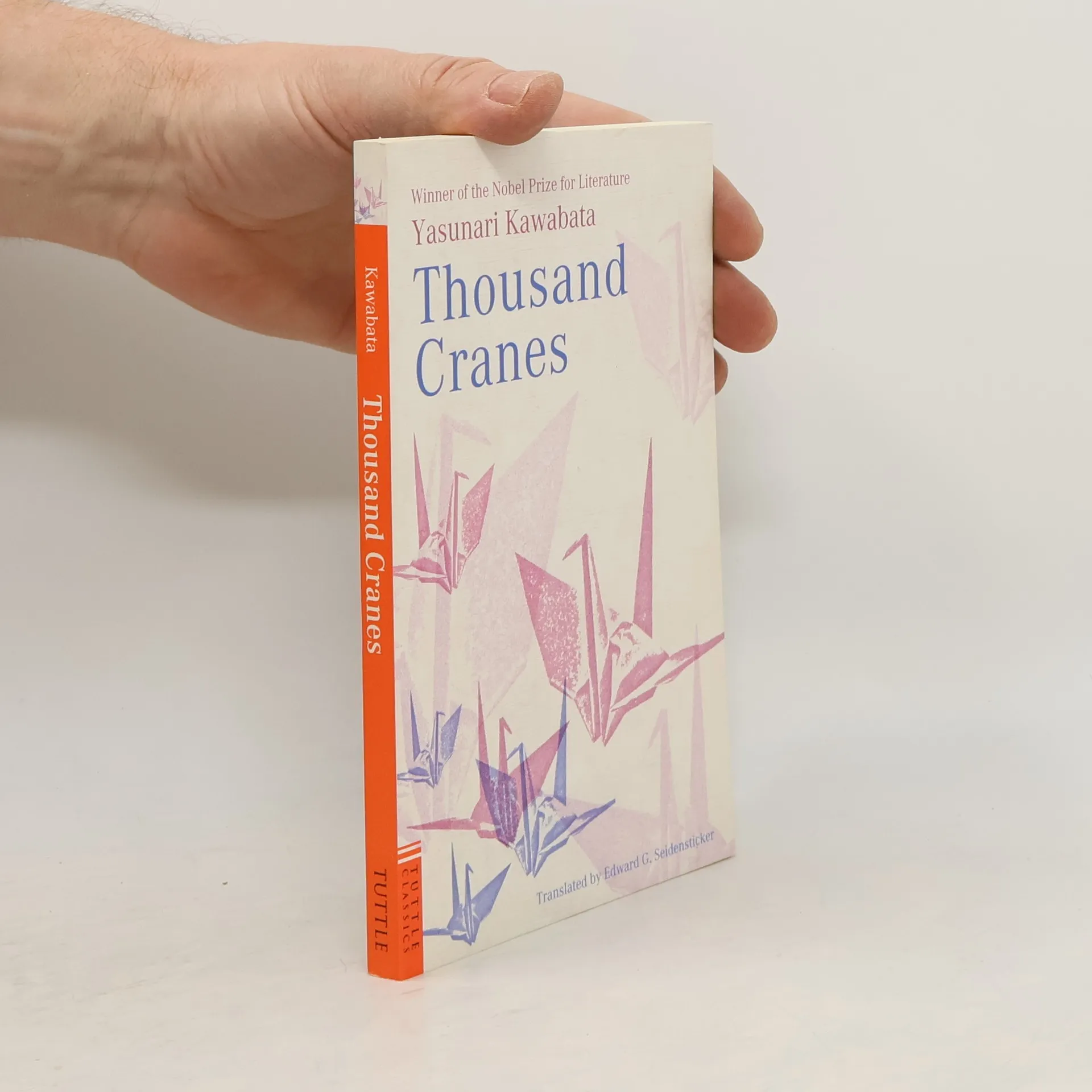
    • 千羽鶴(英文版) - Thousand Cranes

      • 147 stron
      • 6 godzin czytania

      Thousand Cranes is a story of love given and love withheld. Set against the backdrop of Japan's traditional tea ceremony, it is a taut, highly dramatic novel gleaming with sudden passages of poetic beauty. In one of the book's strongest scenes, the two characters are symbolized by the two fine old China bowls, one female and one male, that sit before them. The novel opens with Kikuji on his way to a tea ceremony given by Chikako, one of his father's former mistresses. He is also on his way to act out the unfinished drama of his father's life. Kikuji's father had been a cultivated man, an art lover and a pleasure seeker. He had cast off one mistress, Chikako, but had loved another, Mrs Ota, until his death. Kikuji, like his father, tries to escape from Chikako, now masculine and meddlesome. Like his father, too, he is drawn to Mrs Ota, who has remained young, alluring and pliant even though her daughter, Fumiko, is only twenty years old. Kikuji's guilty passion for Mrs Ota and Fumiko's efforts to alter the family fate lead to the novel's stunning climax.

      千羽鶴(英文版) - Thousand Cranes
      3,8
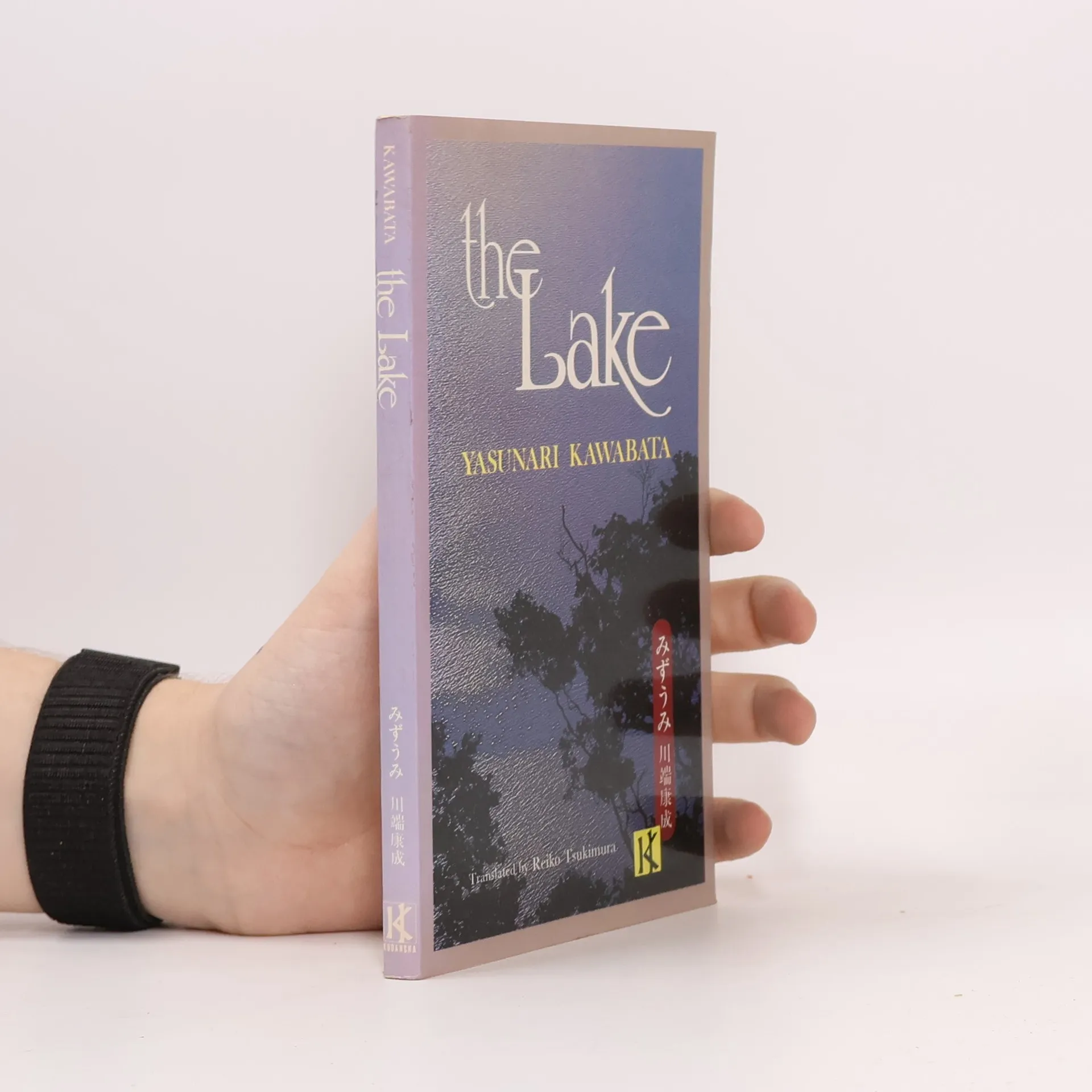
    • The Lake

      • 160 stron
      • 6 godzin czytania

      The Lake is the history of an obsession. It traces a man's sad pursuit of an unattainable perfection, a beauty out of reach, admired from a distance, unconsummated. Homeless, a fugitive from an ambiguous crime, his is an incurable longing that drives him to shadow nameless women in the street and hide in ditches as they pass above him, beautiful and aloof. For their beauty is not of this world, but of a dream--the voice of a girl he meets in a Turkish bath is "an angel's," the figures of two students he follows seem to "glide over the green grass that hid their knees." Reality is the durable ugliness that is his constant companion and is symbolized in the grotesque deformity of the hero's feet. And it is the irreconcilable nature of these worlds that explains the strangely dehumanized, shadowy quality of the eroticism that pervades this novel. In a sense The Lake is a formless novel, a "happening," making it one of the most modern of all Kawabata's works. Just as the hero's interest might be caught by some passing stranger, so the course of the novel swerves abruptly from present to past, memory shades into hallucination, dreams break suddenly into daylight. It is an extraordinary performance of free association, made all the more astonishing for the skill with which these fragments are resolved within the completed tapestry.

      The Lake
      3,7
    • Snow Country

      • 121 stron
      • 5 godzin czytania

      Shimamura is tired of the bustling city. He takes the train through the snow to the mountains of the west coast of Japan to meet with a geisha he believes he loves. Beautiful and innocent, Komako is tightly bound by the rules of a rural geisha and lives a life of servitude and seclusion that is alien to Shimamura – their love offers no freedom to either of them. Snow Country is both delicate and subtle, reflecting in Kawabata's exact, lyrical writing the unspoken love and the understated passion of the young Japanese couple.

      Snow Country
      3,7
    • Available in English for the very first time, a powerful, poignant novel about three half sisters in post-war Japan, from the Nobel Prize-winning author of Snow Country. With the Second World War only a few years in the past, and Japan still reeling from its effects, two sisters—born to the same father but different mothers—struggle to make sense of the new world in which they are coming of age. Asako, the younger, has become obsessed with locating a third sibling, while also experiencing love for the first time. While Momoko, their father’s first child—haunted by the loss of her kamikaze boyfriend and their final, disturbing days together—seeks comfort in a series of unhealthy romances. And both sisters find themselves unable to outrun the legacies of their late mothers. A thoughtful, probing novel about the enduring traumas of war, the unbreakable bonds of family, and the inescapability of the past, The Rainbow is a searing, melancholy work from one of Japan’s greatest writers. A VINTAGE ORIGINAL.

      The Rainbow
      3,5
    • Dandelions

      • 144 strony
      • 6 godzin czytania

      The exquisite last novel from Nobel Prize-winning author Yasunari Kawabata Ineko has lost the ability to see things. At first it was a ping-pong ball, then it was her fiancé. The doctors call it 'body blindness', and she is placed in a psychiatric clinic to recover. As Ineko's mother and fiancé walk along the riverbank after visiting time, they wonder: is her condition a form of madness - or an expression of love? Exploring the distance between us, and what we say without words, Kawabata's transcendent final novel is the last word from a master of Japanese literature. 'Lusciously peculiar' Paris Review

      Dandelions
      3,4
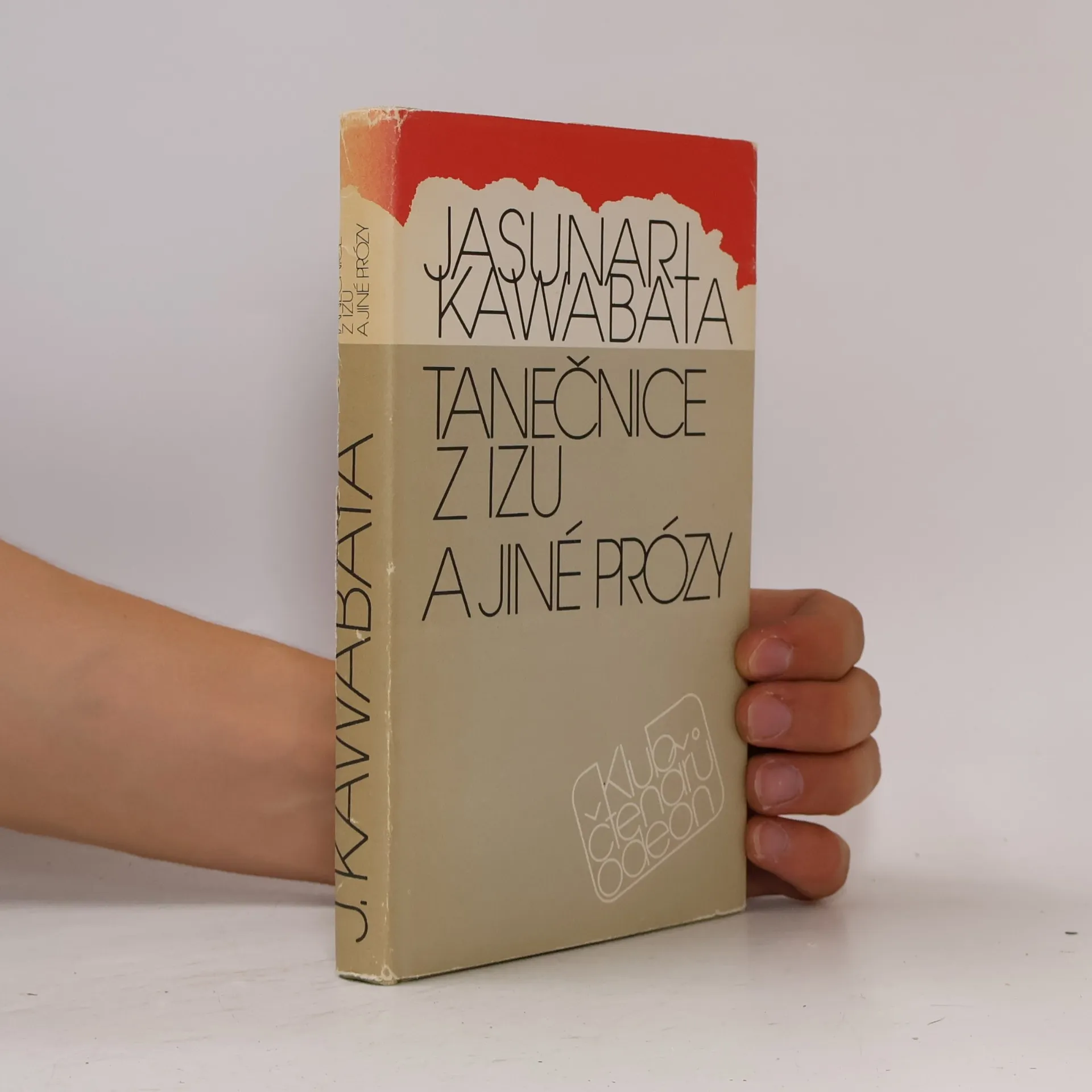
    • Souborné vydání Kawabatových próz: Tanečnice z Izu, Sněhová země (přel. V. Hilská), Meidžin, Deník šestnáctiletého, Povídky na dlaň (Letní střevíčky, Díky, Modlitba panen, Případ mrtvé tváře), Hiroko odchází, Město Jumiura (přel. M. Novák) a Odraz měsíce na vodě. Z japonských originálů vybrala a přeložila Vlasta Winkelhöferová.

      Tanečnice z Izu a jiné prózy
      4,5
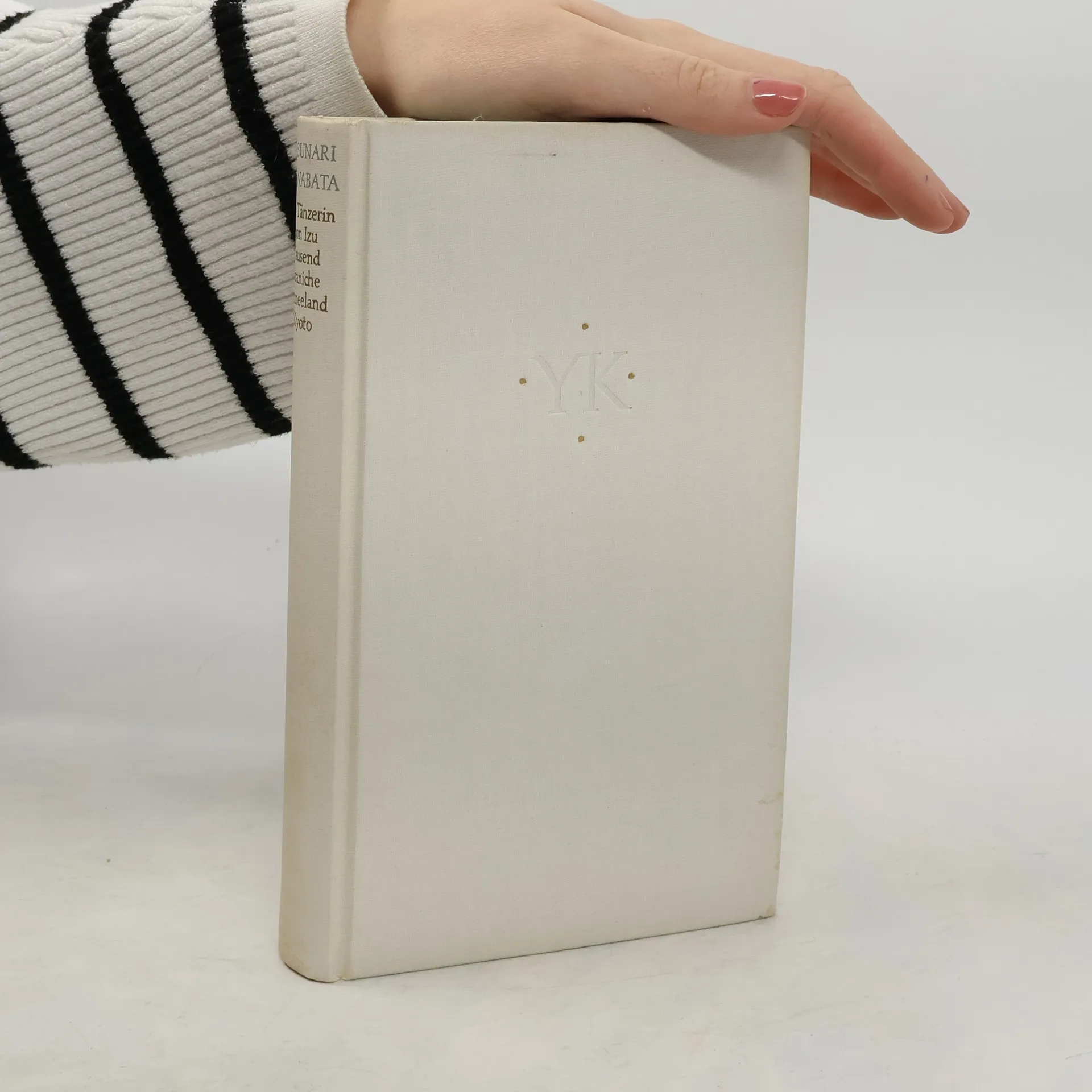
    • Poëtische Novelle über einen Studenten, der die Tänzerin eines reisenden Theaterensembles begehrt.

      Die Tänzerin von Izu
      4,0
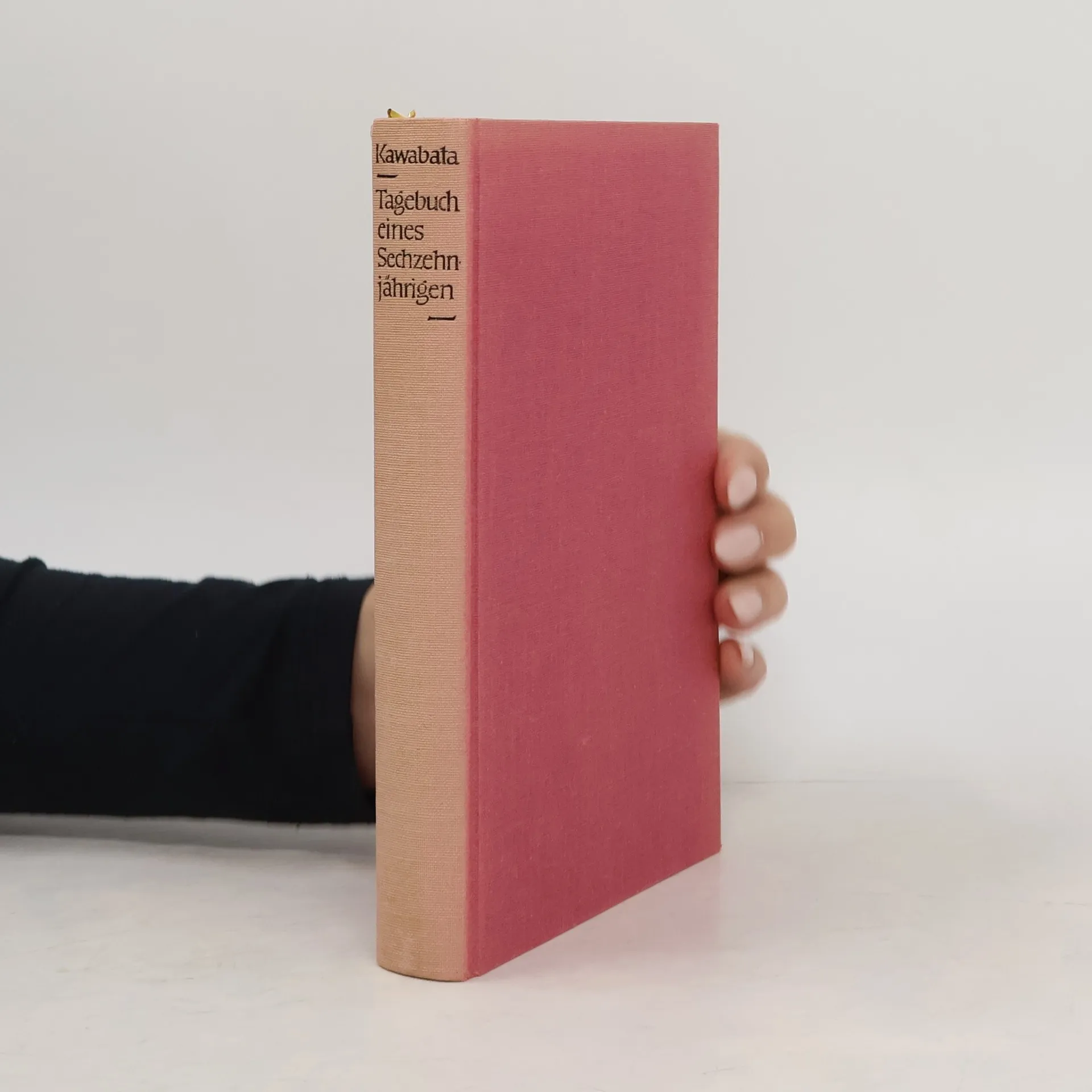
    • Sammlung von Erzählungen von Yasunari Kawabata (1899-1972), Nobelpreisträger für Literatur 1968. Inhalt Tagebuch eines Jungen Seine zweite Ehe Die Tänzerinnen Die Geschichte des Strohhuts Vor dem Winter

      Tagebuch eines Sechzehnjährigen
      3,0
    • Der Blinde und das Mädchen

      Neue Handtellergeschichten

      Handtellergeschichten sind kurze, witzige und expressionistische Erzählungen von Yasunari Kawabata, die alltägliche Begebenheiten und Traumbilder enthalten. Sie eröffnen den Horizont auf ein ganzes Leben und sind das Herzstück seines Schaffens. Kawabata ist ein bekannter japanischer Schriftsteller und Nobelpreisträger.

      Der Blinde und das Mädchen
      3,0
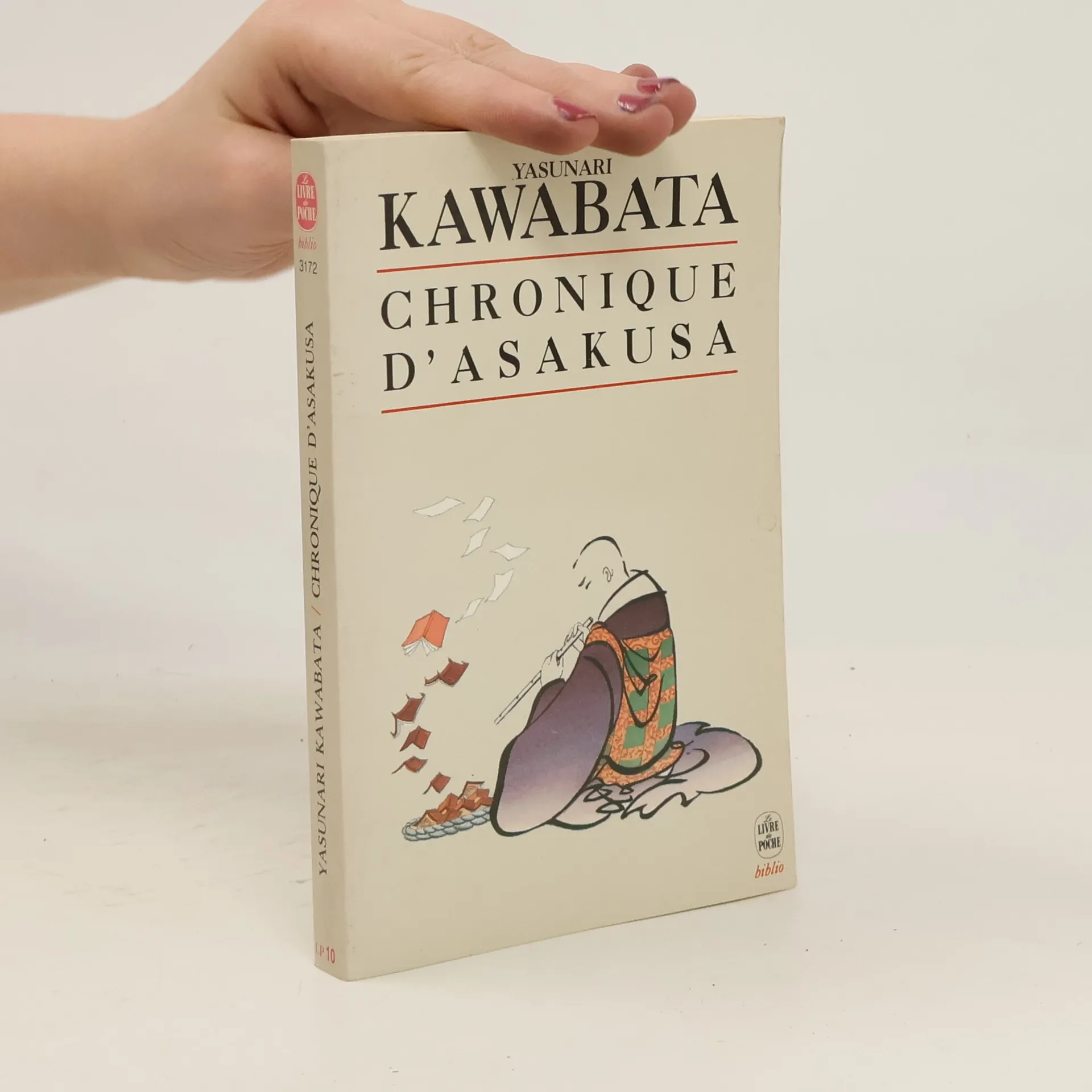
    • Biblio - 3172: Chronique d'Asakusa

      • 224 strony
      • 8 godzin czytania

      Leurs yeux se cherchA]rent et au moment oA leurs regards allaient se fondre, les bras de l'homme l'attirA]rent vers lui et il posa son visage sur la jeune femme. - ImbA(c)cile ! dit Yumiko en repoussant la bouche de l'homme de la paume de sa main droite. Les dents n'A(c)taient-elles pas teintA(c)es par le poison des pilules que Yumiko lui avait enfoncA(c)es dans la bouche ? Elles avaient fondu en libA(c)rant le liquide. - DA(c)cidA(c)ment, tu n'es qu'un imbA(c)cile ! Akagi blAamit soudain et s'effondra. Yasunari Kawabata.Chronique d'Asakusa, ou la banale histoire de Yumiko, une jeune femme qui voulait croire aux merveilles de l'amour dans le Tokyo des annA(c)es 30. Texte intA(c)gral

      Biblio - 3172: Chronique d'Asakusa
      2,8
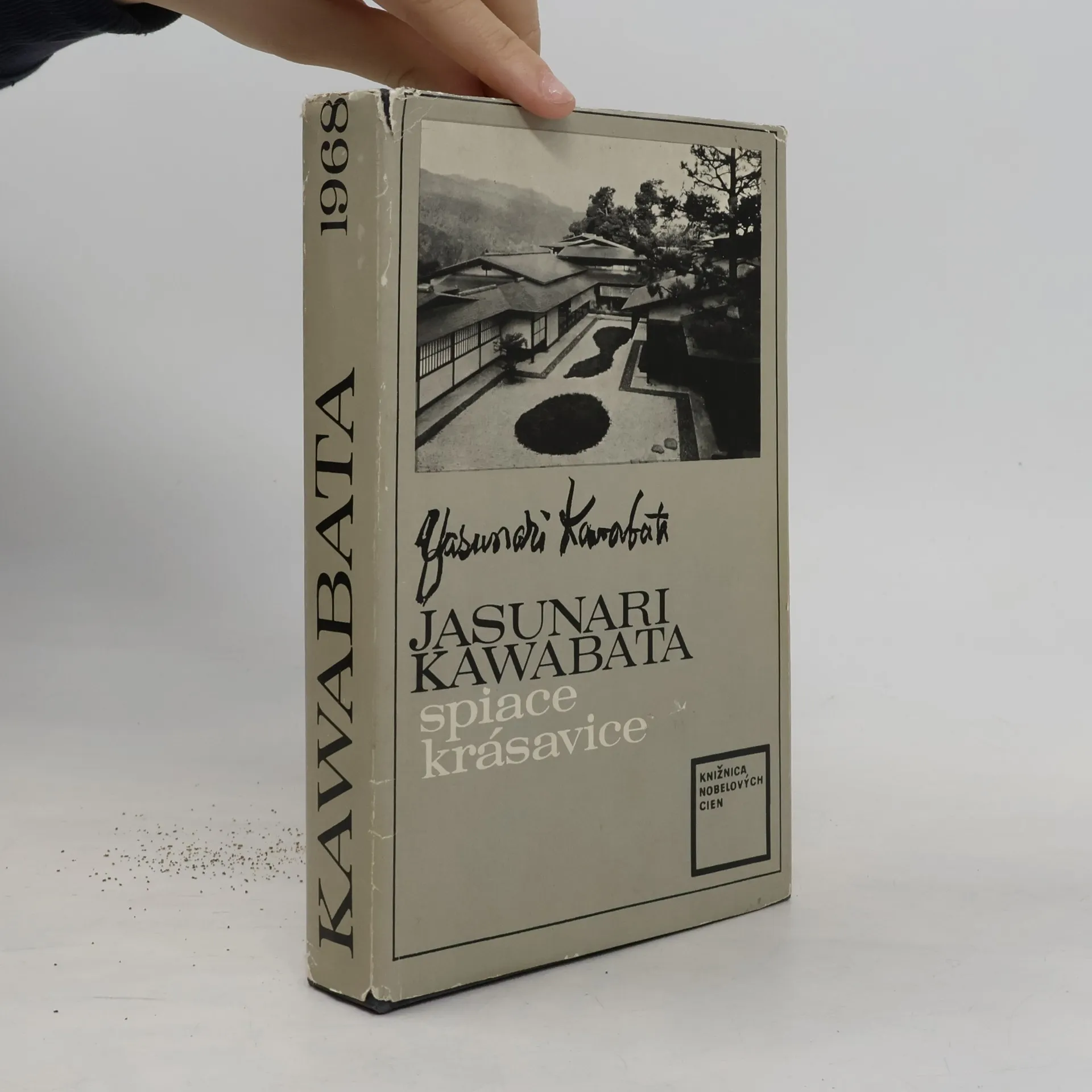
    • 4 japonské novely – Snežná krajina, Tisíc žeriavov, Hlas hory, Spiace krásavice. Príroda, pôvab ženy, kult čajového obradu, melancholické návraty do minulosti a snov, životný pocit presiaknutý úvahami o smrti a o jej prekonávaní, o krehkosti ľudských vzťahov – to je okruh tém, ktoréspájajú Kawabatove novely.

      Spiace krásavice
    • Lange Nachten

      15 Hartstochtelijke verhalen uit de wereldliteratuur

      Lange Nachten