


Więcej o książce
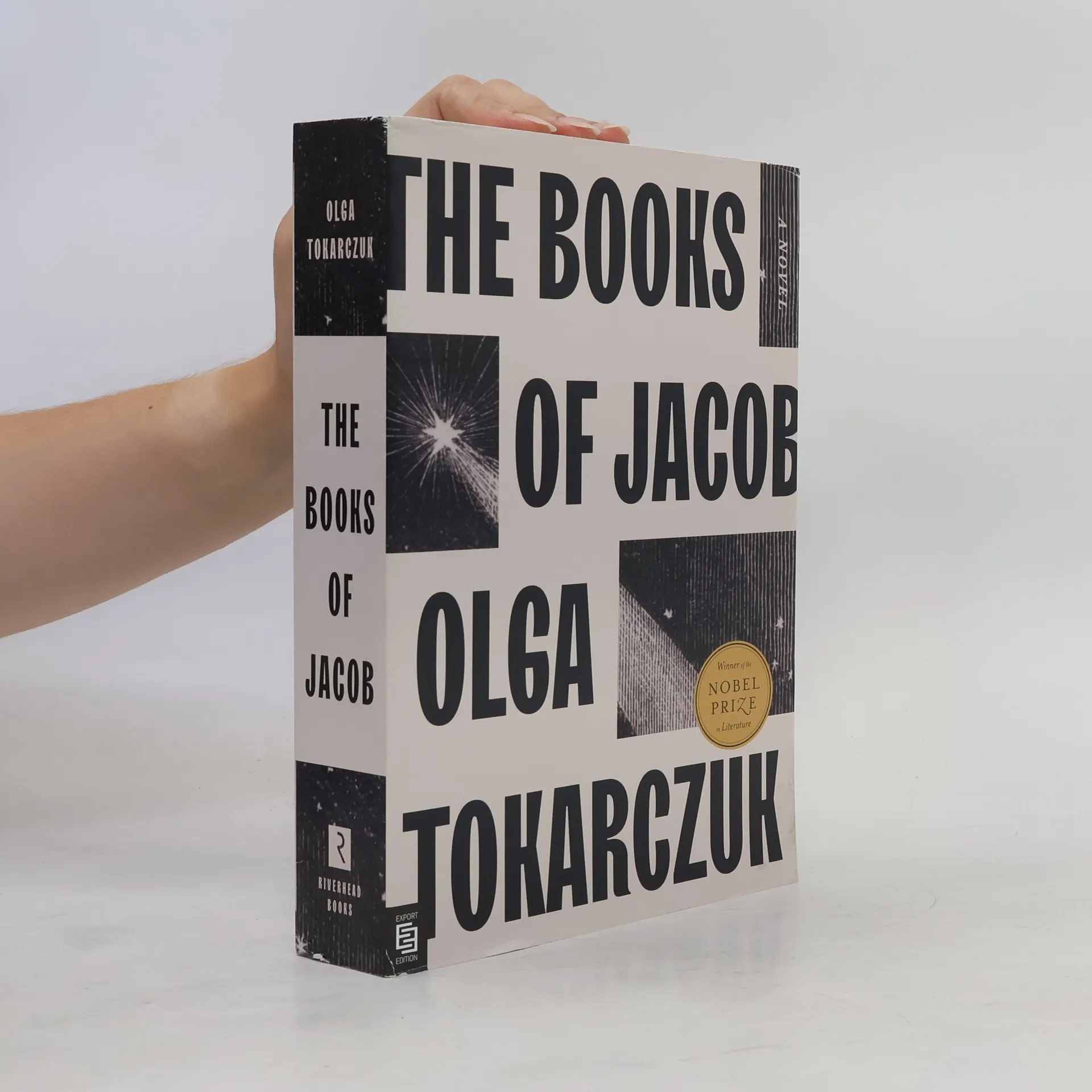
The Nobel Prize-winner's most ambitious novel yet chronicles the meteoric rise and fall of a mysterious, messianic religious leader in eighteenth-century Europe. In the mid-1700s, as new ideas and unrest sweep across the Continent, a young Jew of enigmatic origins arrives in a Polish village. He soon transforms his identity and persona; Jacob Frank, experiencing what appear to be ecstatic visions, captivates an increasingly fervent following. Over the next decade, he journeys through the Hapsburg and Ottoman empires, constantly reinventing himself—converting to Islam, then Catholicism—while being both vilified as a heretic and revered as the Messiah. His presence disrupts the established order of both Jewish and Christian communities, fueled by scandalous rumors of secret rituals and his radical beliefs. The narrative, centered on the real historical figure of Frank, is enriched by the perspectives of those around him—his admirers, detractors, a betraying friend, and a woman who sees through his facade. This tale captures a world on the brink of transformation, grappling with uncertainty and yearning for transcendence.





Zakup książki
Books of Jacob, Olga Tokarczuk
- Język

- Rok wydania
- 2021
- Oprawa
- (miękka)
Metody płatności
Brakuje nam tutaj Twojej recenzji.
- Tytuł
- Books of Jacob
- Język
- angielski
- Autorzy
- Olga Tokarczuk
- Wydawca
- Penguin Publishing Group
- Rok wydania
- 2021
- Oprawa
- miękka
- ISBN10
- 0593332520
- ISBN13
- 9780593332528
- Seria
- Pierwsze wydanie
- 2014
- Oryginalna nazwa
- Księgi Jakubowe
- Ocena
- 4,15 z 5
- Opis
- The Nobel Prize-winner's most ambitious novel yet chronicles the meteoric rise and fall of a mysterious, messianic religious leader in eighteenth-century Europe. In the mid-1700s, as new ideas and unrest sweep across the Continent, a young Jew of enigmatic origins arrives in a Polish village. He soon transforms his identity and persona; Jacob Frank, experiencing what appear to be ecstatic visions, captivates an increasingly fervent following. Over the next decade, he journeys through the Hapsburg and Ottoman empires, constantly reinventing himself—converting to Islam, then Catholicism—while being both vilified as a heretic and revered as the Messiah. His presence disrupts the established order of both Jewish and Christian communities, fueled by scandalous rumors of secret rituals and his radical beliefs. The narrative, centered on the real historical figure of Frank, is enriched by the perspectives of those around him—his admirers, detractors, a betraying friend, and a woman who sees through his facade. This tale captures a world on the brink of transformation, grappling with uncertainty and yearning for transcendence.