


Więcej o książce
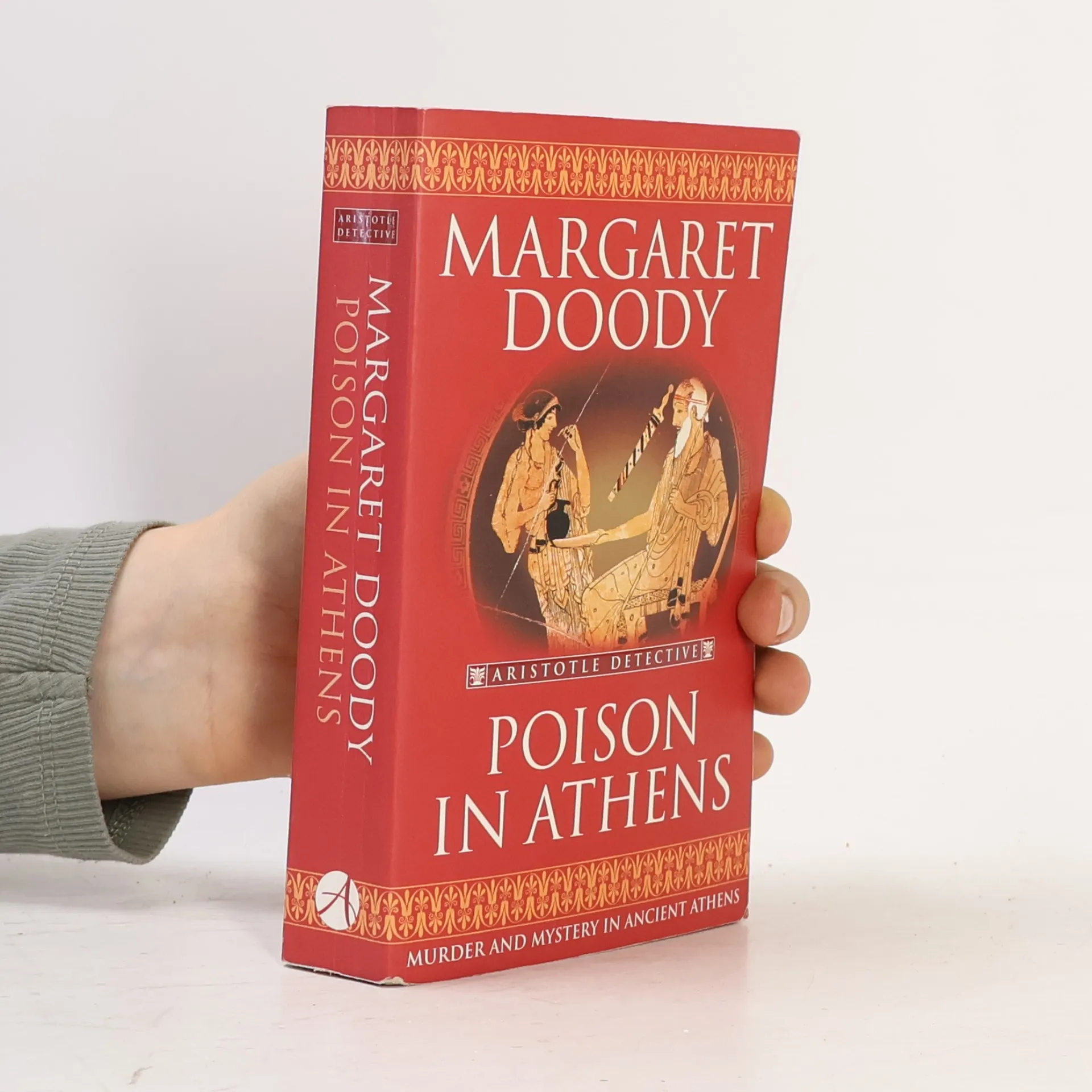
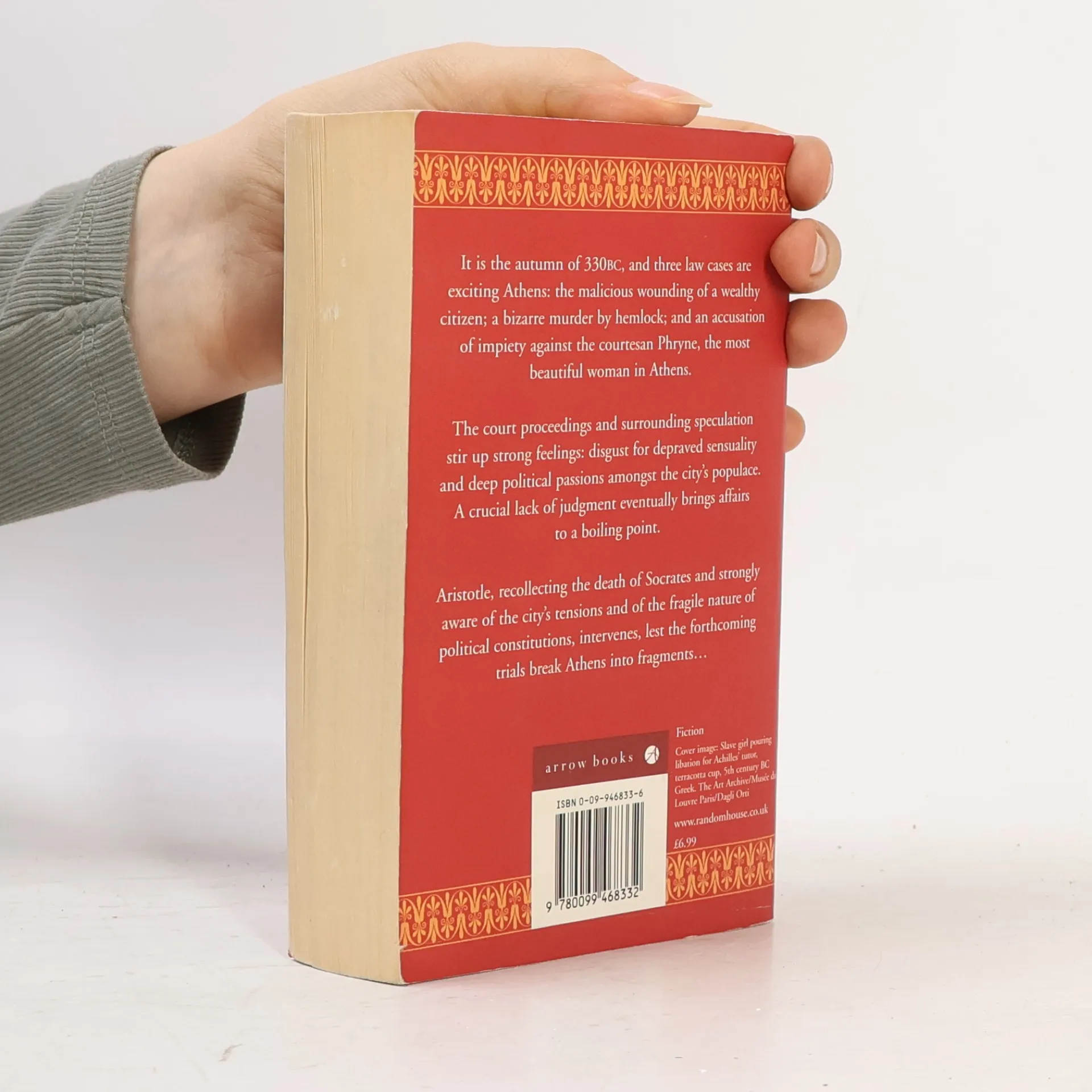
It is the autumn of 330 BC, and three law cases are exciting Athens. Ergokles' case against the wealthy Orthoboulos for malicious wounding seems to come out well for the dignified man, but shortly afterwards he is found dead of poison, evidently hemlock. His second wife is accused of the crime, and her trial for poisoning sets Athens at odds, as sympathies divide. Her stepson is her greatest enemy, and seems sure that she has done the deed, but there are other candidates. Meanwhile, the most beautiful woman in Athens, Phryne, is accused of impiety, a charge that can carry the death penalty. Stephanos, in treating himself to brother visits as she tries to recover not only from his wound but from having killed a man, gets close to danger, and his position as a witness could damage his prospects of marriage. Misogyny, political wrath, and lack of judgment bring affairs to a boiling point, stimulating Aristotle to intervene lest the trial of the stepmother break Athens into fragments. He endeavours to solve the mystery with the help of Stephanos, and also with his assistant Theophrastos, who has made a special study of plant and thus of poisons-

Zakup książki
Poison in Athens, Margaret Anne Doody
- Język

- Rok wydania
- 2004
- Oprawa
- (miękka),
- Stan książki
- Dobry
- Cena
- 15,86 zł
Metody płatności
Brakuje nam tutaj Twojej recenzji.
- Tytuł
- Poison in Athens
- Język
- angielski
- Autorzy
- Margaret Anne Doody
- Wydawca
- Arrow
- Rok wydania
- 2004
- Oprawa
- miękka
- Liczba stron
- 320
- ISBN10
- 0099468336
- ISBN13
- 9780099468332
- Seria
- Kategorie
- Ocena
- 3,6 z 5
- Opis
- It is the autumn of 330 BC, and three law cases are exciting Athens. Ergokles' case against the wealthy Orthoboulos for malicious wounding seems to come out well for the dignified man, but shortly afterwards he is found dead of poison, evidently hemlock. His second wife is accused of the crime, and her trial for poisoning sets Athens at odds, as sympathies divide. Her stepson is her greatest enemy, and seems sure that she has done the deed, but there are other candidates. Meanwhile, the most beautiful woman in Athens, Phryne, is accused of impiety, a charge that can carry the death penalty. Stephanos, in treating himself to brother visits as she tries to recover not only from his wound but from having killed a man, gets close to danger, and his position as a witness could damage his prospects of marriage. Misogyny, political wrath, and lack of judgment bring affairs to a boiling point, stimulating Aristotle to intervene lest the trial of the stepmother break Athens into fragments. He endeavours to solve the mystery with the help of Stephanos, and also with his assistant Theophrastos, who has made a special study of plant and thus of poisons-