


Więcej o książce
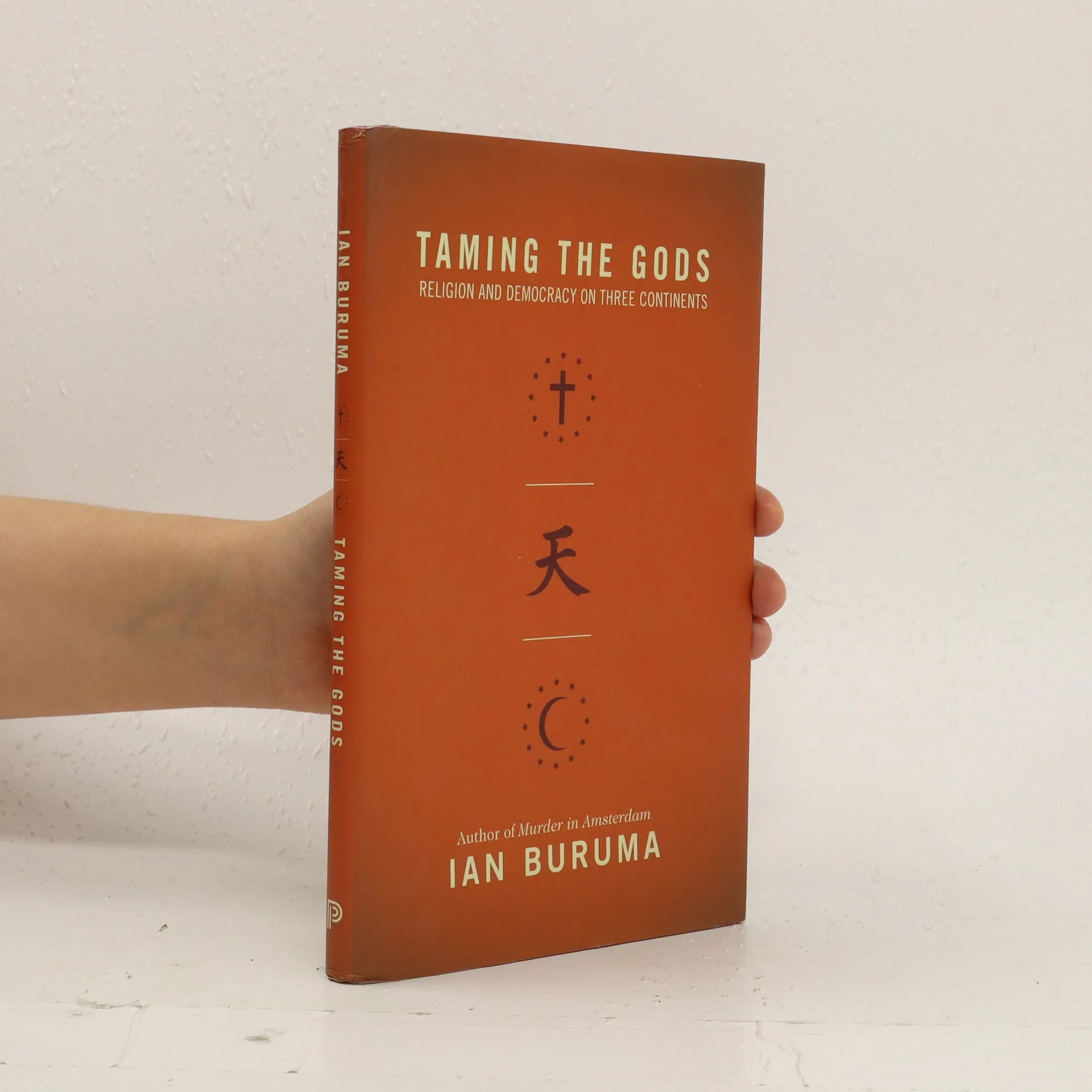
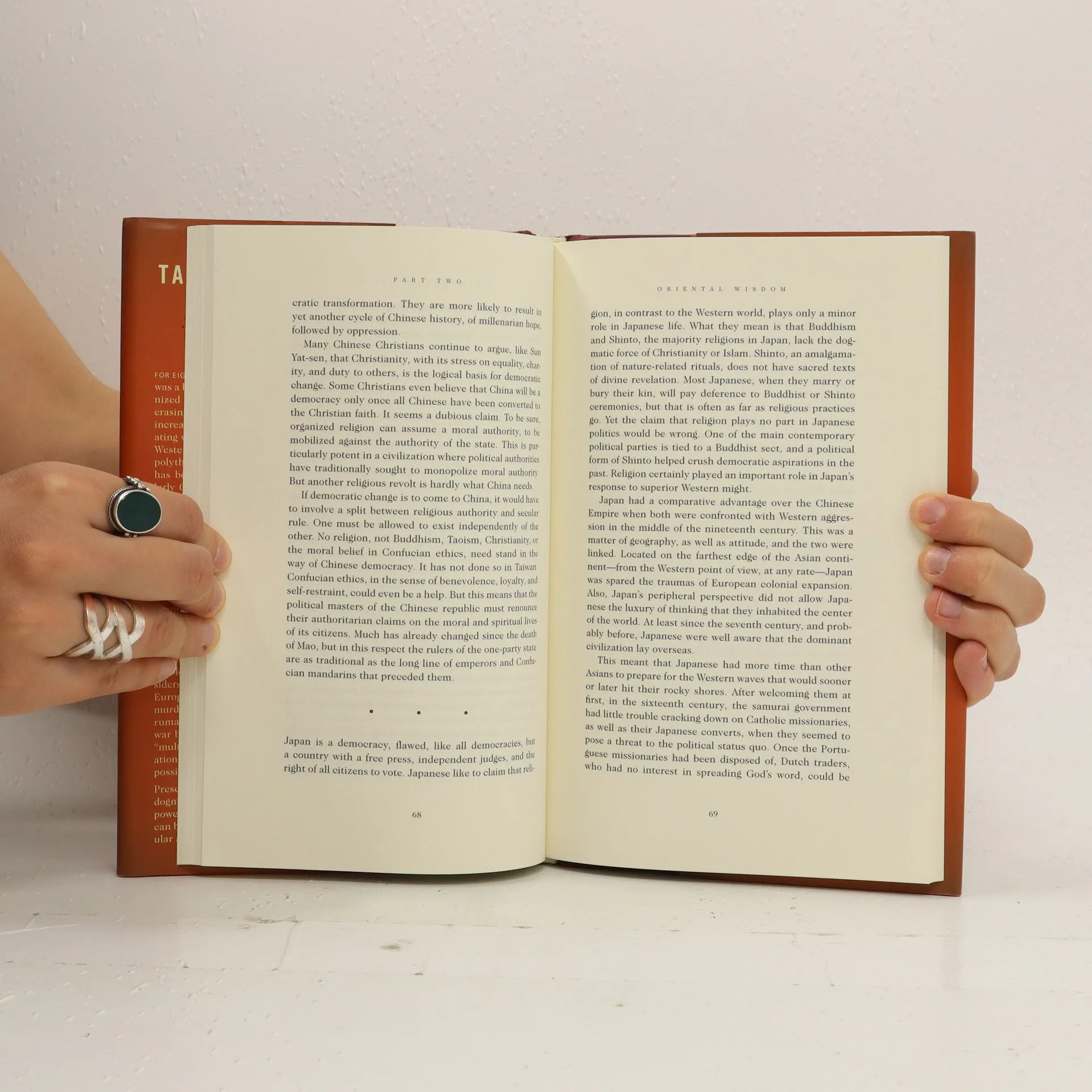
For eight years, the U.S. was led by a born-again Christian president, supported by evangelicals keen on blurring the church-state divide. Meanwhile, Europe faces rising fears that radicalized Islam threatens liberal democracy, while in Asia, particularly China, democracy struggles due to a history of state-religion ties. Ian Buruma offers a keen analysis of the tensions between religion and politics across three continents. He uses historical and contemporary examples to argue that the violent passions of religion must be controlled for democracy to thrive. Buruma explores why many Americans view religion as beneficial to democracy, contrasting this with European perspectives. He also challenges the belief that only monotheistic religions create issues for secular governance, examining the situations in China and Japan. Additionally, he revisits the narrative of radical Islam in Europe, from Salman Rushdie to Theo van Gogh's murder. Buruma critiques both defenders of "Western values" and "multiculturalists," asserting that establishing a democratic European Islam is essential. He contends that for religion and democracy to coexist, a clear separation between religious and secular authorities is crucial.




Zakup książki
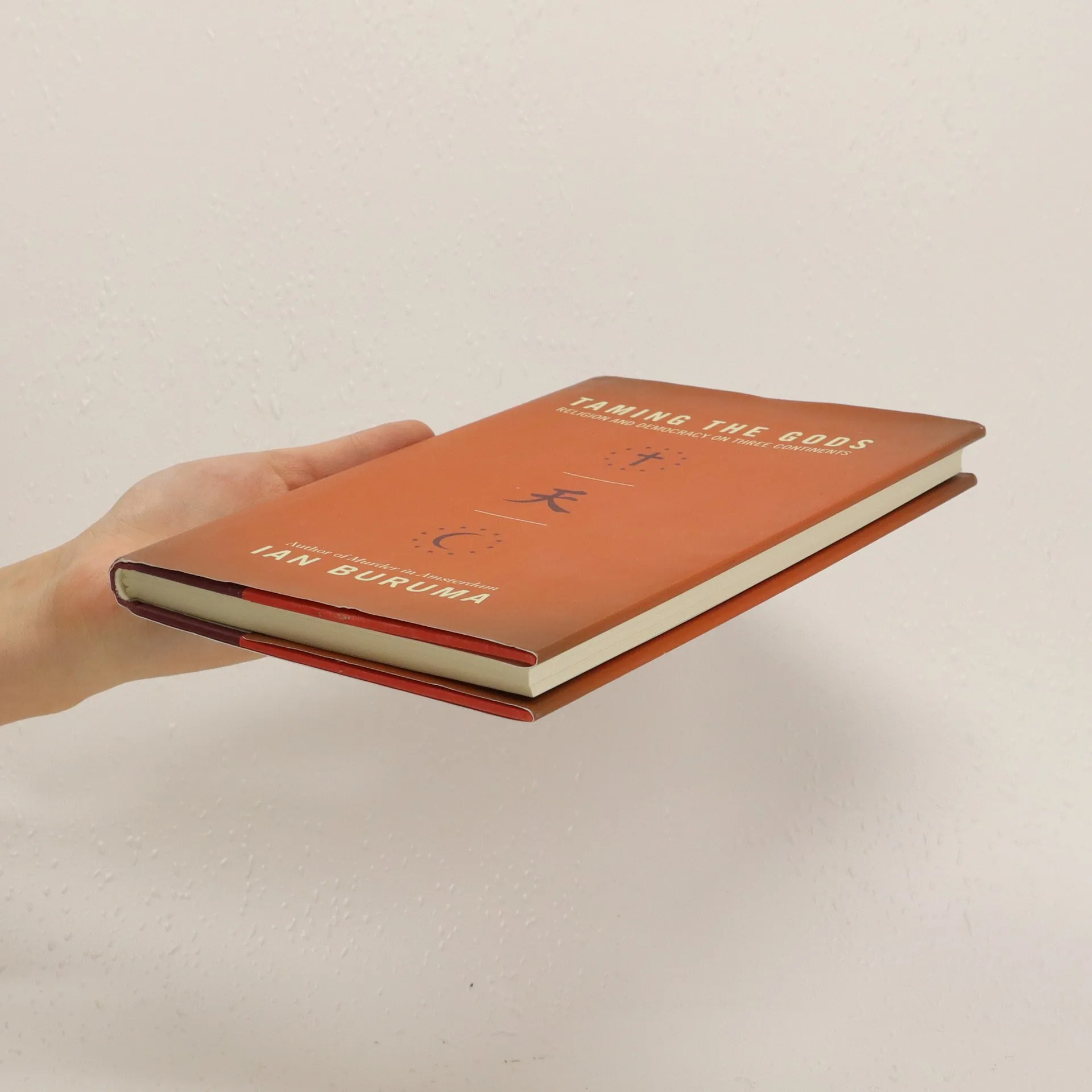
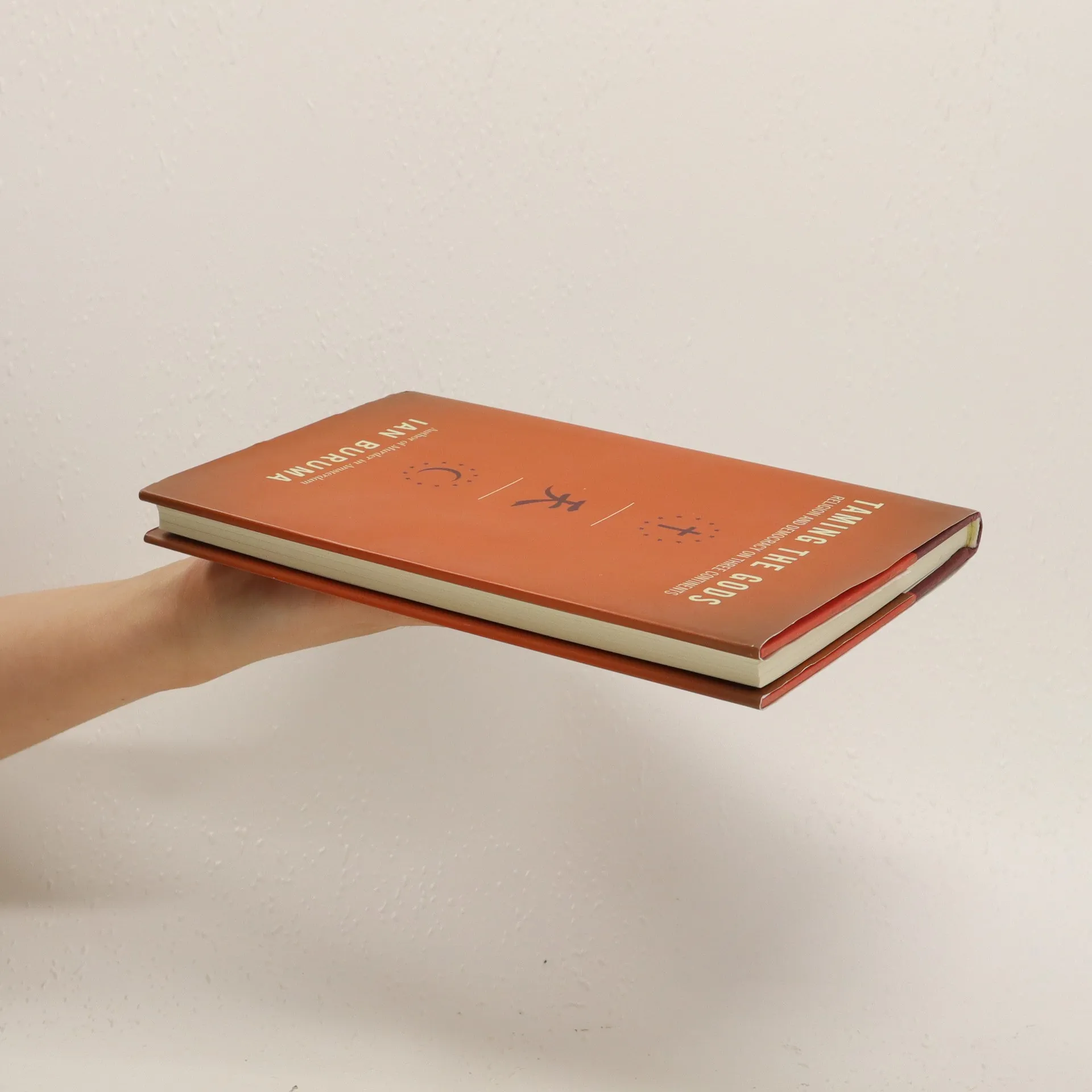
Taming the gods : religion and democracy on three continents, Ian Buruma
- Język

- Rok wydania
- 2010
- Oprawa
- (twarda)
Metody płatności
Brakuje nam tutaj Twojej recenzji.
- Tytuł
- Taming the gods : religion and democracy on three continents
- Język
- angielski
- Autorzy
- Ian Buruma
- Wydawca
- Princeton University Press
- Rok wydania
- 2010
- Oprawa
- twarda
- ISBN10
- 0691134898
- ISBN13
- 9780691134895
- Seria
- Kategorie
- Ocena
- 3,4 z 5
- Opis
- For eight years, the U.S. was led by a born-again Christian president, supported by evangelicals keen on blurring the church-state divide. Meanwhile, Europe faces rising fears that radicalized Islam threatens liberal democracy, while in Asia, particularly China, democracy struggles due to a history of state-religion ties. Ian Buruma offers a keen analysis of the tensions between religion and politics across three continents. He uses historical and contemporary examples to argue that the violent passions of religion must be controlled for democracy to thrive. Buruma explores why many Americans view religion as beneficial to democracy, contrasting this with European perspectives. He also challenges the belief that only monotheistic religions create issues for secular governance, examining the situations in China and Japan. Additionally, he revisits the narrative of radical Islam in Europe, from Salman Rushdie to Theo van Gogh's murder. Buruma critiques both defenders of "Western values" and "multiculturalists," asserting that establishing a democratic European Islam is essential. He contends that for religion and democracy to coexist, a clear separation between religious and secular authorities is crucial.