



Ocena książki
Seria
Parametry
- 336 stron
- 12 godzin czytania
Więcej o książce
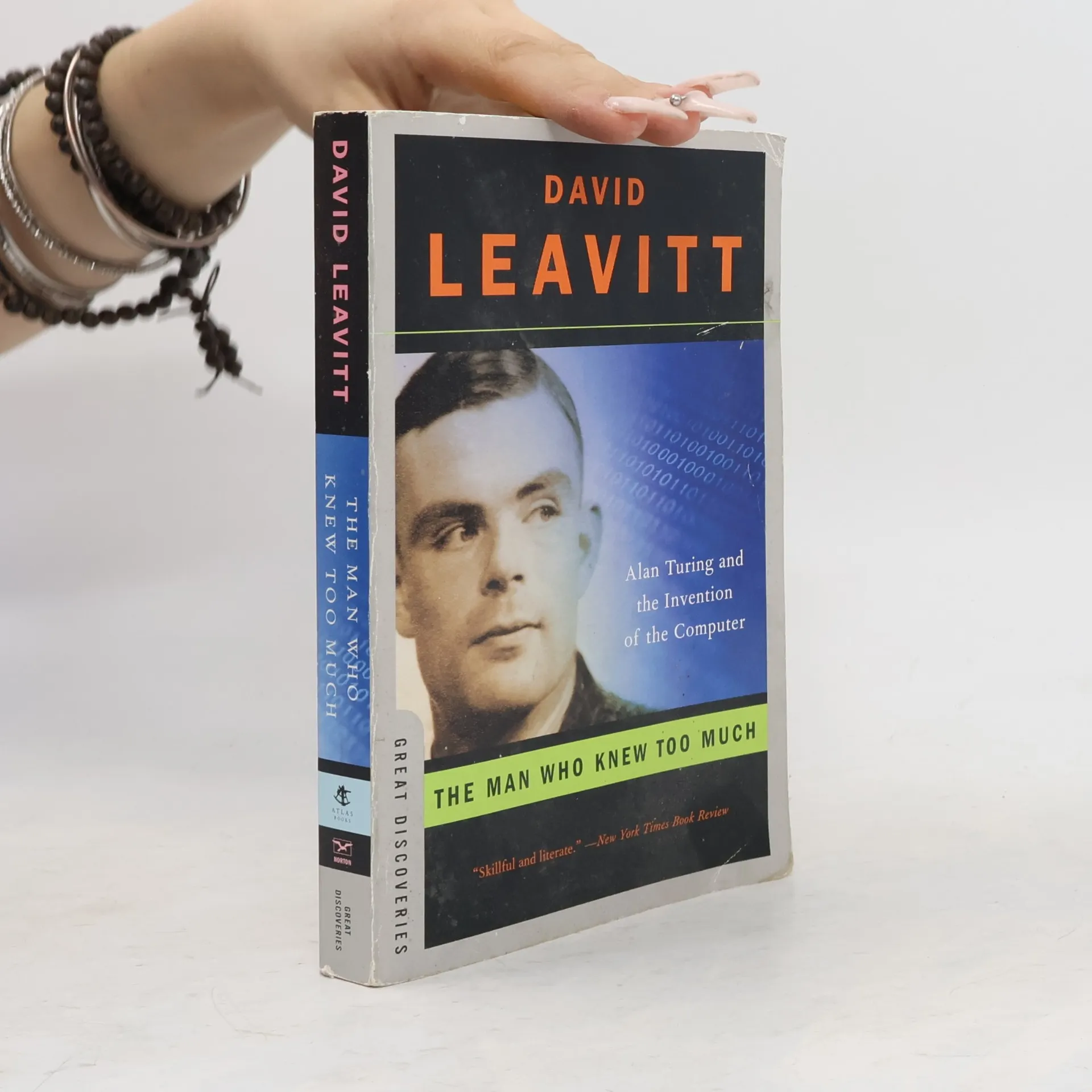
A "skillful and literate" ( New York Times Book Review ) biography of the persecuted genius who helped create the modern computer. To solve one of the great mathematical problems of his day, Alan Turing proposed an imaginary computer. Then, attempting to break a Nazi code during World War II, he successfully designed and built one, thus ensuring the Allied victory. Turing became a champion of artificial intelligence, but his work was cut short. As an openly gay man at a time when homosexuality was illegal in England, he was convicted and forced to undergo a humiliating "treatment" that may have led to his suicide.With a novelist's sensitivity, David Leavitt portrays Turing in all his humanity―his eccentricities, his brilliance, his fatal candor―and elegantly explains his work and its implications.




Zakup książki
Great Discoveries: The Man Who Knew Too Much, David Leavitt
- Język

- Rok wydania
- 2006
- Oprawa
- (miękka),
- Stan książki
- Dobry
- Cena
- 28,33 zł
Metody płatności
Brakuje nam tutaj Twojej recenzji.
- Tytuł
- Great Discoveries: The Man Who Knew Too Much
- Podtytuł
- Alan Turing and the Invention of the Computer
- Język
- angielski
- Autorzy
- David Leavitt
- Wydawca
- W. W. Norton & Company
- Rok wydania
- 2006
- Oprawa
- miękka
- Liczba stron
- 336
- ISBN10
- 0393329097
- ISBN13
- 9780393329094
- Seria
- Wielkie Odkrycia
- Kategorie
- Pierwsze wydanie
- 2006
- Oryginalna nazwa
- Man Who Knew Too Much
- Ocena
- 3,4 z 5
- Opis
- A "skillful and literate" ( New York Times Book Review ) biography of the persecuted genius who helped create the modern computer. To solve one of the great mathematical problems of his day, Alan Turing proposed an imaginary computer. Then, attempting to break a Nazi code during World War II, he successfully designed and built one, thus ensuring the Allied victory. Turing became a champion of artificial intelligence, but his work was cut short. As an openly gay man at a time when homosexuality was illegal in England, he was convicted and forced to undergo a humiliating "treatment" that may have led to his suicide.With a novelist's sensitivity, David Leavitt portrays Turing in all his humanity―his eccentricities, his brilliance, his fatal candor―and elegantly explains his work and its implications.