

Bookbot

Wielkie Odkrycia

W serii "Wielkie Odkrycia" odkrywamy kluczowe momenty w historii, gdy ludzkość ujawniała fundamentalne tajemnice nauki i matematyki. Każdy tom przenosi nas w czasie, ukazując kontekst historyczny oraz ogromny wpływ tych przełomowych odkryć. Poznajemy narracje dotyczące idei, które napędzały cywilizację ku nowym horyzontom.

Quantum Man
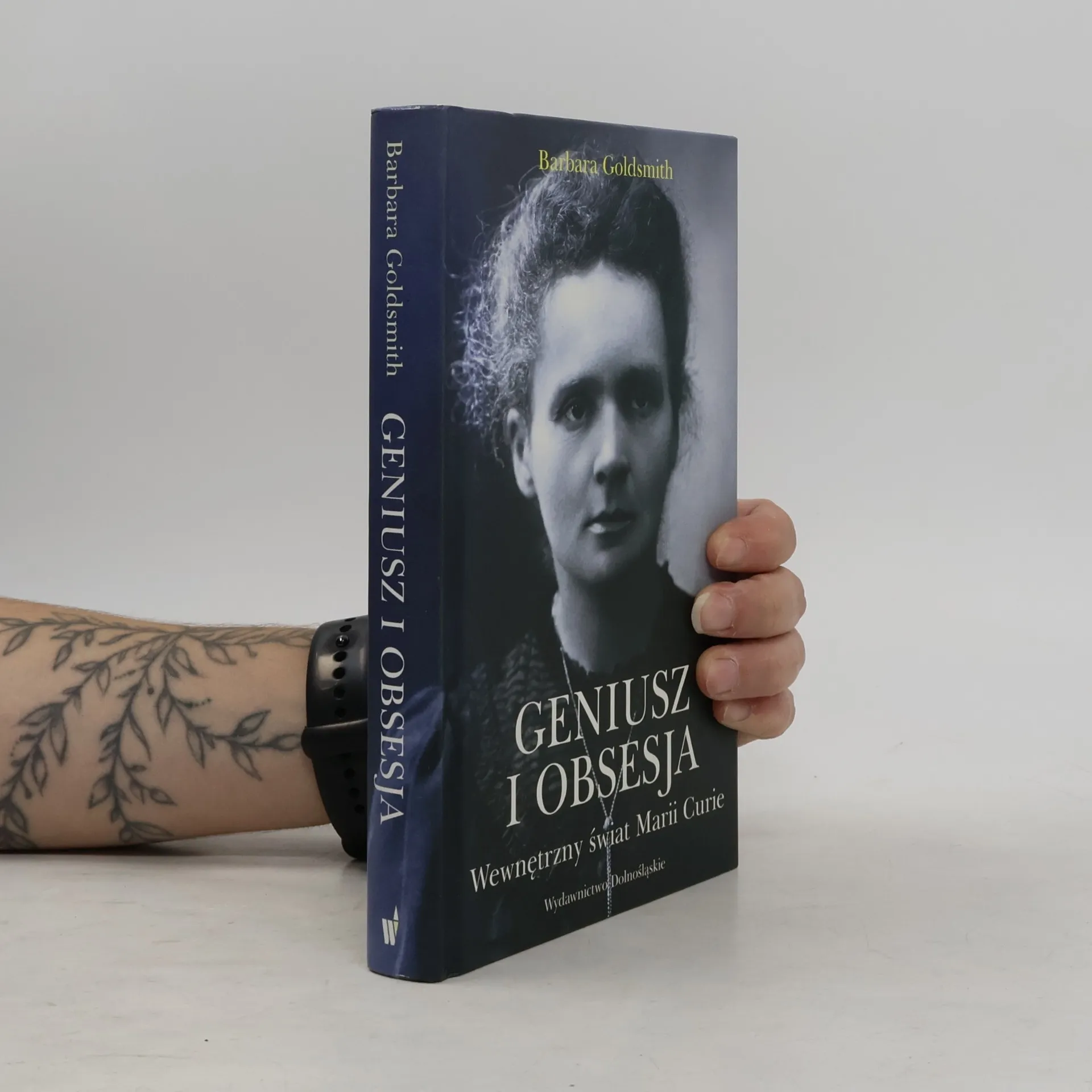
Geniusz i obsesja
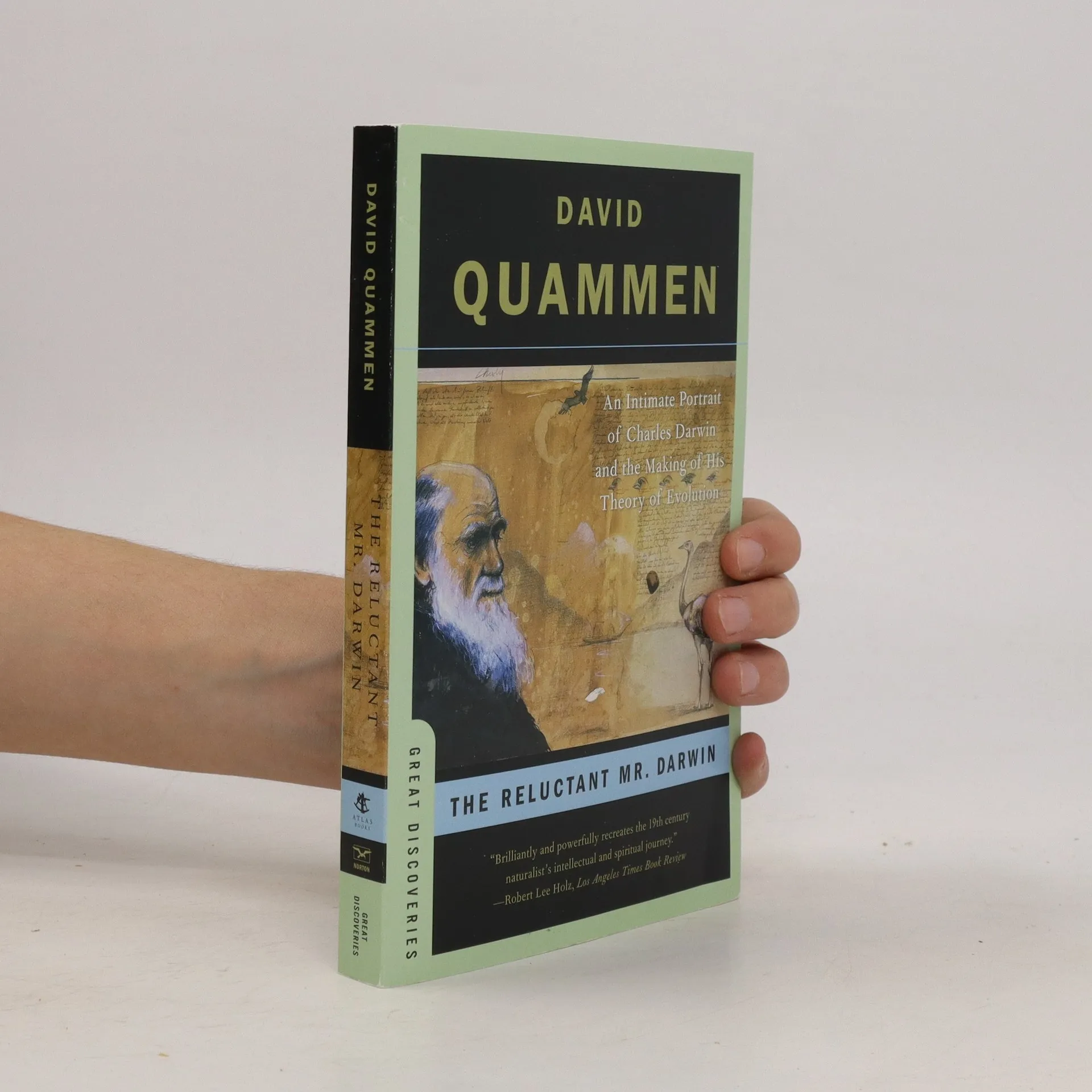
The Reluctant Mr. Darwin
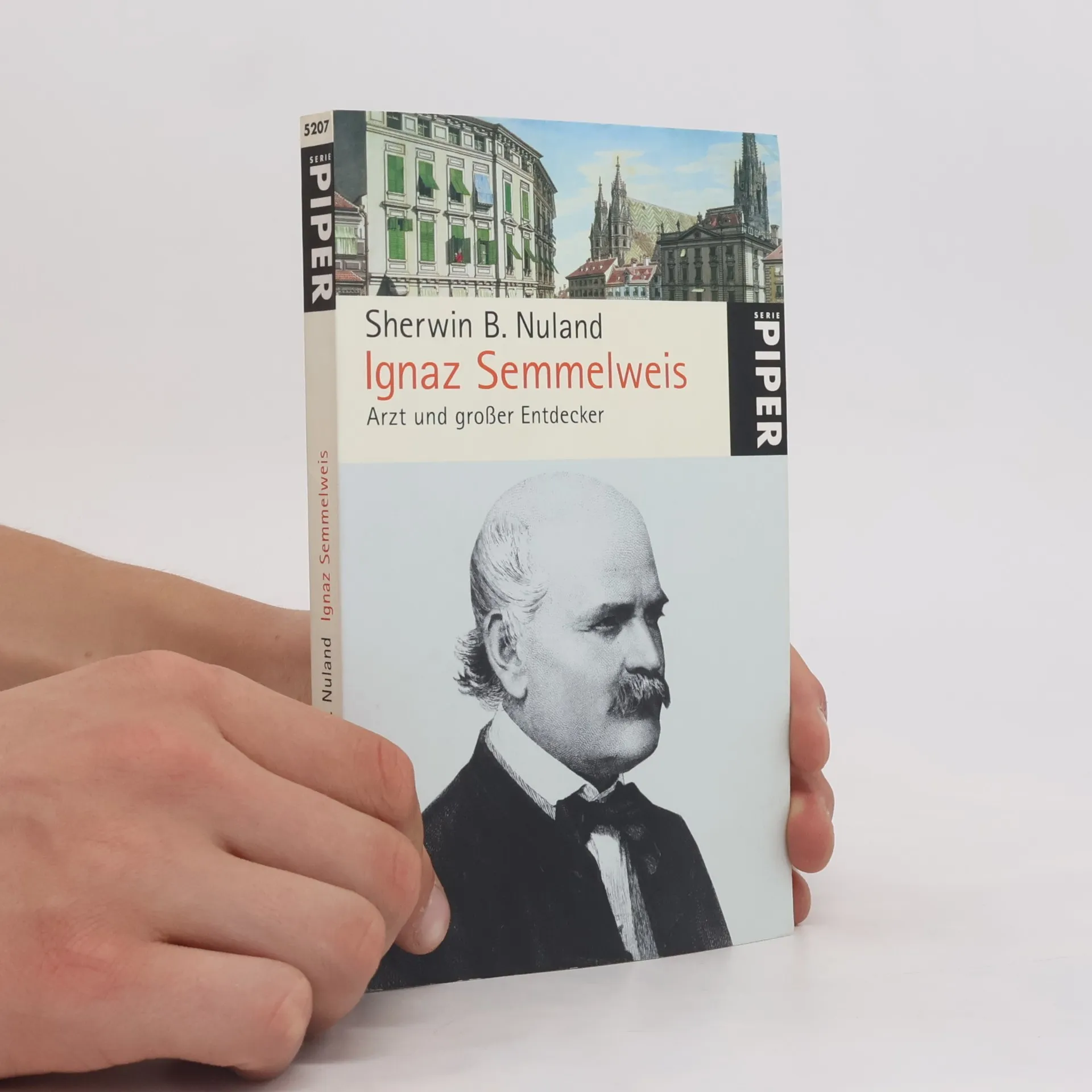
Ignaz Semmelweis
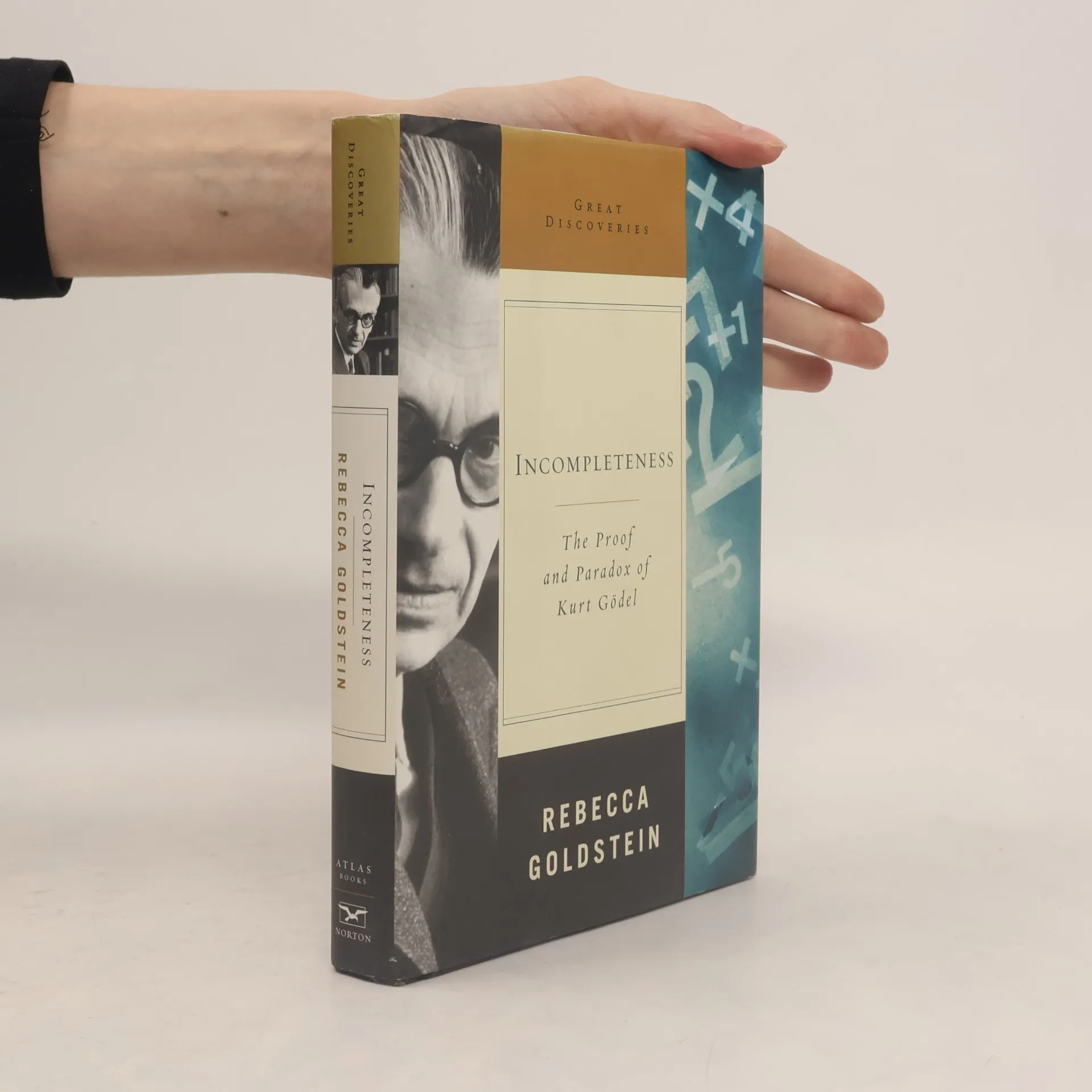
Great Discoveries: Incompleteness
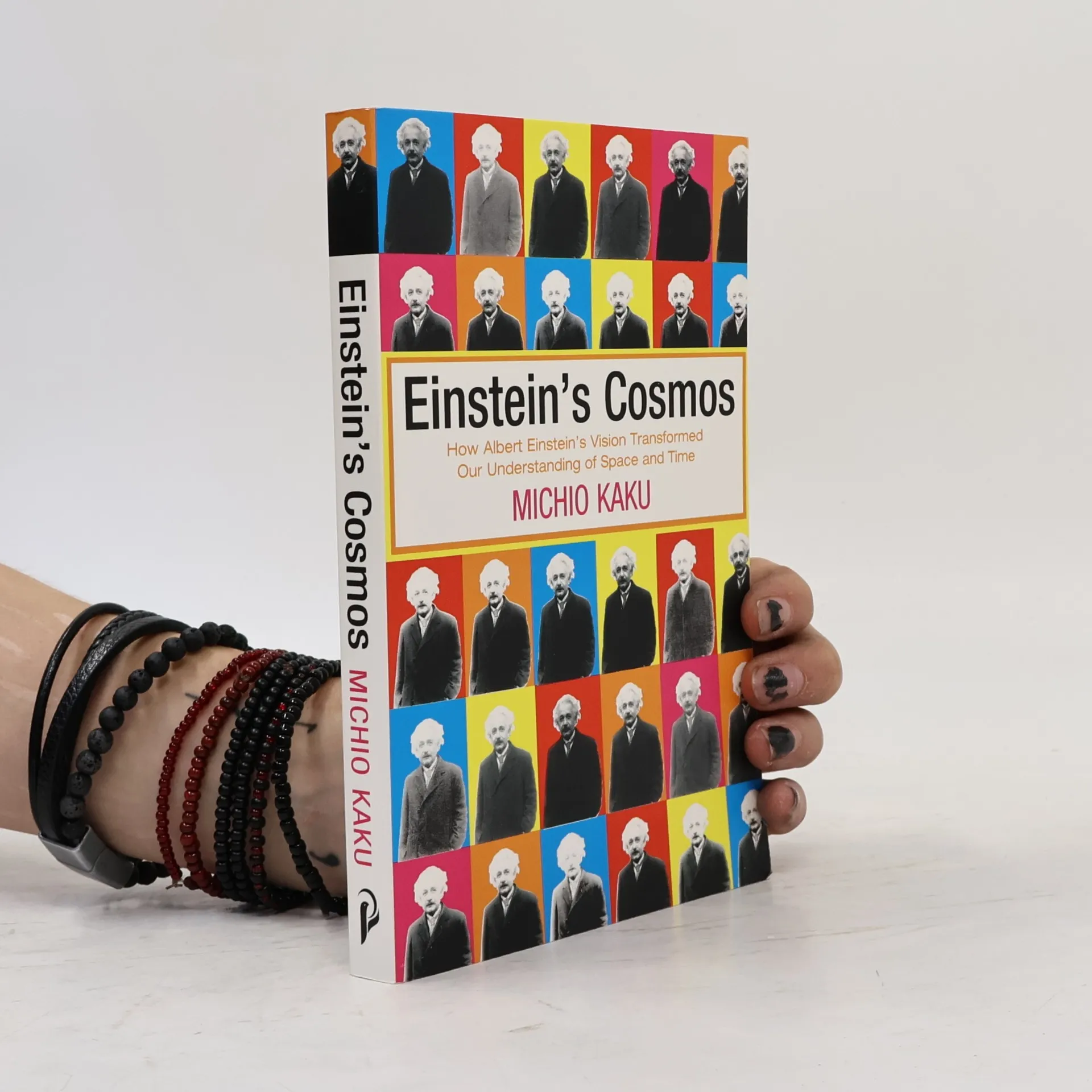
Einstein's Cosmos
  • Einstein's Cosmos

    • 320 stron
    • 12 godzin czytania

    An insightful new book putting Einstein's work in a contemporary context Few figures loom as large as Albert Einstein in our contemporary culture. It is truly remarkable that a man from such humble beginnings, an unemployed dreamer without a future or a job, who was written off by his professors as a hopeless loser, could to dare to scale the heights he reached. In this enlightening book Michio Kaku reasseses Einstein's work by centering on his three great theories - special relativity, general relativity and the Unified Field Theory. The first yielded the equation E =mc2 which is now such a fixture in our culture that it is practically a ubiquitous slogan. But the subsequent theories led to the Big Bang theory and have changed irrevocably the way we perceive time and space. Michio Kaku gives a new, refreshing look at the pioneering work of Einstein, giving a more accurate portrayal of his enduring legacy than previous biographies. As today's advanced physicists continue their intense search to fulfill Einstein's most cherished dream, a 'theory of everything', he is recognised as a prophet who set the agenda for modern physics.

    Einstein's Cosmos
    4,4
  • Great Discoveries: Incompleteness

    The Proof and Paradox of Kurt Gödel

    • 296 stron
    • 11 godzin czytania

    "A gem…An unforgettable account of one of the great moments in the history of human thought." —Steven Pinker Probing the life and work of Kurt Gödel, Incompleteness indelibly portrays the tortured genius whose vision rocked the stability of mathematical reasoning—and brought him to the edge of madness.

    Great Discoveries: Incompleteness
    4,0
  • Um die Mitte des 19. Jahrhunderts entdeckte der Frauenarzt Ignaz Semmelweis Keime als Ursache für das Kindbettfieber und damit für Infektionen. Doch der Hygiene-Pionier wurde damals kaum ernstgenommen. Sherwin B. Nuland erzählt die bewegende Geschichte eines großen Entdeckers und tragischen Genies. Ein wichtiges Stück Medizingeschichte.

    Ignaz Semmelweis
    4,2
  • The Reluctant Mr. Darwin

    • 304 strony
    • 11 godzin czytania

    21 years passed between Charles Darwim's epiphany that 'natural selection' formed the basis of evolution and the scientist's publication of 'On the Origin of Species'. This text looks at why Darwin delayed the publication and examines what happened during the course of those two decades.

    The Reluctant Mr. Darwin
    4,0
  • Geniusz i obsesja

    Wewnętrzny świat Marii Curie

    • 245 stron
    • 9 godzin czytania

    Biografia oparta na niedawno ujawnionych archiwaliach. Pasja i naukowa dociekliwość, triumf i sukces dwukrotnej noblistki przeplatają się tu z odrzuceniem, hipokryzją i dyskryminacją, kt�rej Maria Skłodowska-Curie doświadczała zar�wno jako kobieta, naukowiec, jak i imigrantka z Polski. Autorka ukazuje kobietę pr�bującą pogodzić swe pasje i pracę z obowiązkami rodzinnymi.Barbara Goldsmith otrzymała za tę książkę prestiżową nagrodę Amerykańskiego Instytutu Nauk Fizycznych przyznawaną za popularyzację nauki.

    Geniusz i obsesja
    4,3
  • Quantum Man

    • 350 stron
    • 13 godzin czytania

    A gripping new scientific biography of the revered Nobel Prize-winning physicist (and curious character) Richard Feynman.

    Quantum Man
    4,1
  • The period from the 5th to the 7th century AD was characterised by far-reaching structural changes that affected the entire west of the Roman Empire. This process used to be regarded by scholars aspart of the dissolution of Roman order, but in current discussions it is nowexamined more critically. The contributions to this volume of conference papers combine approaches from history and literature studies in order to review the changing forms and fields of the establishment of collective identities, and to analyse them in their mutual relationships.

    Everything and More: A Compact History of Infinity
    3,7
  • The author expands on his acclaimed trilogy, vividly capturing the tumultuous 18th-century Haitian uprisings and the revolutionary spirit of the time. Focusing on the influential works of Antoine Lavoisier, the narrative intertwines scientific exploration with the fervor of social change, highlighting the interplay between reason and revolution during this pivotal historical period.

    Lavoisier in the Year One: The Birth of a New Science in an Age of Revolution
    3,6
  • A Force of Nature

    The Frontier Genius of Ernest Rutherford

    • 226 stron
    • 8 godzin czytania

    The life of Ernest Rutherford, born in colonial New Zealand, reveals a journey from frontier life to becoming a pivotal figure in modern physics. His groundbreaking discoveries include the orbital structure of the atom and the concept of radioactive half-life. Alongside his team, he was the first to split the atom, foreshadowing the development of the atomic bomb. Richard Reeves vividly portrays Rutherford as a warm and approachable man whose contributions significantly shaped the scientific landscape.

    A Force of Nature
    3,5
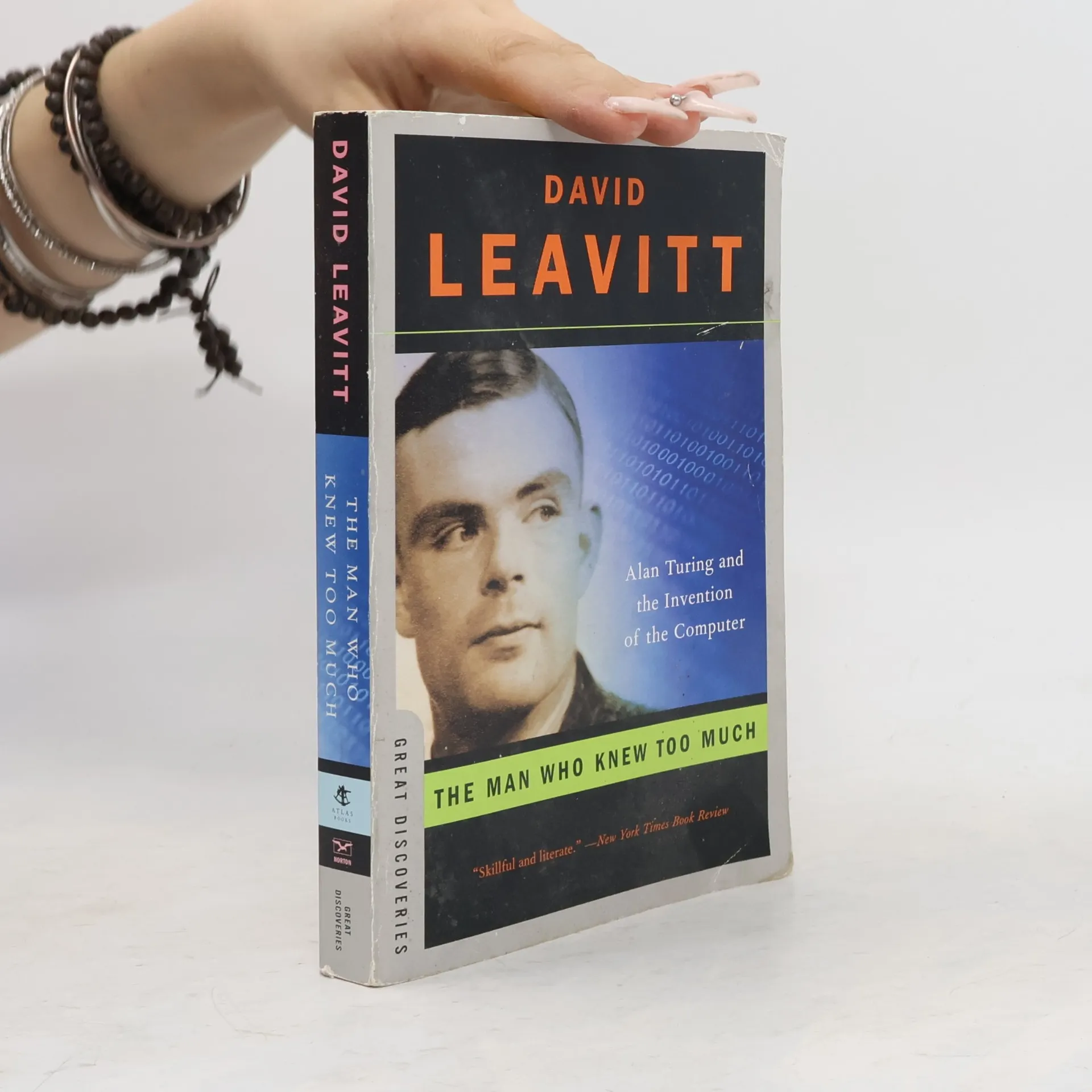
  • Great Discoveries: The Man Who Knew Too Much

    Alan Turing and the Invention of the Computer

    • 336 stron
    • 12 godzin czytania

    A "skillful and literate" ( New York Times Book Review ) biography of the persecuted genius who helped create the modern computer. To solve one of the great mathematical problems of his day, Alan Turing proposed an imaginary computer. Then, attempting to break a Nazi code during World War II, he successfully designed and built one, thus ensuring the Allied victory. Turing became a champion of artificial intelligence, but his work was cut short. As an openly gay man at a time when homosexuality was illegal in England, he was convicted and forced to undergo a humiliating "treatment" that may have led to his suicide.With a novelist's sensitivity, David Leavitt portrays Turing in all his humanity―his eccentricities, his brilliance, his fatal candor―and elegantly explains his work and its implications.

    Great Discoveries: The Man Who Knew Too Much
    3,4