

Parametry
- 260 stron
- 10 godzin czytania
Więcej o książce
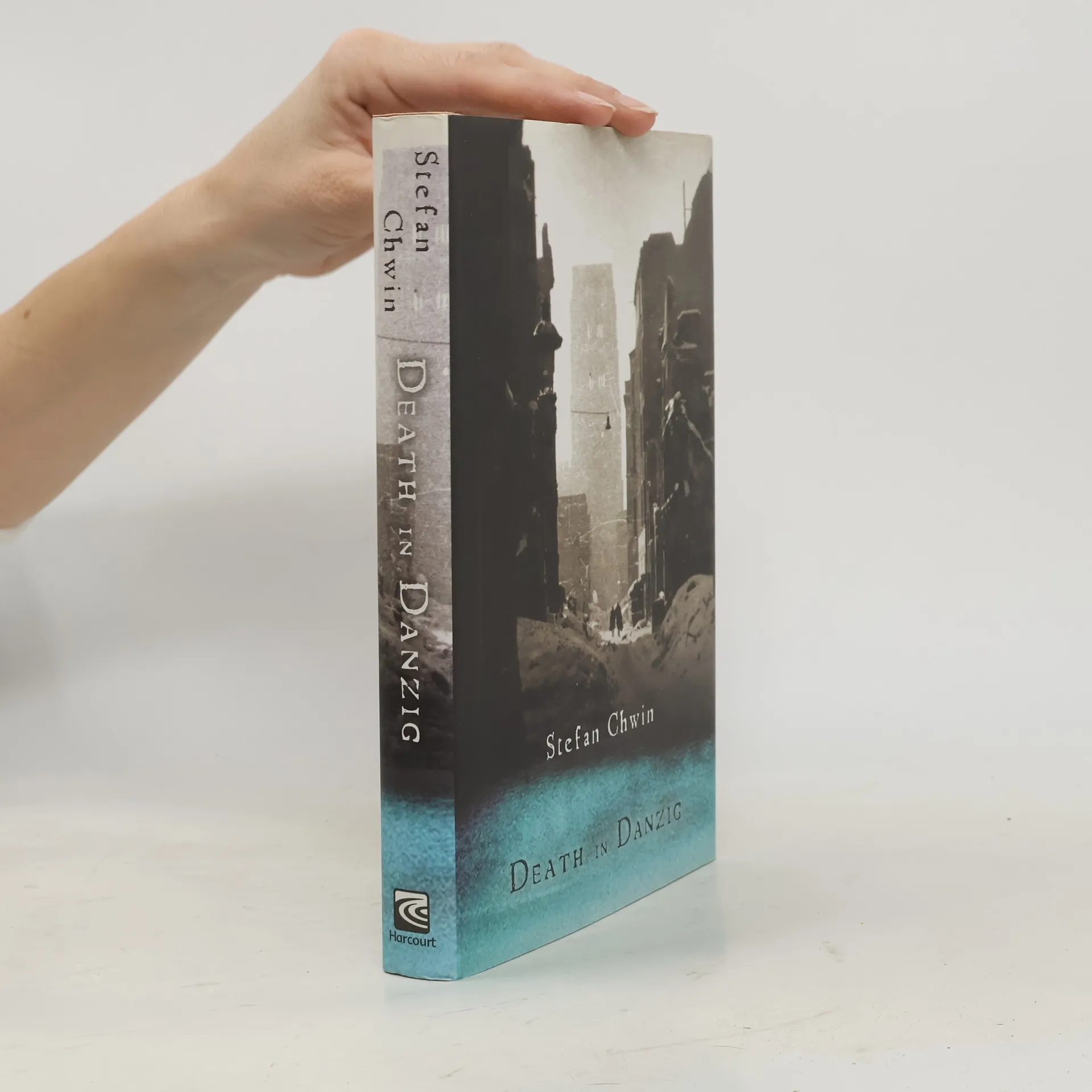
Germans flee the besieged city of Danzig in 1945. Poles driven out of eastern regions controlled by the Russians move into the homes hastily abandoned by their previous inhabitants. In an area of the city graced with beech trees and a stately cathedral, the stories of old and new residents intertwine: Hanemann, a German and a former professor of anatomy, who chooses to stay in Danzig after the mysterious death of his lover; the Polish family of the narrator, driven out of Warsaw; and a young Carpathian woman who no longer has a country, her cheerful nature concealing deep wounds. Through his brilliantly defined characters, stunning evocation of place, and memorable descriptions of a world that was German but survives in Polish households, Chwin has created a reality that is beyond destruction.




Zakup książki
Death in Danzig, Stefan Chwin, Philip Boehm
- Język

- Rok wydania
- 2004
- Oprawa
- (twarda)
Metody płatności
Brakuje nam tutaj Twojej recenzji.
- Tytuł
- Death in Danzig
- Język
- angielski
- Autorzy
- Stefan Chwin, Philip Boehm
- Wydawca
- Houghton Mifflin Harcourt
- Rok wydania
- 2004
- Oprawa
- twarda
- Liczba stron
- 260
- ISBN10
- 0151008051
- ISBN13
- 9780151008056
- Seria
- Tagi
- Tematy historyczne, Niemcy, II Wojna Światowa, Ucieczka, Literatura polska, Polska, Dom, Okres powojenny, Tolerancja, Wygnanie, Literatura Europy Środkowej, Gdańsk
- Pierwsze wydanie
- 1995
- Oryginalna nazwa
- Hanemann
- Ocena
- 3,8 z 5
- Opis
- Germans flee the besieged city of Danzig in 1945. Poles driven out of eastern regions controlled by the Russians move into the homes hastily abandoned by their previous inhabitants. In an area of the city graced with beech trees and a stately cathedral, the stories of old and new residents intertwine: Hanemann, a German and a former professor of anatomy, who chooses to stay in Danzig after the mysterious death of his lover; the Polish family of the narrator, driven out of Warsaw; and a young Carpathian woman who no longer has a country, her cheerful nature concealing deep wounds. Through his brilliantly defined characters, stunning evocation of place, and memorable descriptions of a world that was German but survives in Polish households, Chwin has created a reality that is beyond destruction.