

Więcej o książce
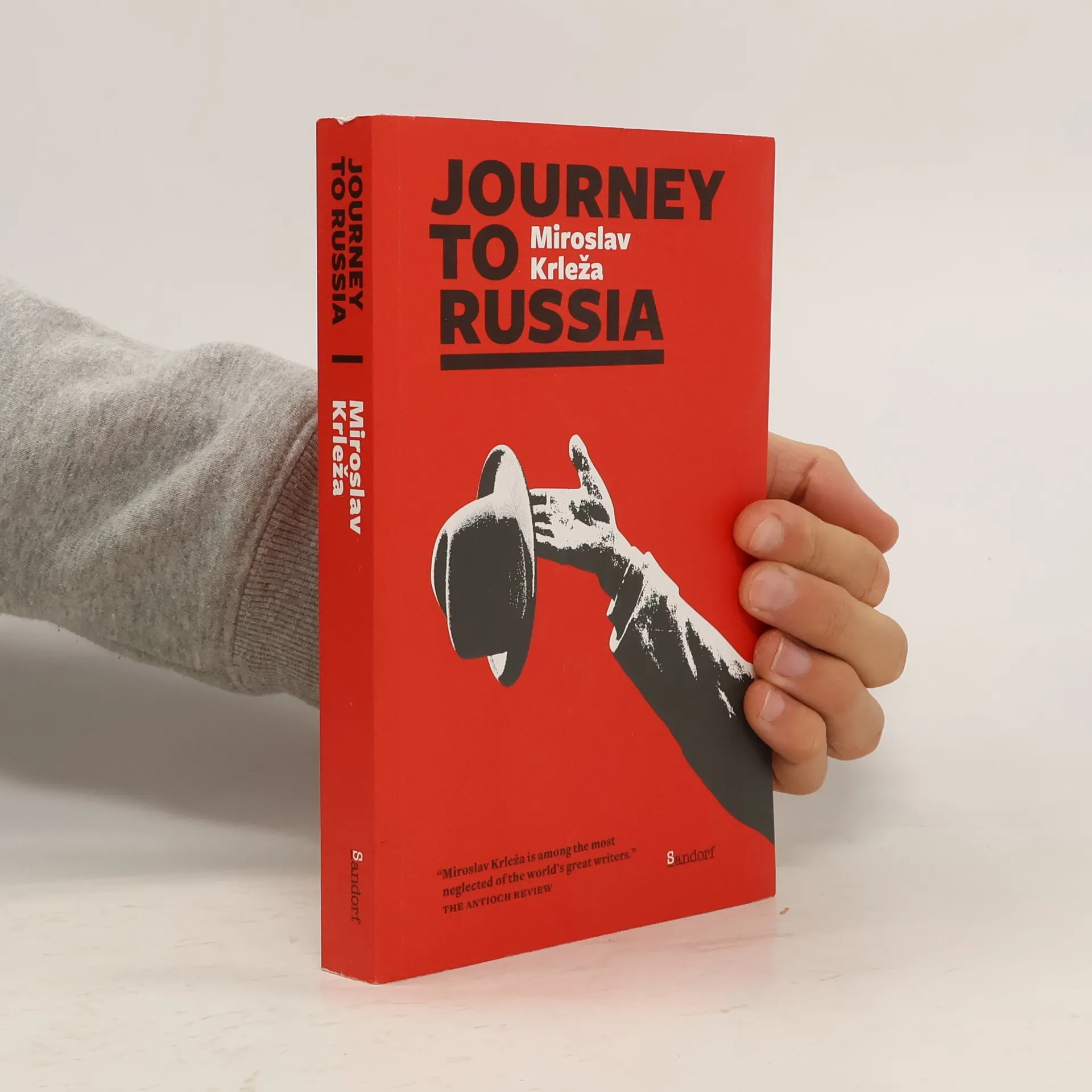
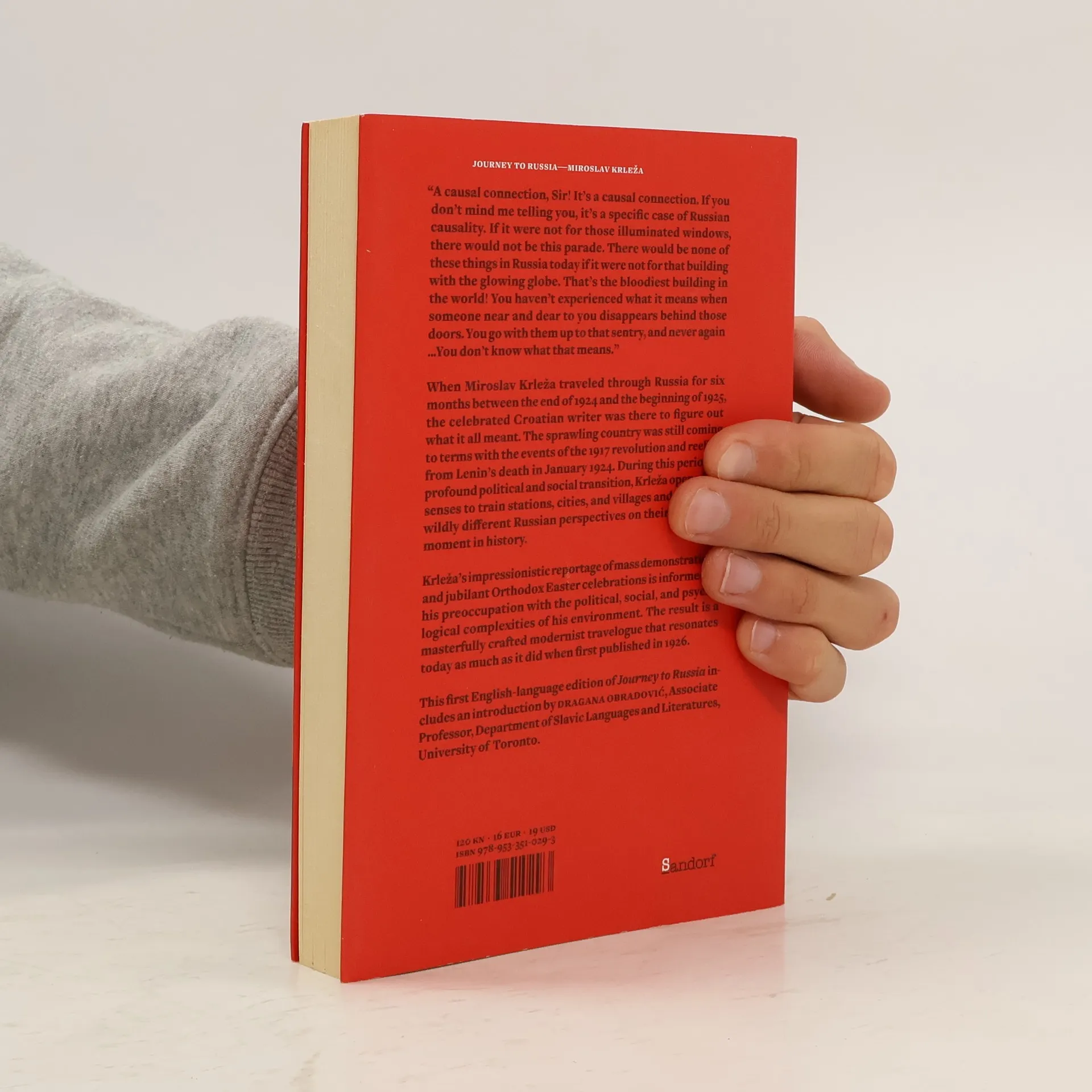
When Miroslav Krleža traveled through Russia for six months between the end of 1924 and the beginning of 1925, the celebrated Croatian writer was there to figure out what it all meant. The sprawling country was still coming to terms with the events of the 1917 revolution and reeling from Lenin’s death in January 1924. During this period of profound political and social transition, Krleža opened his senses to train stations, cities, and villages and collected wildly different Russian perspectives on their collective moment in history.Krleža’s impressionistic reportage of mass demonstrations and jubilant Orthodox Easter celebrations is informed by his preoccupation with the political, social, and psychological complexities of his environment. The result is a masterfully crafted modernist travelogue that resonates today as much as it did when first published in 1926.

Zakup książki
Journey to Russia, Miroslav Krleža
- Język

- Rok wydania
- 2017
- Oprawa
- (miękka)
Metody płatności
Brakuje nam tutaj Twojej recenzji.
- Tytuł
- Journey to Russia
- Język
- angielski
- Autorzy
- Miroslav Krleža
- Wydawca
- Sandorf
- Rok wydania
- 2017
- Oprawa
- miękka
- Liczba stron
- 239
- ISBN10
- 9533510293
- ISBN13
- 9789533510293
- Seria
- Kategorie
- Tagi
- Ocena
- 3,35 z 5
- Opis
- When Miroslav Krleža traveled through Russia for six months between the end of 1924 and the beginning of 1925, the celebrated Croatian writer was there to figure out what it all meant. The sprawling country was still coming to terms with the events of the 1917 revolution and reeling from Lenin’s death in January 1924. During this period of profound political and social transition, Krleža opened his senses to train stations, cities, and villages and collected wildly different Russian perspectives on their collective moment in history.Krleža’s impressionistic reportage of mass demonstrations and jubilant Orthodox Easter celebrations is informed by his preoccupation with the political, social, and psychological complexities of his environment. The result is a masterfully crafted modernist travelogue that resonates today as much as it did when first published in 1926.