

Więcej o książce
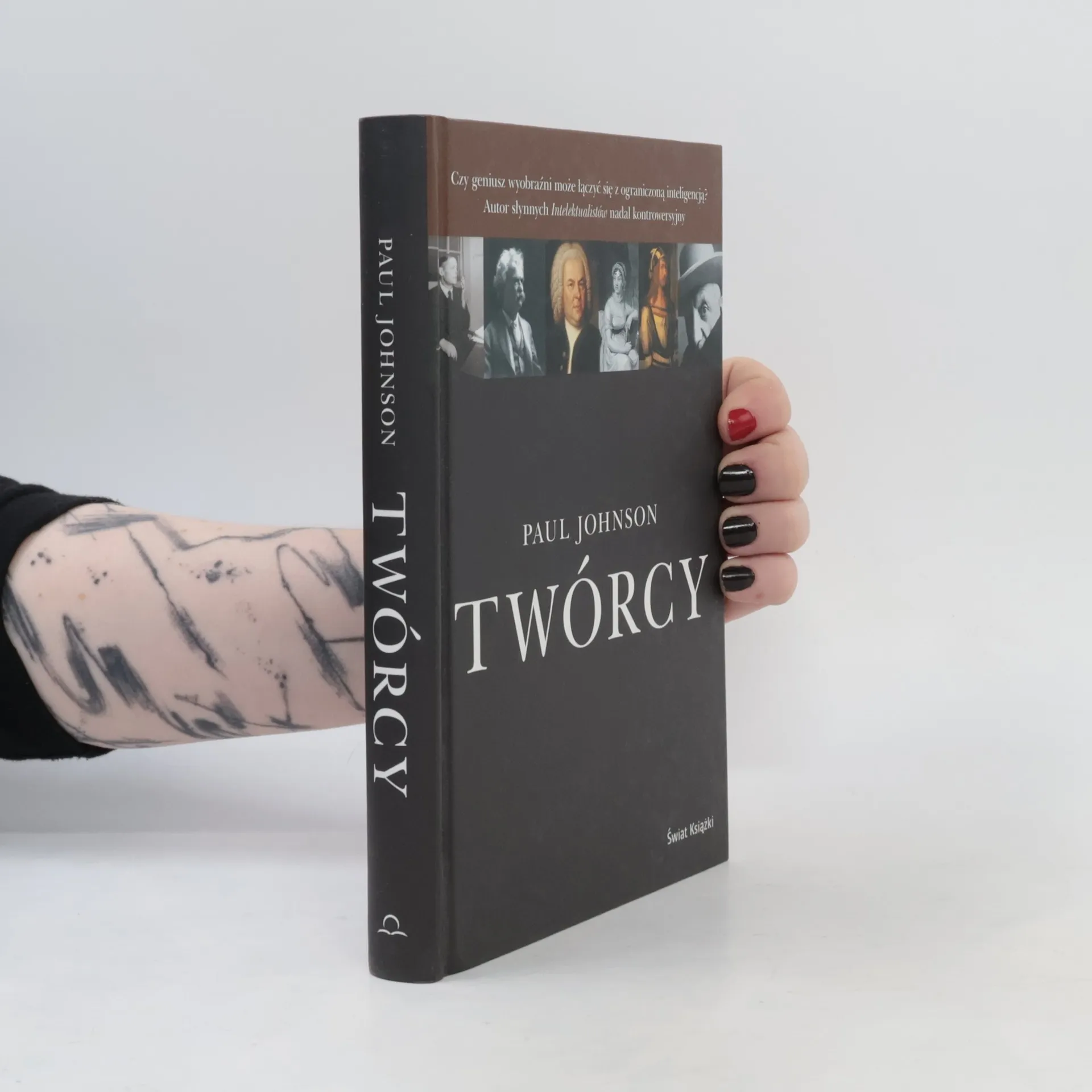
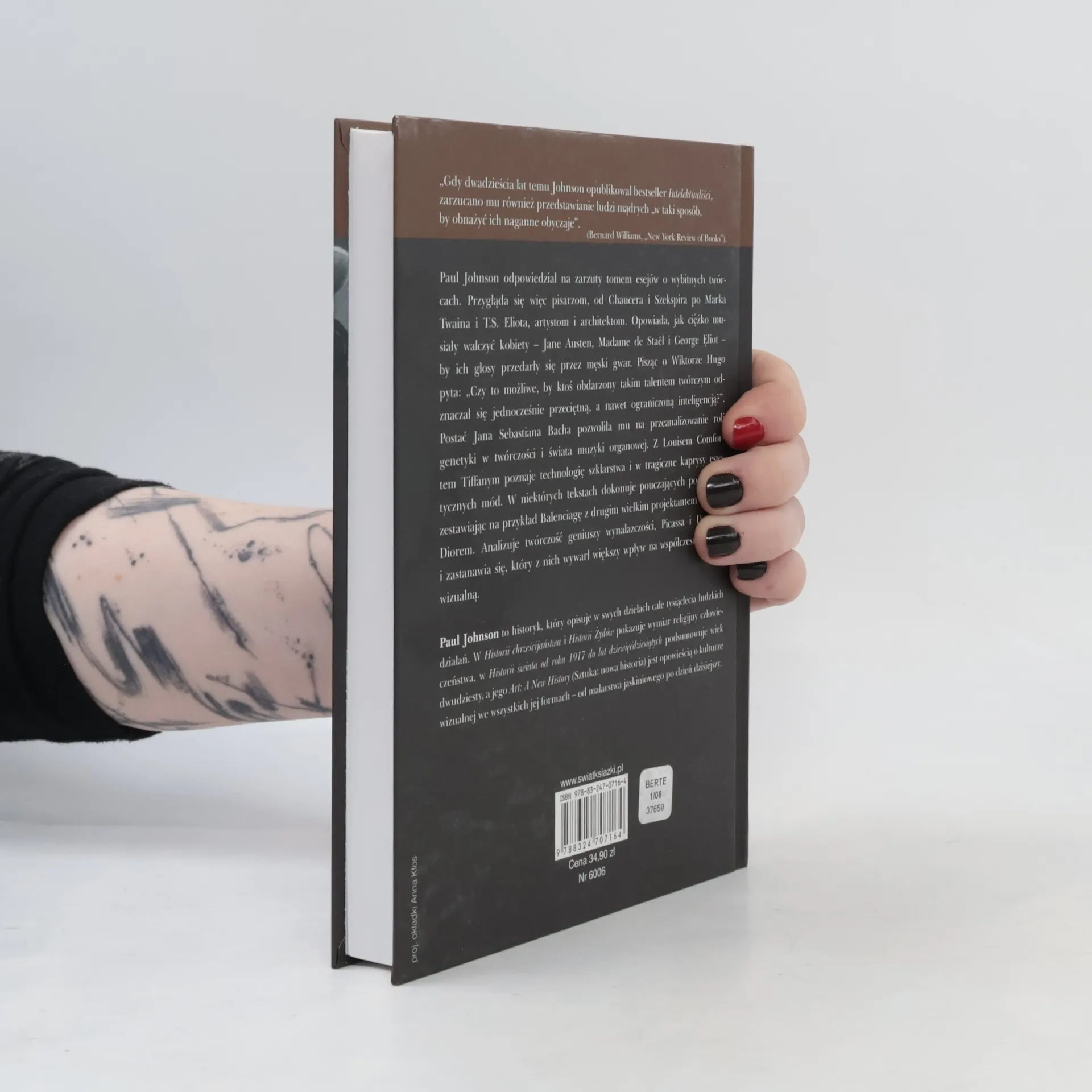
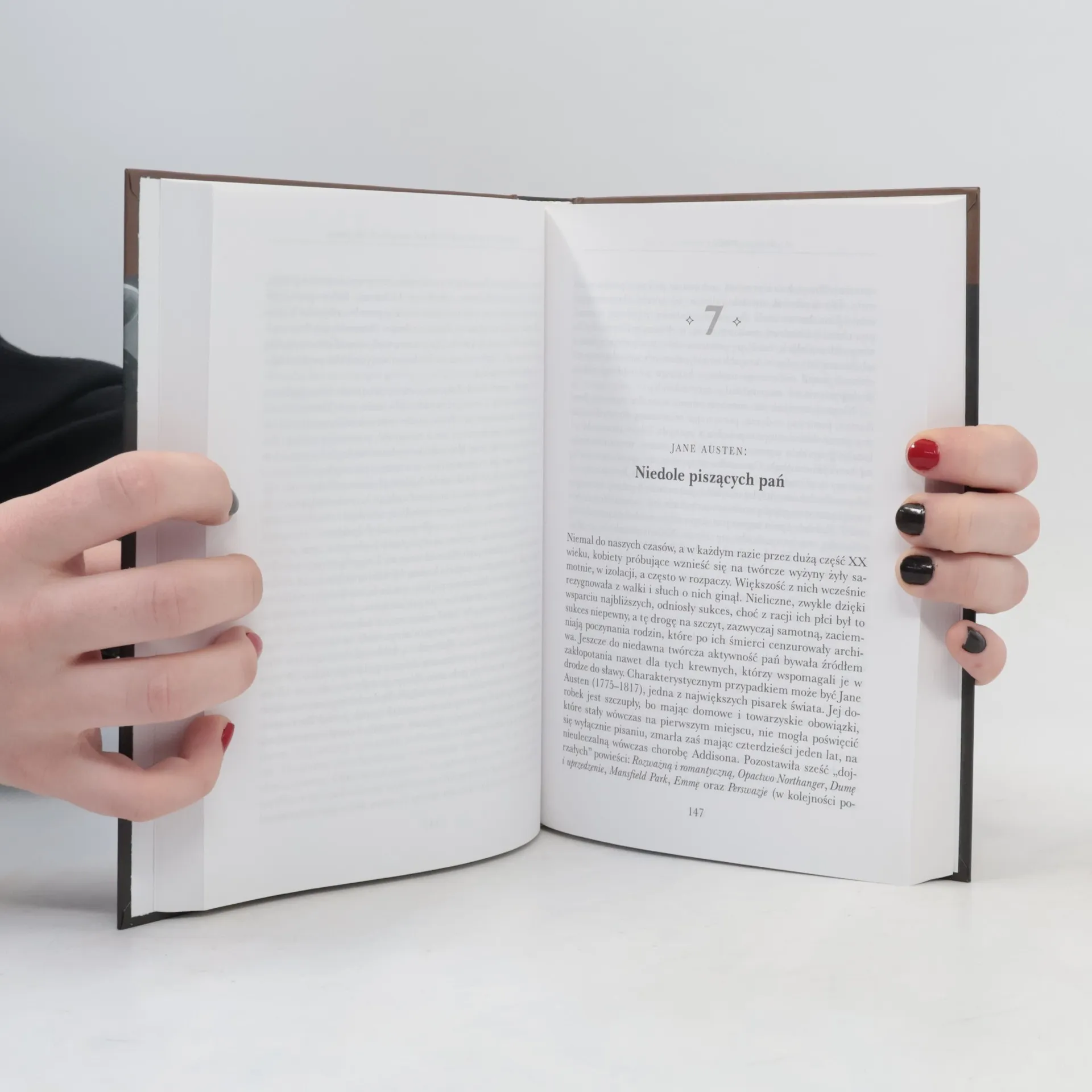
Twenty years after the release of his acclaimed work on intellectuals, Paul Johnson presents a companion volume of essays exploring the lives of remarkable creative figures. This collection features a diverse range of writers, artists, and architects, including Chaucer, Shakespeare, Mark Twain, Dürer, and Pugin. Johnson delves into the challenges faced by women like Jane Austen, Madame de Stael, and George Eliot in asserting their voices amidst a male-dominated society. He poses thought-provoking questions, such as whether imaginative genius can coexist with low intelligence, using Victor Hugo as a lens for this inquiry. Johann Sebastian Bach's story allows Johnson to examine the genetic factors influencing creativity, while Louis Comfort Tiffany's work leads him into the intricacies of glass-making and shifting aesthetic trends. The essays also draw fascinating comparisons, such as between Turner and Hokusai, and Balenciaga and Dior. The final piece contrasts the influences of Picasso and Disney on 20th-century visual arts. Johnson contends that while the creative process is enigmatic and defies complete analysis, it can be effectively illustrated to highlight its key characteristics, which is the aim of this engaging and insightful collection.


Zakup książki
Twórcy, Jacek Maziarski, Paul Johnson, Anna Maziarska
- Język

- Rok wydania
- 2008
- Oprawa
- (twarda)
Metody płatności
Brakuje nam tutaj Twojej recenzji.
- Tytuł
- Twórcy
- Język
- polski
- Autorzy
- Jacek Maziarski, Paul Johnson, Anna Maziarska
- Wydawca
- Świat Książki
- Rok wydania
- 2008
- Oprawa
- twarda
- Liczba stron
- 350
- ISBN10
- 8324707166
- ISBN13
- 9788324707164
- Seria
- Kategorie
- Ocena
- 3,65 z 5
- Opis
- Twenty years after the release of his acclaimed work on intellectuals, Paul Johnson presents a companion volume of essays exploring the lives of remarkable creative figures. This collection features a diverse range of writers, artists, and architects, including Chaucer, Shakespeare, Mark Twain, Dürer, and Pugin. Johnson delves into the challenges faced by women like Jane Austen, Madame de Stael, and George Eliot in asserting their voices amidst a male-dominated society. He poses thought-provoking questions, such as whether imaginative genius can coexist with low intelligence, using Victor Hugo as a lens for this inquiry. Johann Sebastian Bach's story allows Johnson to examine the genetic factors influencing creativity, while Louis Comfort Tiffany's work leads him into the intricacies of glass-making and shifting aesthetic trends. The essays also draw fascinating comparisons, such as between Turner and Hokusai, and Balenciaga and Dior. The final piece contrasts the influences of Picasso and Disney on 20th-century visual arts. Johnson contends that while the creative process is enigmatic and defies complete analysis, it can be effectively illustrated to highlight its key characteristics, which is the aim of this engaging and insightful collection.