

Więcej o książce
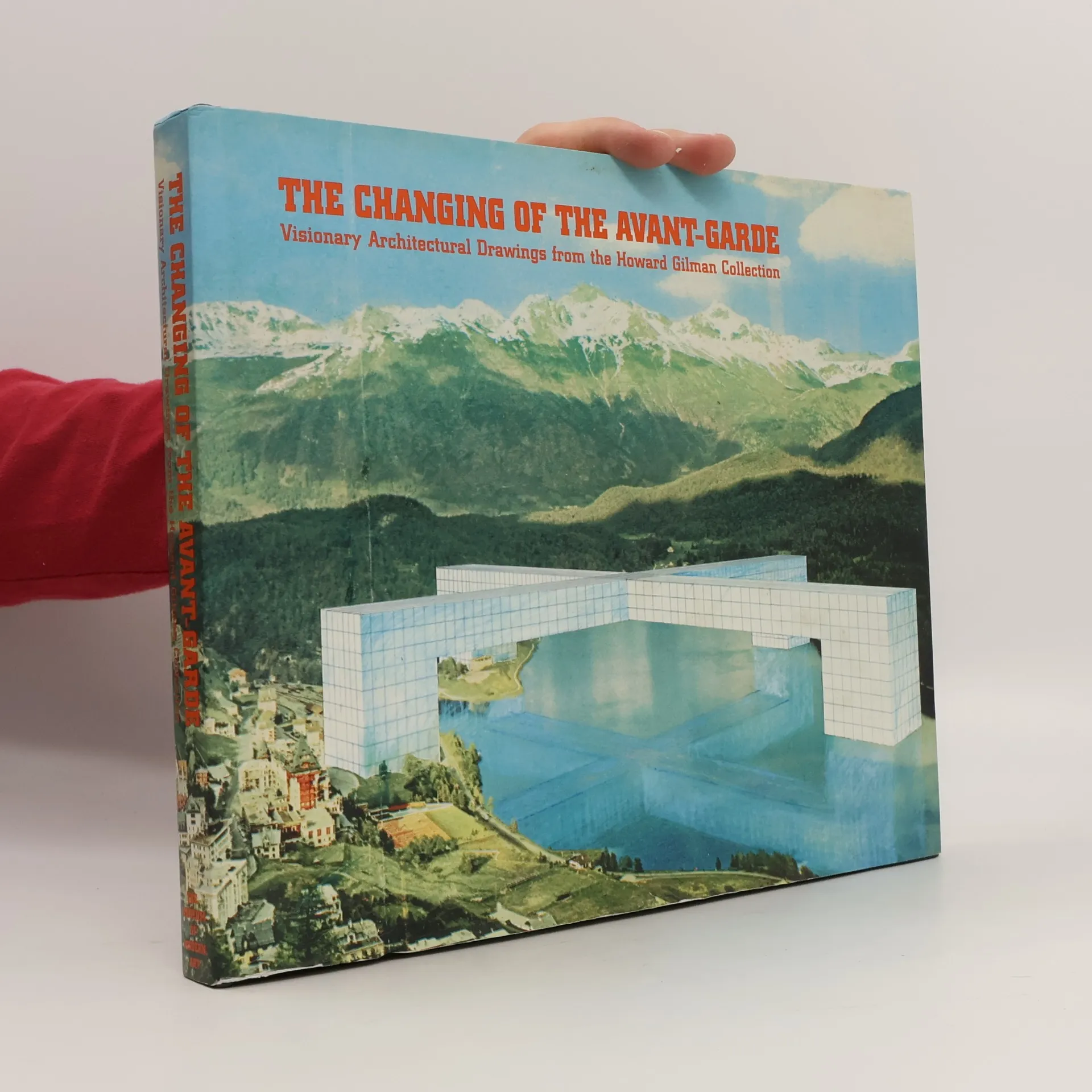
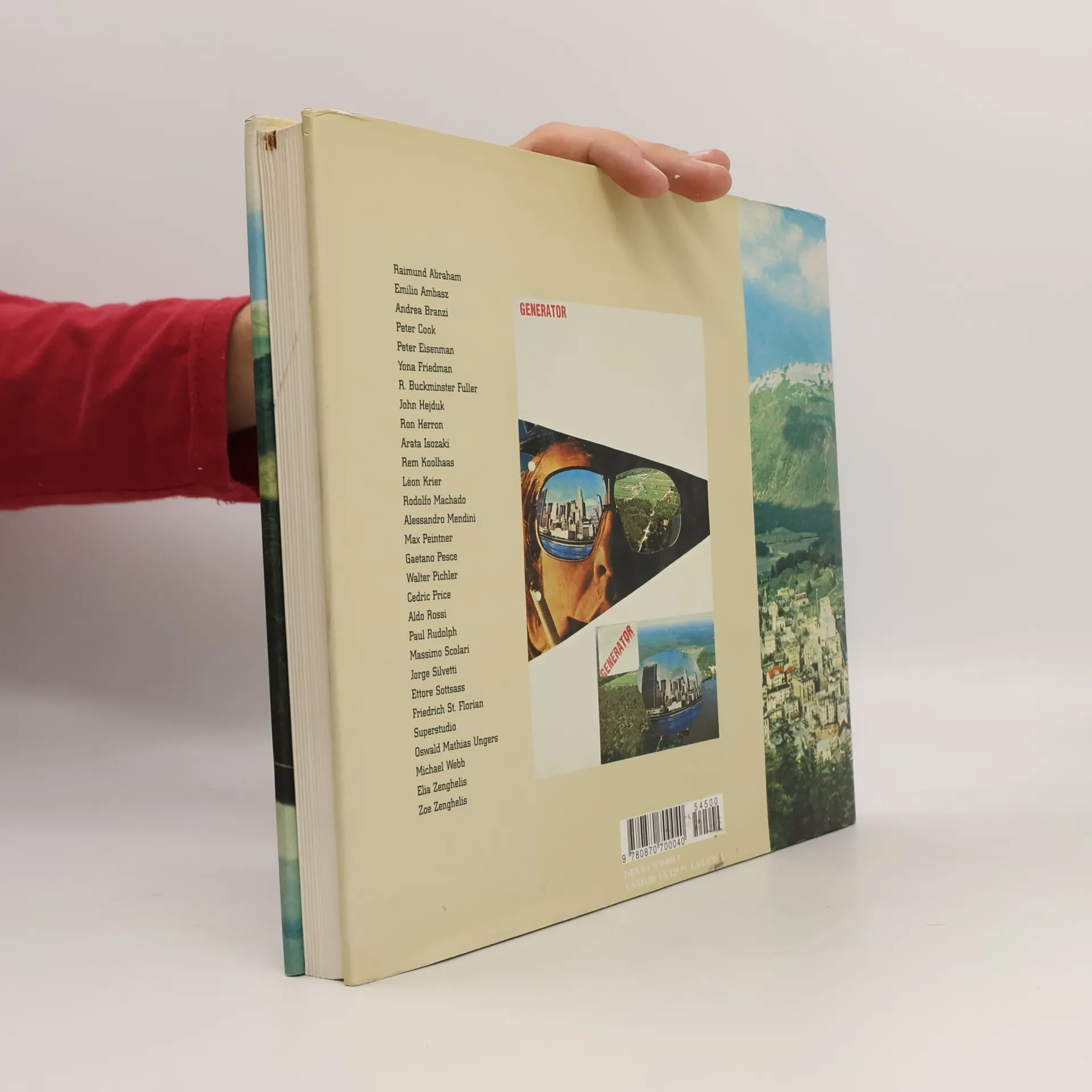
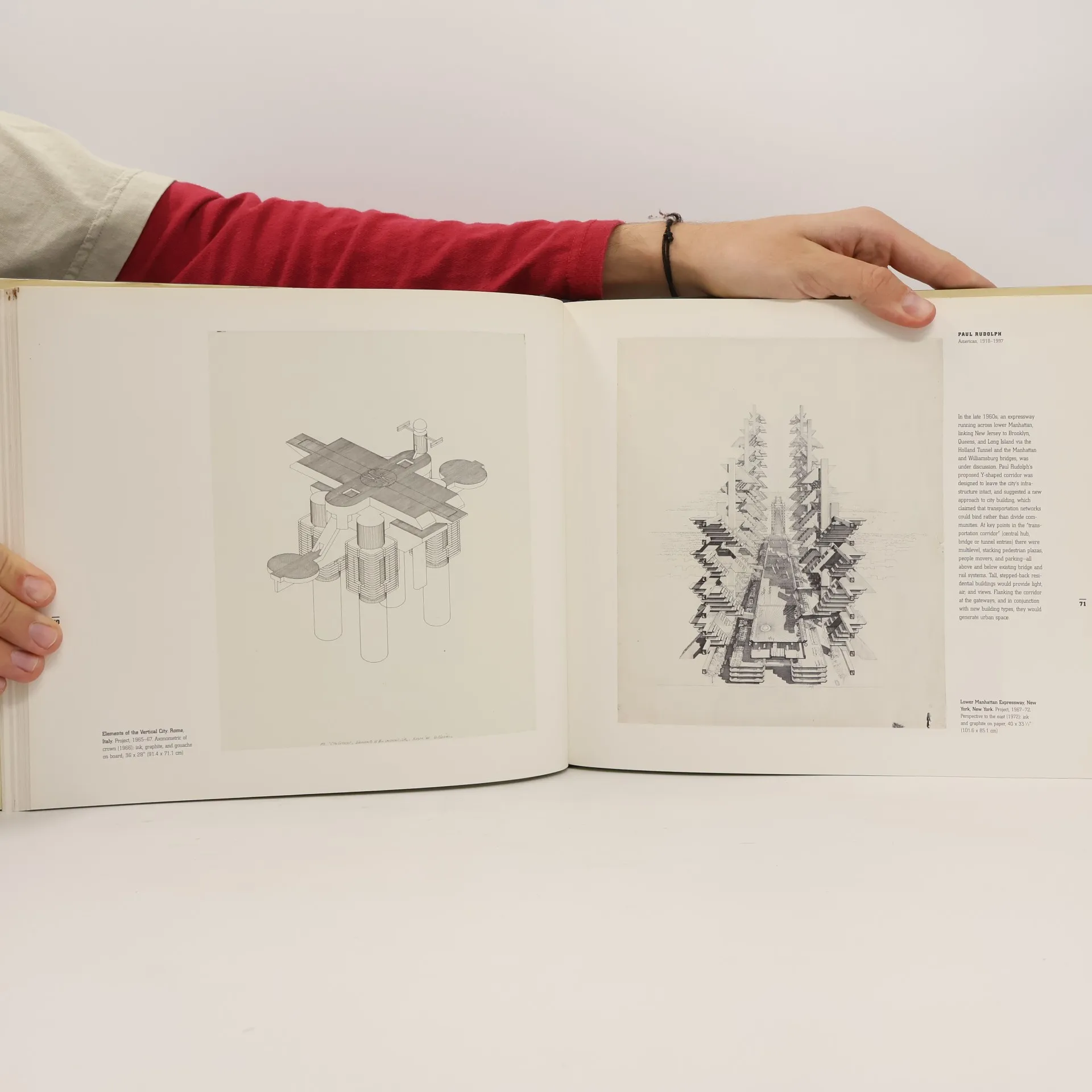
What would it be like to inhabit an R. Buckminster Fuller Dymaxion House? To visit Arata Isozaki's project for Hiroshima? Or to grow up in John Hejduk's Wall House? There are only speculative answers to such questions, but who wouldn't ponder them upon seeing the drawings gathered in <i>The Changing of the Avant Garde</i>? With 165 expertly reproduced visionary architectural drawings from The Museum of Modern Art's Howard Gilman Archive, this collection brings together a selection of idealized, fantastic and utopian architectural drawings, primarilly from the 1960s and 70s. This publication--the first to consider the drawings since the archive was established in 1998--is accompanied by essays exploring the significance of the works, and an interview with Pierre Apraxine, former curator of the collection.
Zakup książki
The Changing of the Avant-Garde, Sarah DeYong, Marco De Michelis, Paola Antonelli, Terence Riley, N.Y. Museum of Modern Art New York, Metropolitan Museum of Art (New York, N.Y.)
- Język

- Rok wydania
- 2002
- Oprawa
- (twarda),
- Stan książki
- Uszkodzony
- Cena
- 92,99 zł
Metody płatności
Nikt jeszcze nie ocenił.
- Tytuł
- The Changing of the Avant-Garde
- Podtytuł
- Visionary Architectural Drawings from the Howard Gilman Collection
- Język
- angielski
- Autorzy
- Sarah DeYong, Marco De Michelis, Paola Antonelli, Terence Riley, N.Y. Museum of Modern Art New York, Metropolitan Museum of Art (New York, N.Y.)
- Rok wydania
- 2002
- Oprawa
- twarda
- Liczba stron
- 240
- ISBN10
- 0870700049
- ISBN13
- 9780870700040
- Seria
- Opis
- What would it be like to inhabit an R. Buckminster Fuller Dymaxion House? To visit Arata Isozaki's project for Hiroshima? Or to grow up in John Hejduk's Wall House? There are only speculative answers to such questions, but who wouldn't ponder them upon seeing the drawings gathered in <i>The Changing of the Avant Garde</i>? With 165 expertly reproduced visionary architectural drawings from The Museum of Modern Art's Howard Gilman Archive, this collection brings together a selection of idealized, fantastic and utopian architectural drawings, primarilly from the 1960s and 70s. This publication--the first to consider the drawings since the archive was established in 1998--is accompanied by essays exploring the significance of the works, and an interview with Pierre Apraxine, former curator of the collection.