Drugi tom ( Nemezis 1936-1945 ) monumentalnego dzieła Iana Kershawa Po pokojowym rozstrzygnięciu kryzysu w Nadrenii Hitler stał się zarówno obiektem uwielbienia szerokich mas Niemców, jak i międzynarodowym symbolem nowoczesności i dynamizmu. Potrafił to osiągnąć, będąc w rzeczywistości dyktatorem systemu opartego na barbarzyństwie, jakiego ludzkość wcześniej nie doświadczyła.
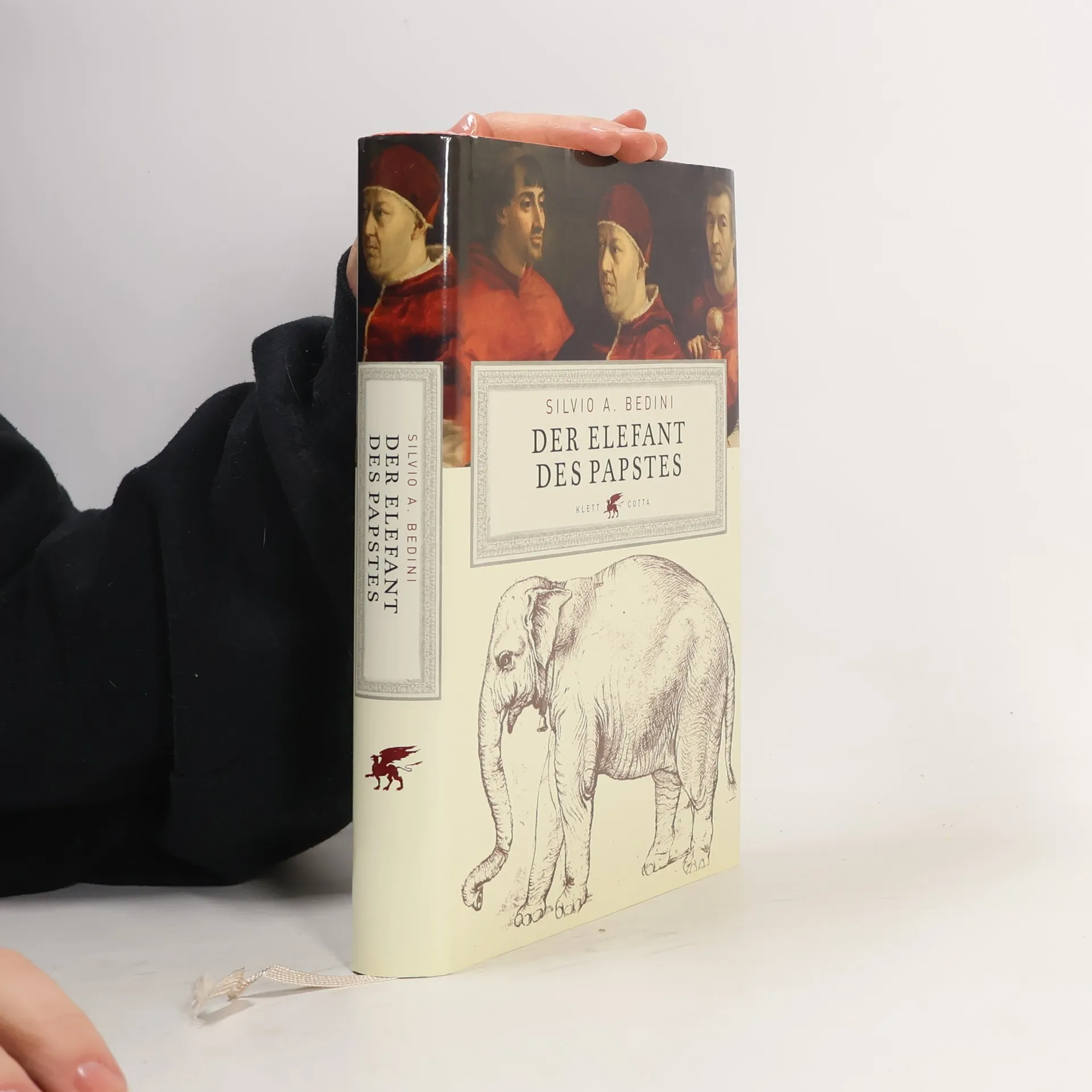
Rome, 1514. It is the high summer of the Italian Renaissance. The Turks have extinguished Constantinople, Rome's thousand-year rival. The ships of Portugal and Spain are gaining access to "new" worlds both east and west. Architects, craftsmen and artists - Bramante, Michelangelo and Raphael among themswarm for commissions to rebuild and embellish the long-derelict city. The Eternal City is once again the undisputed center of Christendom. So what on earth is the pope doing with a baby white elephant? In this tour de force of original scholarship, Silvio Bedini gives us an elephant's-back view of early modern Europe unlike any we have seen before.
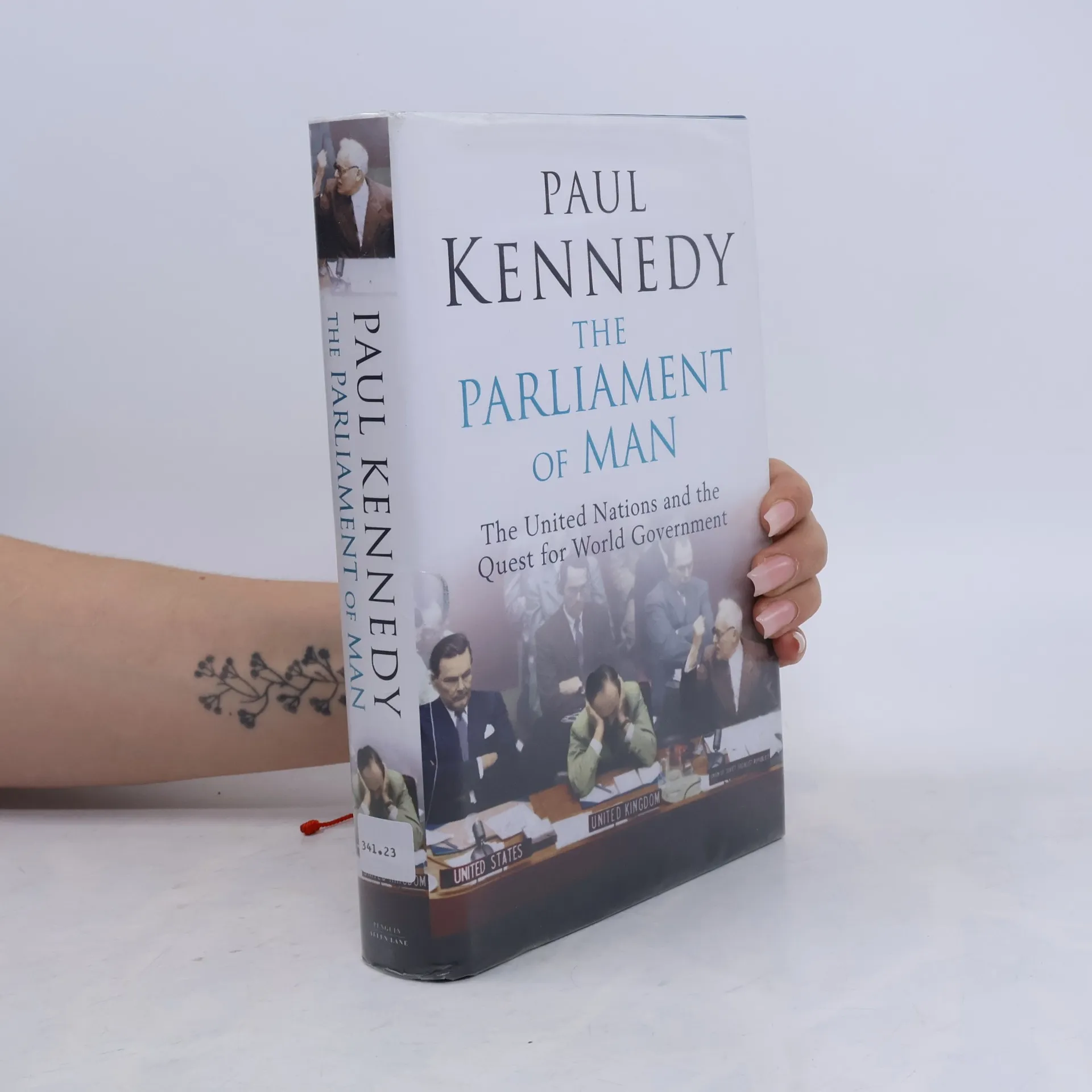
The United Nations and the Quest for World Government
384 strony
14 godzin czytania
“With all its defects, with all the failures that we can check up against it, the UN still represents man’s best-organized hope to substitute the conference table for the battlefield.” –Dwight D. Eisenhower, 1961
The signing of the United Nations Charter in 1945 marked a significant moment in history, as powerful sovereign nations united to form an autonomous organization aimed at preventing war and promoting human rights. Sixty years later, the UN continues its mission, facing challenges and criticism. In this comprehensive history, scholar Paul Kennedy explores the UN’s origins and functions while assessing its effectiveness and future prospects. Drawing on his experience from drafting reports for the UN’s fiftieth anniversary, Kennedy clarifies the roles of its six main bodies: the General Assembly, Security Council, Economic and Social Council, Trusteeship Council, Secretariat, and International Court. He highlights instances where the five permanent members of the Security Council— the United States, the United Kingdom, Russia, China, and France—collaborated to address humanitarian crises, despite political tensions. However, he also notes how lack of cooperation among great powers has hindered efforts like controlling greenhouse gas emissions and addressing the negative impacts of globalization on developing nations. Ultimately, Kennedy illustrates the UN as a fallible but essential institution, emphasizing its critica
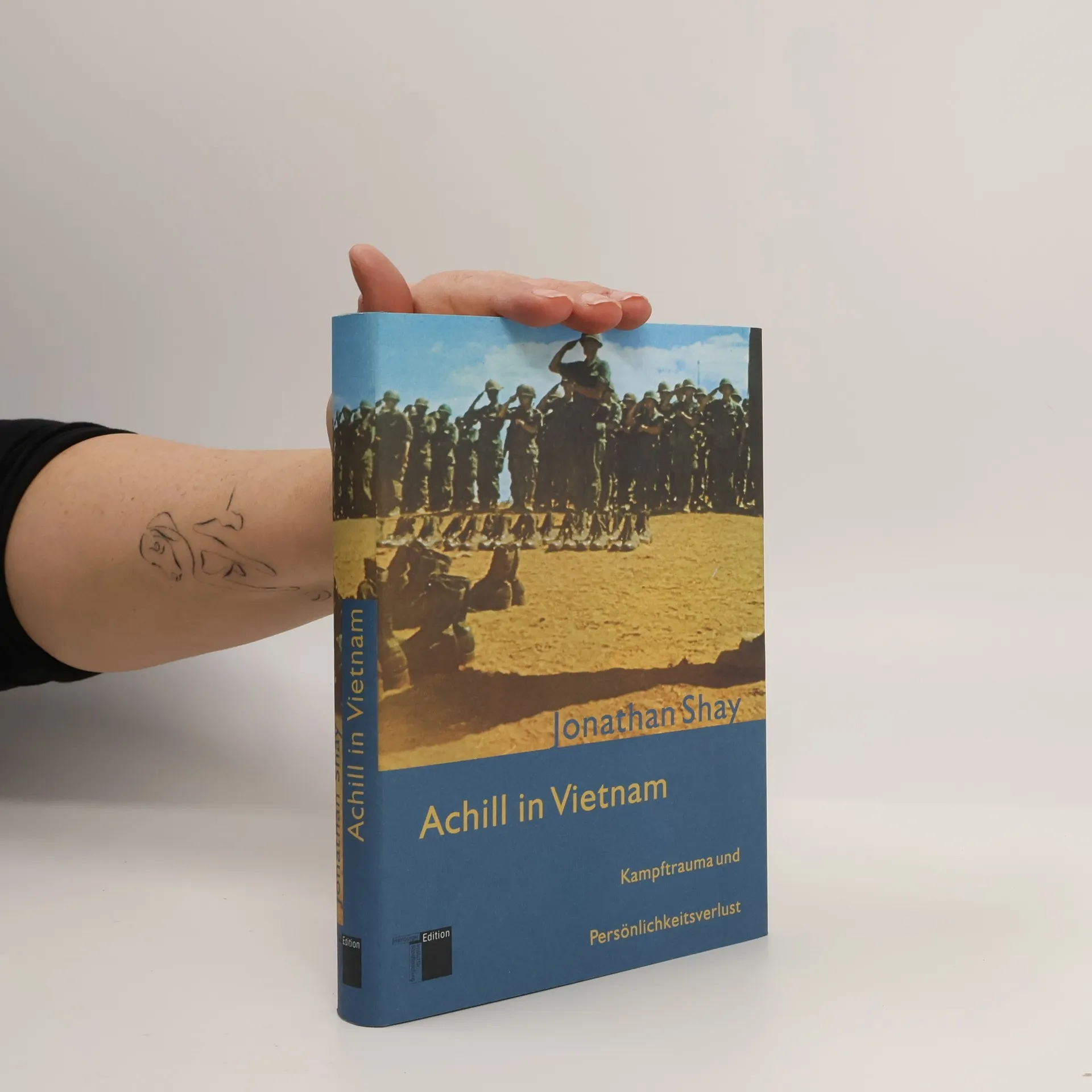
Der moderne Krieg hinterlässt tiefgreifende seelische Verwüstungen. In diesem bemerkenswerten Werk untersucht der amerikanische Psychiater Jonathan Shay die psychischen Schäden, die Krieg im Menschen anrichtet, indem er die Erfahrungen seiner Patienten, ehemalige Vietnamkämpfer mit schweren posttraumatischen Störungen, mit den Erzählungen in Homers Ilias vergleicht. Die Ilias beschreibt, wie Achill aus Trauer um Patroklos zum Berserker wird. Shay fragt, wie sich ein Verhalten entwickelt, das es modernen Soldaten ermöglicht, zivilisatorische Hüllen abzulegen, und warum sie oft Schwierigkeiten haben, sich nach dem Krieg in "normalen Verhältnissen" zurechtzufinden. Er sieht die Ursachen des posttraumatischen Syndroms nicht nur im grausamen Kriegsgeschehen, sondern auch in einer moralischen Entgrenzung, die entsteht, wenn Soldaten gegen ihre ethischen Werte verstoßen. Diese Verletzung des "Rechten" führt zu einem Verlust der psychischen Verbindung zur Welt außerhalb des Krieges. Shay beschreibt, wie schwerwiegende psychische Schäden aus dem Verlust des Vertrauens resultieren und zur Zerstörung der Fähigkeit zu vertrauen führen. Die Folgen sind zwanghafte Wiederholungen traumatischer Erlebnisse, reduzierte psychische Belastbarkeit und ein Verlust des Interesses an der Welt. Shay zeigt, dass Krieg eine anhaltende individuelle Pathologie sein kann und dass die psychische Transformation universell ist, die klassischen Krieger mit mode