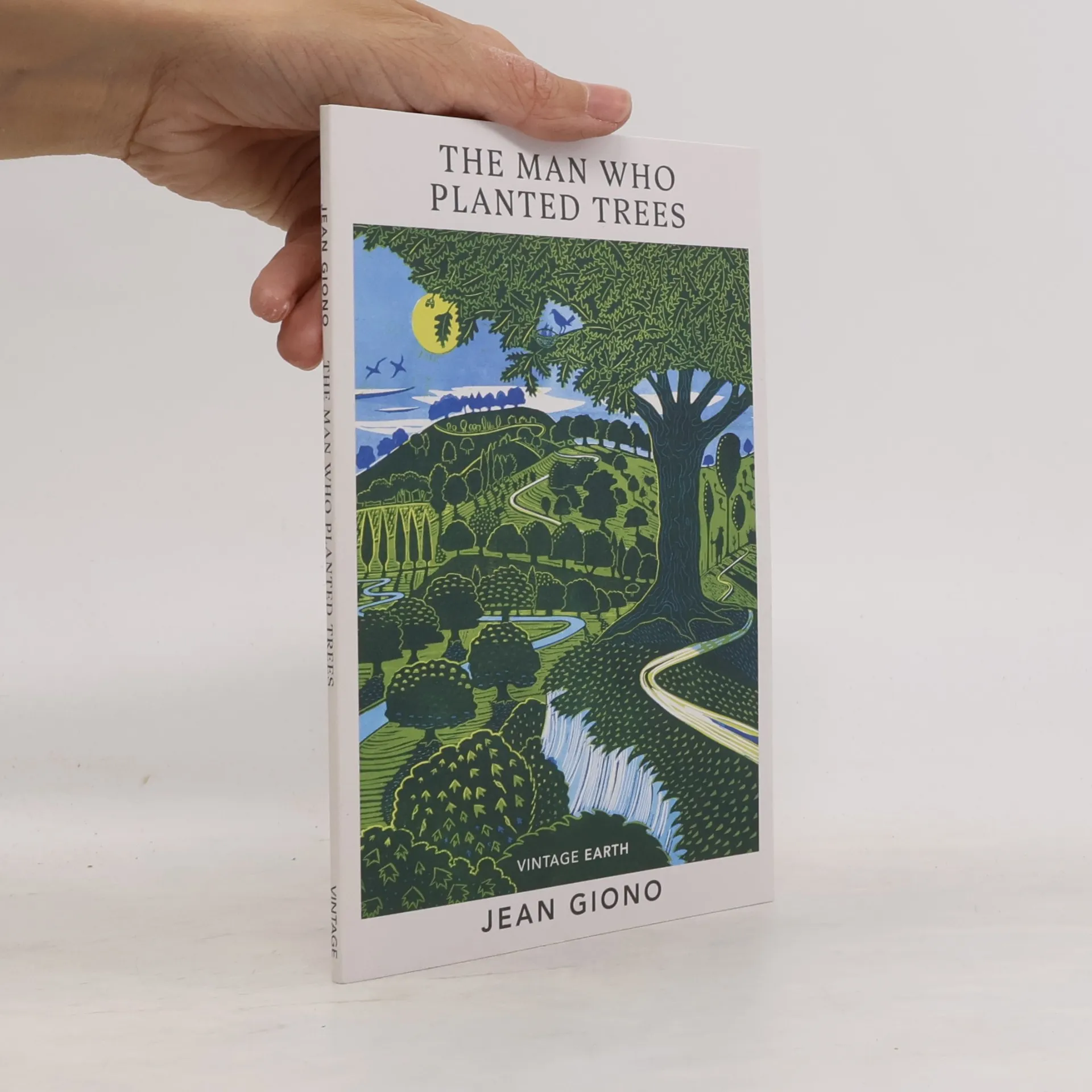
A beautiful gift edition of this classic fable about one man's quest to create a forest. In 1910, while hiking through the wild lavender in a wind-swept, desolate valley in Provence, a man comes across a shepherd called Elzéard Bouffier. Staying with him, he watches Elzéard sorting and then planting hundreds of acorns as he walks through the wilderness. Ten years later, after the war, he visits the shepherd again and sees the young forest he has created spreading slowly over the valley. Elzéard's solitary, silent work continues and the narrator returns year after year to see the miracle he is gradually creating: a verdant, green landscape that is a testament to one man's creative instinct.
Uli Aumüller Książki




What I Loved
- 384 strony
- 14 godzin czytania
From the author of "The Enchantment of Lily Dahl" comes a powerful and heartbreaking novel that chronicles the epic story of two families, two sons, and two marriages.
Druga płeć
- 824 strony
- 29 godzin czytania
Druga płeć to traktat o sytuacji kobiety. Beauvoir swoje opus magnum - poświęca interpretacjom faktów i mitów narosłych wokół „kobiecości”. Bada kształtowanie się kobiety w kobiecie, żeńskość i dialogi płci. Dowodzi, iż świat został fałszywie zbudowany na prawach mężczyzn, a męski punkt widzenia funkcjonuje wciąż jako dominujący. Posługując się bogatym materiałem erudycyjnym, demaskuje uprzedzenia, usprawiedliwienia i ostatecznie wiedzie ku wyzwoleniu. Książka jest gruntowną analizą kobiecości, jednym z fundamentów dyskursu feministycznego.
The Curtain
- 176 stron
- 7 godzin czytania
"A magic curtain, woven of legends, hung before the world," writes Milan Kundera in The Curtain, his fascinating new book on the art of the novel. "Cervantes sent Don Quixote journeying and tore through the curtain. The world opened before the knight-errant in all the comical nakedness of its prose." For Kundera, that curtain represents a ready-made perception of the world that each of us has—a pre-interpreted world. The job of the novelist, he argues, is to rip through the curtain and reveal what it hides. In this entertaining and always stimulating essay, Kundera cleverly sketches out his personal view of the history and value of the novel in Western civilization. Too often, he suggests, a novel is thought about only within the confines of the language and nation of its origin, when in fact the novel's development has always occurred across borders: Laurence Sterne learned from Rabelais, Henry Fielding from Cervantes, Joyce from Flaubert, García Márquez from Kafka. The real work of a novel is not bound up in the specifics of any one language: what makes a novel matter is its ability to reveal some previously unknown aspect of our existence. In The Curtain, Kundera skillfully describes how the best novels do just that.
The Rights of the Reader
- 208 stron
- 8 godzin czytania
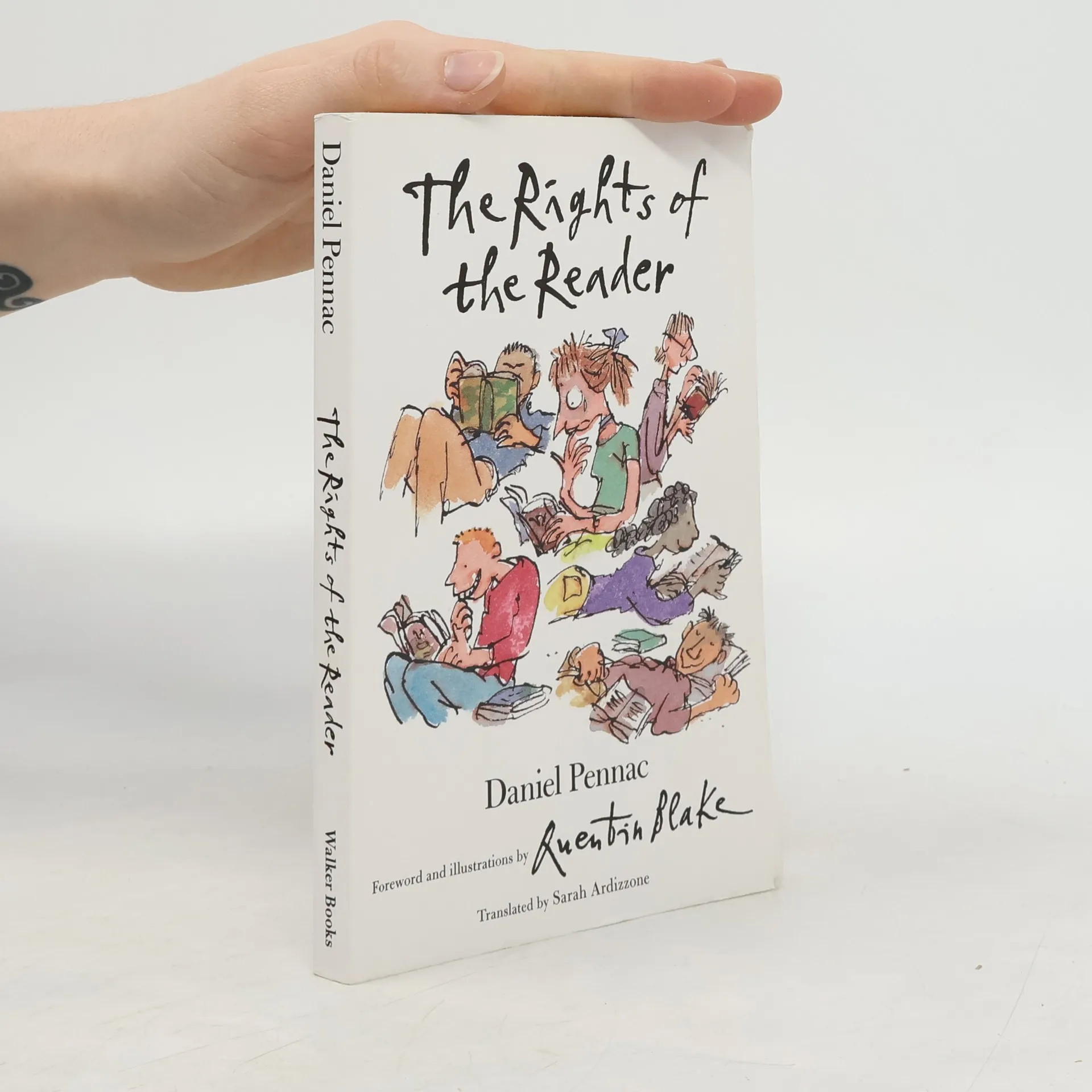
Humane, humorous and deeply felt, this is a unique book about reading.
Metaforyczny obraz świata walczącego ze złem, którego symbolem jest tytułowa dżuma, pustosząca Oran w 194? roku. Wybuch epidemii wywołuje różne reakcje u mieszkańców, jednak stopniowo uznają słuszność postępowania doktora Rieux, który od początku aktywnie walczy z zarazą, uznając to za swój obowiązek jako człowieka i lekarza.
Niewiedza
- 160 stron
- 6 godzin czytania
Irena i Josef. Poza wdowieństwem łączy ich naprawdę wiele: dawna miłość, emigracja i decyzja o wielkim powrocie do ojczyzny po dwudziestu latach banicji. Milan Kundera w mistrzowski sposób splata ze sobą kilka historii z życia swych bohaterów, by przywołać uniwersalną prawdę o wszystkich emigrantach zmuszonych do opuszczenia rodzinnego kraju i skazanych na zapomnienie przez władzę, rodzinę i przyjaciół.
Tożsamość
- 160 stron
- 6 godzin czytania
Co może się wydarzyć, jeśli w ułamku jednej sekundy nie rozpoznamy ukochanej osoby, pomylimy jej fizyczny wygląd z kimś innym? A jeśli nie rozpoznamy samych siebie? Chcąc na nowo rozbudzić w ukochanej Chantal zagubioną pewność siebie, Jean-Marc postanawia wysyłać jej anonimowe listy miłosne. Zaczyna się subtelna gra między dwojgiem kochanków, której zaskakujący i niebanalny finał doprowadzi ich do poznania samych siebie i odpowiedzi na pytania o granice własnej tożsamości. Nowe wydanie.
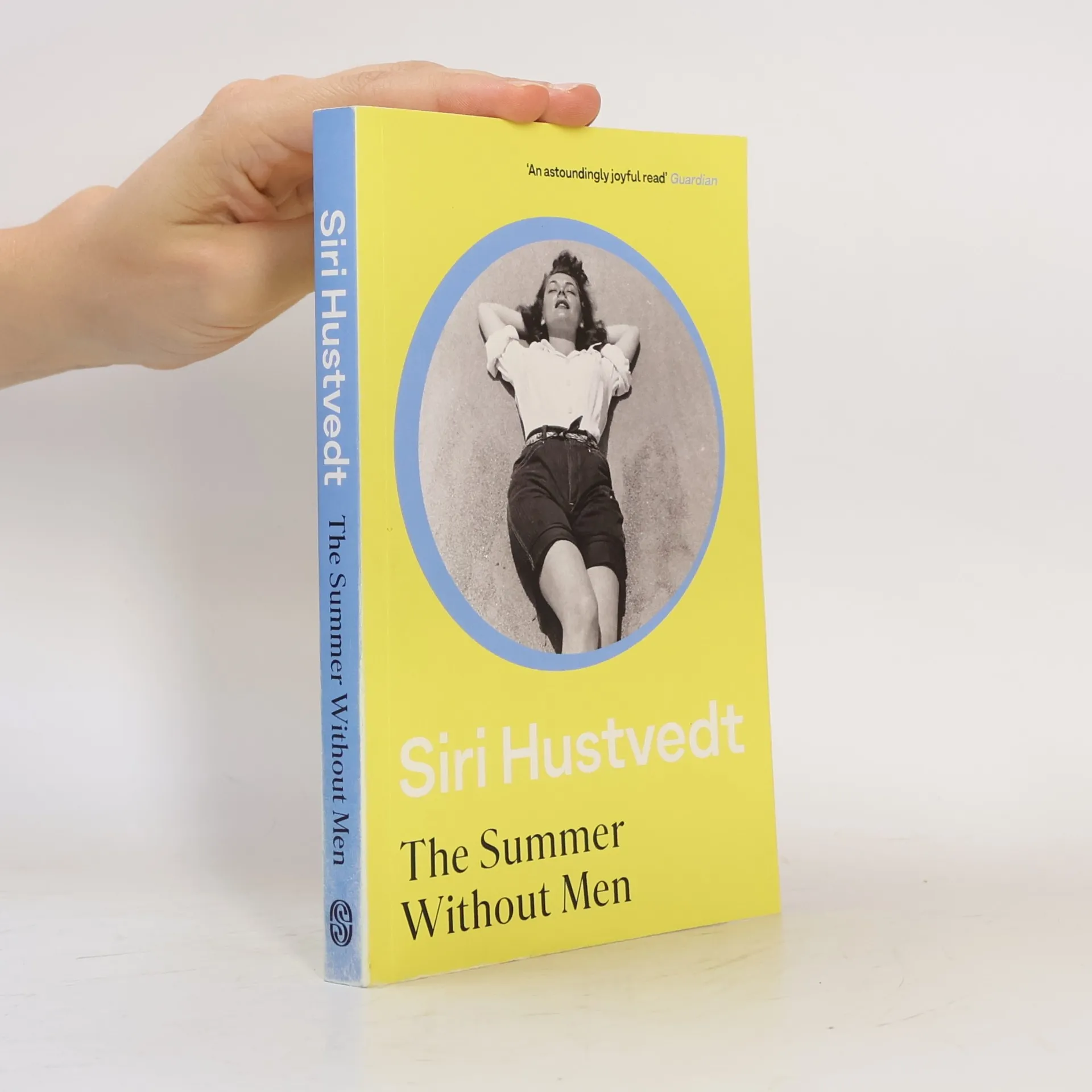
Mia is forced to reexamine her life when her husband puts their marriage on "pause" after thirty years. She returns to the prairie town of her childhood, and is drawn into the lives of those around her.
Der Ekel
Roman. Mit einem Anhang, der die in der ersten französischen Ausgabe vom Autor gestrichene Passagen enthält
- 249 stron
- 9 godzin czytania
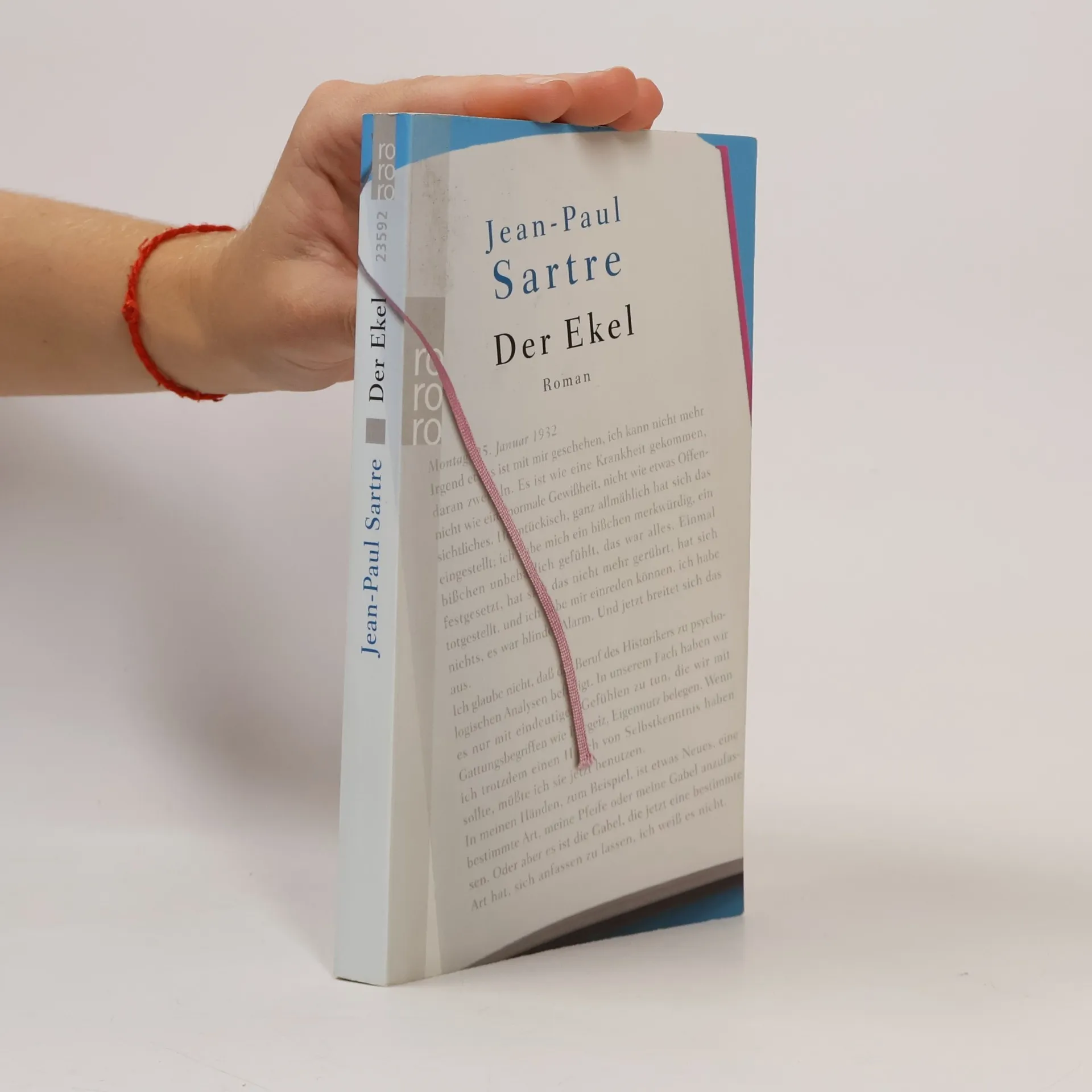
Für Antoine Roquentin, Einzelgänger und Außenseiter in einer Provinzstadt, verliert das Leben plötzlich seine Selbstverständlichkeit. Unnachsichtig um Selbsterforschung bemüht, versucht er seinem immer stärkeren Ekel vor Dingen und Menschen auf den Grund zu gehen. Die Erfahrungen, Empfindungen und Visionen des Helden dieses ersten und bedeutendsten Romans des Existentialismus gaben Anstöße zu einer neuen Lebensphilosophie, die bis heute nichts von ihrer Brisanz eingebüßt hat.